Abu Simbel Travel & Vacation Guide
Current Weather

Frequently Asked Questions
The best time to visit Abu Simbel is from October to April when temperatures are milder, making it more comfortable for sightseeing. During these months, daytime temperatures range from 70°F to 80°F (21°C to 27°C), while evenings can be cooler. Avoid visiting in the summer months (June to August) when temperatures can soar above 100°F (38°C).
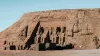
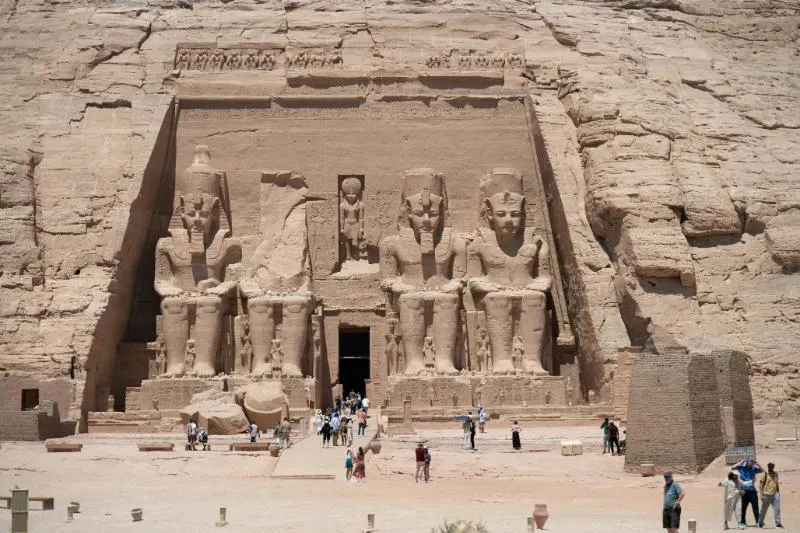
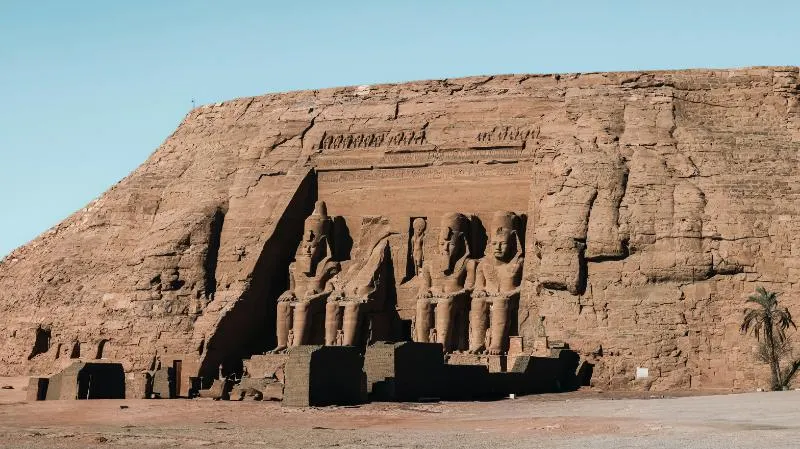
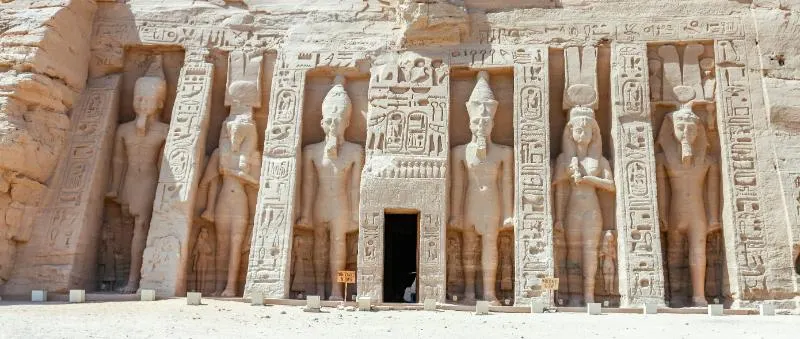
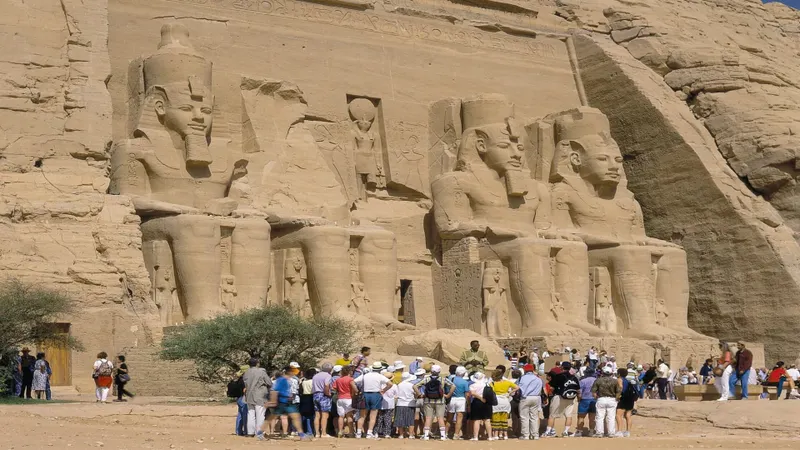
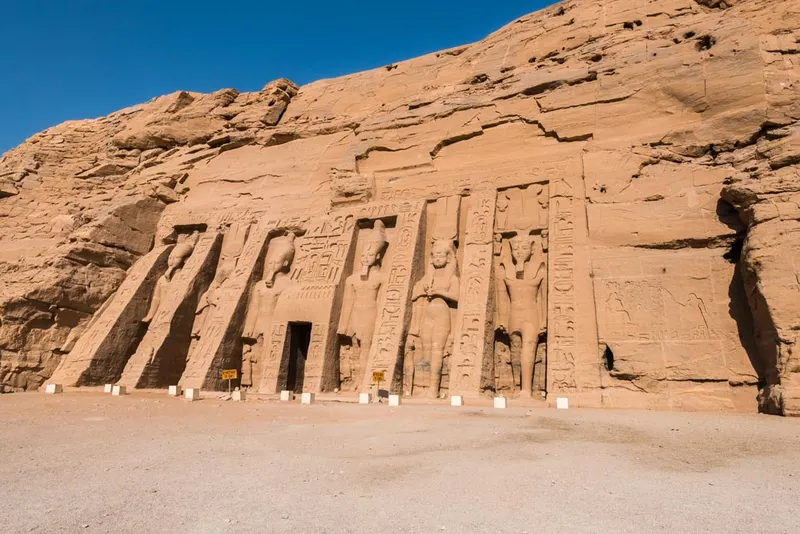
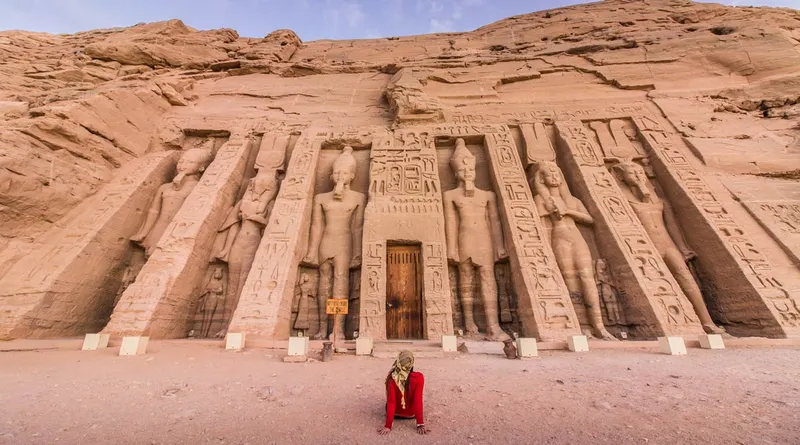
A visit to Abu Simbel typically requires one to two days. This allows you to fully explore the magnificent temples, including the Great Temple of Ramses II and the Temple of Hathor. If you plan to take a boat trip on Lake Nasser or visit nearby attractions, consider extending your stay to two days for a more leisurely experience.
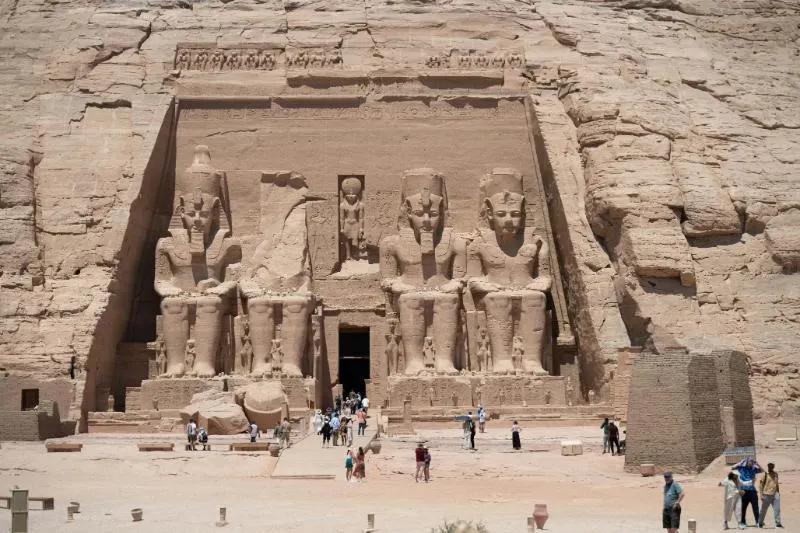
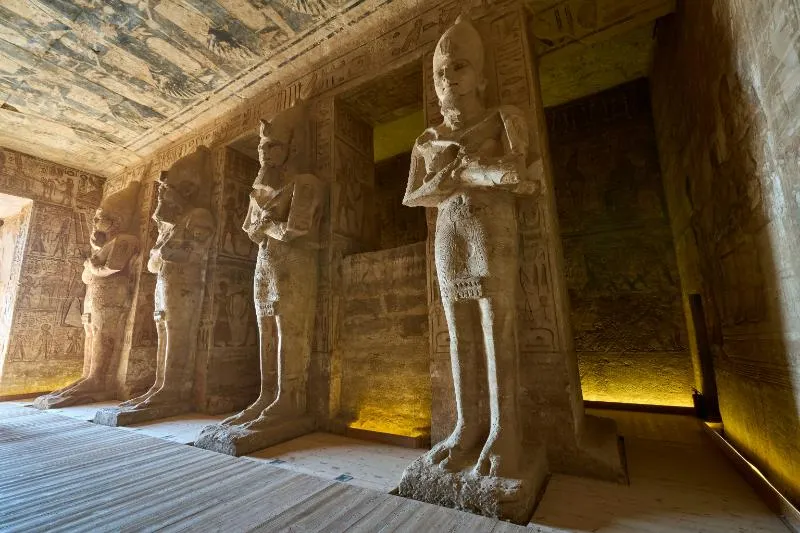
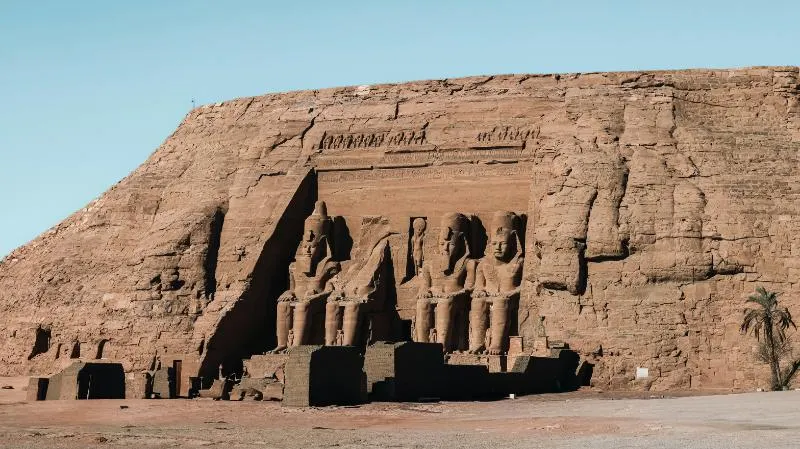
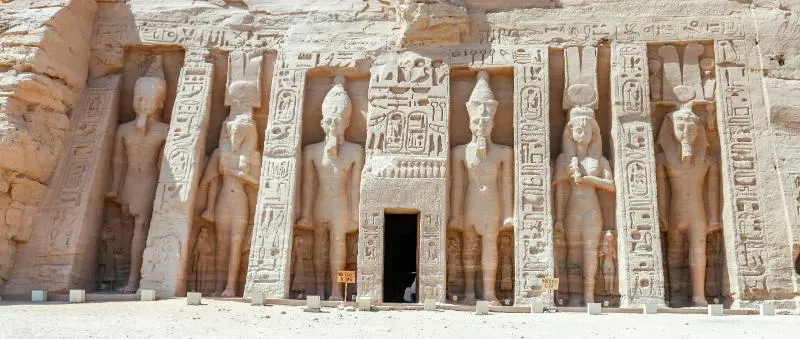
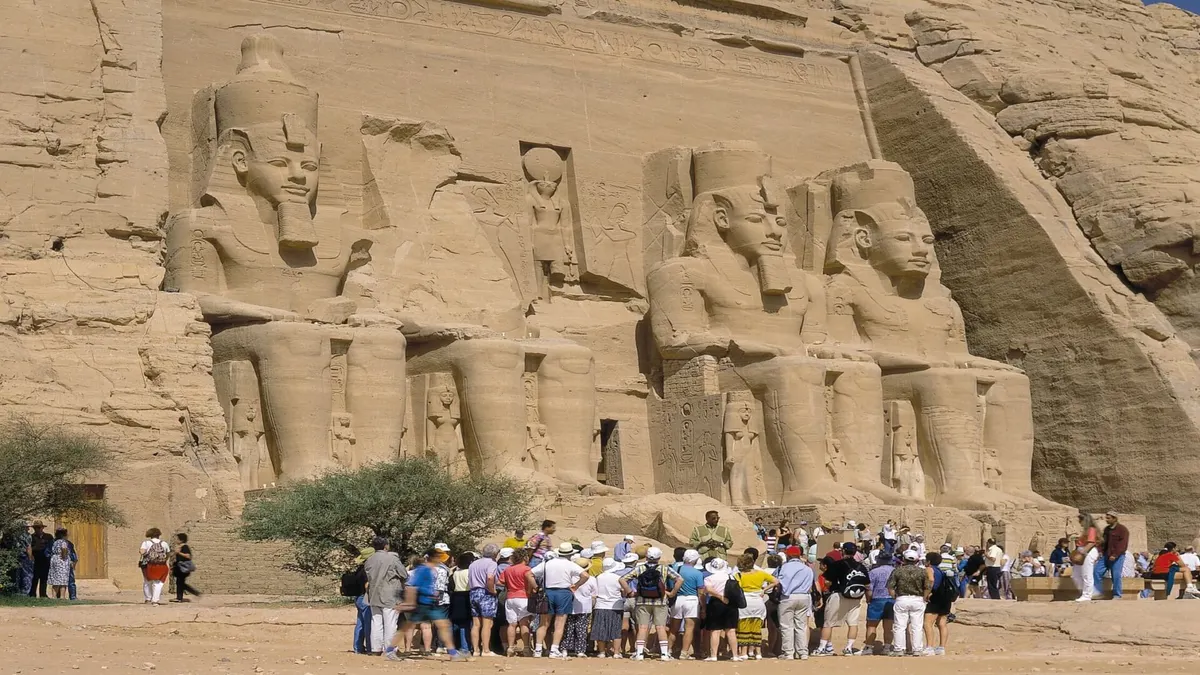
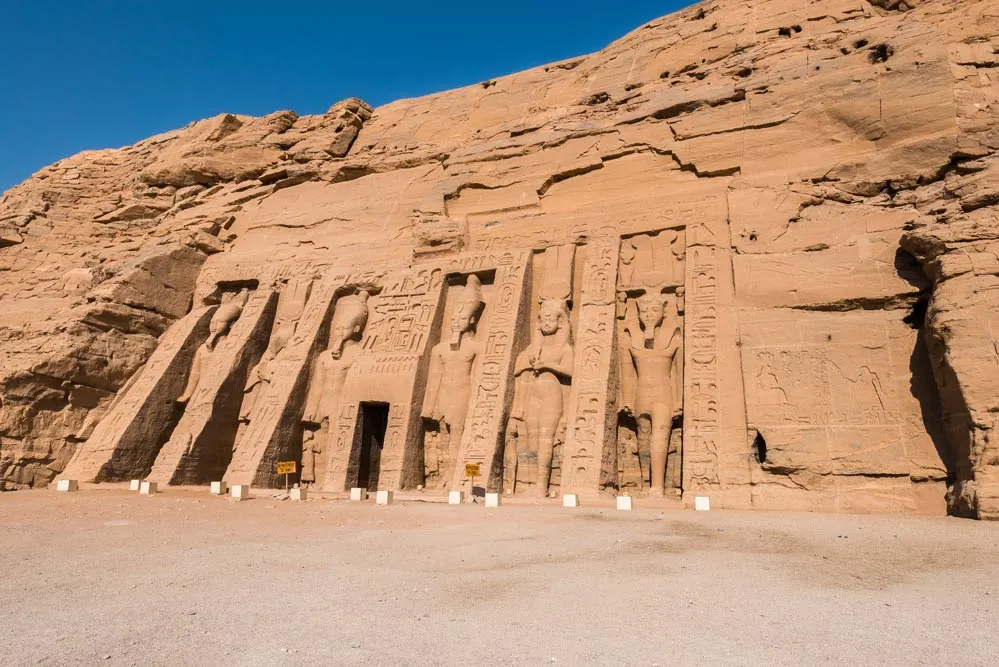
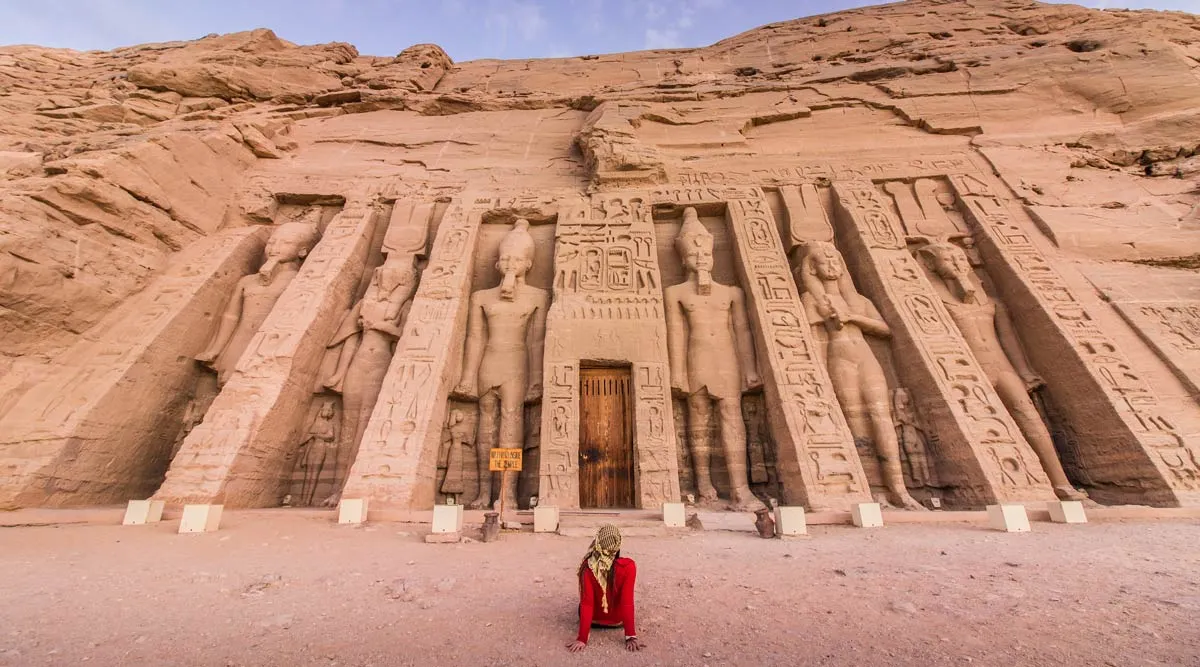
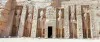
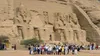
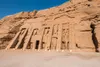
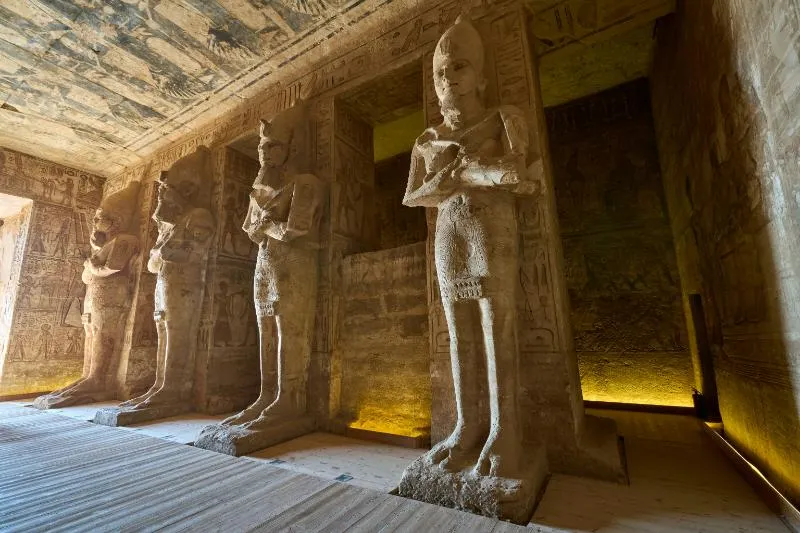
The must-see landmarks in Abu Simbel include: - The Great Temple of Ramses II, known for its colossal statues and intricate carvings. - The Temple of Hathor, dedicated to Ramses' wife, Nefertari, featuring beautiful reliefs. - The Sound and Light Show at the temples, which narrates the history of the site in an enchanting setting.
To get to Abu Simbel from Aswan, you can take a domestic flight, which takes about 30 minutes. Alternatively, you can opt for a road trip, which takes approximately three hours by car. Many travelers also choose to join a guided tour that includes transportation, making it a hassle-free option.
While in Abu Simbel, be sure to try traditional Egyptian dishes such as: - Koshari, a hearty mix of rice, lentils, and pasta topped with tomato sauce and fried onions. - Ful medames, a popular fava bean dish often served for breakfast. - Freshly baked bread and local sweets like basbousa, a semolina cake soaked in syrup.
In Abu Simbel, it's important to respect local customs and etiquette. Dress modestly, especially when visiting religious sites—women should cover their shoulders and knees. Always ask for permission before taking photos of people, and be polite in your interactions. Additionally, during Ramadan, be mindful of local customs regarding eating and drinking in public.
Abu Simbel experiences a desert climate, characterized by hot summers and mild winters. - Summer (June to August): Extremely hot, with temperatures often exceeding 100°F (38°C). - Fall (September to November): Warm, with temperatures gradually cooling down. - Winter (December to February): Mild and pleasant, ideal for sightseeing. - Spring (March to May): Warm, but temperatures begin to rise significantly.