Antarctica Travel & Vacation Guide
Frequently Asked Questions
The best time to visit Antarctica is during the austral summer, from late October to early March. During these months, temperatures are milder, ranging from -2°C to 8°C (28°F to 46°F), and wildlife is most active. This period offers the best opportunities for seeing penguins, seals, and whales, as well as longer daylight hours for exploration.
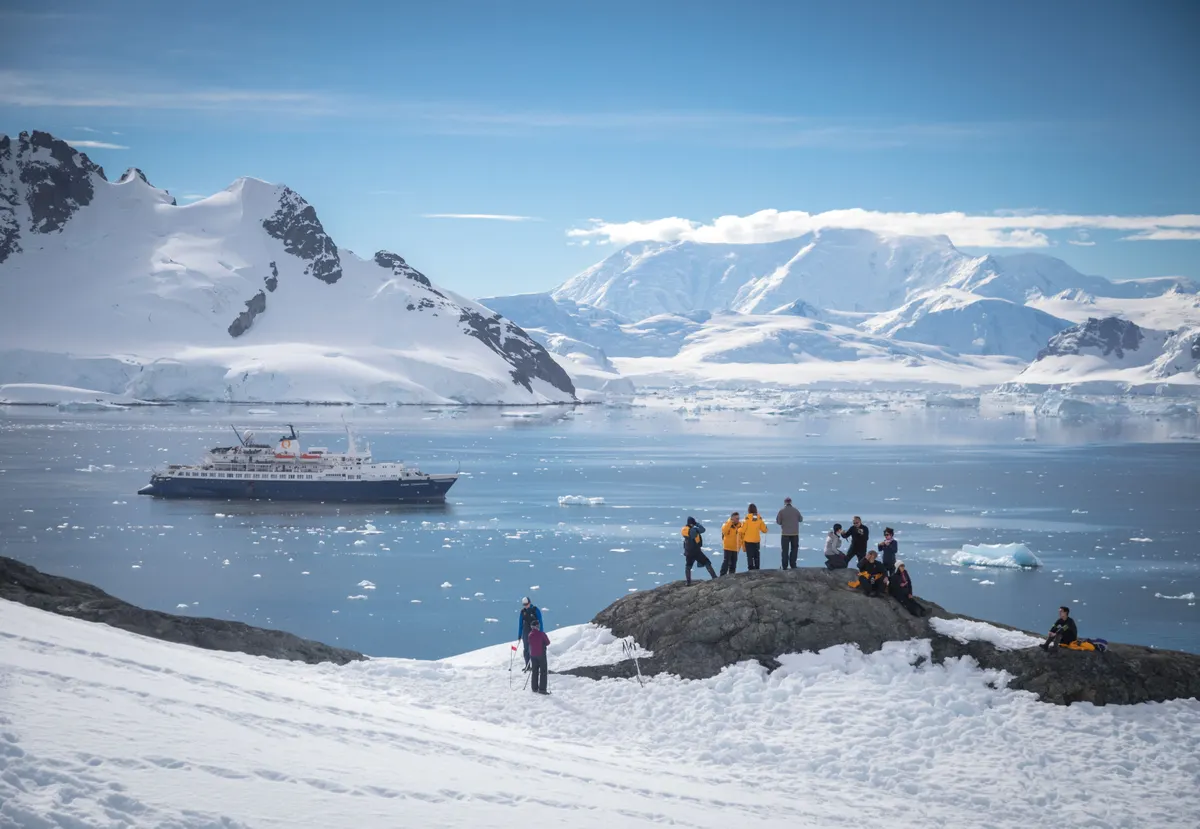
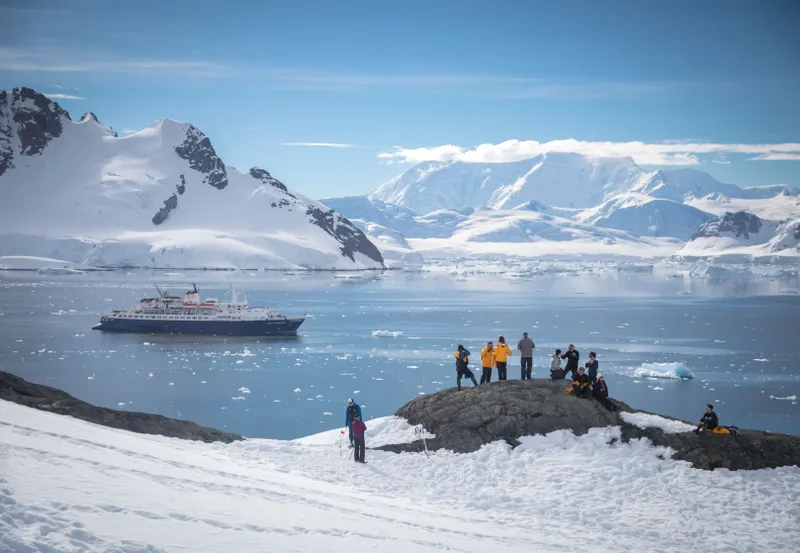
A typical trip to Antarctica lasts between 10 to 20 days, depending on your itinerary and departure point. Most travelers opt for cruises that include landings on the continent, allowing for multiple excursions to experience the stunning landscapes and wildlife. Longer trips may include visits to the Falkland Islands and South Georgia, enriching your experience.
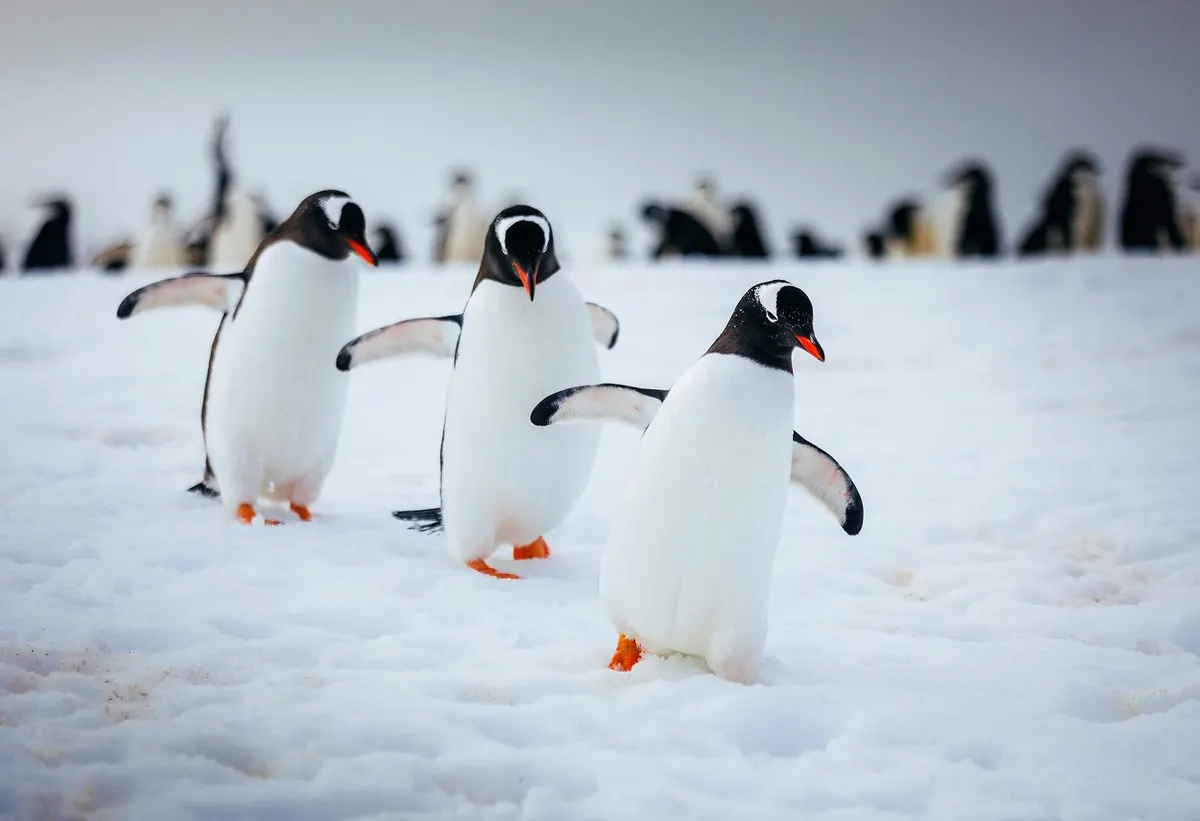
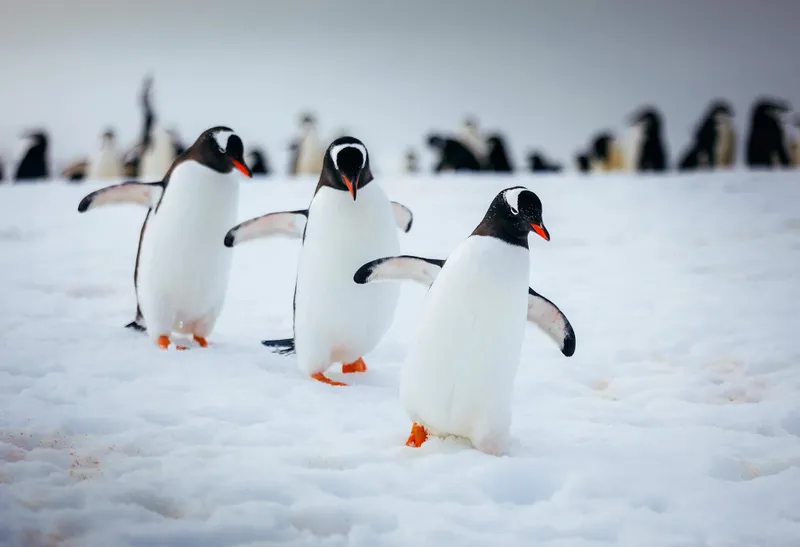
Must-see experiences in Antarctica include: - Visiting penguin colonies, such as those at Deception Island and the Antarctic Peninsula. - Kayaking among icebergs and glaciers for a unique perspective. - Exploring historic sites like whaling stations on South Georgia. - Taking guided hikes to witness breathtaking scenery and wildlife. - Participating in polar plunges for the adventurous.
Most travelers reach Antarctica via cruises departing from Ushuaia, Argentina, the southernmost city in the world. You can fly from major U.S. cities to Buenos Aires, then take a domestic flight to Ushuaia. Some tours may also offer flights directly to research stations on the continent, but these are less common. It's advisable to book your trip well in advance.
Packing for Antarctica requires careful consideration due to the extreme conditions. Essential items include: - Waterproof and windproof outer layers. - Insulated clothing, including thermal base layers. - Sturdy, waterproof boots for excursions. - Warm gloves, hats, and scarves. - Sunglasses and sunscreen to protect against UV rays reflected off ice. - A good camera for capturing the stunning landscapes and wildlife.
Health and safety are paramount in Antarctica due to its remote and extreme environment. Travelers should: - Be in good physical condition, as some excursions require moderate hiking. - Carry necessary medications and consult a doctor about travel-related health risks. - Follow all safety guidelines provided by tour operators, especially during wildlife encounters. - Ensure that your travel insurance covers evacuation and medical emergencies.
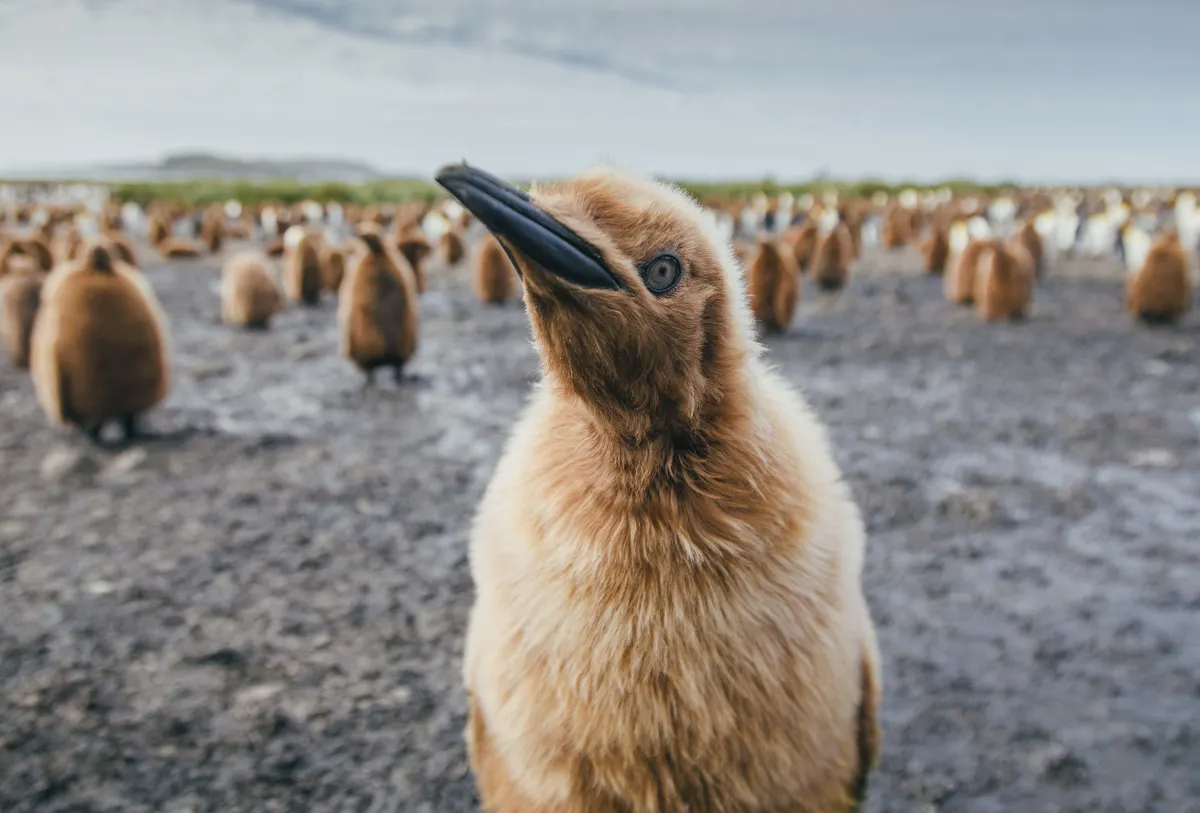
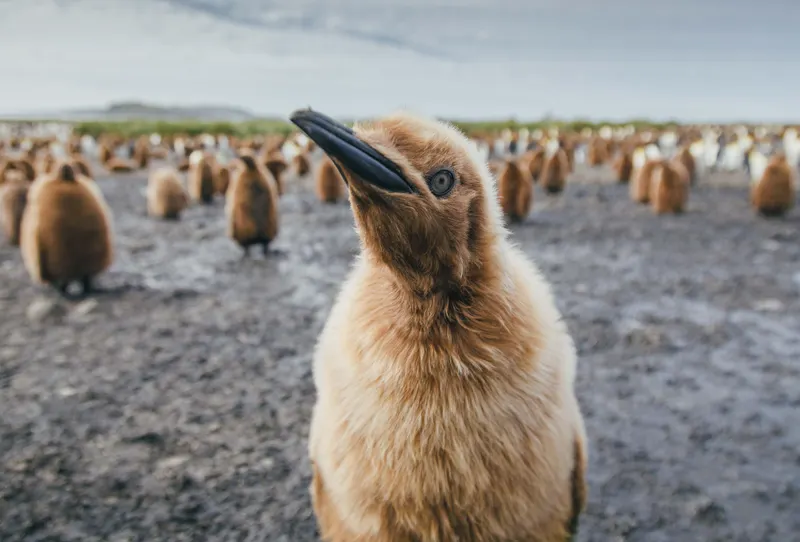
Antarctica offers incredible wildlife experiences, including: - Observing various penguin species, such as Emperor and Adélie penguins, during their breeding season. - Spotting seals, including Weddell, leopard, and elephant seals, lounging on ice. - Whale watching, with opportunities to see humpback, minke, and orca whales. - Birdwatching for species like the wandering albatross and various petrels. - Participating in guided excursions to observe wildlife in their natural habitats.