Barcelona Travel & Vacation Guide
Current Weather

Description
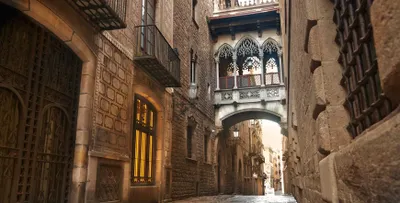
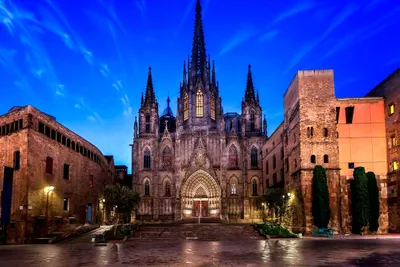
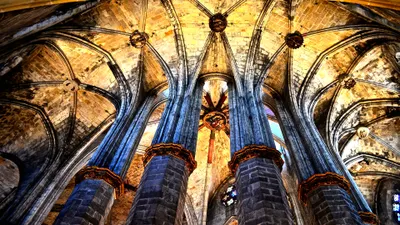
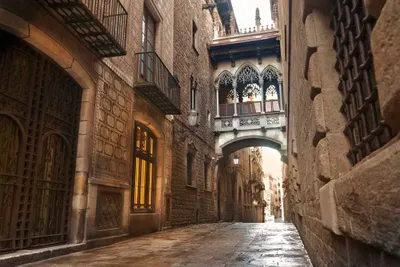
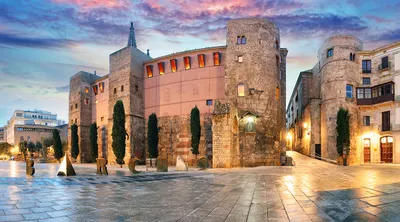
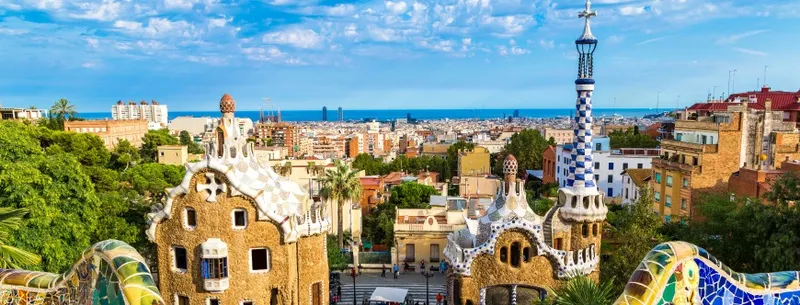
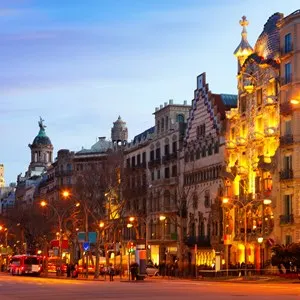
Like many cities in the Mediterranean, Barcelona has ancient Roman roots. The original settlement, Barcino, was a small but strategic port located where the city's cathedral now stands. Unlike today’s bustling metropolis, Barcino was overshadowed by Tarragona, the provincial capital of Roman Hispania. Over the centuries, Barcelona saw invasions by Visigoths and Moors, though their lasting impact was minor compared to the transformative influence of the Franks in the late 9th century. This marked the emergence of Barcelona – and Catalonia – as a distinct entity, setting it apart from the rest of Spain. This uniqueness is most evident in the language. While Spanish (or Castilian) features many Arabic loanwords, Catalan reflects its ties to neighbouring Romance languages like French and Occitan. Catalan is not a dialect of Spanish but a language with its own identity, spoken proudly across Catalonia. Barcelona’s layered history is visible throughout the city. The oldest areas are clustered by the sea, including the Gothic Quarter (Barri Gòtic), a maze of medieval streets with Roman foundations. Across the famous boulevard La Rambla lies El Raval, a neighbourhood once infamous for its red-light district and the city's 'Chinatown' (Barrio Chino). In the 1980s, Raval began shedding its rough reputation and is now a hub for trendy cafés, art galleries, and eclectic culture. Further north, the Eixample district showcases Barcelona’s 19th-century urban expansion, with its strict grid, airy boulevards, and modernist architecture, including Gaudí’s unmistakable landmarks. From narrow alleys to wide avenues, the city moves between centuries effortlessly, its streets, buildings, and plazas carrying traces of the past while buzzing with contemporary life.
Useful information
The city: 1.7 million (2025) Metro area: 5.7 million (2025)
Euro (€, EUR)
Emergency call: 112
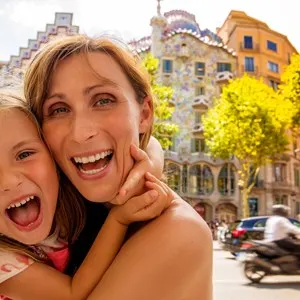
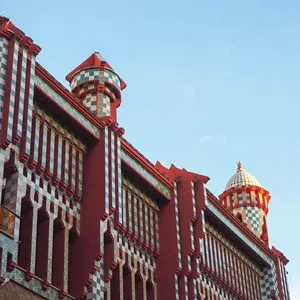
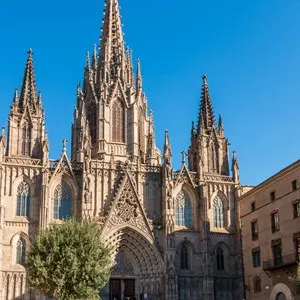
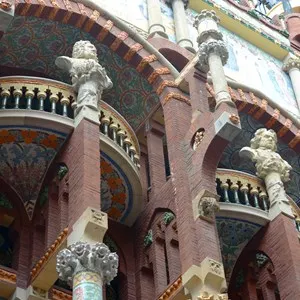
Top 10 for Architecture Lovers

Do & See

Dining







Cafés




Bars & Nightlife








Shopping





Tourist Information





Frequently Asked Questions
The best time to visit Barcelona is from late spring to early fall, specifically May to June and September to October. During these months, the weather is pleasant, and you can enjoy outdoor activities without the peak summer crowds. July and August are the hottest months and can be quite crowded with tourists.
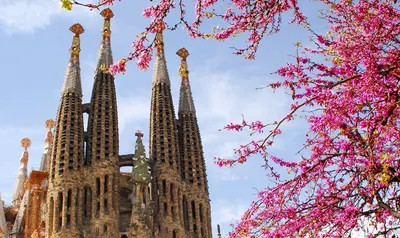
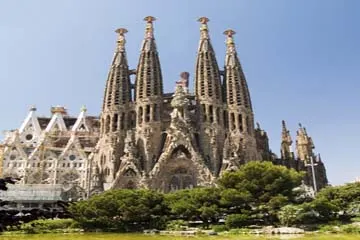
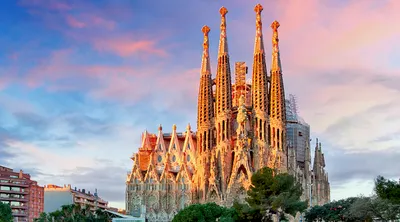
A stay of 3 to 4 days in Barcelona is ideal to explore the main attractions. This allows you to visit iconic sites like the Sagrada Familia, Park Güell, and the Gothic Quarter, as well as enjoy the city's beaches and vibrant neighborhoods like El Born and Gràcia.
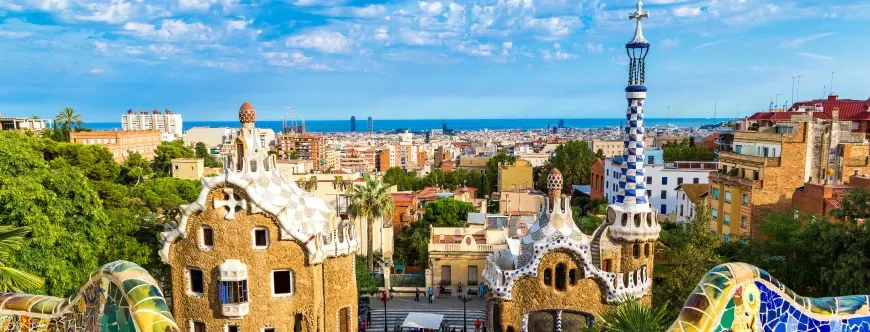
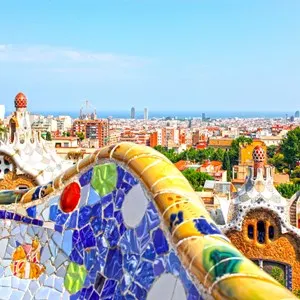
Barcelona is home to several must-see landmarks including: - Sagrada Familia: Gaudí's iconic basilica - Park Güell: A colorful public park with Gaudí's artistic touch - La Rambla: A lively street perfect for strolling - Gothic Quarter: Historic streets with medieval architecture - Casa Batlló and Casa Milà: Stunning modernist buildings by Gaudí - Montjuïc: Offers panoramic views and cultural attractions like the Magic Fountain
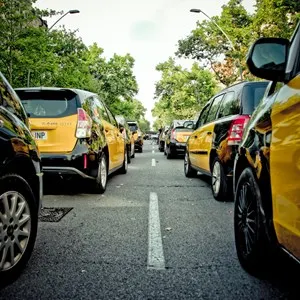
Barcelona has an efficient public transportation system including buses, metro, and trams. The metro is particularly convenient for getting around the city quickly. Consider purchasing a T10 ticket for multiple journeys. Walking is also a great way to explore central areas, while bicycles and scooters are popular for a more leisurely pace.
Barcelona offers a variety of local dishes worth trying, such as: - Paella: A classic Spanish rice dish, often with seafood - Tapas: Small plates of various appetizers - Escudella: A traditional Catalan stew - Crema Catalana: A dessert similar to crème brûlée - Cava: A sparkling wine from the nearby Penedès region
Barcelona hosts several vibrant festivals throughout the year. La Mercè, held in September, is the city's biggest festival featuring parades, fireworks, and concerts. The Festa Major de Gràcia in August is known for its decorated streets and community events. If visiting in spring, the Sant Jordi Festival in April celebrates books and roses, akin to Valentine's Day.
Barcelona is a great base for day trips to explore more of Catalonia. Consider visiting Montserrat for its stunning monastery and hiking trails, or the coastal town of Sitges for its beaches and charming old town. The Salvador Dalí Museum in Figueres is also a popular excursion for art enthusiasts.
Trips