Birmingham Travel & Vacation Guide

Current Weather

Description
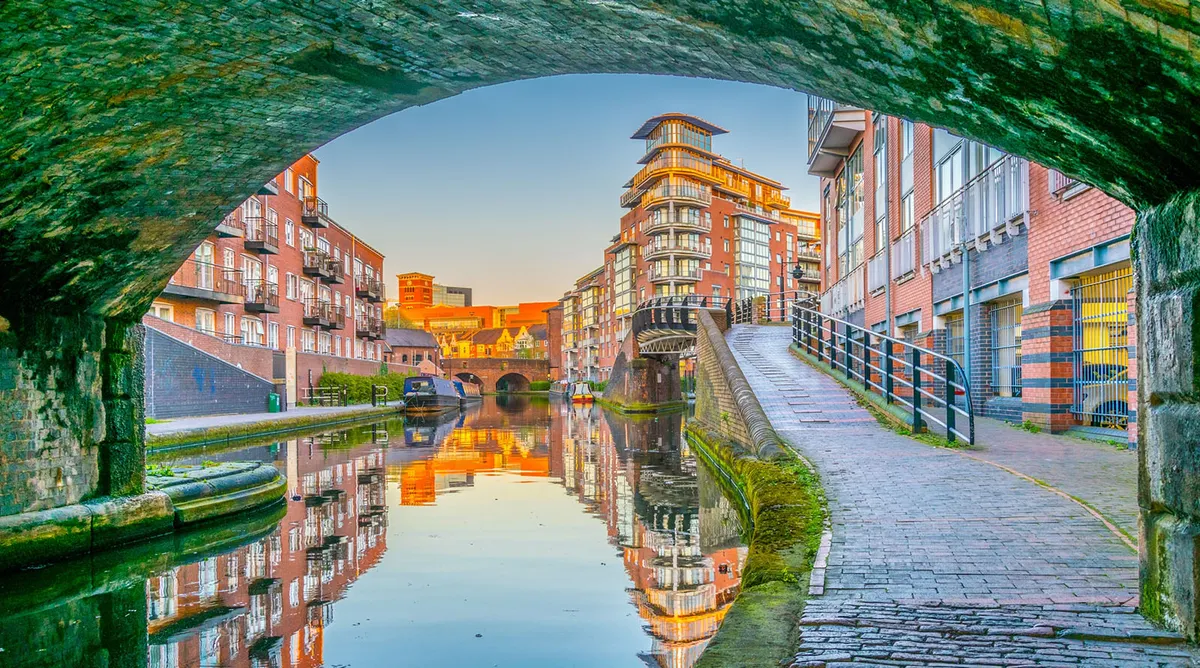
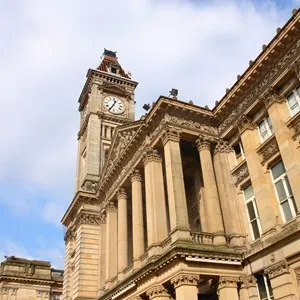
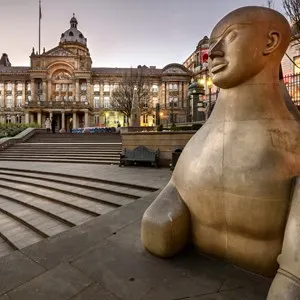
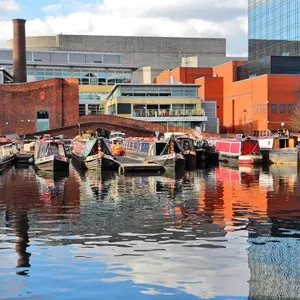
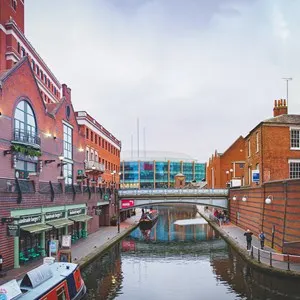
Like many other cities, Birmingham has a link with the Roman Empire. The city was mentioned as far back as 1086 in the Domesday Book and developed into an important trade centre from the 12th century onward. During the 17th century, a large weapons industry developed. Among others, Birmingham provided Oliver Cromwell’s army with weapons and later on they supplied Napoleon. During the golden age of the Industrial Revolution, the city grew rapidly thanks to its supplies of iron, coal, and labour. Subsequently, Birmingham became an important hub in England’s canal and train networks, and these days the city has a network of over 60 km of canals and other waterways, which is more than Venice. Today the canals are mostly used for pleasure boating, making it a perfect way to discover Birmingham. During the Second World War, large areas of the city were destroyed, and the city centre was rebuilt. In recent years, however, an architectural renaissance has occurred and old squares, streets and waterways have been restored and renovated. Many typical British brands, and frequently world-famous brands have been created here, including Bakelite, Cadbury’s, Brylcreem, HP Sauce, and Typhoo Tea. The city’s inhabitants include J. R. R. Tolkien and Ozzy Osbourne. Today, Birmingham is a fast-growing tourist destination with a compact, pedestrian-friendly city centre and where many exciting attractions are waiting to get explored. A city full of surprises where the English old-world charm meets the new and young vibrant atmosphere.
Useful information
1.3 million (2023)
British Pounds, £1 = 100 pence
999
Many of the larger shopping malls are open from Monday to Saturday 9am–8pm. Sundays and other public holidays the usual hours are 11am–5pm.
Do & See



Dining






Cafés


Bars & Nightlife







Shopping





Tourist Information




Frequently Asked Questions
The best time to visit Birmingham is during late spring (May to June) and early autumn (September to October) when the weather is mild and the city hosts various events. Summer (July to August) is also popular, but it can be crowded with tourists.
A stay of 2 to 3 days in Birmingham is ideal to explore the main attractions such as the Birmingham Museum and Art Gallery, the Bullring shopping center, and the historic Jewellery Quarter. This timeframe also allows for a leisurely stroll along the canals and a visit to Cadbury World.
Birmingham offers several must-see landmarks, including the Birmingham Museum and Art Gallery, known for its Pre-Raphaelite paintings, and the innovative Library of Birmingham. Don't miss the Jewellery Quarter for its rich history and unique shops, and Cadbury World for a sweet experience.
Birmingham's public transportation system is efficient, with buses, trains, and trams connecting major areas. The city center is compact, making it easy to explore on foot. For longer distances, consider using the West Midlands Railway or the Midland Metro tram service.
Birmingham is known for its diverse culinary scene, notably its 'Balti Triangle,' famous for Balti curry, a local favorite. Don't miss trying traditional British dishes at local pubs, and sample some of the city's craft beers and locally brewed ales.
Birmingham hosts a variety of cultural events throughout the year. The Birmingham International Jazz Festival in July and the Birmingham Literature Festival in October are popular. The Frankfurt Christmas Market, one of the largest outside Germany, is a festive highlight in December.
Birmingham's central location makes it a great base for day trips. Consider visiting Stratford-upon-Avon, the birthplace of Shakespeare, or the historic Warwick Castle. The picturesque Cotswolds are also within easy reach for those seeking charming English countryside.