Bridgetown Travel & Vacation Guide



Current Weather

Description
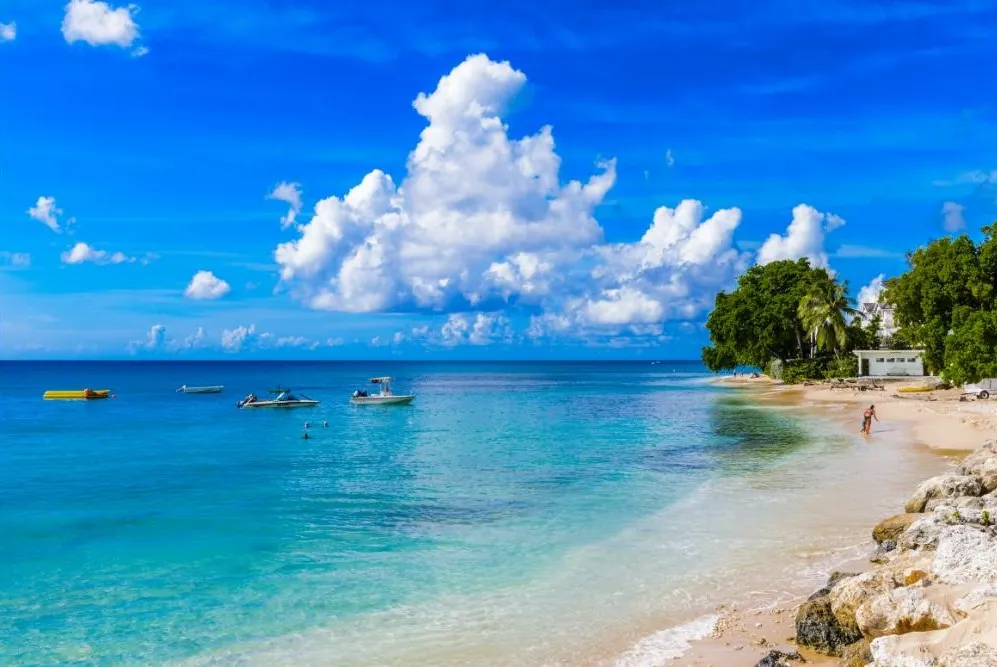
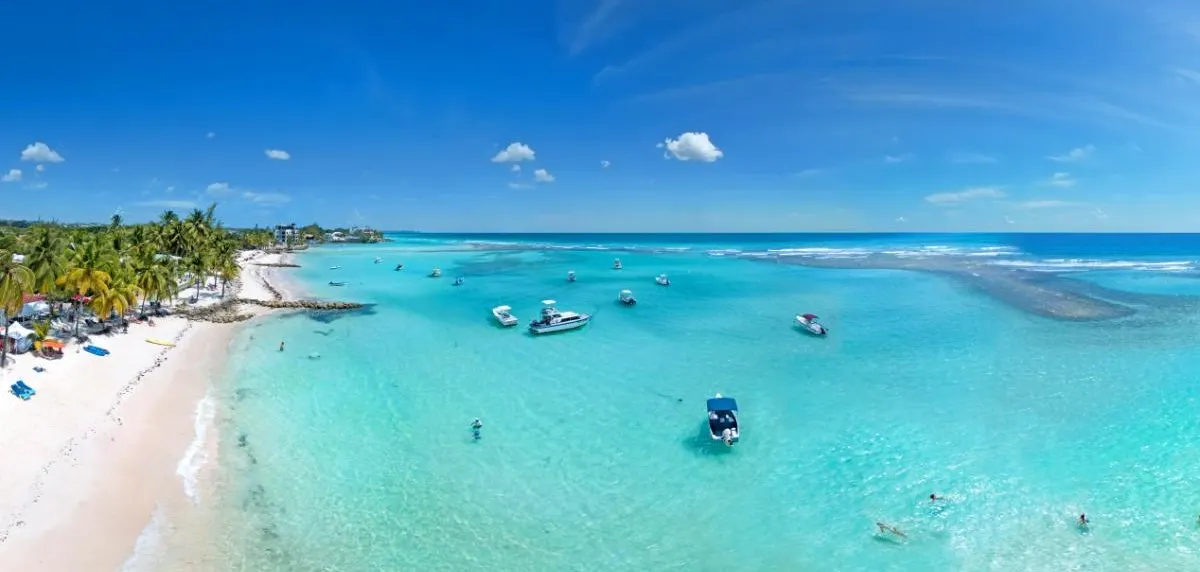
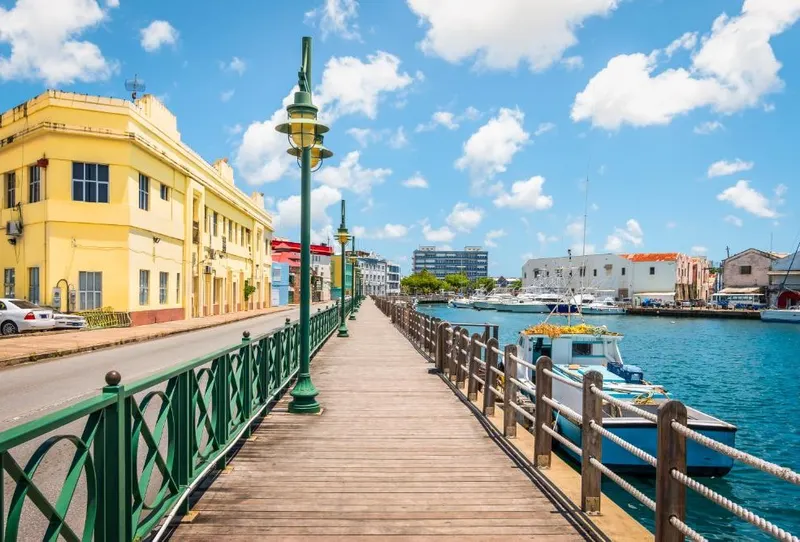
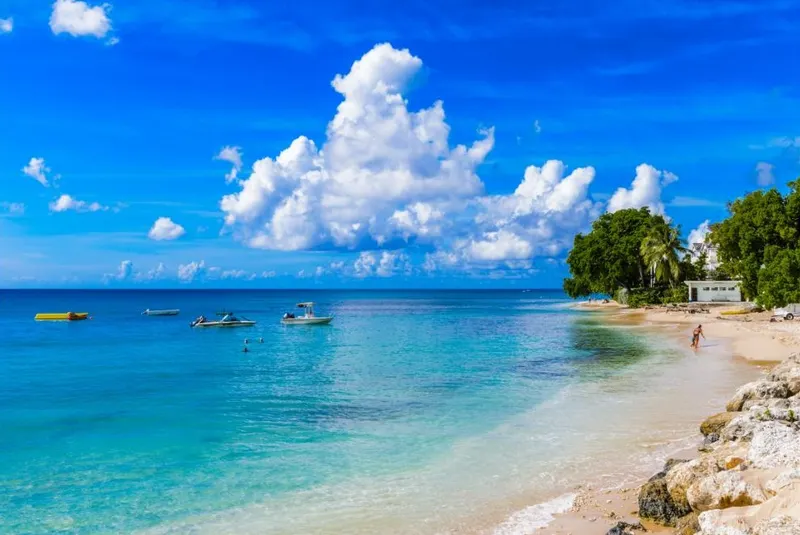
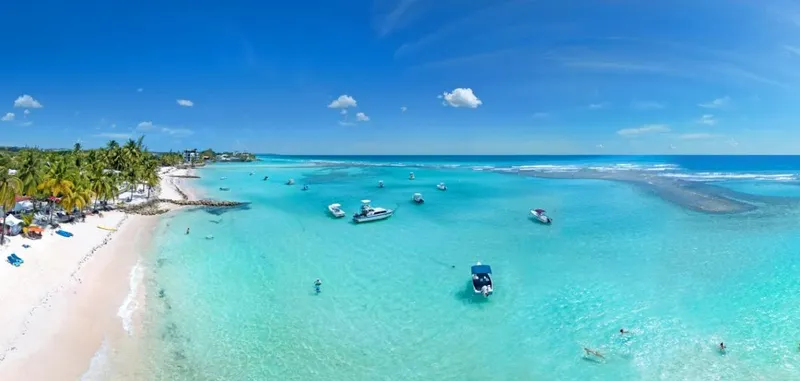
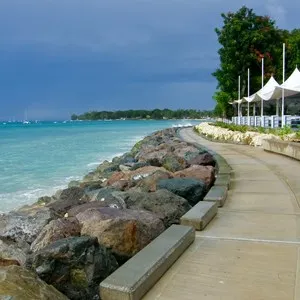
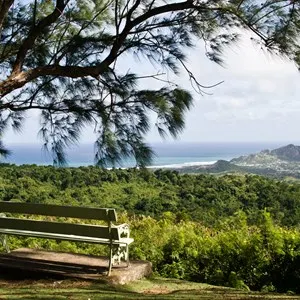
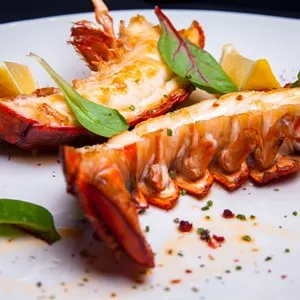
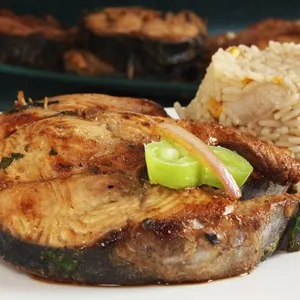
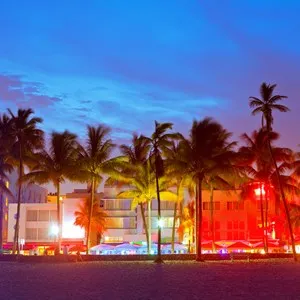
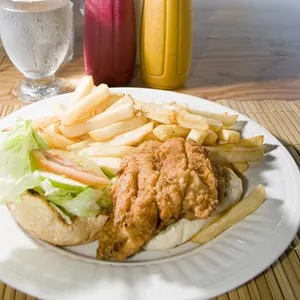
Formerly called “The Town of Saint Michael”, Bridgetown has kept its colonial charm and delights its visitors with cultural sights and recreational options alike. Bajans (as Barbadians are called) refer to it as “Town” and take pride in its fame as the birthplace of rum. As a former British colony (independent since 1966), sugar, rum and molasses belonged to the island’s export goods and play an important role in Bajan cuisine to-date. Bridgetown itself spreads out along the island’s south-western coast and is Barbados’ nightlife and dining hotspot. Try the famous fried flying fish, cou cou, fish cakes and other Bajan specialities – and do not forget the rum. With its 110,000 inhabitants, Bridgetown is home to nearly a third of the Bajan population and a popular destination for Caribbean cruises. You will find several marvellous beaches with endless possibilities – swimming, snorkelling, even shipwreck-diving. Plus, the island’s centre offers lush forests and fascinating flora and fauna. Since Barbados is only 432 square kilometres in size, you can explore the whole island while staying in Bridgetown – in your own rental car or by bus. Everything is reachable within 1 to 1,5 hours. Crop Over Festival – celebrated annually at the beginning of August – is a spectacle worth attending. In its 200-year-old tradition, colourful bands parade through the streets like a carnival. It is then when the open-minded, friendly Bajan culture can be witnessed and celebrated.
Useful information
110,000
1 Barbadian Dollar (BBD) = 100 cents
Ambulance: 511
Fire: 311
Police: 211
Do & See



Dining
Cafés

Bars & Nightlife


Shopping



Tourist Information








Frequently Asked Questions
The best time to visit Bridgetown is during the dry season, which runs from mid-December to mid-April. This period offers pleasant weather with lower humidity and minimal rainfall, making it ideal for beach activities and exploring the city. However, if you prefer fewer crowds and lower prices, consider visiting during the shoulder months of May and November.
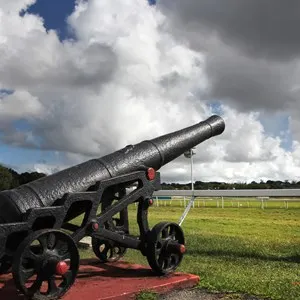
A stay of 3 to 5 days in Bridgetown is recommended to fully enjoy the city and its surroundings. This allows you to explore key attractions such as the historic Garrison Savannah, the vibrant local markets, and enjoy some beach time at nearby Carlisle Bay. You can also take day trips to other parts of the island, such as Bathsheba or the scenic East Coast.
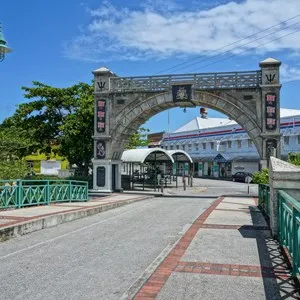
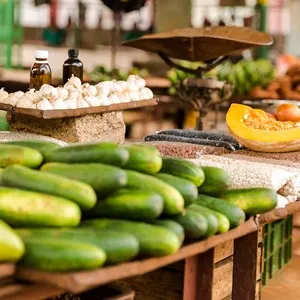
Bridgetown is rich in history and culture. Key attractions include: - The UNESCO World Heritage-listed Historic Bridgetown and its Garrison, showcasing colonial architecture. - The Barbados Museum & Historical Society, which offers insights into the island's past. - St. Michael's Cathedral, an impressive Anglican church. - The bustling Cheapside Market, perfect for local produce and crafts.
While in Bridgetown, be sure to sample traditional Barbadian dishes such as: - Cou-cou and flying fish, the national dish featuring cornmeal and fish. - Macaroni pie, a baked macaroni and cheese dish. - Fish cakes, deep-fried fritters made with salt fish. - Rum punch, a popular local cocktail made with rum, fruit juices, and spices.
Getting around Bridgetown is convenient with several options available: - Public buses are an affordable way to travel, with routes covering the city and surrounding areas. - ZR vans (shared minibuses) are a popular and quick way to navigate. - Taxis are readily available, but ensure to agree on a fare before starting your journey. - Renting a car is also an option if you prefer more independence.
Bridgetown hosts several vibrant festivals throughout the year. Notable events include: - Crop Over Festival, celebrated from June to August, featuring parades, music, and local crafts. - Oistins Fish Festival, held in April, celebrating local fishing culture with food, music, and competitions. - The Holetown Festival in February, commemorating the first settlement in Barbados with cultural performances and activities.
When visiting Bridgetown, it's important to respect local customs: - Greet locals with a friendly 'Good morning' or 'Good afternoon.' - Dress modestly when visiting churches or formal establishments. - Tipping is customary, typically around 10-15% in restaurants. - Be mindful of local wildlife, especially sea turtles and marine life, and follow guidelines to protect them.