Bristol Travel & Vacation Guide
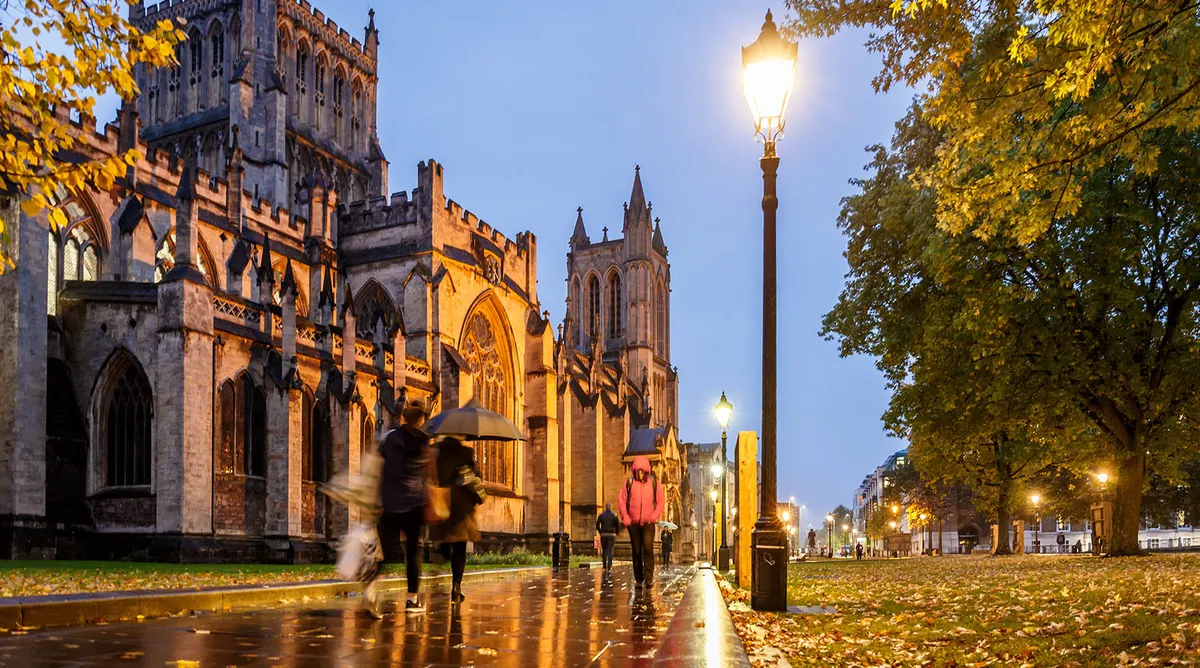
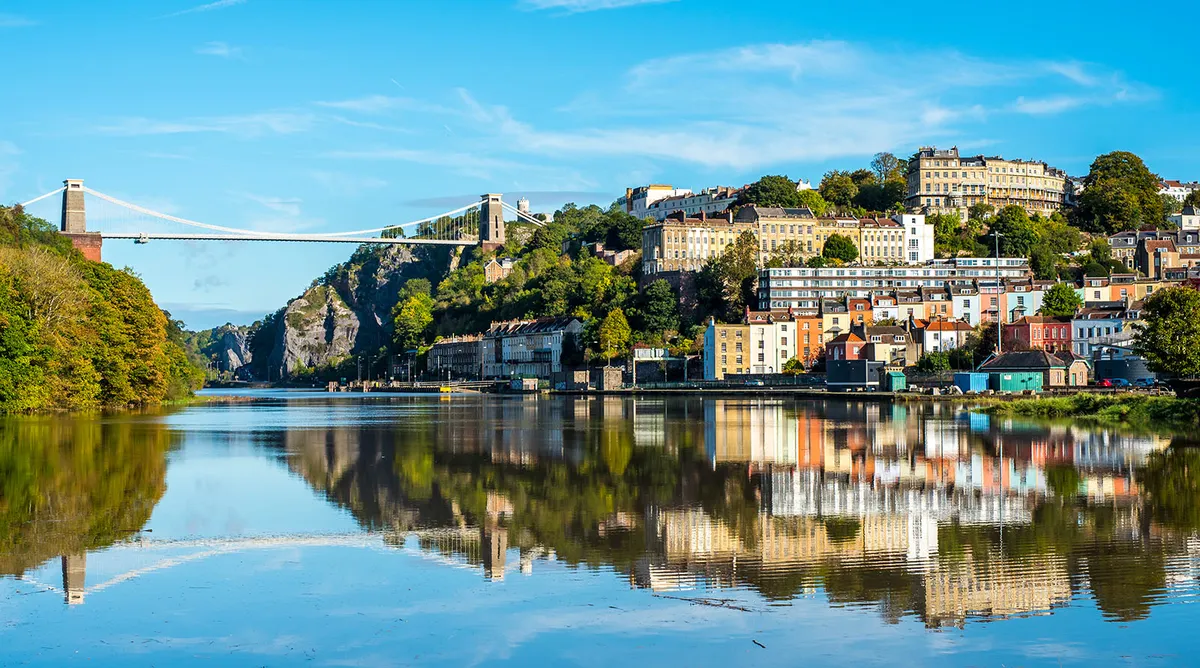


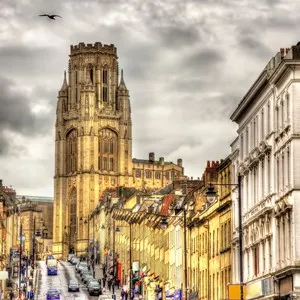
Bristol County is located in the South West of England and refers to the City and County of Bristol. It is an independent city that historically was part of the county of Gloucestershire but was granted county status on its own. The county is now primarily referred to as the City and County of Bristol, which includes the city of Bristol and its surrounding areas.
Current Weather

Description
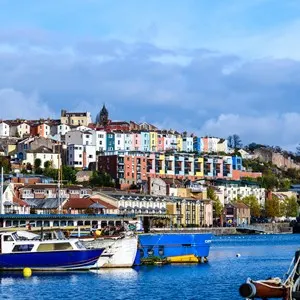
Central Bristol is happily compact enough to explore on foot – or, if you want to take your lead from the environment-minded locals, by bike. You won’t need to walk far before you stumble upon fascinating architecture, historic properties and amazing new attractions. Get a sense for the city’s past, present and future at museums including M Shed, Bristol Museum & Art Gallery and The Architecture Centre. Don’t miss Bristol Cathedral – a rare example of a city centre cathedral - and other major attractions such as The Red Lodge Museum and The Georgian House Museum. Make time for the Old City, too. Its atmospheric cobbled streets are now home to shops, cafes and bars that show-off contemporary Bristol’s cutting-edge creativity and entrepreneurial flair. With St Nicholas Market at its heart, it remains focused on trade – just as it has been since medieval times. And if you do decide to hire a bike, be sure to whizz off and explore some of the city’s colourful enclaves such as Southville, whose walls play host to graffiti festival Upfest, and St Pauls - famous for its spectacular Caribbean carnival.
Useful information
463,400
1 pound = 100 pence
Ambulance/ Fire/ Police: 999 (or 112)
Doctor/NHS 24: 111
Hospital/A&E: Bristol Royal Infirmary, Marlborough St, Bristol
Generally shops open around 9am and close between 5pm and 6pm.
Do & See





Dining






Cafés




Bars & Nightlife



Shopping


Tourist Information



Frequently Asked Questions
The best time to visit Bristol is during the late spring to early autumn months, specifically from May to September. During this period, the weather is generally mild and pleasant, making it ideal for outdoor activities and festivals. Notable events include the Bristol International Balloon Fiesta in August and various music festivals throughout the summer.
A stay of about 3 to 4 days in Bristol is recommended to fully experience the city’s highlights. This allows time to explore key attractions such as the Clifton Suspension Bridge, the SS Great Britain, and the vibrant Harbourside area, as well as enjoy local dining and nightlife.
Bristol is rich in attractions that cater to diverse interests. Key sites include: - The Clifton Suspension Bridge, an iconic symbol of the city. - The SS Great Britain, a historic ship turned museum. - Bristol Museum & Art Gallery, featuring art and natural history exhibits. - The vibrant street art scene, including works by Banksy. - The Harbourside, perfect for dining and leisure.
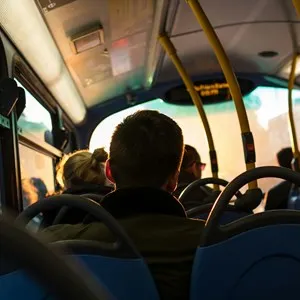
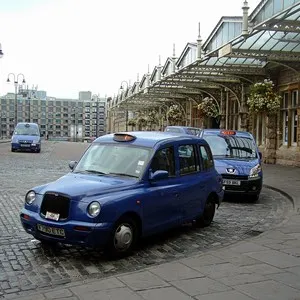
Bristol offers several convenient transportation options for getting around the city. You can use: - Buses: An extensive network connects various neighborhoods. - Bicycles: The city is bike-friendly with many rental options available. - Walking: Many attractions are within walking distance, especially in the city center. - Taxis and rideshare services are also widely available.
Yes, Bristol has a vibrant food scene with several local specialties to try. Don’t miss: - Bristol Cream: A sweet sherry that originated in the region. - Cider: The West Country is famous for its apple cider, especially during the apple harvest season. - The Bristolian breakfast: A hearty meal featuring local sausages and bacon.
Bristol hosts a variety of cultural events and festivals throughout the year. Notable ones include: - Bristol International Balloon Fiesta in August, featuring colorful hot air balloons. - Bristol Harbour Festival in July, celebrating maritime culture with music, food, and activities. - Upfest, Europe’s largest street art and graffiti festival, typically held in July.
Bristol is generally a safe city for travelers, but it's wise to take standard safety precautions. Consider the following tips: - Stay aware of your surroundings, especially in crowded areas. - Keep your belongings secure and avoid displaying valuables. - Use well-lit streets at night and stick to populated areas. - Familiarize yourself with local emergency numbers, such as 999 for police, fire, and ambulance.