Cairo Travel & Vacation Guide
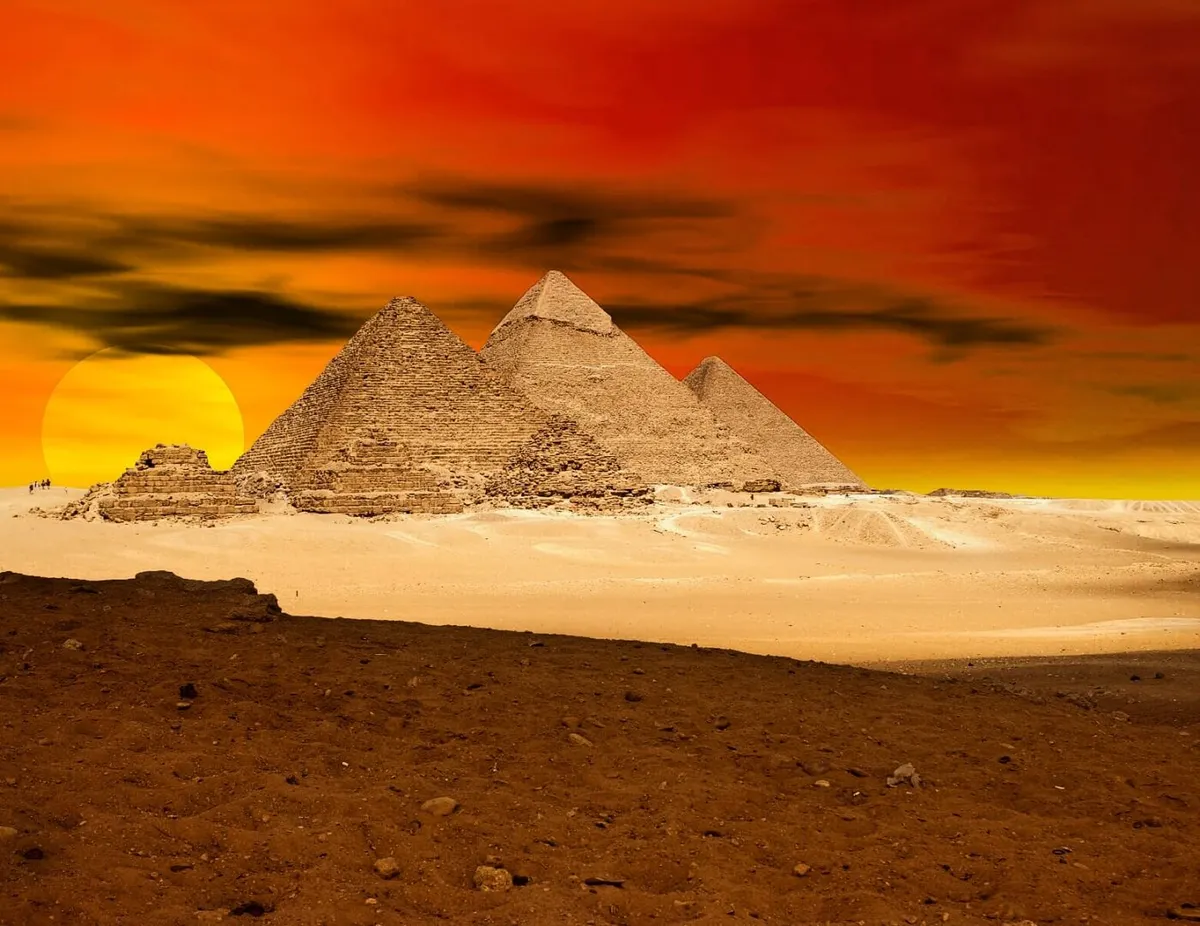
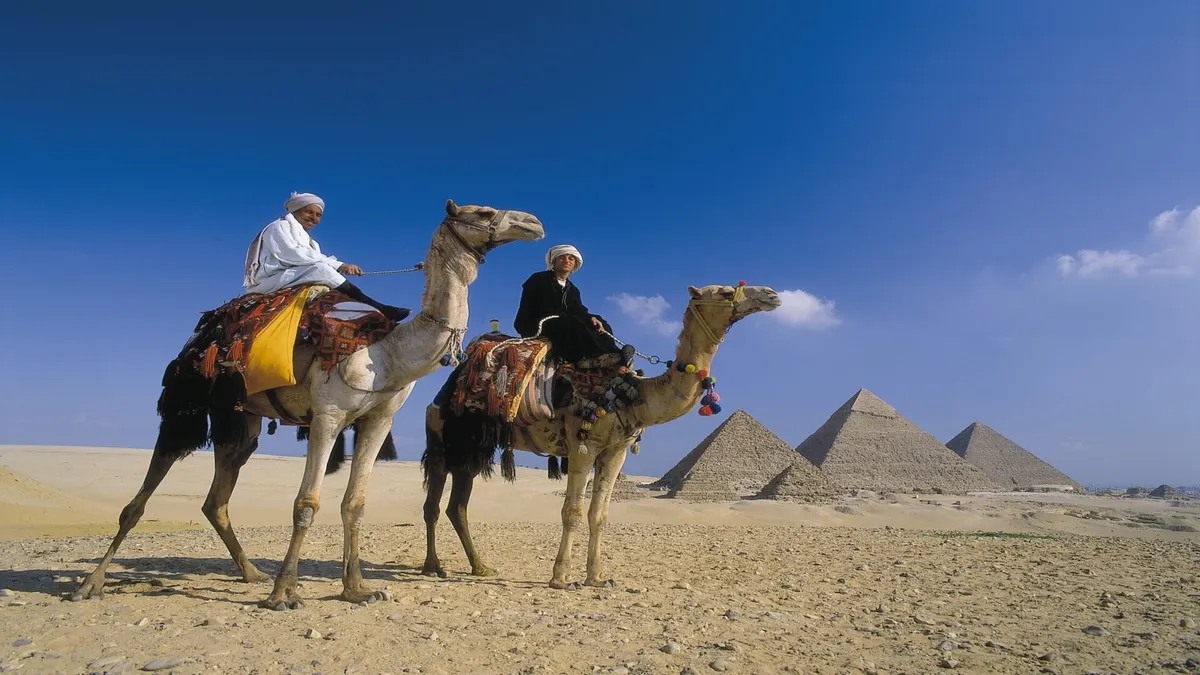
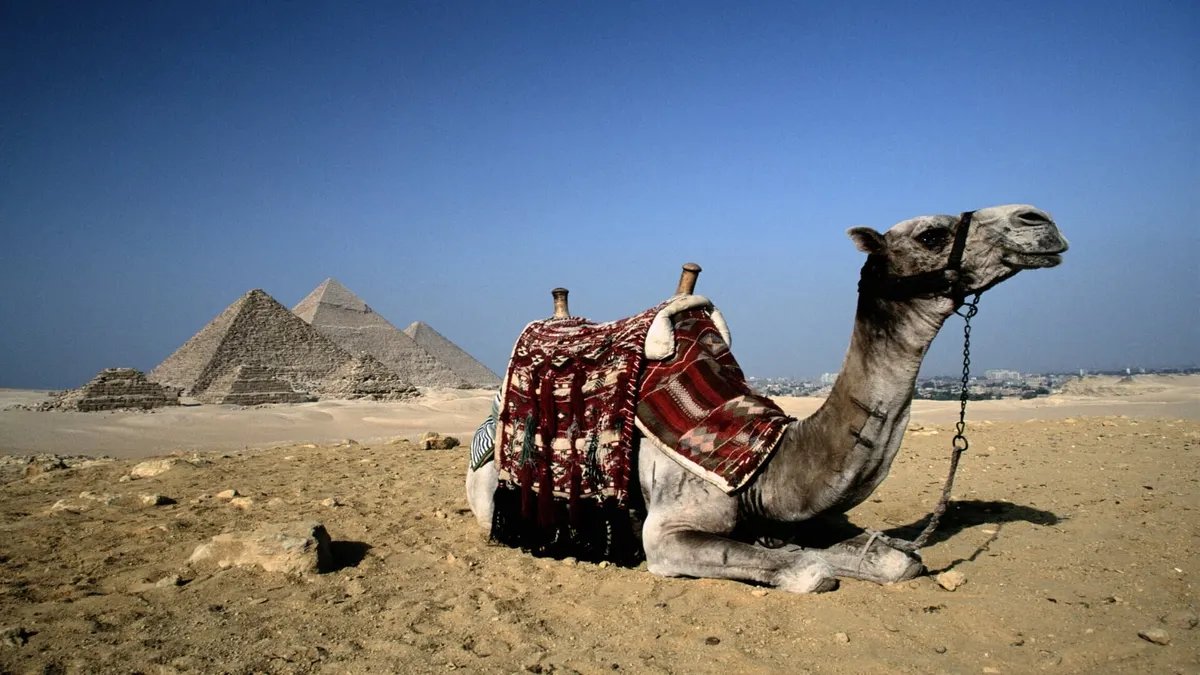
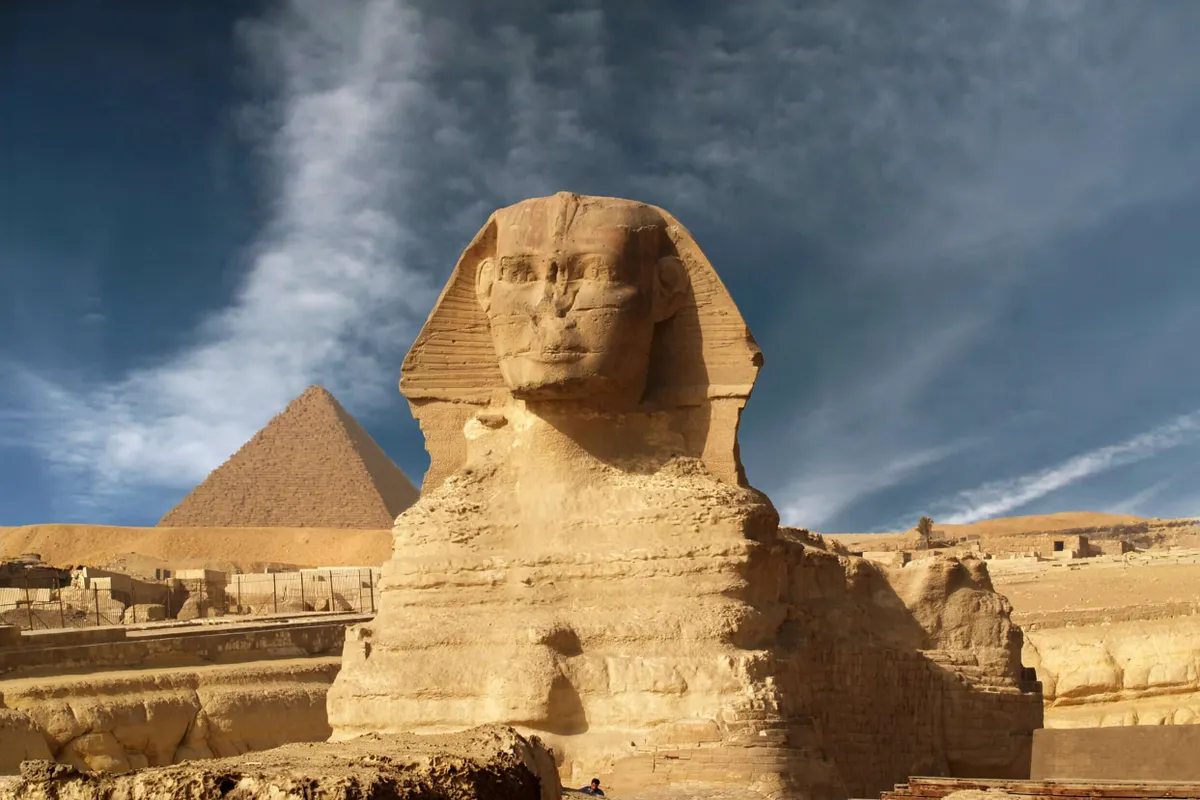
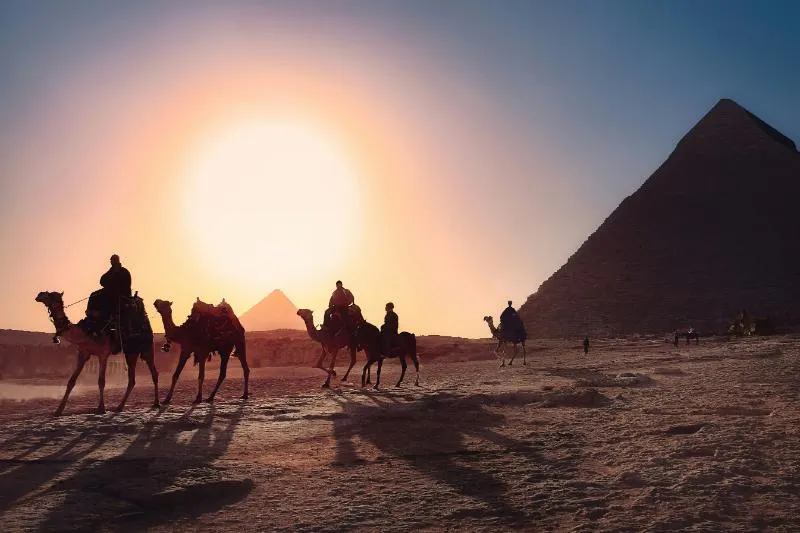
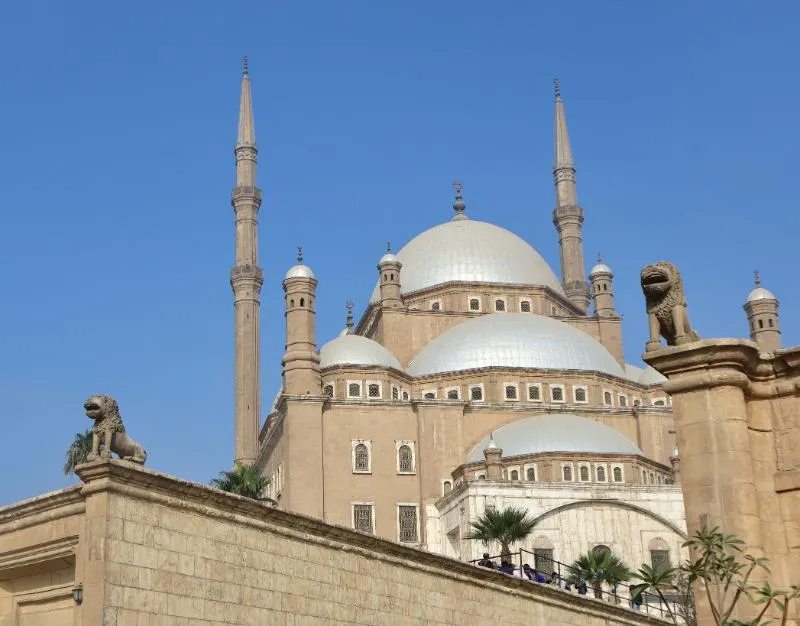
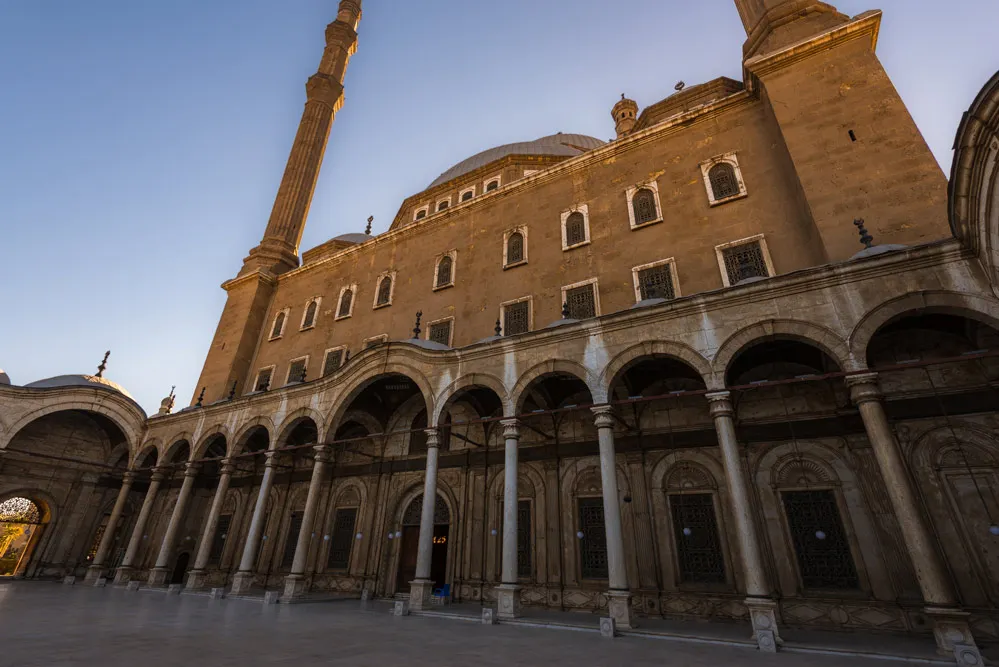
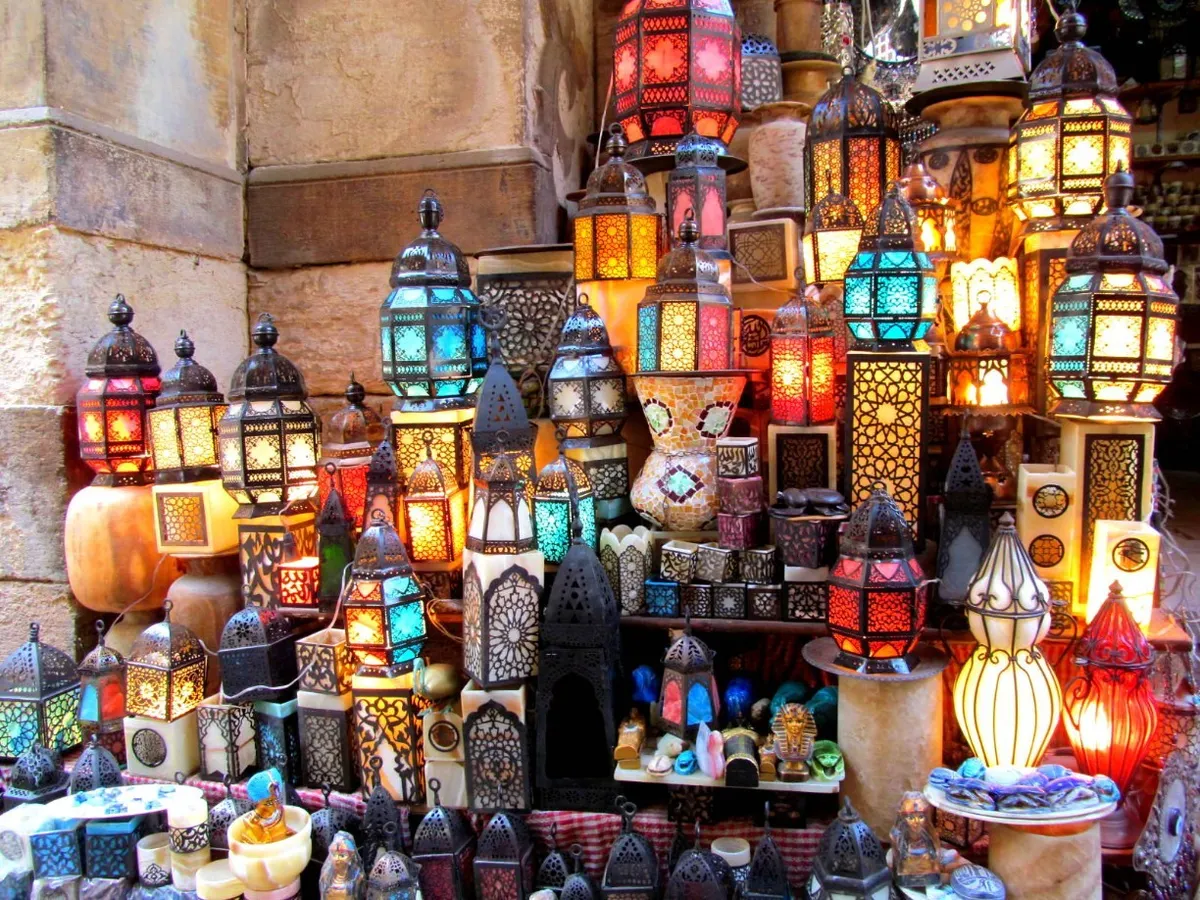
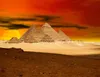
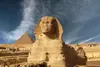



Cairo is Egypt’s vibrant capital, where ancient civilization and modern energy coexist along the Nile. Grand mosques, Coptic churches, and historic palaces define a city layered with millennia of history, while contemporary neighborhoods offer fine dining, galleries, and luxury hotels. Cairo provides unrivaled access to world-class museums, bazaars, and cultural landmarks, serving as the country’s primary gateway. From sunset felucca sails to curated archaeological tours, the city offers experiences that blend depth with sophistication. Cairo appeals to travelers seeking immersion, scale, and cultural richness, delivering a dynamic introduction to Egypt’s past and present in one endlessly fascinating metropolis.
Current Weather

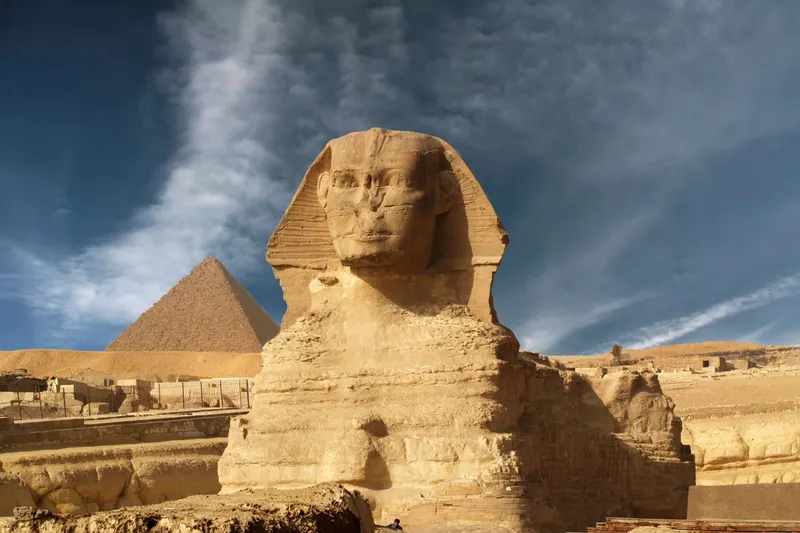
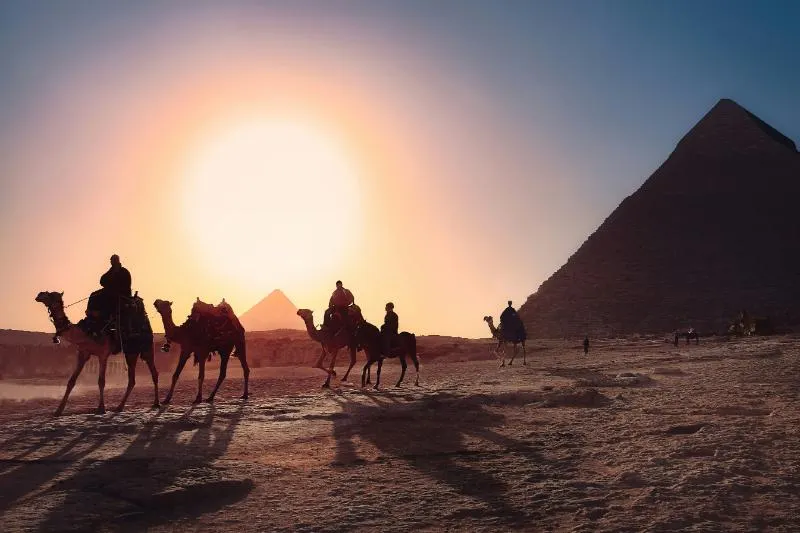
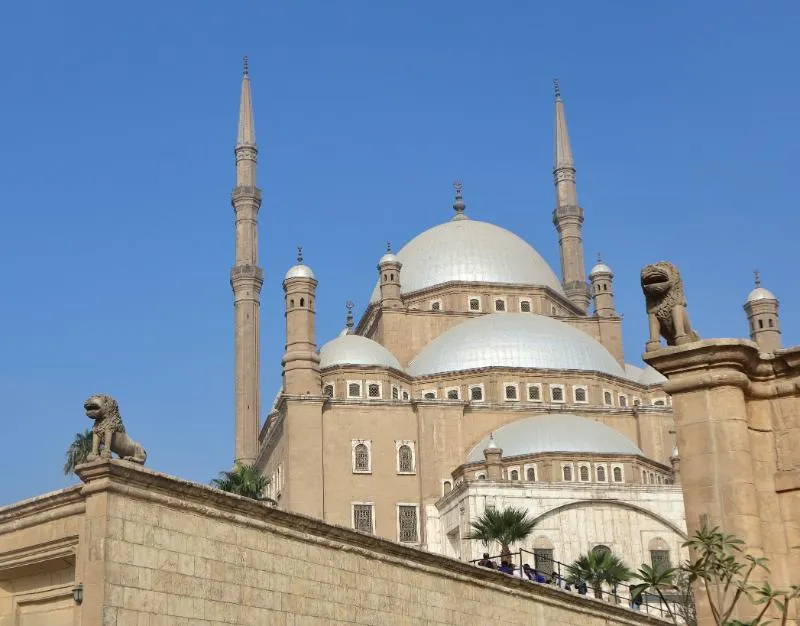
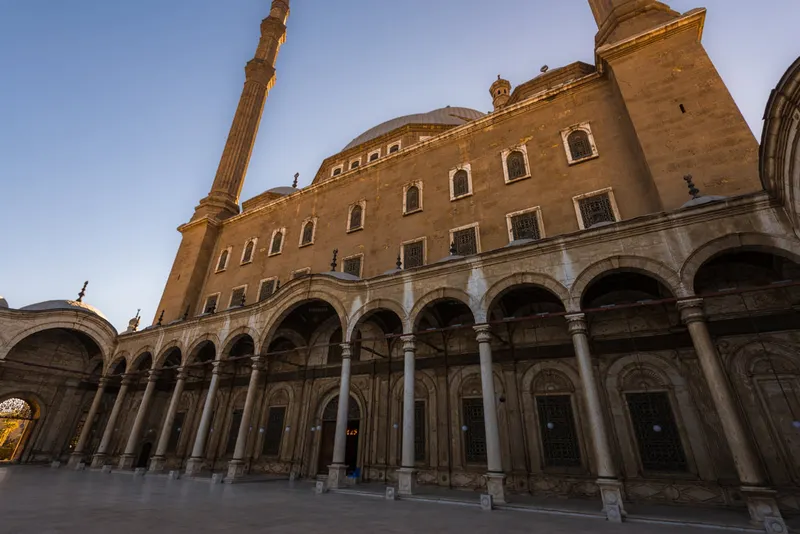
Description
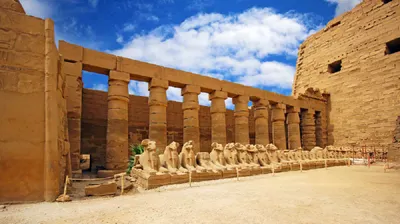
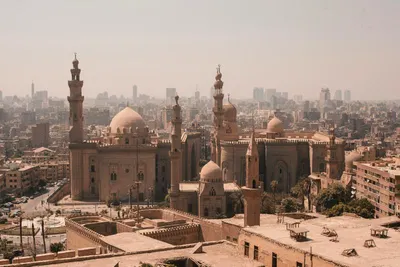
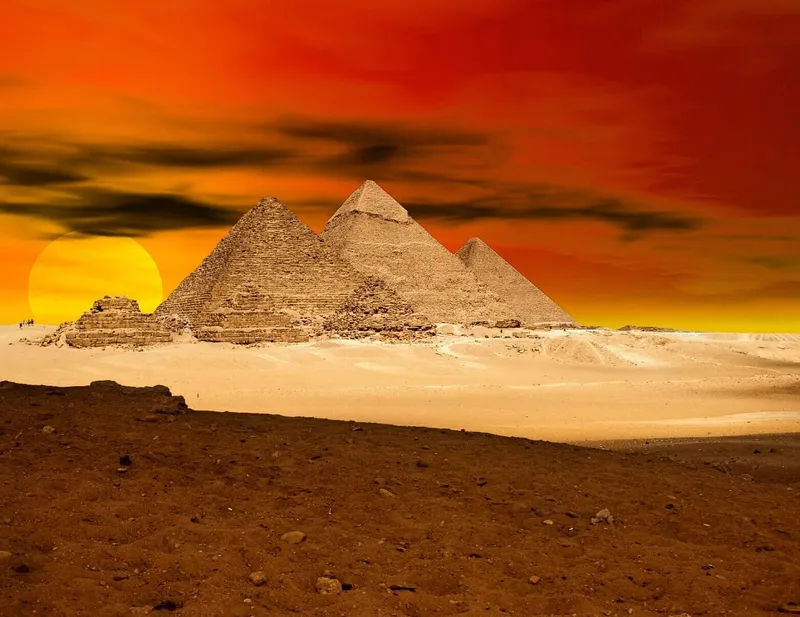
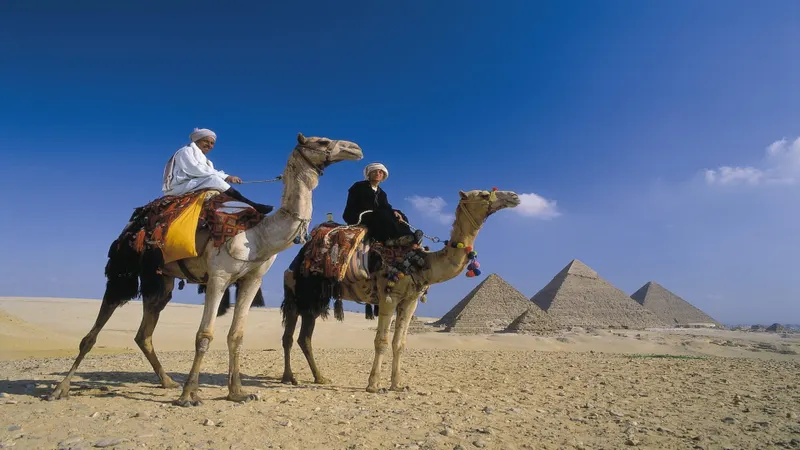
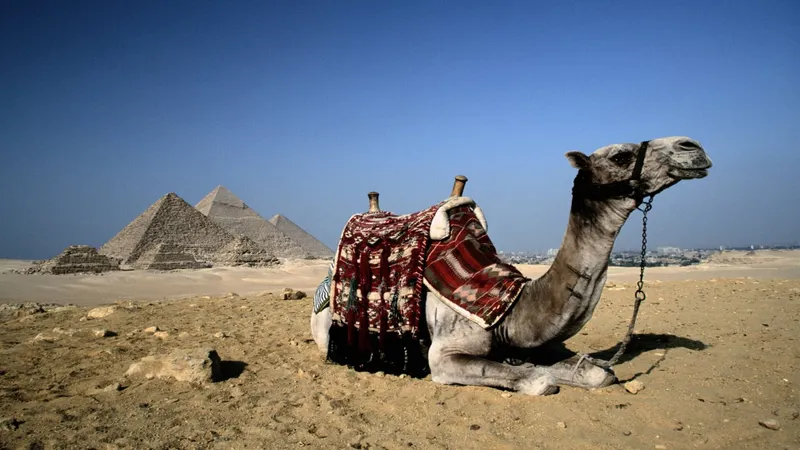
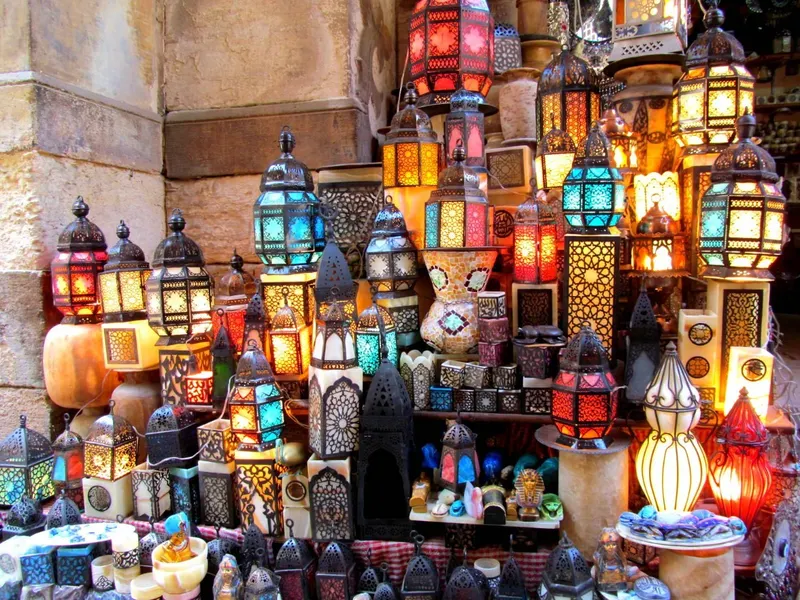
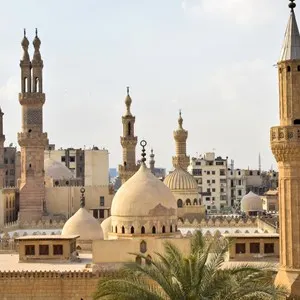
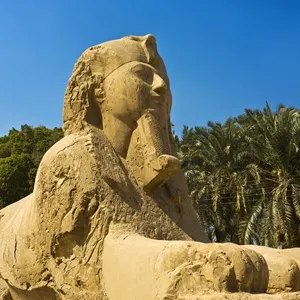
Cairo’s history runs deep — not just in centuries, but in layers. The city grew out of ancient settlements like Memphis and Fustat, expanded under Islamic dynasties, and evolved into the sprawling capital we see today. It’s a place where Pharaonic, Christian, Islamic, and colonial histories overlap — sometimes on the very same street. While the Pyramids steal the spotlight, the real story of Cairo lives in its older quarters: the mosques of Islamic Cairo, the churches of Coptic Cairo, and the fading synagogues that hint at a once-diverse population. These aren’t just relics — many are still in use, woven into the rhythms of daily life. Cairo can feel overwhelming — loud, crowded, intense — but that energy is part of its identity. It’s a city in motion, constantly shifting, yet still marked by every era it’s lived through.
Useful information
Metro area: 23 million (2025)
Egyptian Pound (EGP, E£)
Police: 122
Fire Service: 180
Ambulance: 123
Tourist Police: 126
Do & See


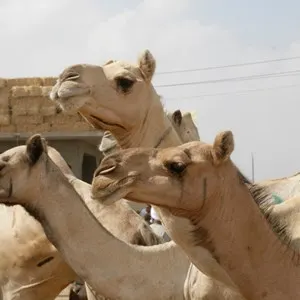

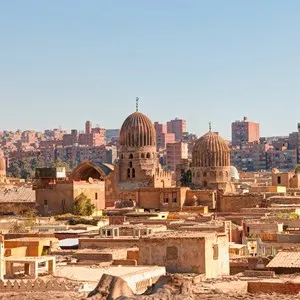
Dining
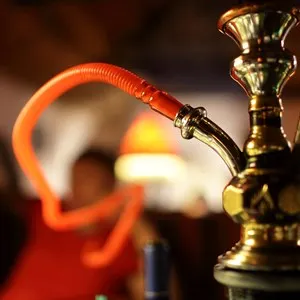



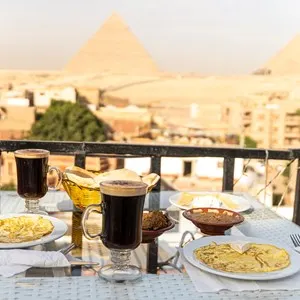

Cafés





Bars & Nightlife



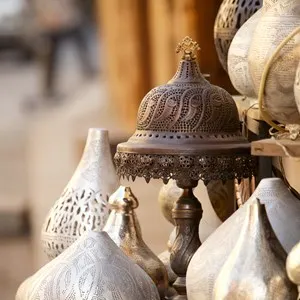
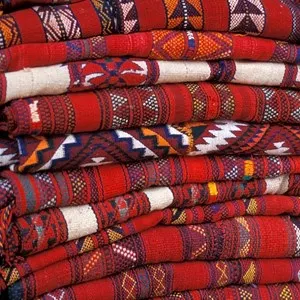
Shopping




Tourist Information





Frequently Asked Questions
The ideal time to visit Cairo is from October to April when temperatures are cooler and more comfortable for exploring. During these months, daytime temperatures typically range from the mid-60s to mid-80s Fahrenheit. Avoid visiting in the summer, as temperatures can soar above 100°F, making outdoor activities challenging.
A stay of 4 to 5 days in Cairo is recommended to fully experience the city's rich history and culture. This allows time to visit the iconic pyramids of Giza, explore the Egyptian Museum, wander through the historic Islamic Cairo, and enjoy a cruise on the Nile. If you plan to take day trips to nearby attractions like Saqqara or Alexandria, consider extending your stay.
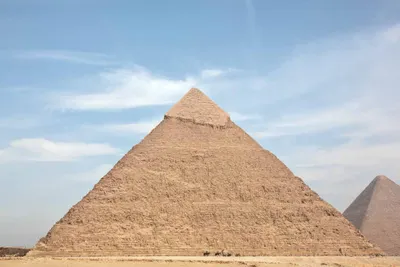
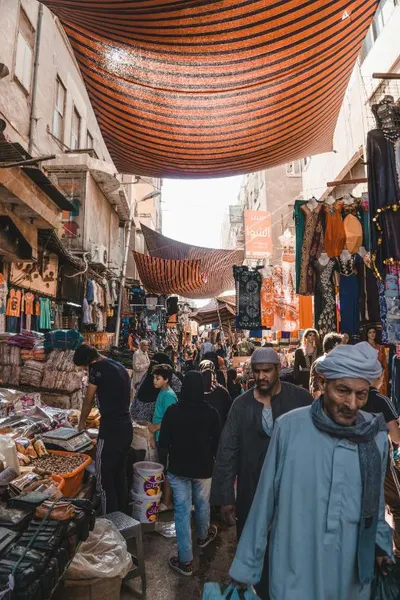
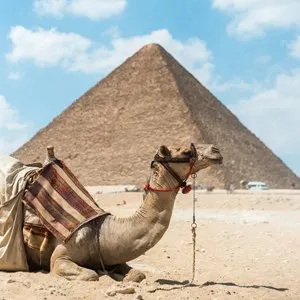
Cairo is home to several must-see attractions, including: - The Great Pyramids of Giza and the Sphinx - The Egyptian Museum, which houses ancient artifacts - The Citadel of Saladin and the Mosque of Muhammad Ali - The bustling Khan El Khalili bazaar for shopping and local food - Coptic Cairo, where you can visit ancient churches and the Ben Ezra Synagogue.
The best ways to get around Cairo include using taxis, ride-sharing apps like Uber, or the metro system. The Cairo Metro is efficient and affordable, connecting key areas of the city. However, traffic can be heavy, so plan your travel times accordingly. For a more local experience, consider taking a felucca (traditional wooden boat) ride on the Nile.
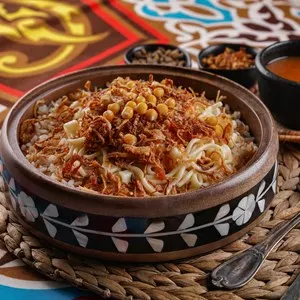
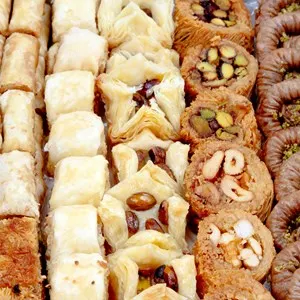
When in Cairo, be sure to try local dishes such as: - Koshari, a flavorful mix of rice, lentils, and pasta topped with tomato sauce - Ful medames, a hearty fava bean dish typically eaten for breakfast - Ta'ameya, Egyptian falafel made with fava beans - Molokhia, a green soup made from jute leaves - Baklava for dessert, a sweet pastry filled with nuts and honey.
Yes, it's important to respect local customs in Cairo. Dress modestly, especially when visiting religious sites; women should cover their shoulders and knees. Greet locals with a smile and a polite 'Salam' (hello). During Ramadan, be mindful of fasting practices; avoid eating or drinking in public during daylight hours. Tipping is customary in restaurants and for services.
Travelers to Cairo should stay hydrated and drink bottled water, as tap water may not be safe. It's also advisable to have travel insurance that covers health issues. Vaccinations for hepatitis A, hepatitis B, and typhoid are recommended. Always consult a healthcare provider for the latest health advice before your trip.
Trips