Cape Cod Travel & Vacation Guide













Current Weather





Description
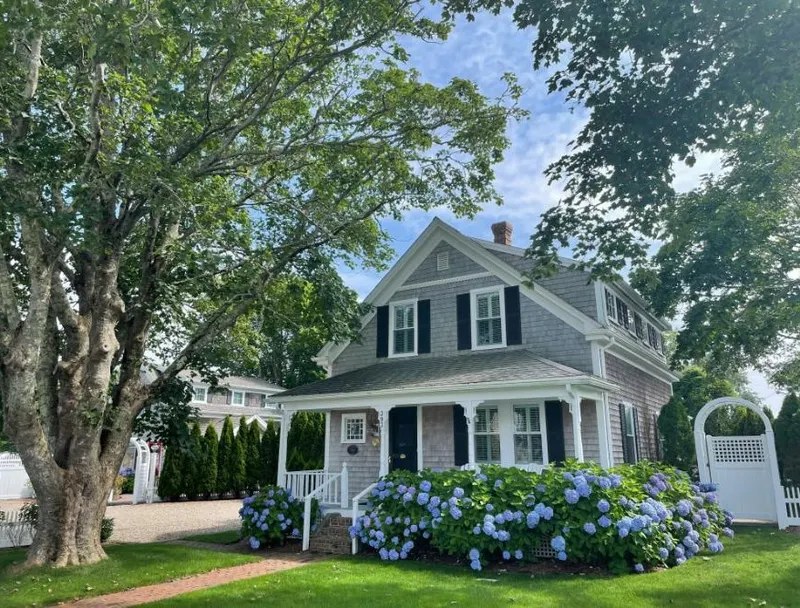
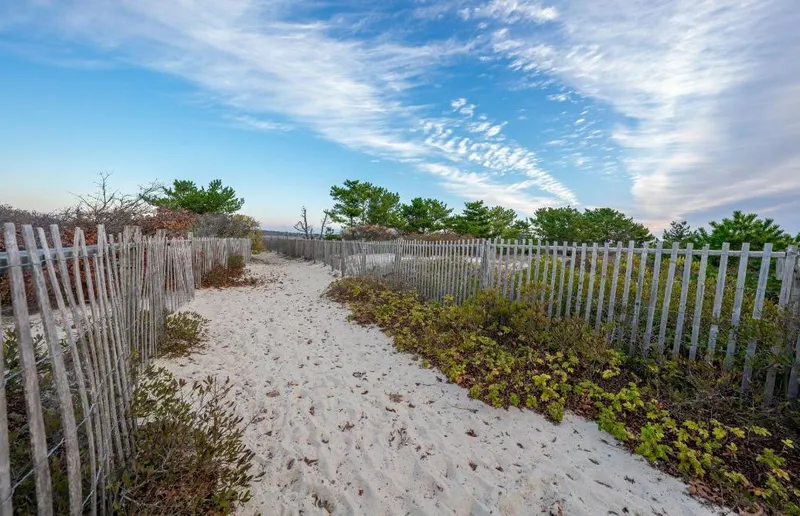
Yarmouth, Massachusetts, takes its name from the English town of Great Yarmouth in the County of Norfolk in England. It was once part of the Plymouth Colony, an English colony which existed from 1620 to 1691 and was one of the first English colonies established primarily for religious reasons rather than economic ones. The individuals who settled the Plymouth Colony were known as Pilgrims, and their famed voyage on the Mayflower and landing at Plymouth has become an integral part of American lore. Prior to its occupation by American settlers, the area was heavily populated by tribes of the Wampanoag. By many accounts, early dealings between the settlers and the native inhabitants were peaceful and spawned the traditional Thanksgiving holiday that is celebrated in the United States to this day. In the late 17th century, the relationship between the Wampanoag and English settlers became tenuous and led to wars between the two groups that would shape the colony's future population. Established in 1639, Barnstable County incorporated the town of Yarmouth, which initially thrived as a farming community focused on sheep, cattle, and pigs. By the late 1800s, Yarmouth captains began to ferry merchants across the Atlantic, participating in the China Trade. Many of these captains later settled in Yarmouth, where they spent their time ashore. The economic climate and the landscape of Yarmouth once again underwent a transformation in the late 1800s when developers began to look for ways to capitalize on the beauty of the Cape in an effort to draw tourists to the area. Throughout the late 19th and early 20th centuries, a number of hotels and vacation homes were constructed in Yarmouth, followed by a proliferation of residential development. The tripartite town of Yarmouth is located just 30 minutes from Plymouth and 75 miles from Boston. While commercial development is mostly concentrated along Route 28 in West and South Yarmouth, you can get a glimpse of the town’s early history by traveling along Old King’s Highway in Yarmouth Port, home to many historic buildings, including the former residences of ship captains. Yarmouth blends its rich history with modern amenities, creating a unique charm within Cape Cod. The town has carefully preserved its natural beauty and historic sites — stretching from Cape Cod Bay to Nantucket Sound — while offering modern comforts. Visitors and residents enjoy Yarmouth’s pristine beaches, scenic forests for hiking, and a variety of shops, restaurants, and attractions. It's no surprise that many choose to make Yarmouth their second home in this historic yet lively part of the Cape.
Useful information
Around 25,000
U. S. Dollars $1 = 100 cents
911
Standard operating hours are between 10am and 9pm Mondays through Saturday, and 11am to 7pm on Sundays.
Do & See








Dining






Cafes






Bars & Nightlife





Shopping






Tourist Information







Frequently Asked Questions
The best time to visit Cape Cod is from late spring to early fall, particularly between June and September. During these months, the weather is warm and ideal for enjoying the beaches, outdoor activities, and seasonal events. However, visiting in the shoulder seasons of late spring (May) and early fall (October) can offer fewer crowds and lower accommodation prices.
A stay of 3 to 5 days is recommended to fully experience Cape Cod. This allows time to explore its charming towns, relax on the beaches, visit historical sites, and enjoy outdoor activities like biking and whale watching. If you wish to explore the nearby islands of Martha's Vineyard or Nantucket, consider extending your stay by a couple of days.
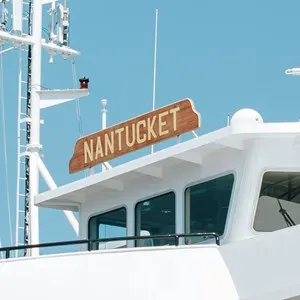
Cape Cod boasts several must-see attractions, including the Cape Cod National Seashore, with its pristine beaches and scenic trails. Visit Provincetown for its vibrant arts scene and historic Pilgrim Monument. Don't miss the charming villages of Chatham and Falmouth, and take a ferry to the nearby islands of Martha's Vineyard or Nantucket for a day trip.
The best way to get around Cape Cod is by car, as it provides the flexibility to explore the region at your own pace. Alternatively, you can use the Cape Cod Regional Transit Authority's bus services, which connect major towns and attractions. Biking is also popular, especially on the Cape Cod Rail Trail, which offers a scenic route through the area.
When visiting Cape Cod, be sure to try the local seafood, which is a highlight of the region. Enjoy fresh lobster rolls, clam chowder, and oysters. Don't miss trying the fried clams and scallops, and for dessert, indulge in a slice of cranberry pie, a nod to the area's cranberry bogs.
Cape Cod hosts several unique festivals and events throughout the year. The Provincetown International Film Festival in June celebrates independent films. In September, the Harwich Cranberry Arts & Music Festival showcases local arts and crafts. The Wellfleet OysterFest in October is a must for seafood lovers, featuring fresh oysters and live entertainment.
Cape Cod offers a variety of outdoor activities. Enjoy swimming and sunbathing on its beautiful beaches, or explore the Cape Cod National Seashore's hiking and biking trails. Whale watching tours from Provincetown are a popular activity, as well as kayaking in the calm waters of Cape Cod Bay. Golf enthusiasts can enjoy several scenic courses throughout the region.