Casablanca Travel & Vacation Guide


Current Weather

Description
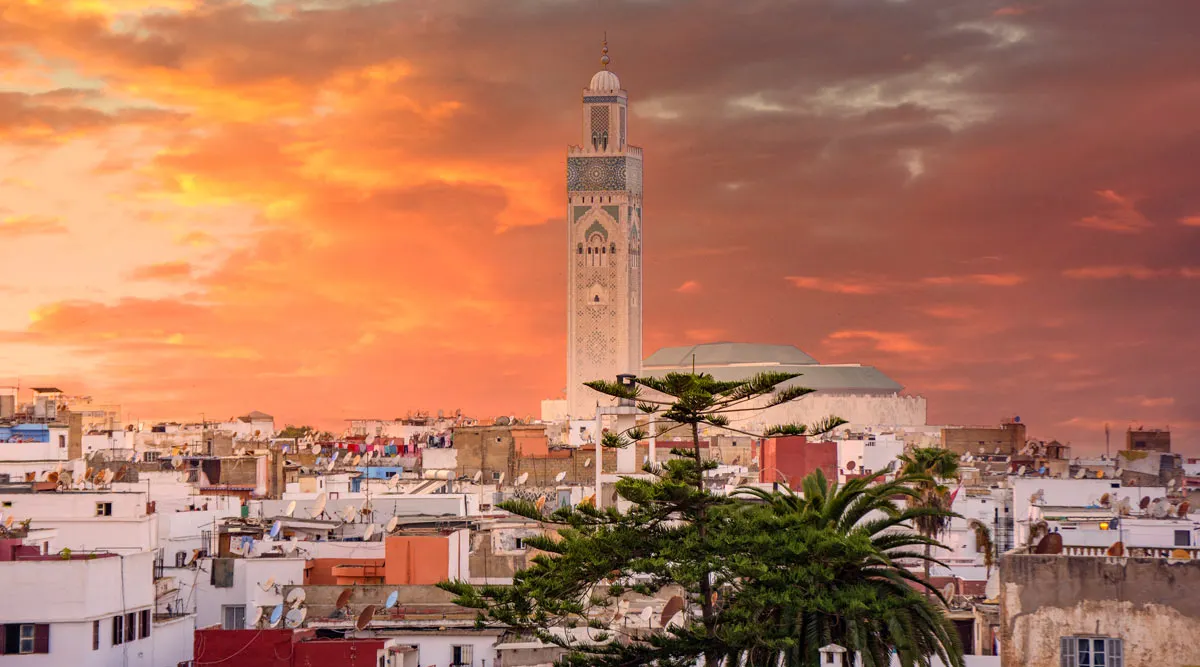
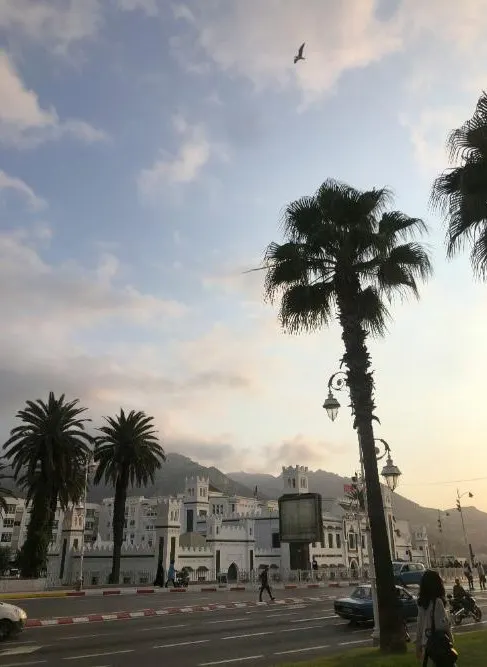
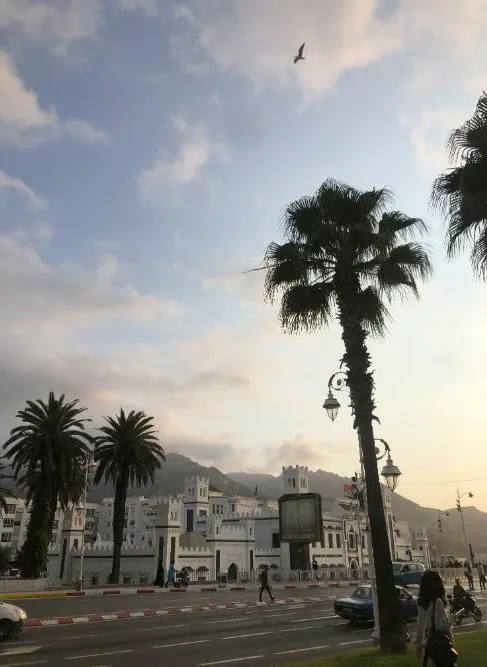
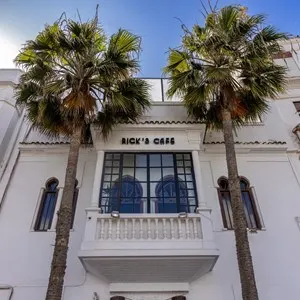
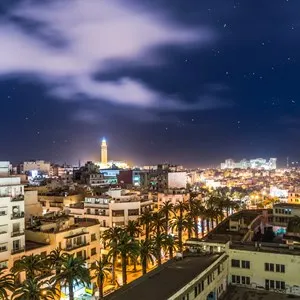
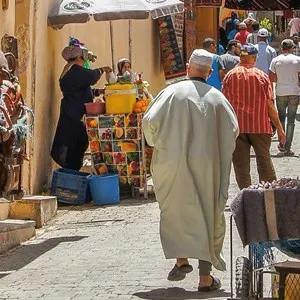
Infused with a sense of romantic allure by the iconic 1942 film starring Humphrey Bogart and Ingrid Bergman, Casablanca might not be Morocco's political capital (that title goes to Rabat), but it unquestionably reigns as the nation's economic and cultural heartbeat. While Rabat holds the formal title, Casablanca excels in areas that matter on a day-to-day basis: commerce, industry, and shipping. This bustling activity lends the city a distinctly contemporary aura. Nowhere is this more evident than along Boulevard Brahim Roudani, where sleek business centres give way to upscale restaurants and diverse cultural spaces. These modern enclaves provide a sharp contrast to the Old Town's narrow lanes and the vibrant souks, set against a backdrop of aging, colonial-era buildings. Known locally as Casa or Dar El Beïda in Arabic, Casablanca boasts a rich and complex history. Its story took a dramatic turn during the 15th-century Portuguese occupation, aimed at suppressing piracy through the strategic use of the port. However, the devastating earthquake of 1755 lessened Portuguese interest, paving the way for a rebirth under the Moroccan leader Sidi Mohammed III. This layered history adds yet another dimension to a city that constantly straddles the old and the new.
Useful information
4 million (2025)
Moroccan dirham (MAD)
Police: 19
Ambulance/Fire: 15
Do & See



Dining






Cafés



Bars & Nightlife



Shopping



Tourist Information

Frequently Asked Questions
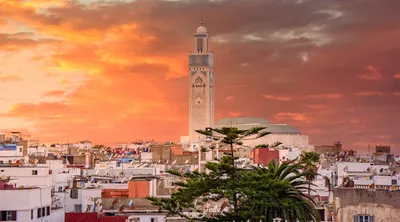
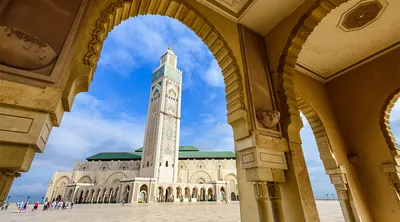
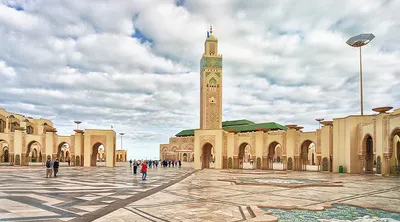
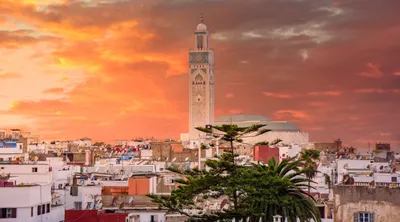
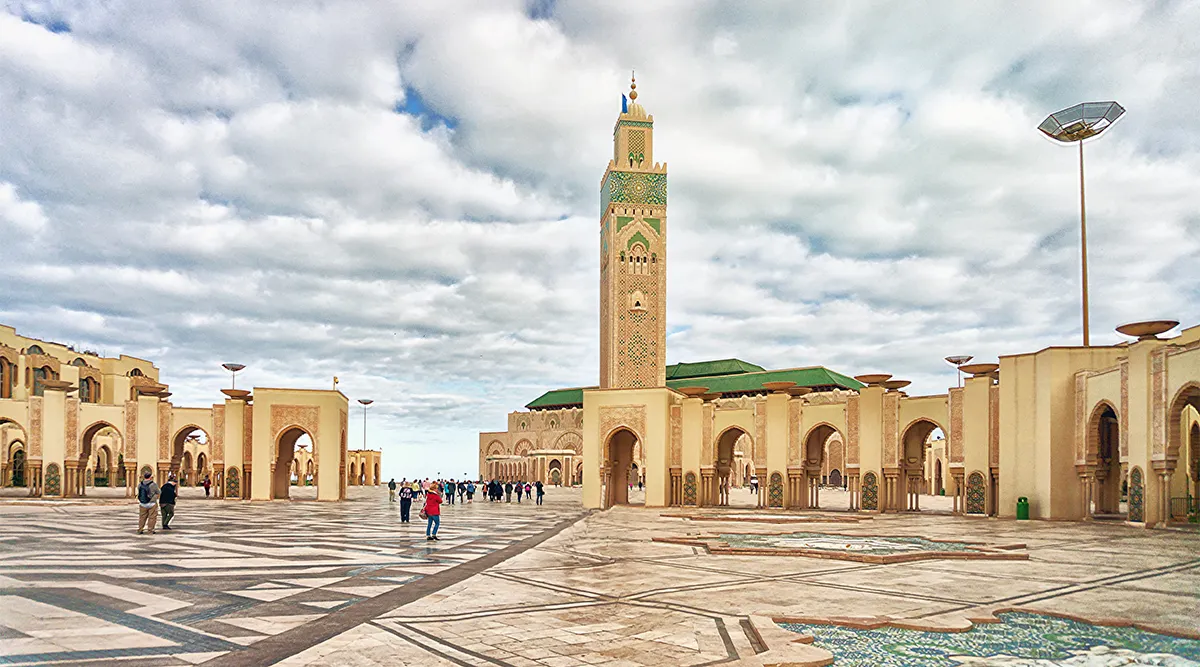
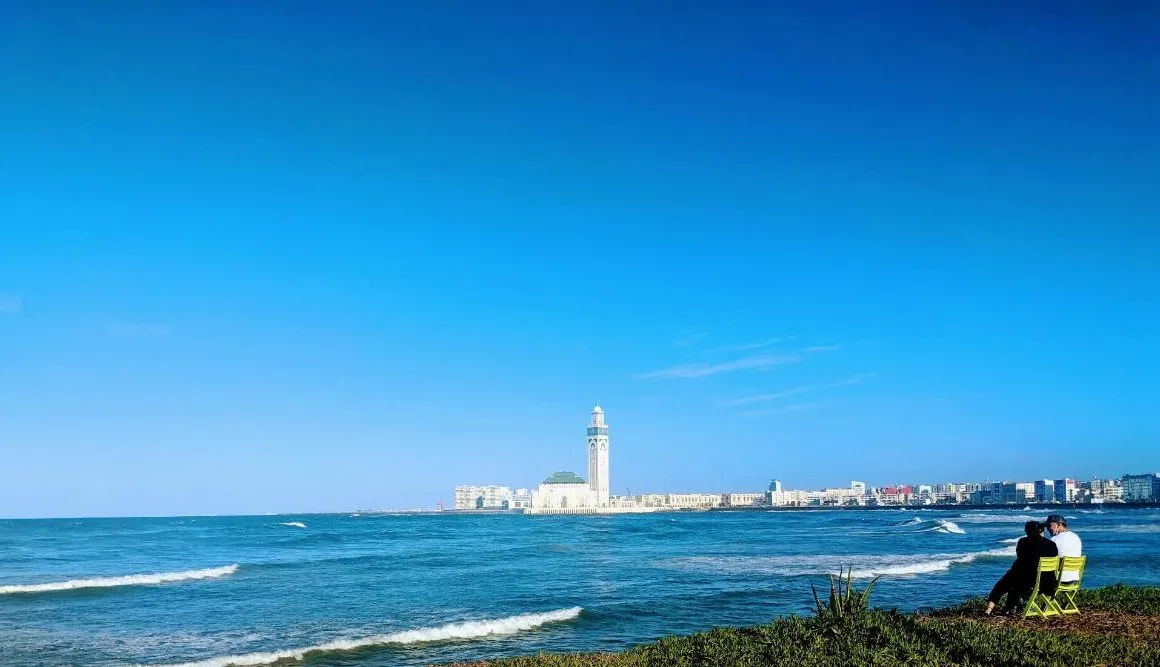
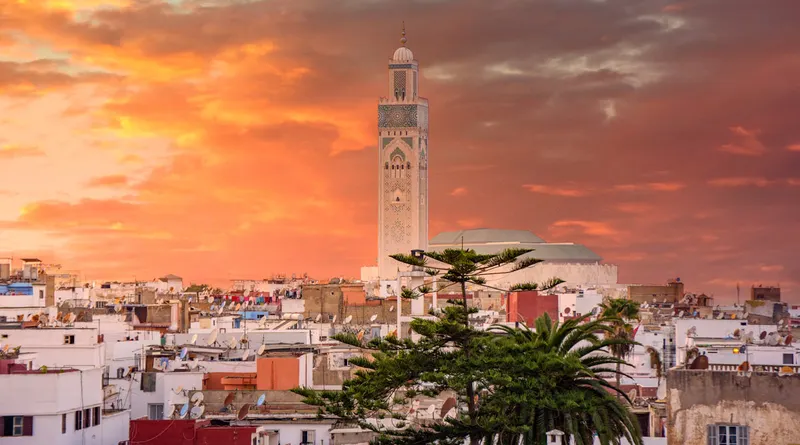
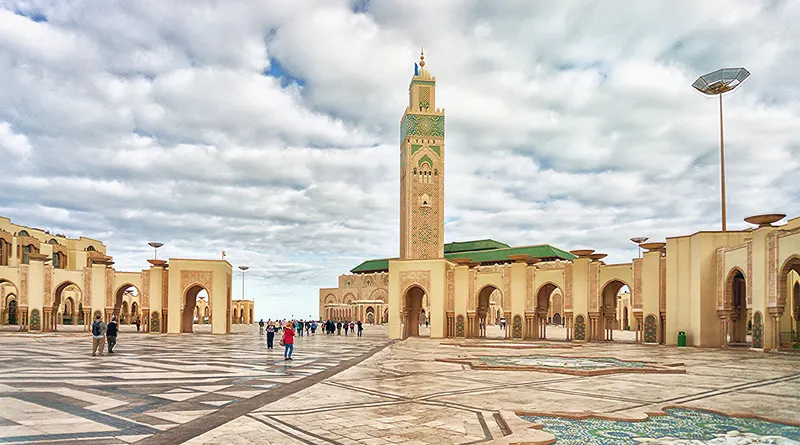
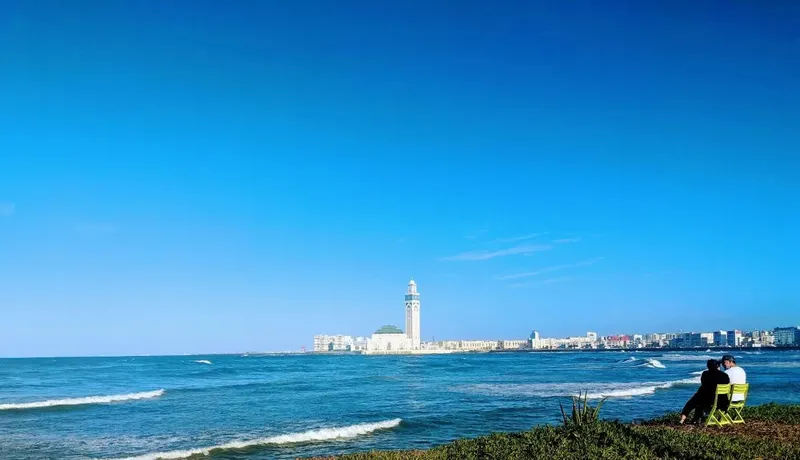
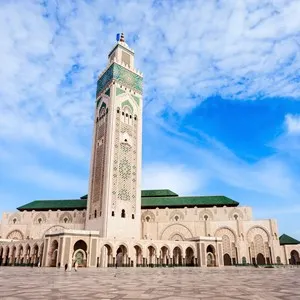
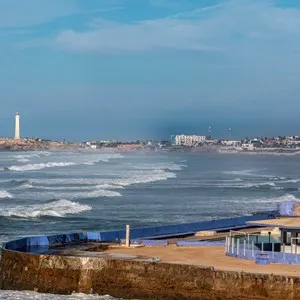
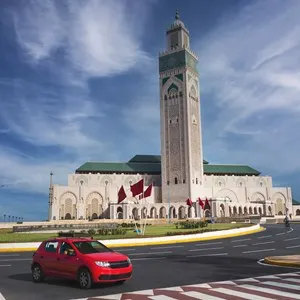
Casablanca is home to several iconic attractions. The Hassan II Mosque, one of the largest mosques in the world, is a must-visit for its stunning architecture and oceanfront location. The Art Deco buildings in the city center, including the Cinema Rialto, offer a glimpse into the city's colonial past. Don't miss the vibrant Central Market for a taste of local life and the Corniche for a scenic coastal walk.
A stay of two to three days in Casablanca is ideal to explore the main attractions and soak in the city's unique atmosphere. This timeframe allows you to visit key sites like the Hassan II Mosque, explore the Old Medina, and enjoy the dining and shopping options at Morocco Mall and Anfa Place.
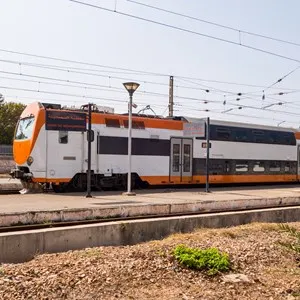
Casablanca has a well-developed public transportation system, including trams and buses, making it easy to navigate the city. Taxis are also widely available and affordable, but it's advisable to agree on a fare before starting your journey. For a more personalized experience, consider hiring a private driver through Keytours Vacations.
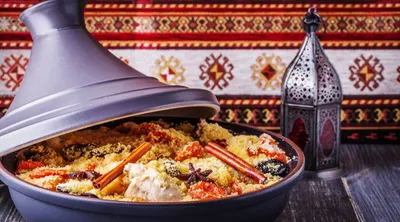
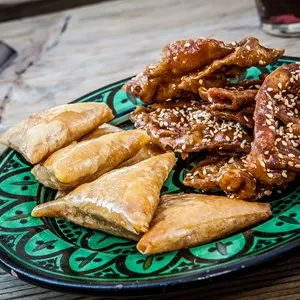
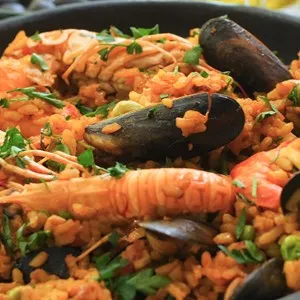
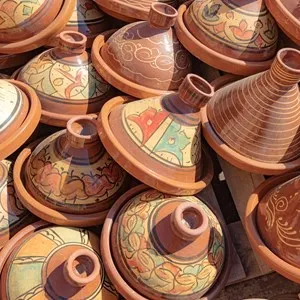
Casablanca offers a rich culinary scene with dishes like tagine, a slow-cooked stew made with meat, vegetables, and spices. Couscous, often served with vegetables and meat, is another staple. For seafood lovers, the city's coastal location means fresh fish and seafood dishes are abundant. Don't miss trying pastilla, a sweet and savory pie traditionally made with pigeon.
The best time to visit Casablanca is during the spring (March to May) and fall (September to November) when the weather is mild and pleasant. These seasons offer comfortable temperatures for exploring the city and enjoying outdoor activities. Summer can be hot, while winter is generally mild but can be rainy.
Casablanca hosts several cultural events throughout the year. The Casablanca Festival, held in July, features music, dance, and theater performances. The Jazzablanca Festival, typically in April, attracts international jazz artists. Additionally, the Boulevard Festival in September celebrates alternative music and urban culture.
Casablanca's location makes it a great base for day trips. Consider visiting Rabat, the capital city, known for its historical sites like the Kasbah of the Udayas and Hassan Tower. El Jadida, a UNESCO World Heritage site, offers a glimpse into Portuguese colonial history. For nature lovers, the scenic beaches of Mohammedia are just a short drive away.
Trips