Chania Travel & Vacation Guide

Current Weather

Description
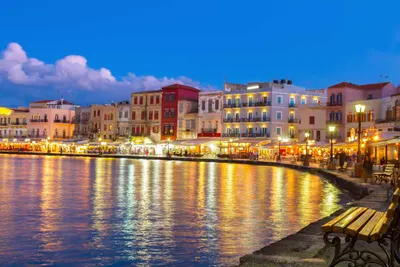
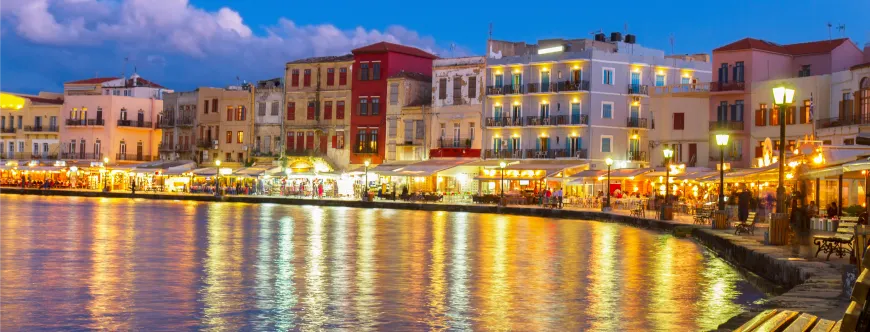
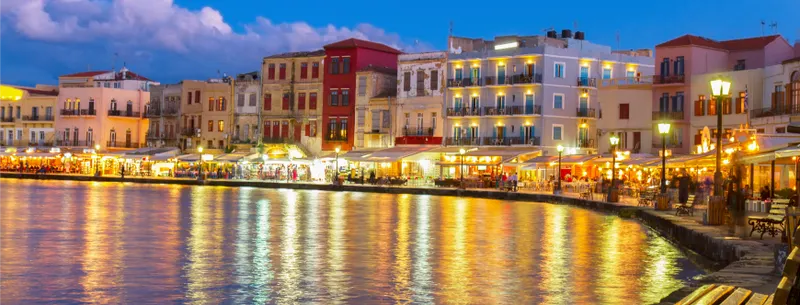
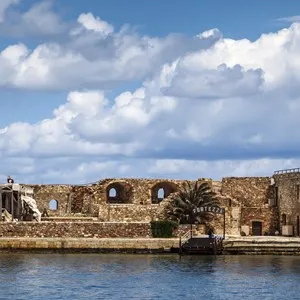
Chania is Crete’s second largest town and is the lively capital of the western half of this long, narrow Greek island. It is very ancient: 4,000 years ago Chania was called Cydonia. It preserves many handsome signs of a long history as a possession of Venice. The Old Town, alongside the Old Harbour, is enclosed by Venetian ramparts and guarded by a waterside Venetian fortress, Fort Firca. The modern city centre, just outside the old ramparts, offers the energy and character of a vibrant, authentic Greek town. Here are numerous shops, bars, restaurants and street life that are fun to explore. Chania is the focal point of western Crete’s coastline of small and charming beach resorts. Each resort has its own appeal, and all are just minutes from Chania by car or bus along the seashore highway that runs at the foot of high craggy peaks and rolling foothills green with olive groves.
Useful information
53,910 in the town and 70,000 in the greater Chania area.
Euro (EUR) €1 = 100 cents
Ambulance: 166
Police: 100
Fire Brigade: 199
Traditional local shop hours are generally open Monday to Saturday from 8 am to 2:30 pm, and also from 5 pm to 8 pm on Tuesdays and Thursdays. Shops catering mainly to tourists are usually open every day of the week from 9 am to 10 pm.
Do & See

Dining


Cafes



Bars & Nightlife





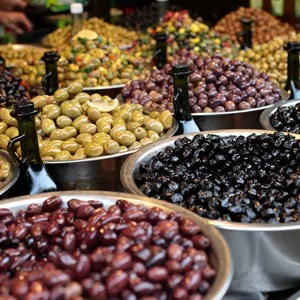
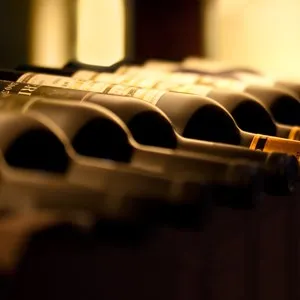
Shopping






Tourist Information







Frequently Asked Questions
The best time to visit Chania, Crete, is during the spring (April to June) and early fall (September to October). During these months, the weather is pleasantly warm, with fewer crowds compared to the peak summer season. You can enjoy outdoor activities, explore the Old Town, and relax on the beautiful beaches without the intense heat or tourist congestion.
A stay of 4 to 5 days in Chania is ideal for experiencing the city's highlights and surrounding areas. This allows you to explore the charming Old Town, visit the Venetian Harbor, and take day trips to nearby attractions such as the Samaria Gorge and Elafonissi Beach. With this timeframe, you can also enjoy leisurely meals and immerse yourself in the local culture.
Chania is rich in history and beauty, with several must-see landmarks: - The Venetian Harbor, known for its picturesque waterfront and lighthouse. - The Old Town, featuring narrow streets, shops, and historic buildings. - The Maritime Museum of Crete, showcasing the island's naval history. - The Archaeological Museum of Chania, housing artifacts from ancient times. - The nearby Balos Lagoon and Gramvousa Island, famous for their stunning landscapes.
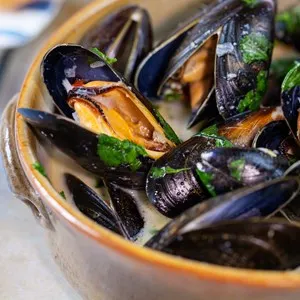
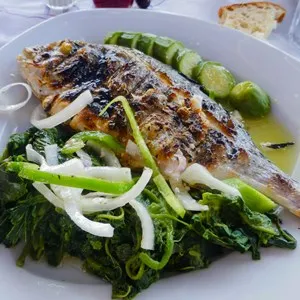
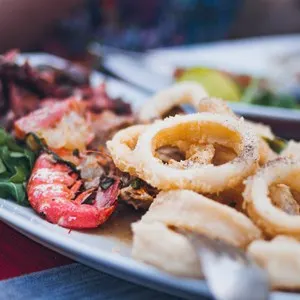
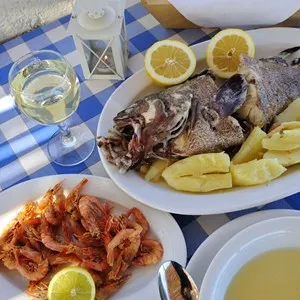
When in Chania, be sure to try traditional Cretan dishes that highlight the region's culinary heritage. Some must-try foods include: - Moussaka, a baked dish made with layers of eggplant, minced meat, and béchamel sauce. - Dakos, a Cretan salad with barley rusk, tomatoes, feta, and olive oil. - Kalitsounia, sweet or savory pastries filled with cheese or herbs. - Fresh seafood, especially at waterfront tavernas. - Local wines and raki, a popular Cretan spirit.
The best way to get around Chania is by walking, as many attractions are located within the compact Old Town. For exploring the surrounding areas, consider renting a car, which provides flexibility to visit beaches and nearby villages. Public buses are also available for longer trips, such as to Elafonissi Beach or the Samaria Gorge. Taxis are another option for convenience, especially for short distances.
Chania hosts several local festivals and events that showcase its rich culture: - The Chania Wine Festival in September celebrates local wines with tastings and traditional music. - The Cretan Diet Festival in June promotes Cretan cuisine and healthy eating. - The Renaissance Festival in August features performances, art exhibitions, and workshops. - Various religious festivals throughout the year, especially during Easter, offer a glimpse into local customs and traditions.
When visiting Chania, it's important to be aware of local customs and etiquette: - Greet locals with a friendly "Kalimera" (Good morning) or "Kalispera" (Good evening). - Dress modestly when visiting churches and monasteries. - Tipping is appreciated; rounding up the bill or leaving 5-10% is customary. - Respect local traditions and be mindful of personal space, especially in rural areas.