Chengdu Travel & Vacation Guide



Current Weather


Description
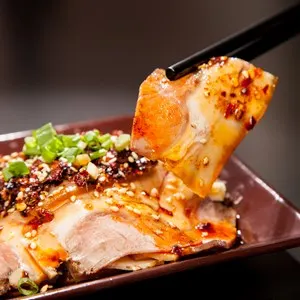
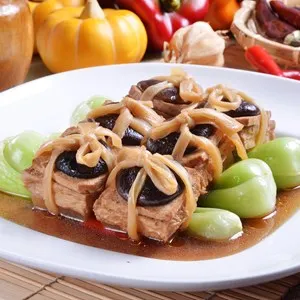
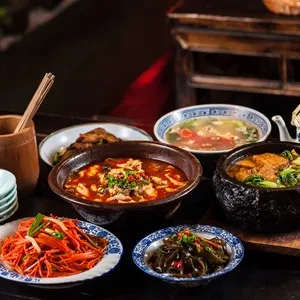
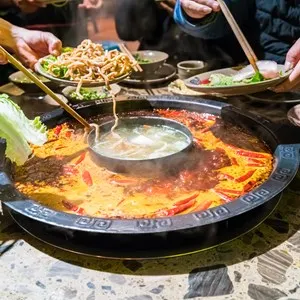
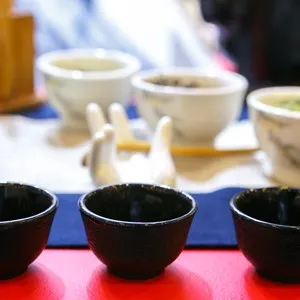
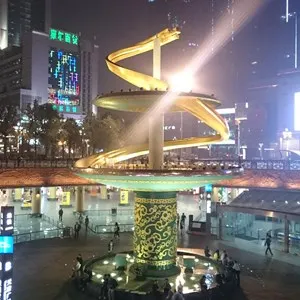
Chengdu is a tourist's paradise with a wide range of landscapes from snow-capped mountains, green plains to rugged hills. Fond of adventure? Visit the western mountains and the lowest latitude ski field in China and primary forests. There are the eastern suburbs, blooming with flowers all year round, where you can sit in the bamboo groves, have a cup of tea and learn mahjong from the natives. Afterwards, return to the downtown area on Yangxi Street for delicious Sichuan dishes and hot pots, and visit Chunxi Road, a shopping paradise lined with department stores and real bargains from whole-sale clothing plazas.
Useful information
15.4 million (2020)
1 RMB = 10 jiao
Police: 110
Ambulance: 120
Fire: 119
Most banks, malls and supermarkets are open from 9 am to 5 pm on weekdays, some supermarkets are open until 10 pm.
Do & See
Dining

Cafes




Bars & Nightlife





Shopping



Tourist Information








Frequently Asked Questions
The best time to visit Chengdu is during the spring (March to May) and autumn (September to November) months. During these seasons, the weather is mild and pleasant, making it ideal for exploring the city and its surrounding attractions. Summer can be hot and humid, while winter tends to be chilly and damp, so plan your trip accordingly.
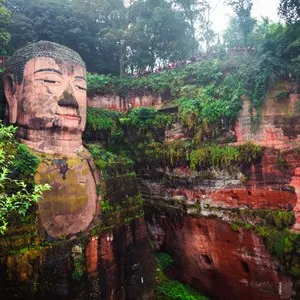
A stay of 3 to 4 days in Chengdu is recommended to fully experience the city's highlights. This allows time to visit the Chengdu Research Base of Giant Panda Breeding, explore the historic Jinli Ancient Street, and savor local cuisine, including the famous Sichuan hot pot. Additionally, you can take a day trip to nearby attractions like Mount Emei or the Leshan Giant Buddha.
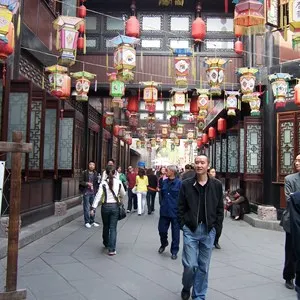
Chengdu offers several must-see attractions, including: - Chengdu Research Base of Giant Panda Breeding: Home to adorable giant pandas and a conservation center. - Wuhou Shrine: A historical site dedicated to the famous strategist Zhuge Liang. - Jinli Ancient Street: A vibrant pedestrian street filled with shops, snacks, and traditional architecture. - Dujiangyan Irrigation System: A UNESCO World Heritage site showcasing ancient engineering.
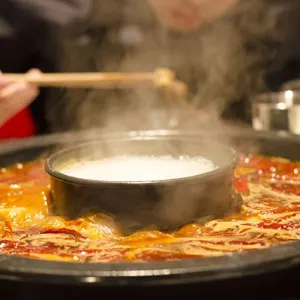
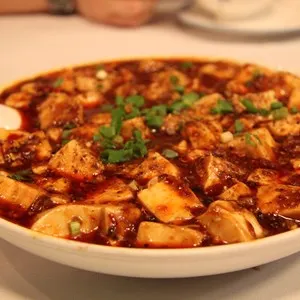
When in Chengdu, be sure to try these local dishes: - Sichuan Hot Pot: A spicy and flavorful communal dining experience. - Mapo Tofu: A spicy tofu dish made with fermented bean paste and Sichuan peppercorns. - Dan Dan Noodles: Noodles served with a spicy, savory sauce and topped with minced pork. - Chengdu-style dumplings: Often served in a spicy sauce, these dumplings are a local favorite.
The best way to get around Chengdu is by using the city's efficient public transportation system, which includes the metro and buses. The Chengdu Metro is clean, affordable, and connects major attractions. Taxis and ride-hailing services like Didi are also widely available. For a more local experience, consider renting a bike or walking in pedestrian-friendly areas.
In Chengdu, it's important to be mindful of local customs, such as: - Greeting with a handshake is common, but avoid being overly formal. - It's polite to offer and receive items with both hands. - Tipping is not customary in restaurants, but rounding up the bill is appreciated. - When dining, wait for the host to start eating before you begin.
Chengdu hosts several festivals throughout the year, including: - Chengdu International Panda Festival: Celebrating the city's beloved giant pandas, with activities and events centered around conservation. - Sichuan Cuisine Festival: Showcasing the region's culinary delights, featuring cooking demonstrations and tastings. - Lantern Festival: Celebrated during the Chinese New Year, with beautiful lantern displays and cultural performances.