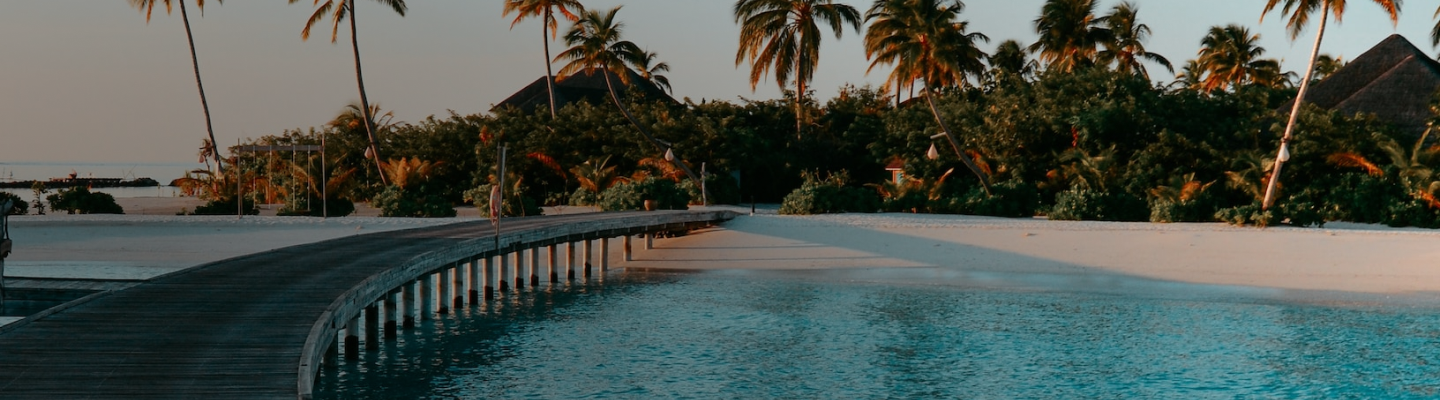
French Polynesia Travel & Vacation Guide
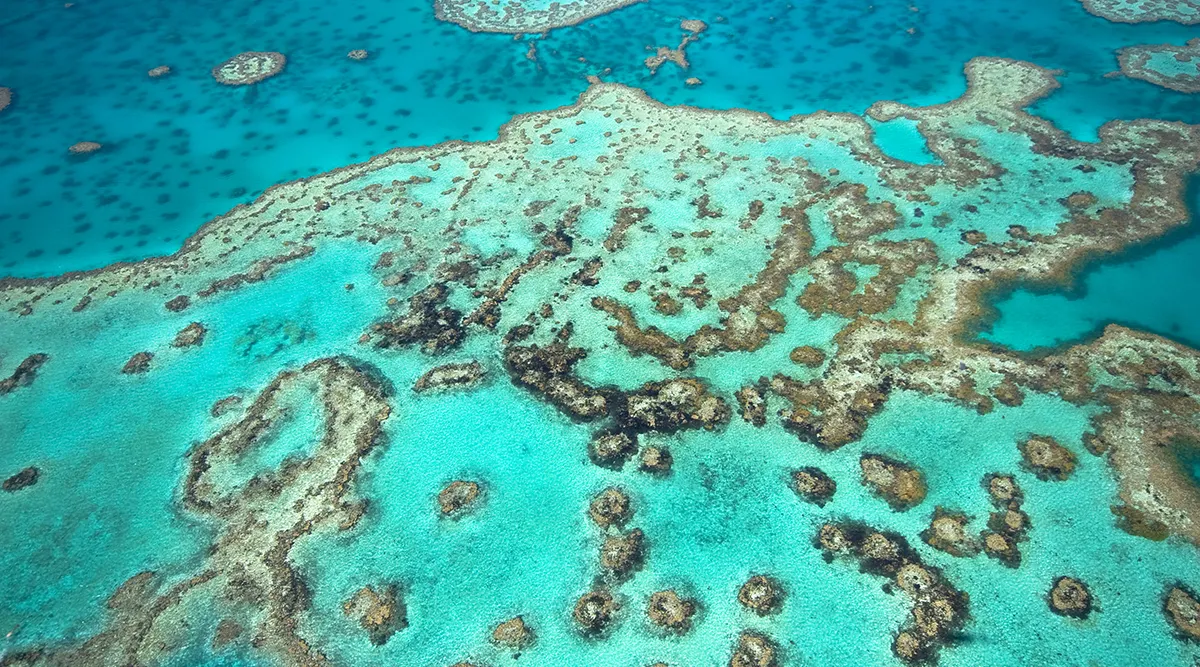
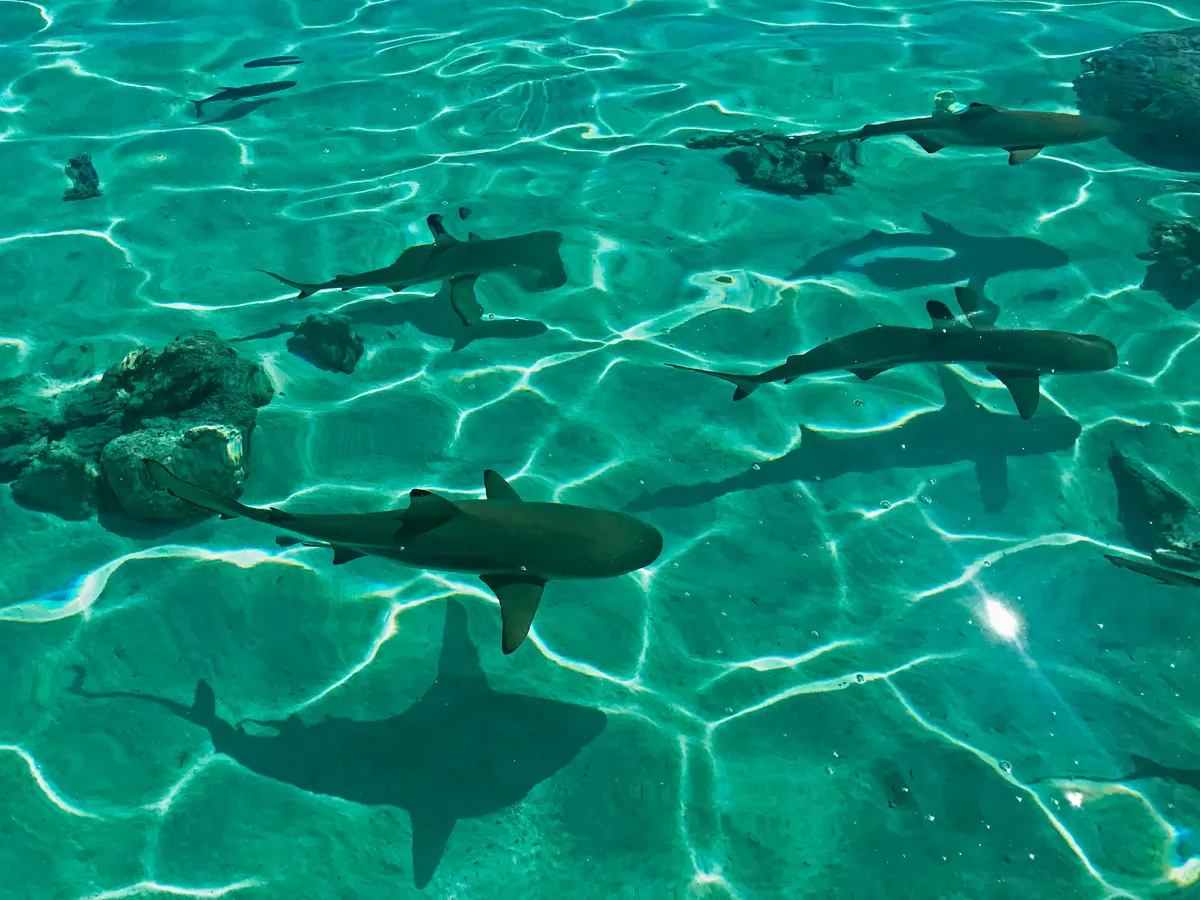
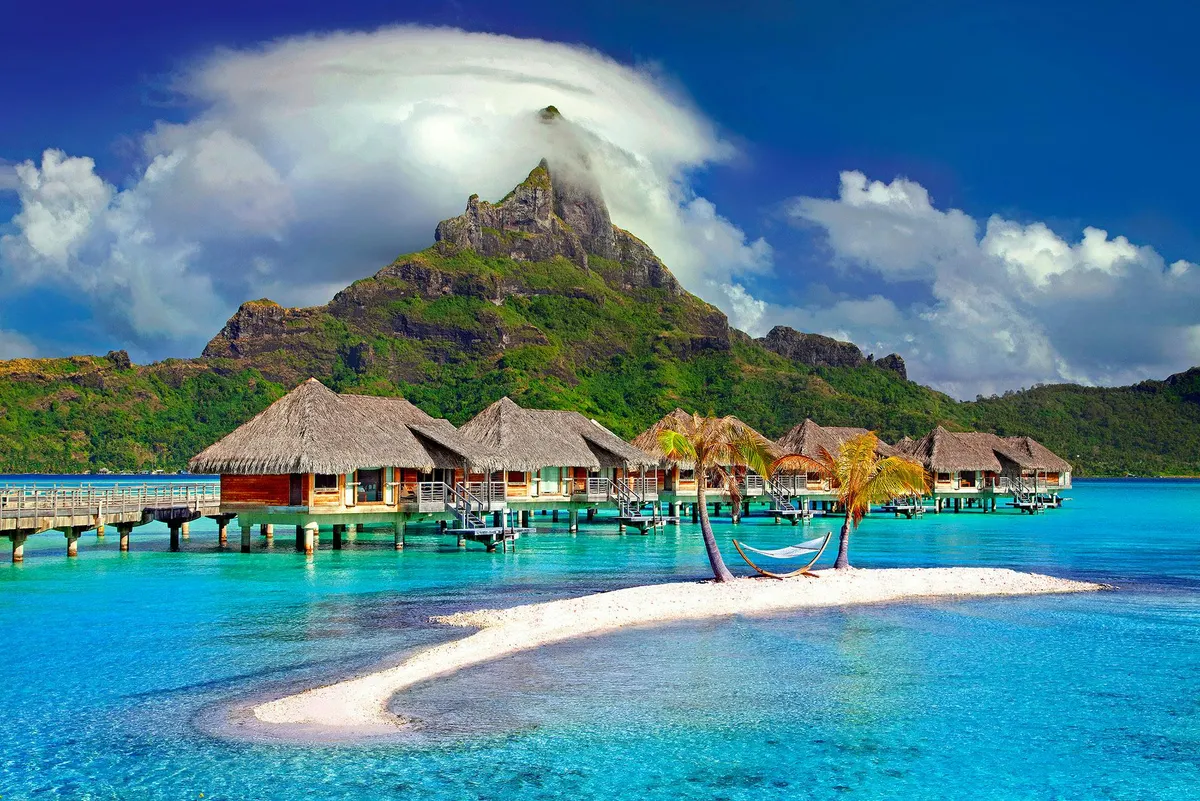
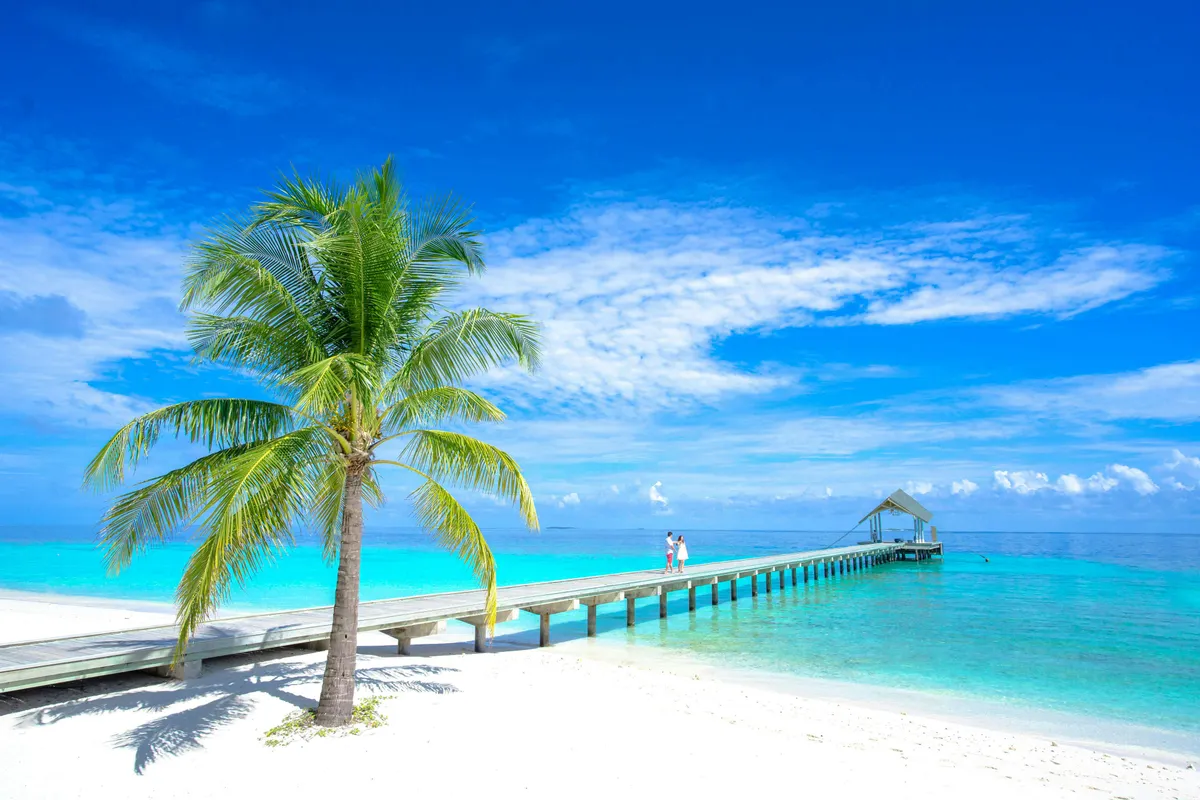
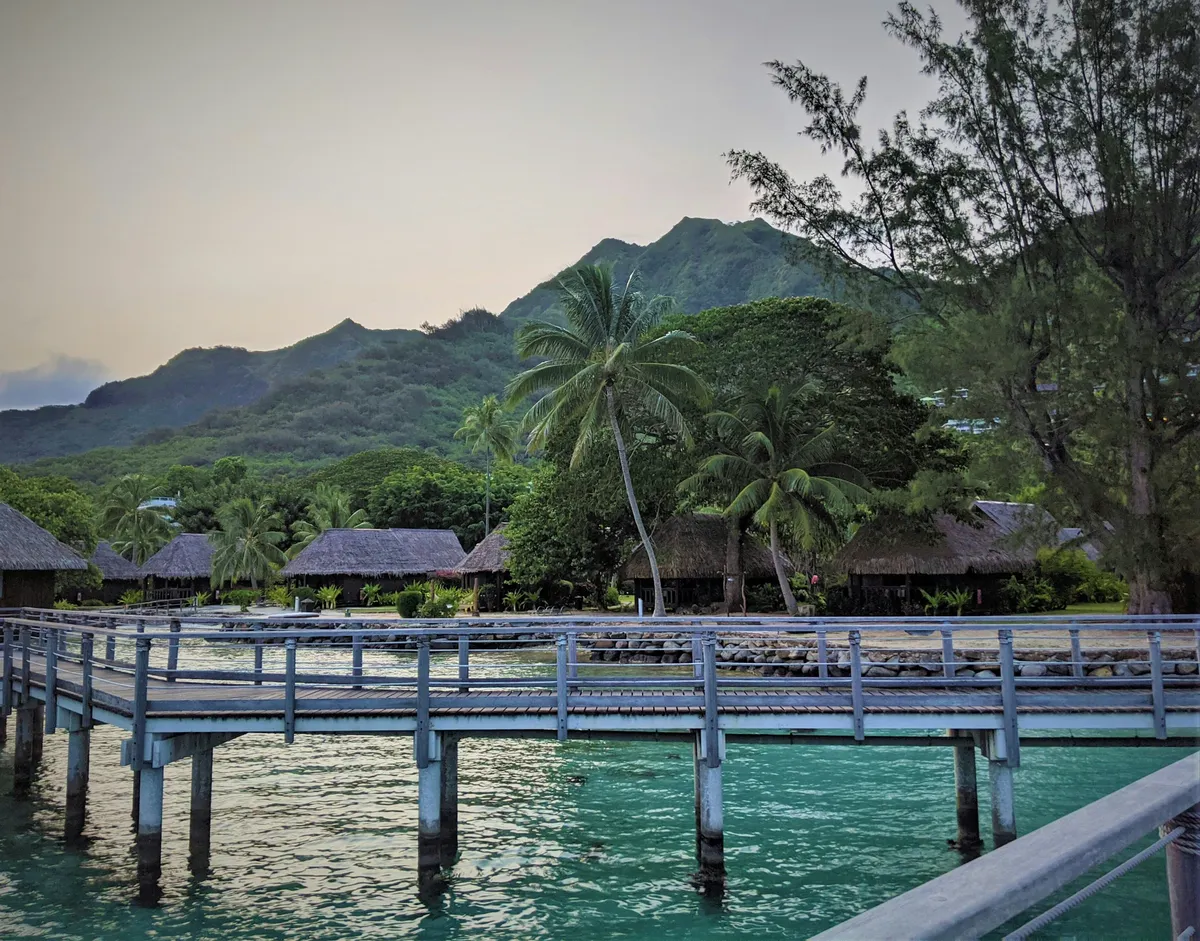
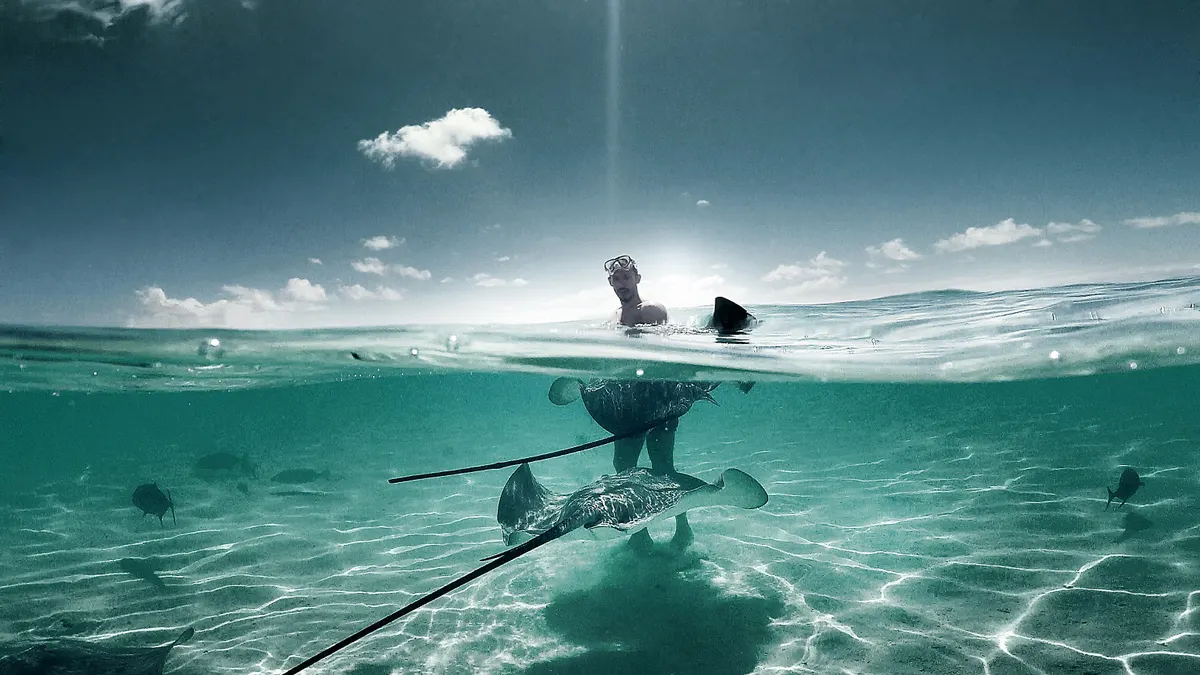
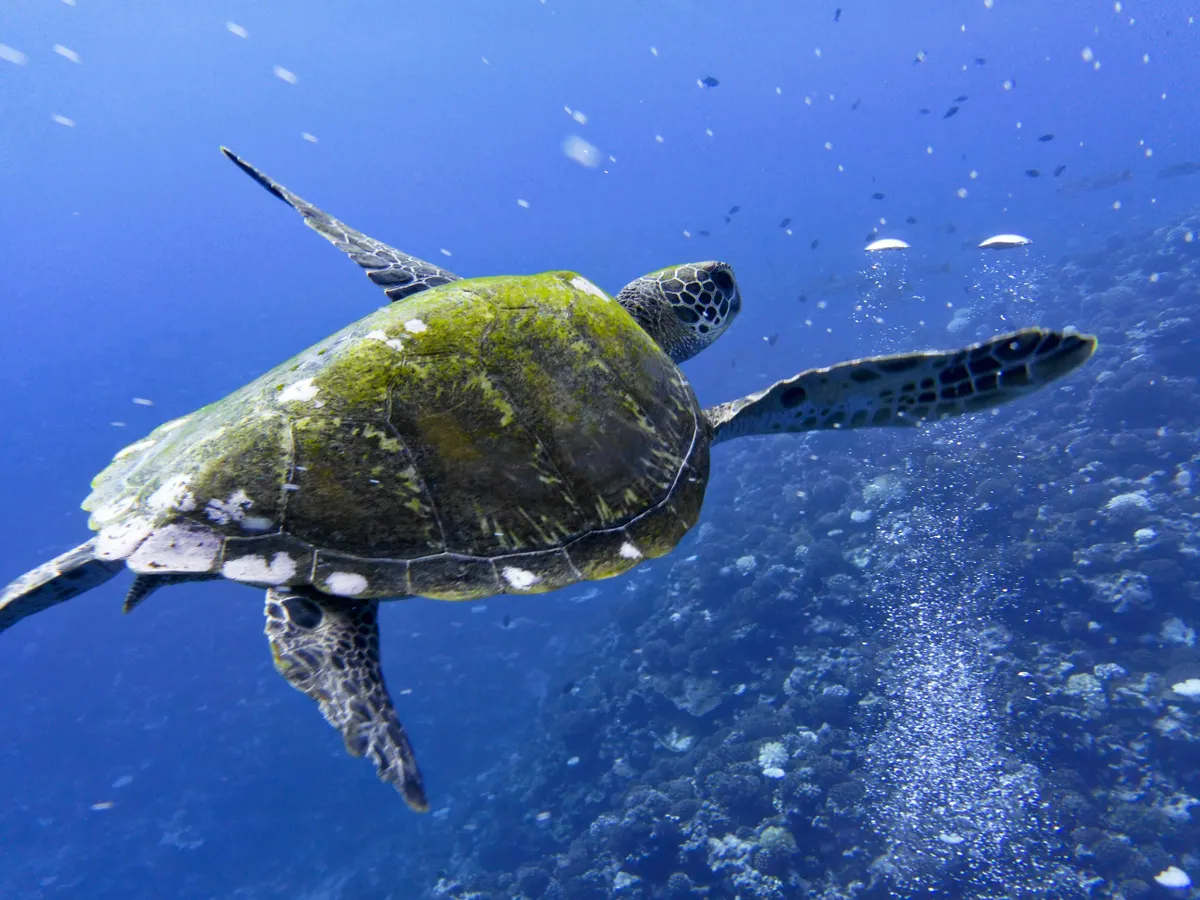
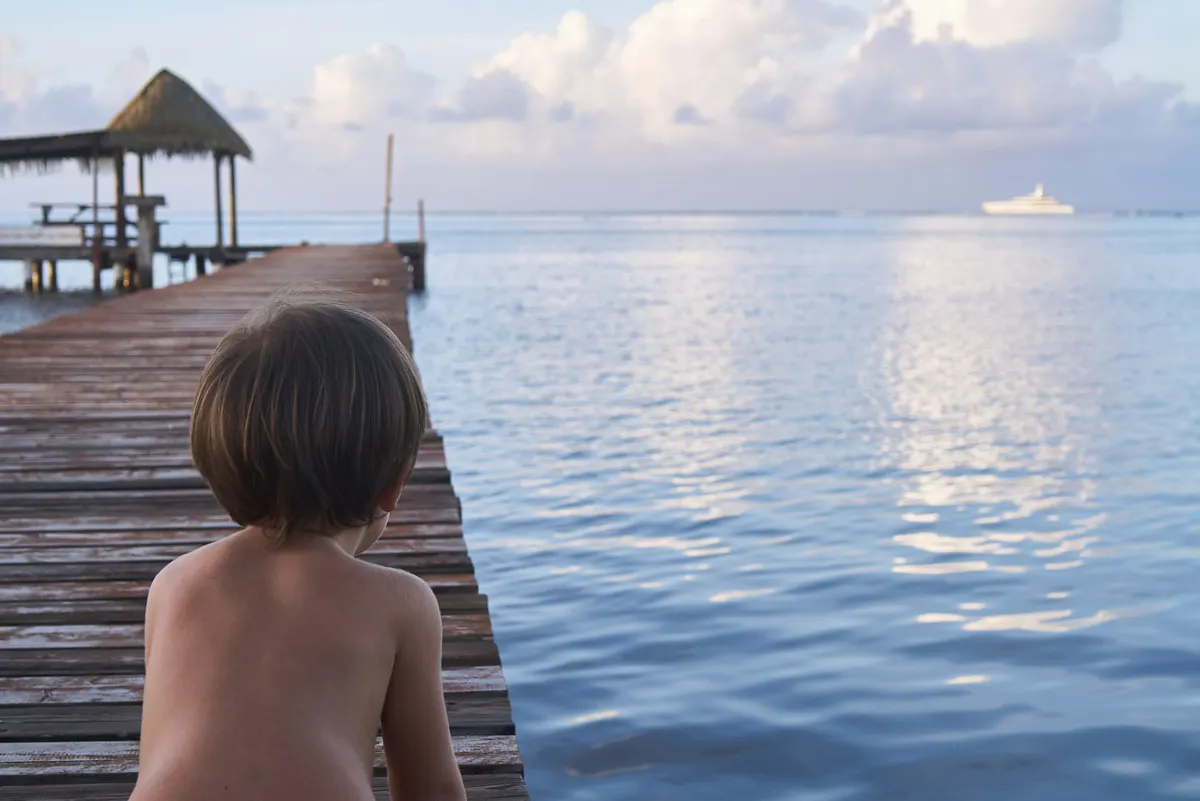
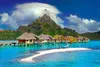
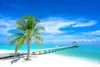
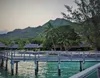
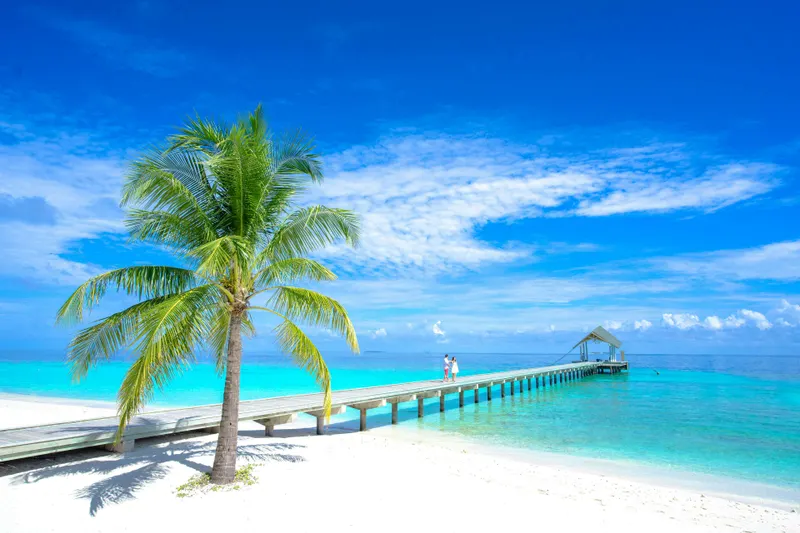
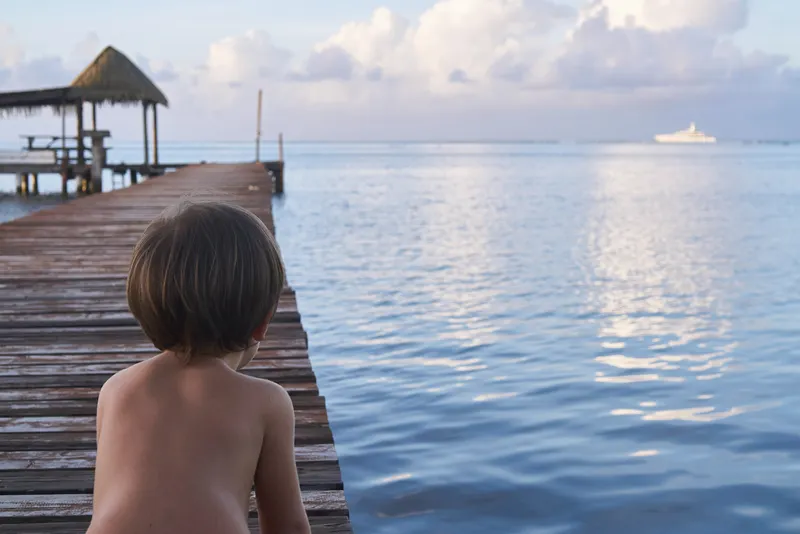
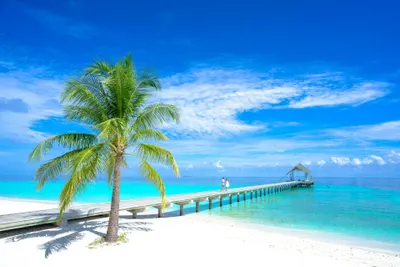
French Polynesia is a mesmerizing paradise where crystal-clear waters meet pristine white-sand beaches, and lush green mountains rise from the azure ocean. This idyllic destination, composed of 118 islands and atolls, offers an unparalleled blend of natural beauty, rich culture, and luxurious relaxation.
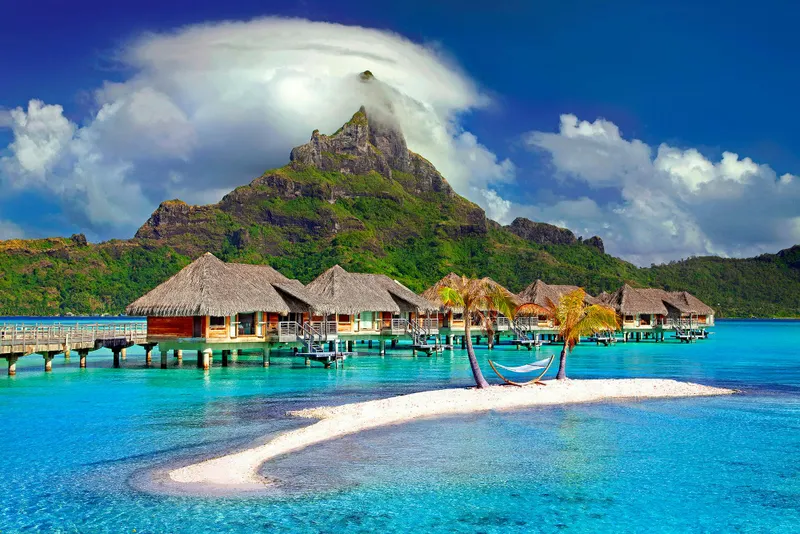
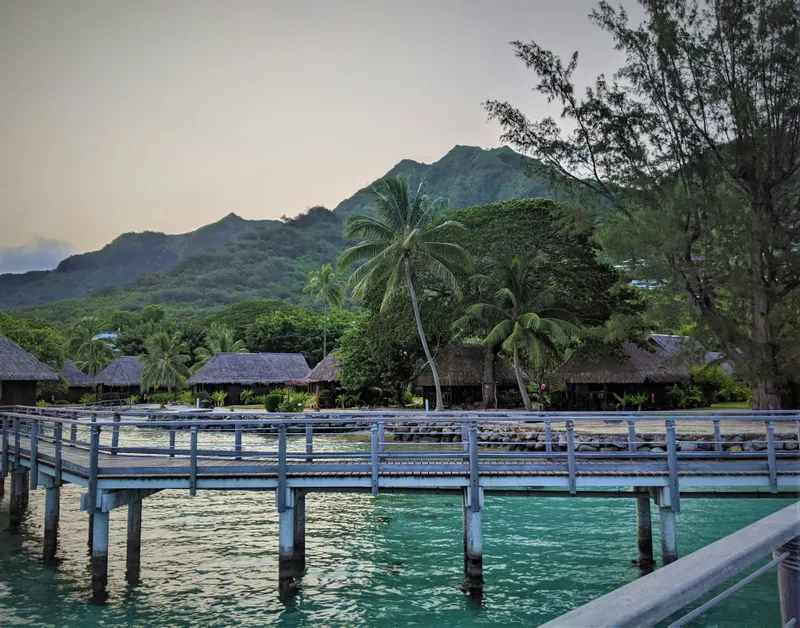
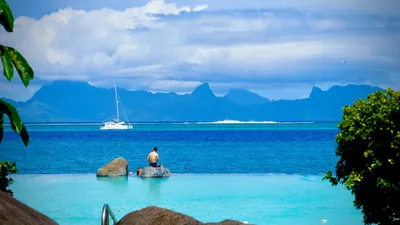
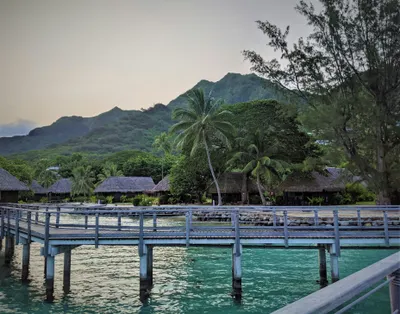
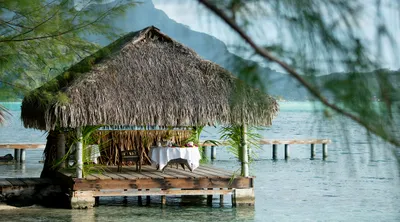
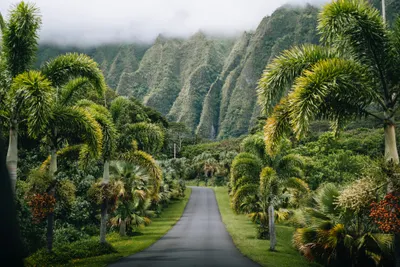
Tahiti, the largest island, serves as the gateway to this enchanting archipelago, known for its vibrant markets, black-sand beaches, and bustling capital city, Papeete. Nearby, Bora Bora, the "Pearl of the Pacific," is renowned for its stunning turquoise lagoon, vibrant coral reefs, and iconic overwater bungalows. Moorea, with its jagged volcanic mountains and lush valleys, offers a more laid-back experience with breathtaking views.
French Polynesia is steeped in a rich cultural heritage. The Polynesian people, known for their warmth and hospitality, invite you to experience their traditional dances, music, and crafts. Explore ancient marae (temples) and learn about the fascinating history and legends that shape the local way of life.
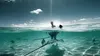
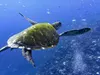
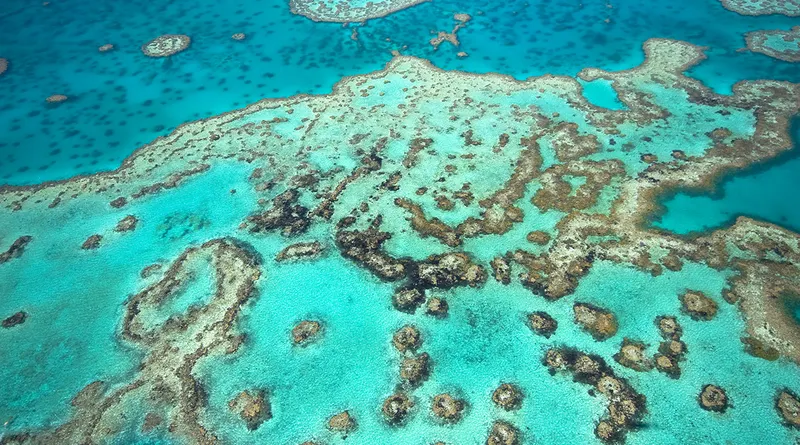
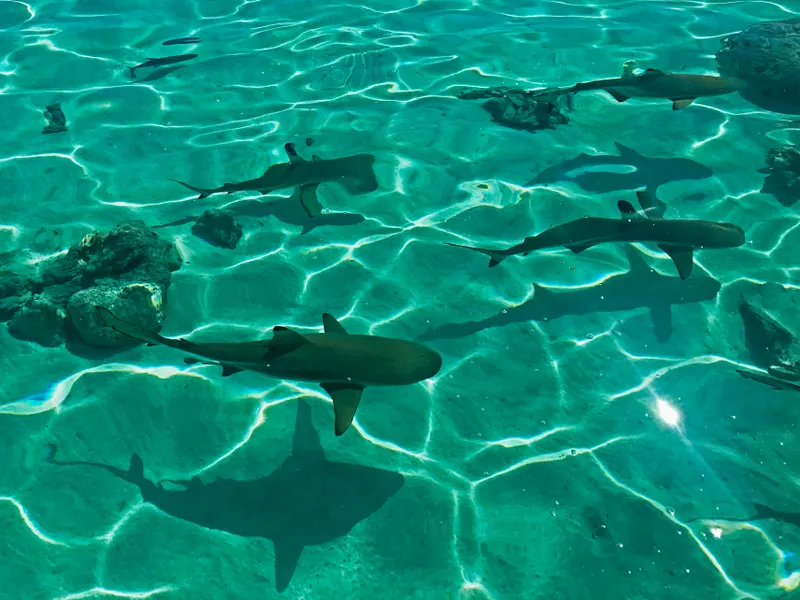
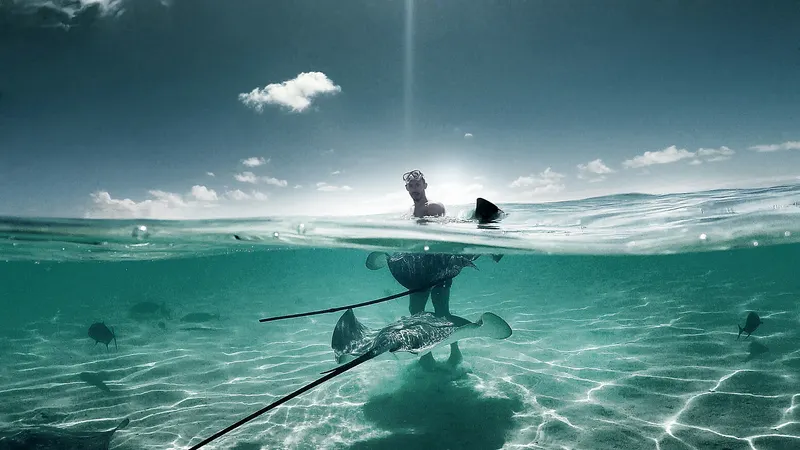
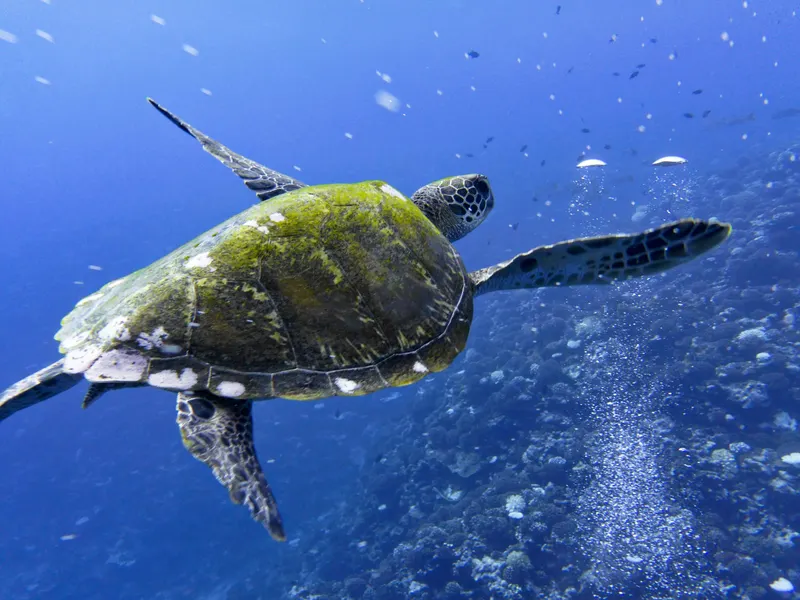
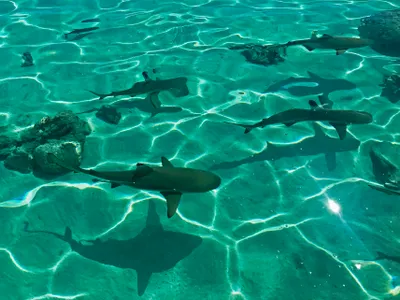
For the adventurous, French Polynesia offers a plethora of activities, from snorkeling and scuba diving in vibrant underwater worlds to hiking through lush rainforests and exploring hidden waterfalls. Indulge in world-class resorts offering private villas, gourmet dining, and pampering spa treatments.
Whether seeking adventure, cultural immersion, or pure relaxation, French Polynesia promises an unforgettable experience. Discover the magic of this South Pacific paradise, where every moment is a memory waiting to be made. French Polynesia—your tropical dream come true.
Cities & Region
Frequently Asked Questions
The best time to visit French Polynesia is during the dry season, which runs from May to October. This period offers pleasant weather with lower humidity, making it ideal for outdoor activities and beach relaxation. However, if you prefer fewer crowds and lower prices, consider visiting during the shoulder months of April and November.
A typical stay in French Polynesia is around 7 to 10 days, allowing you to explore several islands. You can spend a few days in Tahiti for cultural experiences, then head to Bora Bora for stunning beaches and luxury resorts, and perhaps visit Moorea for hiking and snorkeling. Each island offers unique attractions, so plan your itinerary accordingly.
Some must-see attractions in French Polynesia include: - Bora Bora’s stunning lagoon and Mount Otemanu. - Moorea’s breathtaking landscapes and the Belvedere Lookout. - Tahiti’s vibrant markets, such as the Papeete Market. - The underwater beauty of the Coral Gardens in Taha'a. - The traditional Polynesian dance shows that showcase local culture.
The best ways to travel between the islands of French Polynesia include: - Domestic flights, which are quick and connect major islands like Tahiti, Bora Bora, and Moorea. - Ferries, which operate between some islands and provide a scenic way to travel. - Private boat charters for a more personalized experience. - Rental cars or scooters on larger islands for local exploration.
When in French Polynesia, be sure to try these traditional foods: - Poisson cru, a raw fish salad marinated in lime juice and coconut milk. - Fafa, a dish made with taro leaves and coconut milk, often served with chicken or fish. - Tahitian vanilla, known for its rich flavor, often used in desserts. - Fresh tropical fruits like papaya, mango, and pineapple.
Yes, French Polynesia hosts several vibrant cultural events and festivals throughout the year. Notable ones include: - Heiva i Tahiti, a traditional festival held in July featuring dance, music, and sports competitions. - The Tahiti Pearl Regatta in May, which showcases sailing and nautical culture. - The annual Hiva Oa Festival, celebrating local art and culture, typically held in November.
In French Polynesia, it's important to respect local customs and etiquette. Here are some key points: - Greet locals with a friendly "Ia Orana" (hello). - Dress modestly when visiting villages and religious sites. - Always ask permission before taking photos of people. - Tipping is appreciated but not mandatory; rounding up the bill is common.