Guanajuato City Travel & Vacation Guide
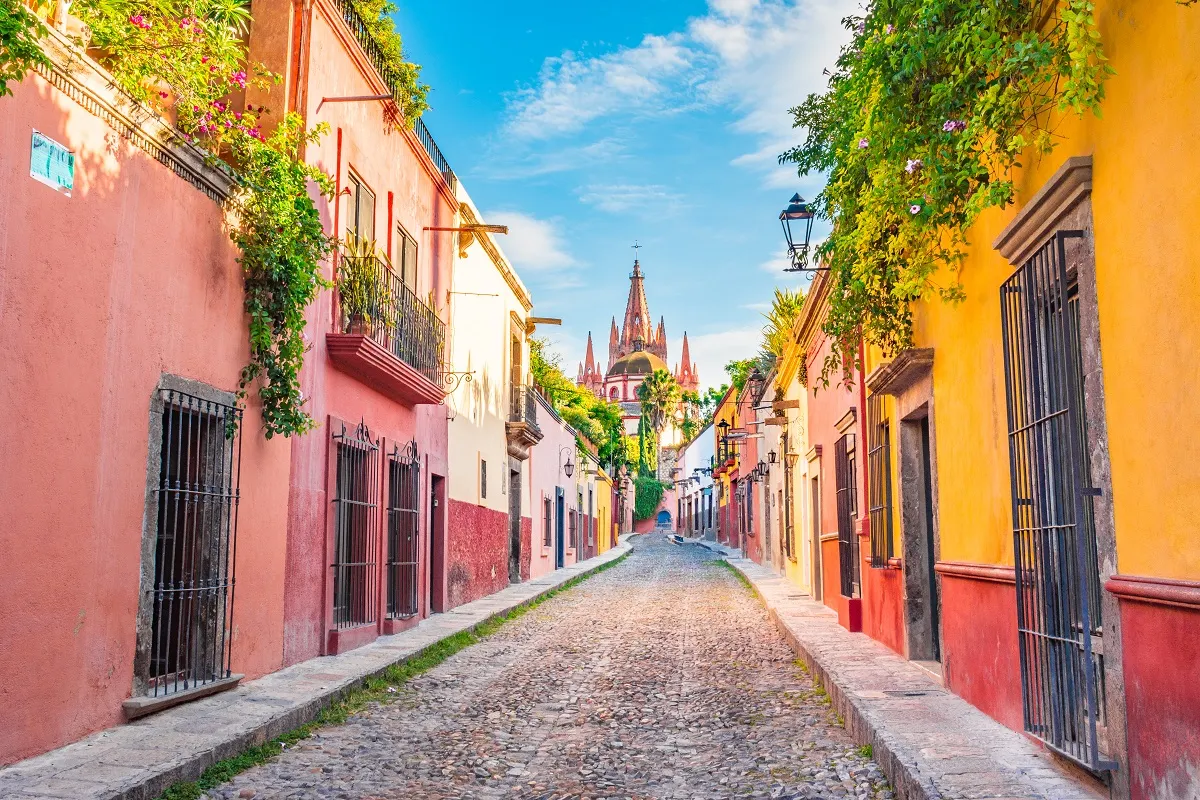
Guanajuato, city, capital of Guanajuato estado (state), central Mexico. Situated on the Mesa Central, it is spread over steep hillsides at the junction of three ravines at an average elevation of about 6,725 feet (2,050 metres) above sea level. Guanajuato’s historic city centre and nearby colonial-era mines—including a shaft some 2,000 feet (600 metres) deep known as the Boca del Infierno were collectively designated a UNESCO World Heritage site in 1988. Guanajuato is, undisputedly, an extremely specal city. Set on a mountainside in the Northern Central highlands of Mexico, Guanajuato sits within a ravine at an altitude of up to 6,000 feet, making it a very unique place to visit. As well as admiring the glorious architecture, churches and monuments, Guanajuato is home to a vast number of high quality museums including that of Diego Rivera, which is exhibited in the house where the great Mexican artist was born. It is also a great pleasure to wander about the tiny, winding cobbled streets of the city, or joining one of the many walking tours which operate around the historic centre.
Current Weather

Frequently Asked Questions
The best time to visit Guanajuato City is from late October to April when the weather is cooler and drier. During this period, daytime temperatures range from the mid-60s to mid-70s Fahrenheit, making it ideal for exploring the city's vibrant streets and historical sites. Additionally, the famous Cervantino Festival occurs in October, attracting artists and visitors from around the world.
A stay of 2 to 4 days is recommended for Guanajuato City. This allows ample time to explore its colorful alleys, visit key attractions like the Juárez Theater, and take a day trip to nearby sites such as the mummy museum or the picturesque town of San Miguel de Allende. You can also enjoy local cuisine and immerse yourself in the city's rich culture.
Guanajuato City is known for its stunning architecture and vibrant culture. Must-see attractions include: - The Alhóndiga de Granaditas, a historic granary turned museum. - The iconic Callejón del Beso, a narrow alley with a romantic legend. - The University of Guanajuato, renowned for its beautiful campus. - The Pipila Monument, offering panoramic views of the city. - The colorful Mercado Hidalgo for local crafts and food.
Guanajuato City offers a range of delicious local dishes that you shouldn't miss. Try: - Enchiladas mineras, a local twist on enchiladas with a rich sauce. - Sopes, thick corn tortillas topped with beans, meat, and salsa. - Guacamayas, a unique sandwich made with pork cracklings and salsa. - Dulce de leche, a sweet treat popular in the region. Pair your meals with local drinks like mezcal or the refreshing agua de jamaica.
The best way to get around Guanajuato City is on foot, as many attractions are within walking distance. The city is known for its steep, narrow streets and colorful alleys, making walking a delightful way to explore. For longer distances, you can use local taxis or rideshare services. Additionally, the funicular railway offers a scenic ride to the Pipila Monument.
Guanajuato City hosts several vibrant festivals throughout the year. The most notable is the International Cervantino Festival held every October, celebrating arts and culture with performances, concerts, and exhibitions. Other events include the Day of the Dead celebrations in early November, where you can experience traditional altars and festivities honoring deceased loved ones.
When visiting Guanajuato City, it's important to respect local customs. Greetings are typically warm, with a handshake or a friendly hug among acquaintances. Dress modestly, especially when visiting churches or cultural sites. Tipping is customary in restaurants, typically around 10-15%. Additionally, it's polite to say "gracias" (thank you) and "por favor" (please) when interacting with locals.