Hangzhou Travel & Vacation Guide


Current Weather

Description
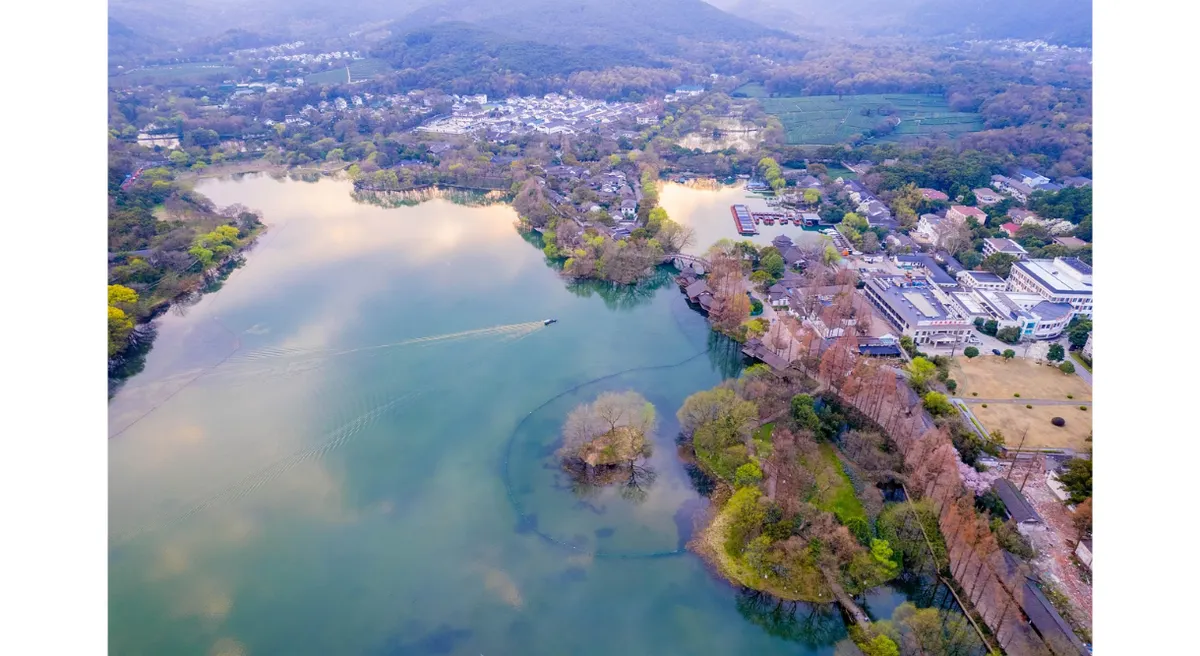
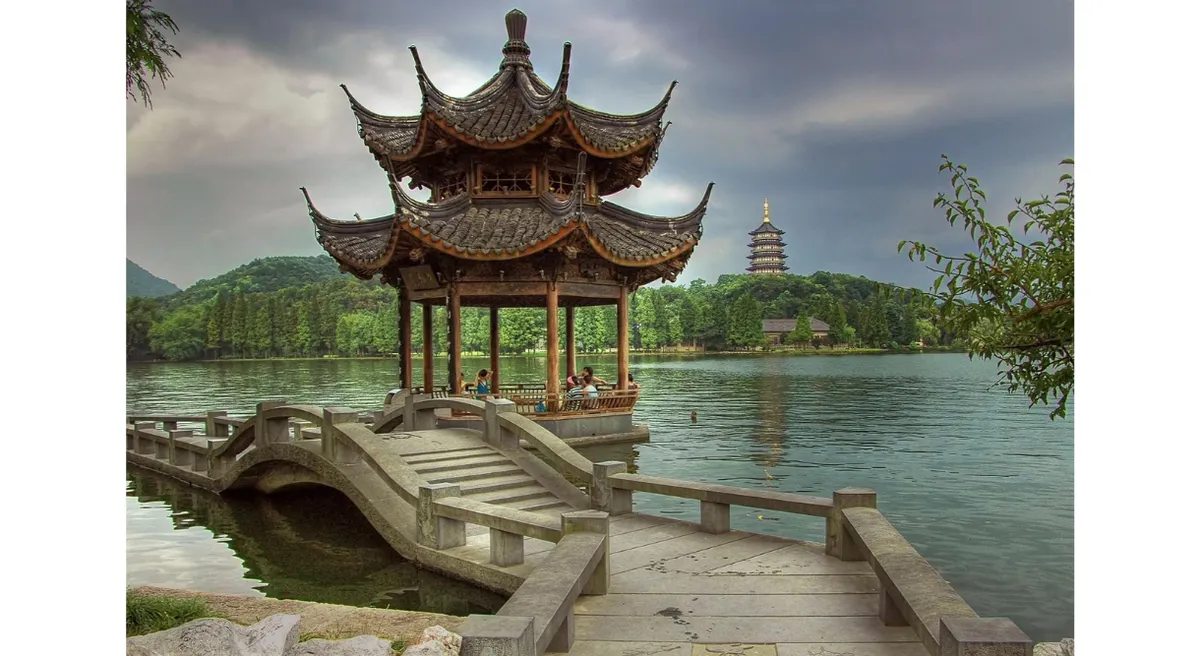
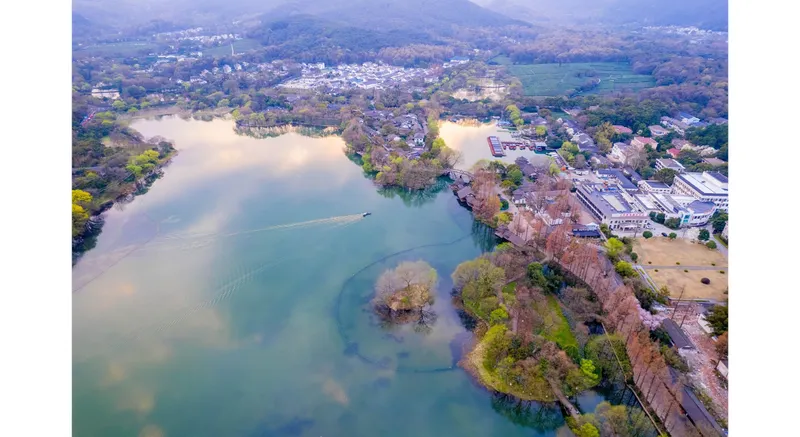
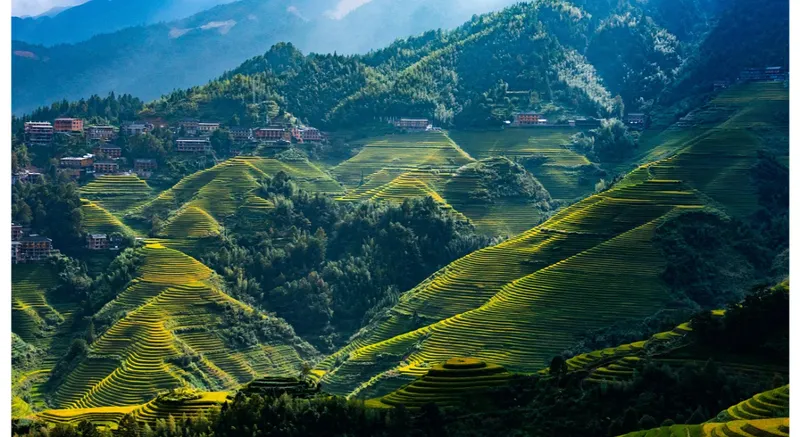
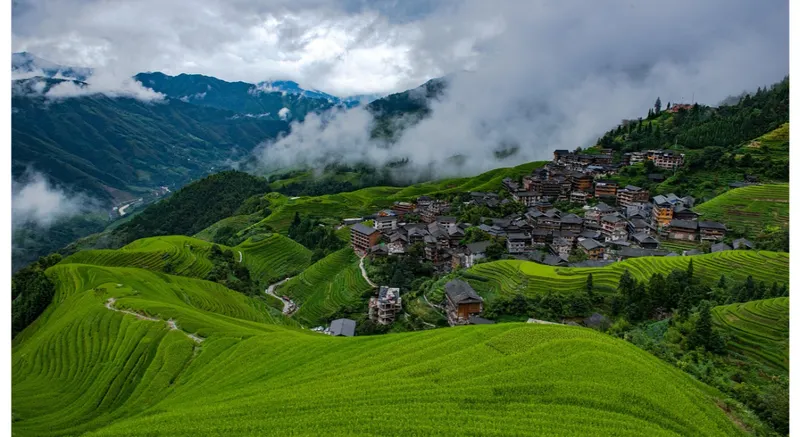
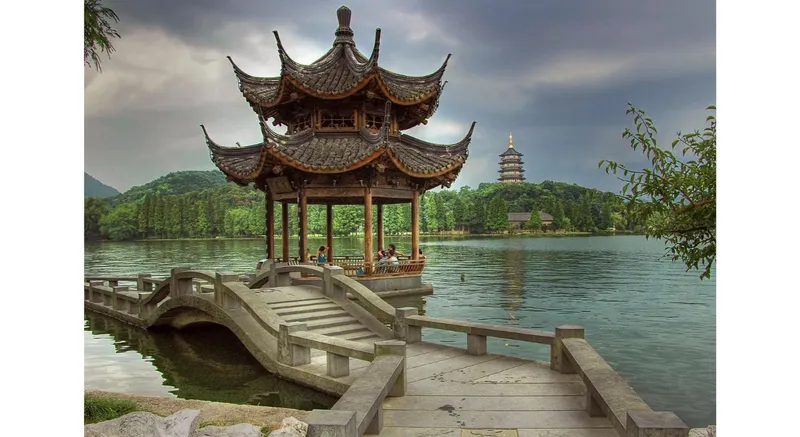
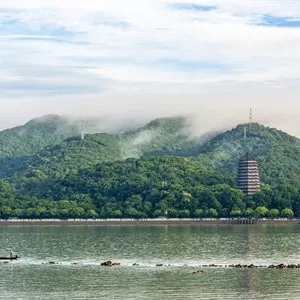
Along with Suzhou, Hangzhou was extolled by ancient Chinese as "Paradise on Earth" - a metaphor that Marco Polo, the famous Venetian traveler, eagerly echoed, going as far as to pronounce Hangzhou the "finest, most splendid city in the world". Although today such grand claims to greatness may be contested by other worthy contenders, Hangzhou truly is a beautiful corner of the world. Stunningly set by the West Lake with its weeping willows, Hangzhou is a favorite subject in many watercolor paintings by Chinese artists - its temples, bridges and causeways make for some incredibly serene, inspiring landscapes. Hangzhou is very foreigner-friendly, with an ever-growing community of expats calling the city home. The east bank of the West Lake is crowded with eateries and bars frequented by locals and visitors alike; the west side is known as a quieter area where one can explore some of Hangzhou's unspoiled nature. Hangzhou is also known for its rather vibrant music scene - lots of local clubs regularly host live music shows, and music festival season comes twice a year - in spring and autumn.
Useful information
9,468,000 (2017)
1 RMB =10 Jiao
Police: 110
Ambulance: 120
Fire Brigade: 119
Most offices are open Monday to Friday from 9 am to 5 or 6 pm. Some bank branches also operate on weekends. Shopping centers and department stores are usually open seven days a week until 9 or 10 pm.
Do & See
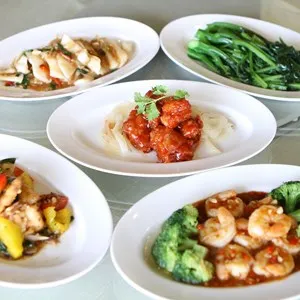
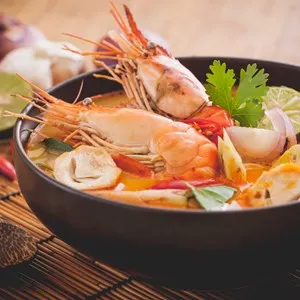
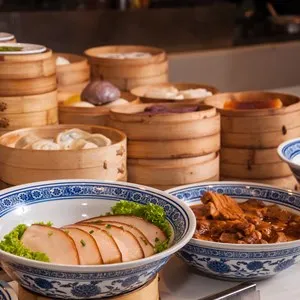
Dining
Cafes



Bars & Nightlife






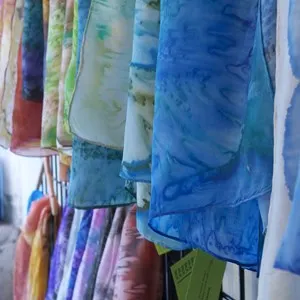
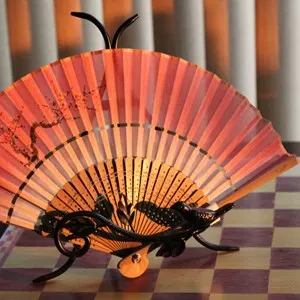
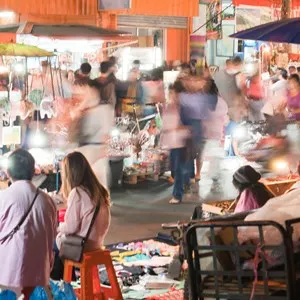
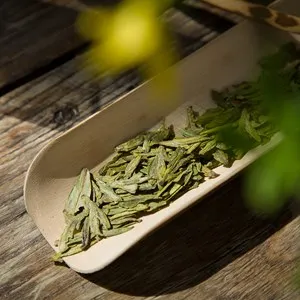
Shopping



Tourist Information








Frequently Asked Questions
The best time to visit Hangzhou is during the spring (March to May) and autumn (September to November) months. During these seasons, the weather is mild and pleasant, making it ideal for outdoor activities and sightseeing. Spring brings blooming flowers and lush greenery, while autumn offers stunning fall foliage. Summer can be hot and humid, while winter may see occasional cold snaps.
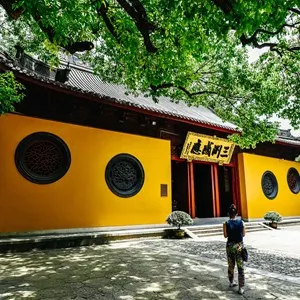
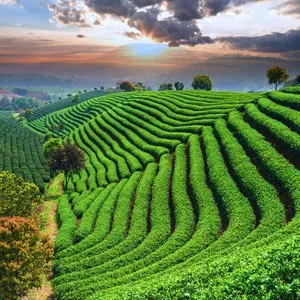
A stay of 3 to 4 days in Hangzhou is recommended to fully experience its beauty and attractions. This allows time to explore West Lake, visit the Lingyin Temple, and enjoy tea at the Longjing Tea Plantation. Additionally, you can take day trips to nearby attractions like the ancient town of Wuzhen or the Thousand Islands Lake.
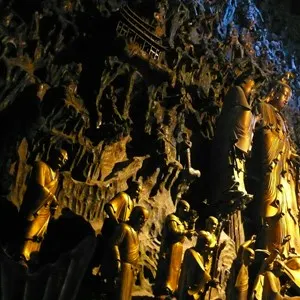
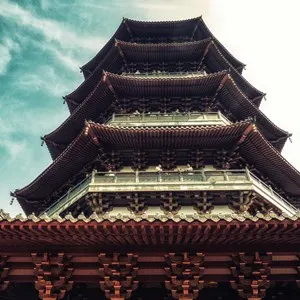
Hangzhou is famous for its picturesque West Lake, a UNESCO World Heritage site. Key attractions include: - The Lingyin Temple, one of the largest and wealthiest Buddhist temples in China. - The Longjing Tea Plantation, where you can learn about tea production. - The historic Hefang Street, known for its traditional architecture and local snacks. - The Six Harmonies Pagoda, offering panoramic views of the Qiantang River.
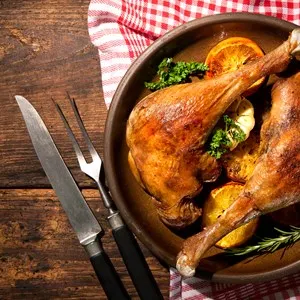
When in Hangzhou, be sure to try the local specialties, including: - Dongpo Pork, a braised pork belly dish named after the poet Su Dongpo. - West Lake Fish in Vinegar Gravy, a sweet and sour fish dish. - Longjing Shrimp, featuring fresh shrimp cooked with Longjing tea. - Beggar's Chicken, a whole chicken wrapped in clay and baked, resulting in tender meat.
Getting around Hangzhou is convenient, with several transportation options available: - Metro: The Hangzhou Metro is efficient and covers major attractions. - Buses: Public buses are affordable and can take you to various sites. - Taxis and ride-hailing apps: Taxis are readily available, and apps like Didi are popular for convenience. - Bicycles: Renting a bike is a great way to explore the scenic areas around West Lake.
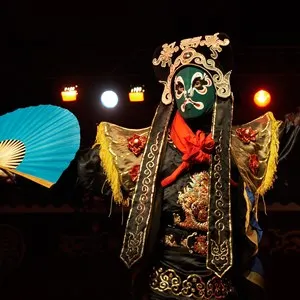
Hangzhou hosts several cultural events and festivals throughout the year, including: - The West Lake International Expo, showcasing local culture and technology. - The Hangzhou Tea Culture Festival, celebrating the city's rich tea heritage. - The Dragon Boat Festival, featuring exciting dragon boat races on West Lake. These events provide a great opportunity to experience local traditions and festivities.
When visiting Hangzhou, it's important to be aware of local customs: - Greetings: A polite handshake is common; bowing is also appreciated. - Dining: Wait for the host to start the meal and avoid sticking chopsticks upright in rice, as it resembles a funeral ritual. - Dress: Dress modestly, especially when visiting temples. - Tipping: Tipping is not customary in China, but rounding up the bill in restaurants is appreciated.