Hato Travel & Vacation Guide


Current Weather


Description
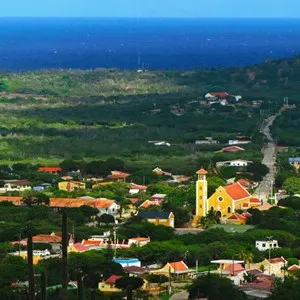
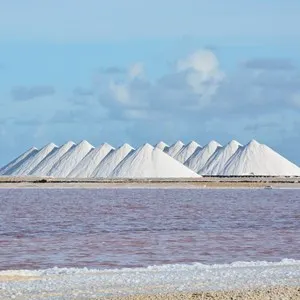
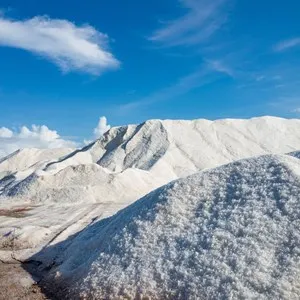
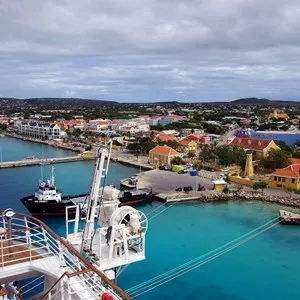
Bonaire is a Dutch Caribbean island of 288 square kilometres, which together with Aruba and Curaçao forms the ABC islands in the Leeward Antilles. The first European visitors to the island were the Spanish in the 16th century, seeking shelter among the hills that today surround the town of Rincón. They introduced several species of domesticated animals to the island, including cattle and donkeys. Today's capital, Kralendijk, is the only other settlement on Bonaire. Its significance expanded alongside the establishment of the Dutch West India Company, exemplified by the iconic Fort Oranje, built to protect the city's harbour. Besides plantation, the Dutch relied on the island for salt production, which also meant that Bonaire was not untouched by slavery, either. Bonaire has been a special municipality since 2010, similar to Sint Eustatius and Saba. Over the last decades, nature conservation has gained steady ground on the island: whether it's safeguarding endangered species, securing nesting sites, or becoming carbon neutral, there are numerous initiatives at work to protect nature's treasures, both on land and in the sea, for future generations.
Useful information
22,573 (Bonaire, 2022)
US Dollar, $1 = 100 cents
Police, Ambulance, Fire: 911
Shops are generally open from 9am to 6pm seven days a week, but exceptions do occur with shortened opening hours on weekends.
Do & See
Restaurants


Shopping



Tourist Information

Frequently Asked Questions
The best time to visit Hato, Bonaire, is from mid-December to mid-April when the weather is dry and temperatures are pleasantly warm, averaging around 80°F (27°C). This period is ideal for outdoor activities like snorkeling and diving, as the water is clear and calm. However, expect more tourists during these months, so booking accommodations in advance is advisable.
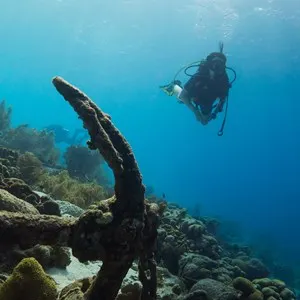
A stay of 4 to 7 days in Hato, Bonaire, is recommended to fully enjoy the area’s natural beauty and activities. This allows ample time to explore the stunning beaches, engage in water sports, and visit nearby attractions like the Washington Slagbaai National Park. Additionally, you can experience local culture and cuisine at a leisurely pace.
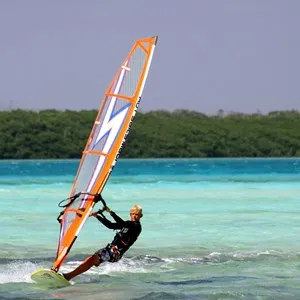
In Hato, Bonaire, you should not miss the following attractions: - **Klein Bonaire**: A small, uninhabited island perfect for snorkeling and relaxing on pristine beaches. - **Washington Slagbaai National Park**: Offers hiking trails, diverse wildlife, and breathtaking landscapes. - **Hato Caves**: Explore fascinating limestone caves with stalactites and stalagmites. - **Local Beaches**: Visit Sorobon Beach for windsurfing or Lac Bay for calm waters.
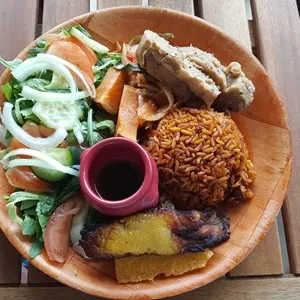
When in Hato, Bonaire, be sure to try local dishes such as: - **Kabritu**: A traditional goat stew, often served with rice and beans. - **Funchi**: A cornmeal dish similar to polenta, typically served as a side. - **Sopi di Piska**: A fish soup that highlights the island's fresh seafood. - **Tutu**: A sweet dessert made from a mix of flour, sugar, and coconut.
The best ways to get around Hato, Bonaire, include renting a car or scooter, as public transportation is limited. Car rentals are widely available and provide the flexibility to explore at your own pace. Bicycles are also a popular option for shorter distances. Taxis are available but may be less convenient for exploring remote areas.
Yes, when visiting Hato, Bonaire, it's important to be respectful of local customs. Here are a few tips: - Greet locals with a friendly "Bon Dia" (Good Day) or "Bon Tardi" (Good Afternoon). - Dress modestly when visiting local churches or rural areas. - Always ask for permission before taking photos of people. - Be mindful of the environment, especially when snorkeling or diving, to protect coral reefs.
Hato, Bonaire, is generally safe for travelers, but standard precautions should be taken. Ensure you have travel insurance that covers medical emergencies. It's advisable to drink bottled water, as tap water may not be suitable for everyone. Also, apply sunscreen and stay hydrated, especially during outdoor activities. Be cautious of strong currents while swimming or diving.