Hawaii - Big Island Travel & Vacation Guide

Current Weather

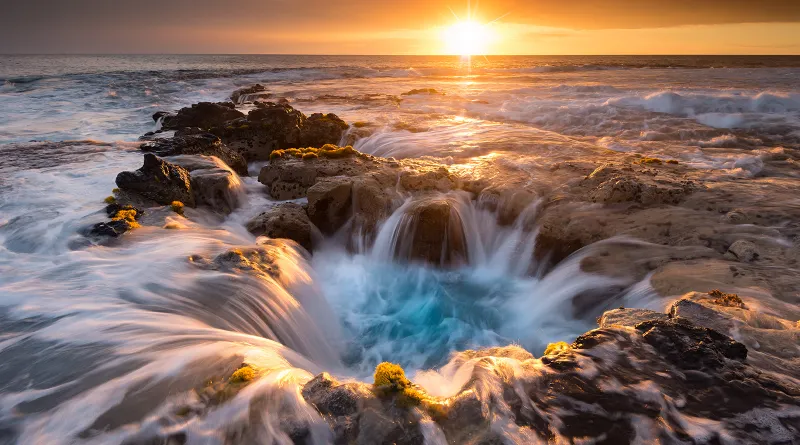
Description
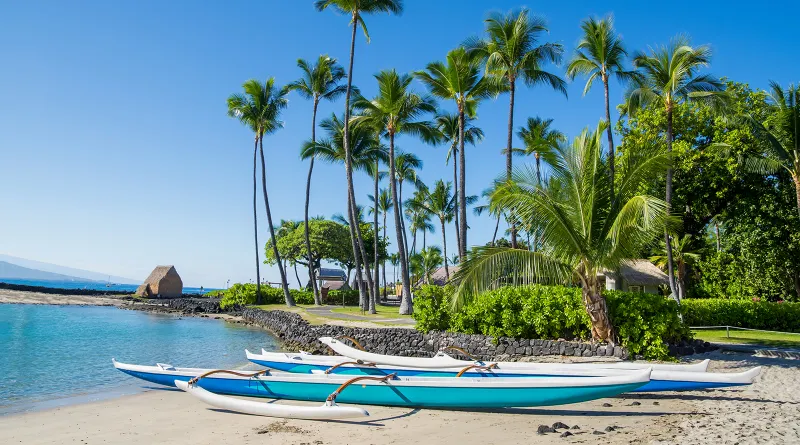
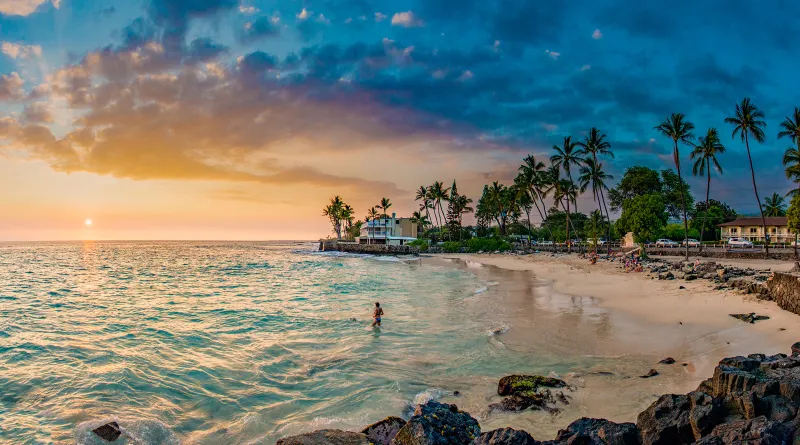
While Hawaii Island may be the youngest island in the archipelago, it retains its prominence as the first island to be touched by man. Coming in the form of Polynesian voyagers from the Marquesas Islands 1,500 years ago, they would become the first Hawaiians. Native Hawaiian temple ruins, royal grounds, fish ponds, sacred burial spots, and petroglyphs all remain as evidence of this early culture. And Puʻuhonua o Hōnaunau National Historical Park also retains many areas and items of historical significance. Throughout Hawaii’s era of discovery, Hawaii Island was divided among chiefdoms, leading to frequent skirmishes and contention between the factions. It was during this time that the last major religious “heiau” temple was built. In constructing a tribute to the war god Kukailimoku, King Kamehameha I hoped to bolster his efforts in uniting the Hawaiian Islands. He would go on to conquer the island and indeed unite the Kingdom. The temple is now the Puukohola Heiau National Historic Site in North Kohala, and there are also statues and dedications to the Great King Kamehameha around Hawaii Island. Over the next centuries, Hawaii Island would be influenced by the influx of missionaries, along with a roaring sugar industry. Today’s Big Island continues as a cornerstone for the Hawaiian Islands’ beauty, culture, and eternal elegance.
Useful information
The Island of Hawaii: 200,629 The State of Hawaii: 1.4 million
US Dollar, $1 = 100 cents
911
Most stores are open daily from 9:30am to 9pm or later. Most bars and clubs close around 2am.
Do & See
Dining

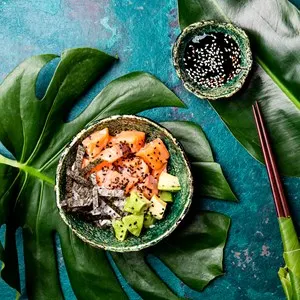

Coffee & Lunch





Bars & Nightlife




Shopping



Tourist Information



Frequently Asked Questions
The best time to visit Hawaii - Big Island is during the spring (April to June) and fall (September to November) when the weather is pleasant, and the tourist crowds are smaller. These shoulder seasons offer a good balance of favorable weather and fewer visitors, making it easier to explore the island's attractions.
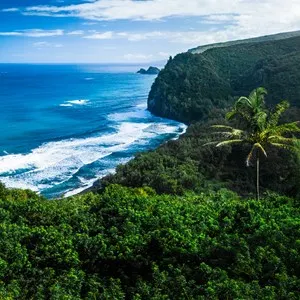
To fully experience Hawaii - Big Island, plan to stay at least 5 to 7 days. This allows you to explore the diverse landscapes, from volcanic parks to lush rainforests, and enjoy activities like snorkeling, hiking, and visiting cultural sites without feeling rushed.
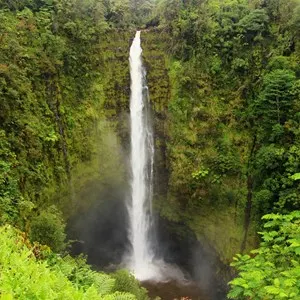
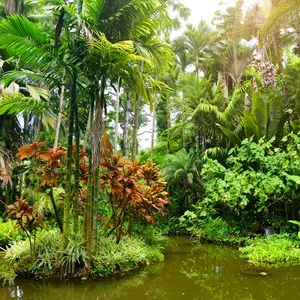
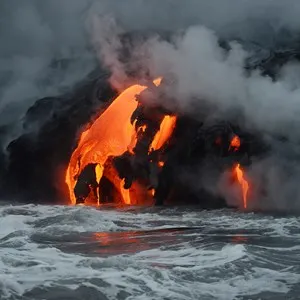
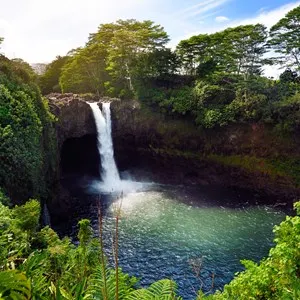
Must-see attractions on Hawaii - Big Island include Hawaii Volcanoes National Park, where you can witness active volcanoes; Mauna Kea for stargazing; Akaka Falls State Park for stunning waterfalls; and the black sand beaches of Punalu'u. Don't miss snorkeling at Kealakekua Bay and exploring the historic town of Kailua-Kona.
Renting a car is the best way to get around Hawaii - Big Island. The island is large, and public transportation is limited, so having a car provides the flexibility to explore at your own pace. Be sure to check road conditions, especially when visiting remote areas or volcanic sites.
Yes, try local dishes such as poke, a raw fish salad; loco moco, a hearty dish with rice, hamburger patty, fried egg, and gravy; and laulau, pork wrapped in taro leaves. Don't miss sampling fresh island fruits like papaya and passion fruit, or enjoying Kona coffee, a specialty of the region.
Popular outdoor activities on Hawaii - Big Island include hiking in Hawaii Volcanoes National Park, snorkeling at Honaunau Bay, and visiting the Mauna Kea Observatory for stargazing. You can also enjoy horseback riding in Waimea, zip-lining through tropical forests, and exploring lava tubes and caves.
Hawaii - Big Island hosts several unique cultural events, such as the Merrie Monarch Festival, a week-long celebration of hula and Hawaiian culture held every April. The Kona Coffee Cultural Festival in November celebrates the island's coffee heritage with tastings, parades, and cultural activities.