Hue Travel & Vacation Guide

Once the capital of the Nguyen Dynasty, Hue is where Vietnam’s royal past comes to life. With its majestic Imperial City, serene Perfume River, and age-old pagodas, this city is a place of grandeur, tradition, and quiet beauty.
Step back in time as you explore the Hue Citadel, a sprawling UNESCO-listed complex of palaces, temples, and courtyards that once housed emperors. Drift along the Perfume River on a private dragon boat, stopping at the Thien Mu Pagoda, which has watched over the city for centuries. Indulge in royal-inspired cuisine, once served exclusively to emperors, and uncover hidden treasures like the tombs of Minh Mang and Khai Dinh, each a masterpiece of Vietnamese architecture.
With its imperial charm, rich heritage, and tranquil riverside ambiance, Hue is a must-visit for those seeking history, culture, and luxury with a touch of nostalgia.
Current Weather

Frequently Asked Questions
The best time to visit Hue is from February to April when the weather is mild and dry. During these months, you can enjoy pleasant temperatures ranging from 20°C to 25°C (68°F to 77°F), making it ideal for exploring the city's historical sites. The rainy season typically runs from September to December, which can lead to flooding, while the summer months (May to August) can be quite hot and humid.
A stay of 2 to 3 days in Hue is recommended to fully appreciate its cultural and historical offerings. This timeframe allows you to visit key attractions such as the Imperial City, the Thien Mu Pagoda, and the royal tombs of the Nguyen Dynasty. Additionally, you can take a leisurely boat ride on the Perfume River and sample local cuisine, such as bun bo Hue (spicy beef noodle soup).
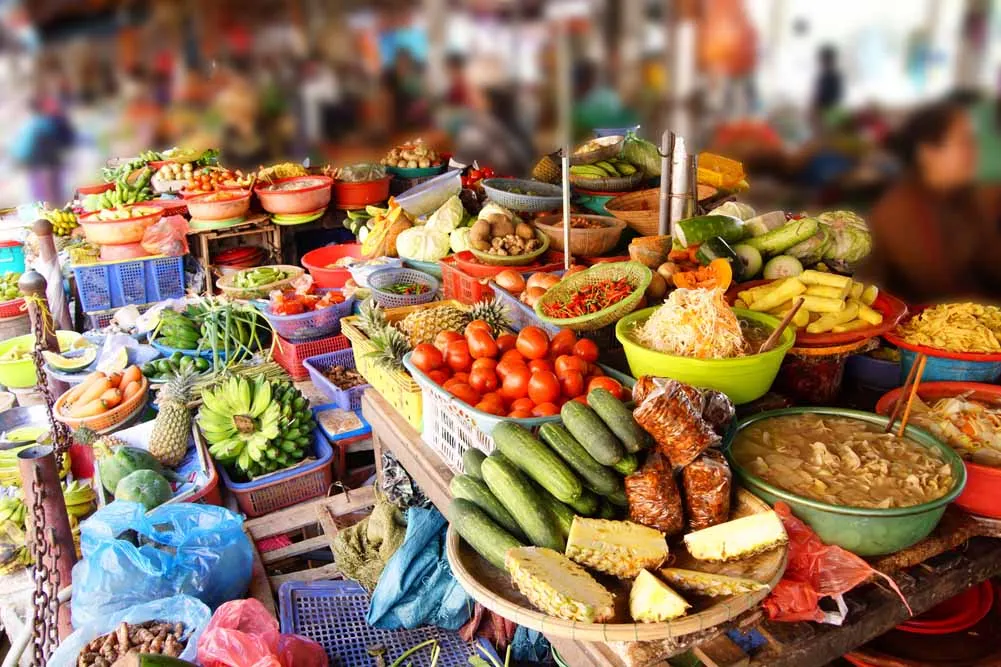
Hue is rich in historical landmarks and cultural experiences. Key attractions include: - The Imperial City: A UNESCO World Heritage Site and the former royal palace of the Nguyen emperors. - Thien Mu Pagoda: An iconic seven-story pagoda overlooking the Perfume River. - The Tombs of the Emperors: Visit the elaborate tombs of emperors like Tu Duc and Khai Dinh. - Dong Ba Market: A bustling market to experience local life and cuisine.
Hue is famous for its unique cuisine, characterized by its bold flavors and royal influence. Must-try dishes include: - Bun Bo Hue: A spicy beef noodle soup that is a local specialty. - Banh Khoai: Crispy pancakes filled with shrimp and bean sprouts, served with a tangy dipping sauce. - Nem Lui: Grilled pork skewers served with rice paper and fresh herbs. - Che Hue: A variety of sweet desserts made with beans, fruits, and coconut milk.
The best way to get around Hue is by bicycle or motorbike, allowing you to explore at your own pace. Many hotels offer bike rentals, and the city is relatively flat, making cycling enjoyable. Alternatively, you can hire a motorbike taxi (xe ôm) or use ride-hailing apps like Grab for convenience. Walking is also a great option for exploring the city center and its attractions.
When visiting Hue, it's important to respect local customs and traditions. Here are a few tips: - Dress modestly when visiting temples and pagodas; shoulders and knees should be covered. - Remove your shoes before entering homes and religious sites. - Always ask for permission before taking photos of people, especially in rural areas. - Be polite and greet locals with a smile, as friendliness is highly valued.
Hue hosts several vibrant festivals throughout the year, with the most notable being the Hue Festival, held every two years in April. This cultural event showcases traditional music, dance, and art, attracting performers from around the world. Additionally, the Tet Festival (Lunar New Year) is celebrated with various activities, including flower markets and fireworks, making it a lively time to experience local traditions.