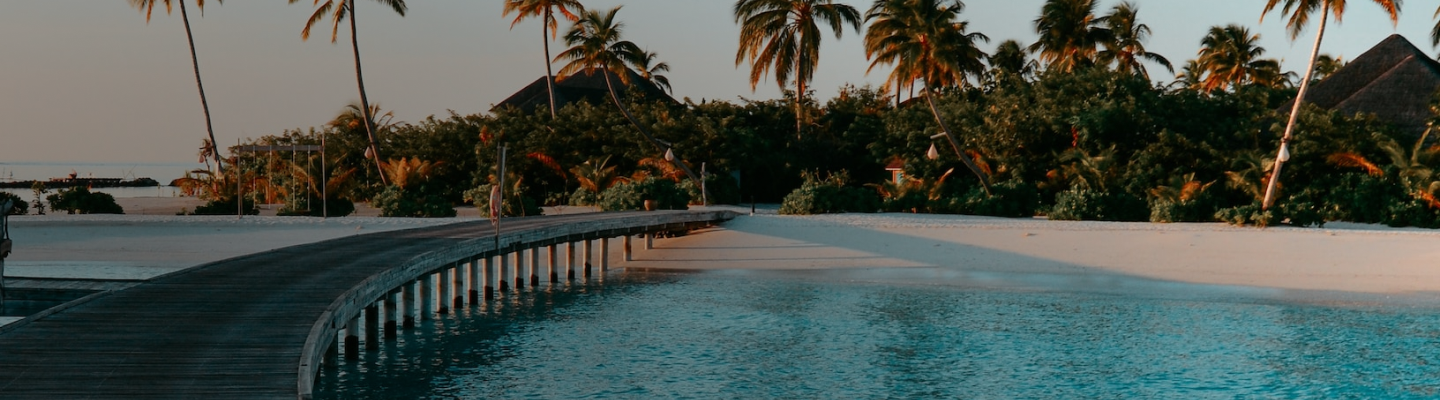
Les Trois-Îlets Travel & Vacation Guide
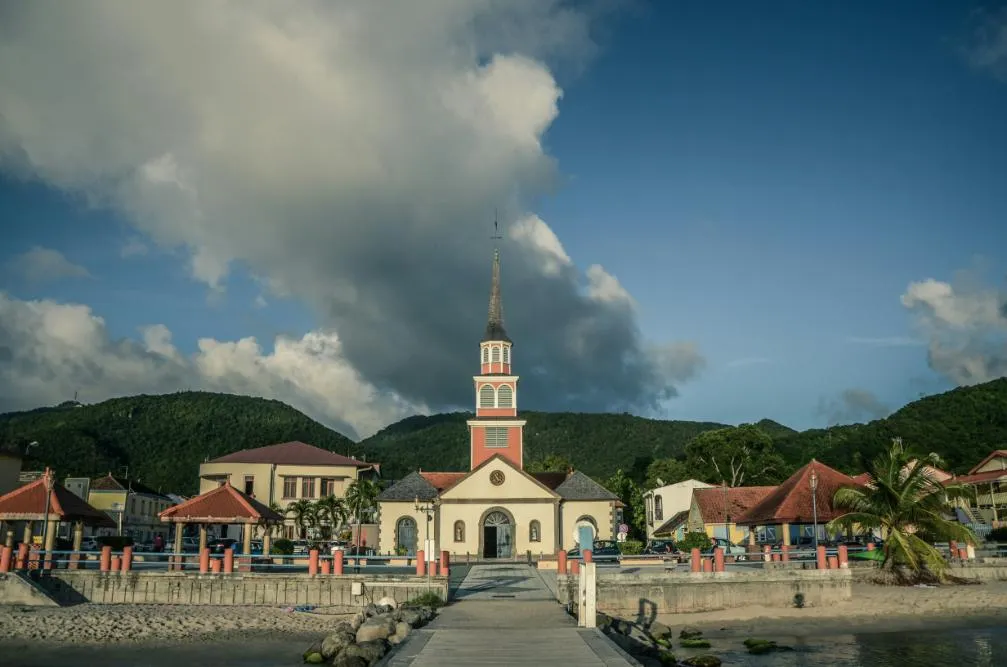
Current Weather

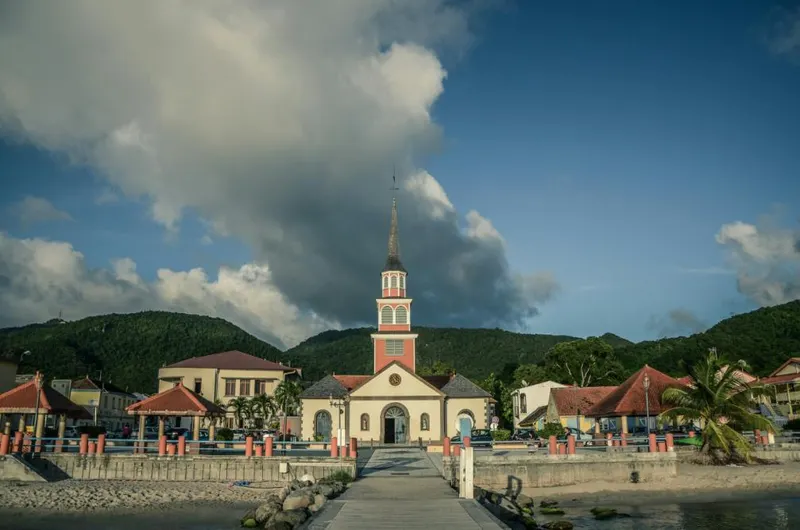
Description
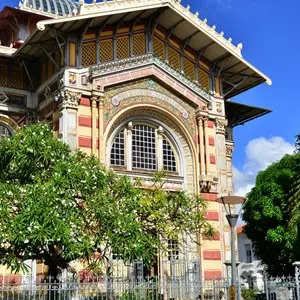
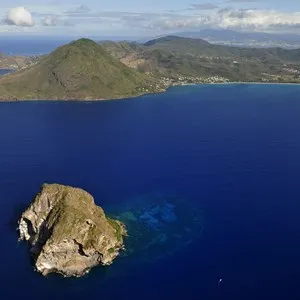
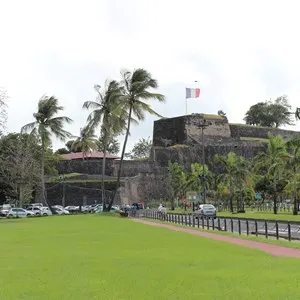
Fort-de-France is finally living up to its potential and becoming the up-and-coming city many knew it could be. There has always been plenty there to exploit, from the "One of the World's Most Beautiful Bays" (an honor recently bestowed upon the Fort-de-France Bay) to the historical landmarks dating back to the early days of colonization, to the eclectic and sophisticated Creole cuisine, to the incomparable natural beauty of the surrounding area. The city has been called "The Paris of the Caribbean," and though this may be a bit of an exaggeration, there are solid reasons for the comparison. Recent development projects are finally coming to fruition, renewing the central park of La Savane and the wonderful beachside promenade, and more projects are planned for the future which will surely make Fort-de-France one of the most appealing, walkable, beautiful and cosmopolitan cities in the Caribbean. Also take the chance to explore the surrounding areas, climb Mount Pelée, visit natural reserves and revel at some of the island's dream-like beaches.
Useful information
74,219 (2023)
Euro, €1 = 100 cents
Fire: 18
Police: 17
Ambulance: 15
Shops tend to open at about 9am and close between 4pm and 5pm, many of them closing for an hour or two at lunchtime. Restaurants usually open closer to noon, taking a break for a few hours in the afternoon, and then staying open until late, often 10pm or even midnight.
Do & See
Dining

Cafés
Bars & Nightlife




Shopping






Tourist Information







Frequently Asked Questions
The best time to visit Les Trois-Îlets is from December to April, during the dry season when the weather is pleasant and rainfall is minimal. This period also coincides with the peak tourist season, so expect more visitors and higher prices. If you prefer fewer crowds, consider visiting in May or November, when the weather is still warm but less humid.
A stay of about 4 to 7 days in Les Trois-Îlets is ideal to fully enjoy the area. This allows you to explore local beaches, visit historical sites, and take part in water sports. You can also plan day trips to nearby attractions such as Fort-de-France or the beautiful beaches of Anse Dufour and Anse Noire.
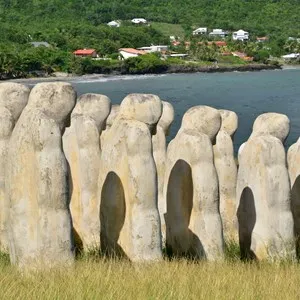
In Les Trois-Îlets, be sure to visit the La Savane des Esclaves, a cultural site that showcases the history of slavery in Martinique. The beautiful beaches, such as Anse Mitan and Anse à l'Ane, are perfect for relaxation and water activities. Don't miss the Pagerie Museum, which is dedicated to Empress Joséphine, and the stunning views from the Pointe du Bout.
When in Les Trois-Îlets, indulge in local dishes such as accras (fried cod fritters), boudin (blood sausage), and colombo (a Caribbean curry). Be sure to sample the island's rum, particularly rhum agricole, which is made from sugarcane juice. Pair your meals with fresh tropical fruits like mangoes and pineapples for a true taste of Martinique.
Getting around Les Trois-Îlets is convenient with various options available. You can rent a car for flexibility, use local taxis, or take the ferry to Fort-de-France for a scenic trip. Public buses are also available, although they may not run as frequently. Biking is a popular choice for exploring the coastal areas.
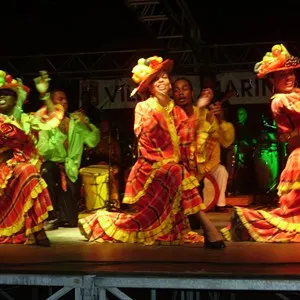
Les Trois-Îlets hosts several cultural events throughout the year, including Carnival celebrations in February, which feature vibrant parades and music. The Fête de la Musique in June celebrates local music with performances across the town. Additionally, the Festival of the Sea in July showcases maritime culture with various activities and exhibitions.
In Les Trois-Îlets, it's customary to greet people with a friendly "Bonjour" or "Bonsoir" depending on the time of day. Dress is generally casual, but swimwear should be reserved for the beach. When dining, it's polite to wait for the host to begin the meal. Tipping is appreciated but not mandatory; rounding up the bill or leaving a small amount is common.