Lima Travel & Vacation Guide







Current Weather



Description
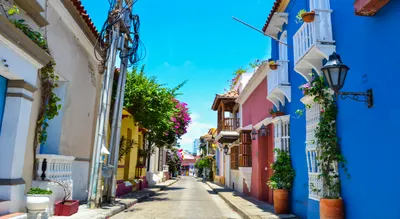
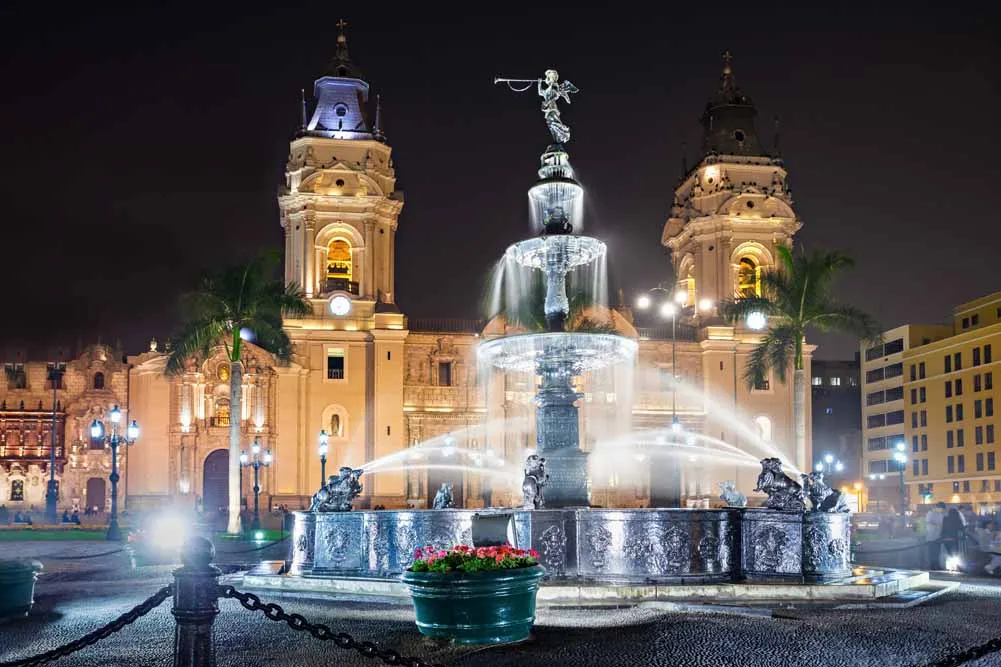
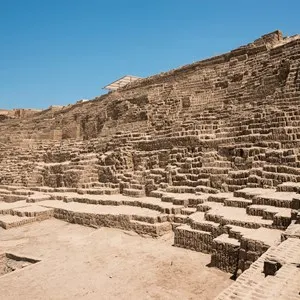
Peru's capital encompasses thousands of years of history. Founded in 1535 by Spanish conquistador Francisco Pizarro, the 'City of Kings' as it is known, was once the political, administrative, and religious heart of South America, although its origins date far further back than the colonial presence in the country, evidenced by the large number of archaeological sites in the area. Today, Lima is a sprawling metropolis with a hectic lifestyle that knows how to keep a good balance when it comes to embracing the new without letting go of the old. There are plenty of reasons for you to make Lima your next destination, even if it's just a quick stop on your way to Machu Picchu.
Useful information
Metro area: 11 million (2023)
Sol (PEN). US Dollars are widely accepted as a form of payment as well.
Police: 105
Ambulance: 106
Fire Brigade: 116
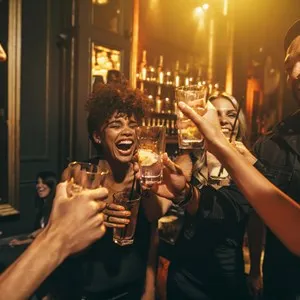
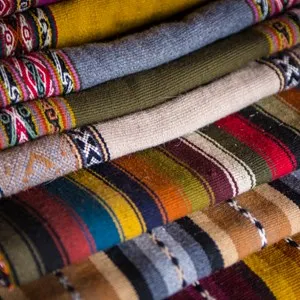
Shops are usually open from 9:30am to 8pm Monday to Saturday, and on Sundays from 11am to 6pm. Regarding entertainment venues, they usually stay open until 1am on weekdays and until 3am on the weekends, while restaurants tend to remain open until 10pm.
Do & See
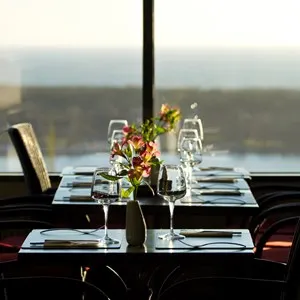
Dining


Cafés




Bars & Nightlife



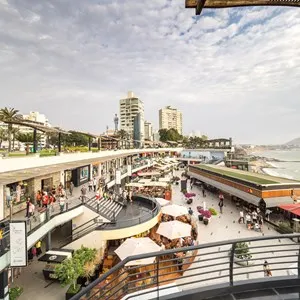
Shopping



Tourist Information

Frequently Asked Questions
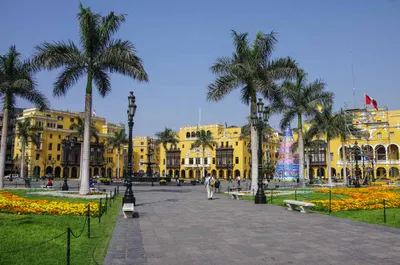
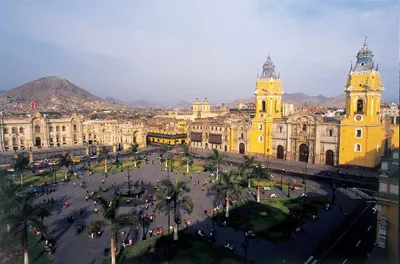
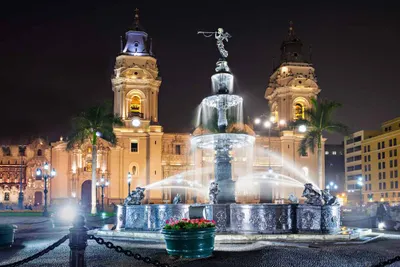
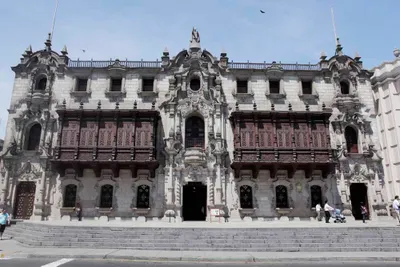
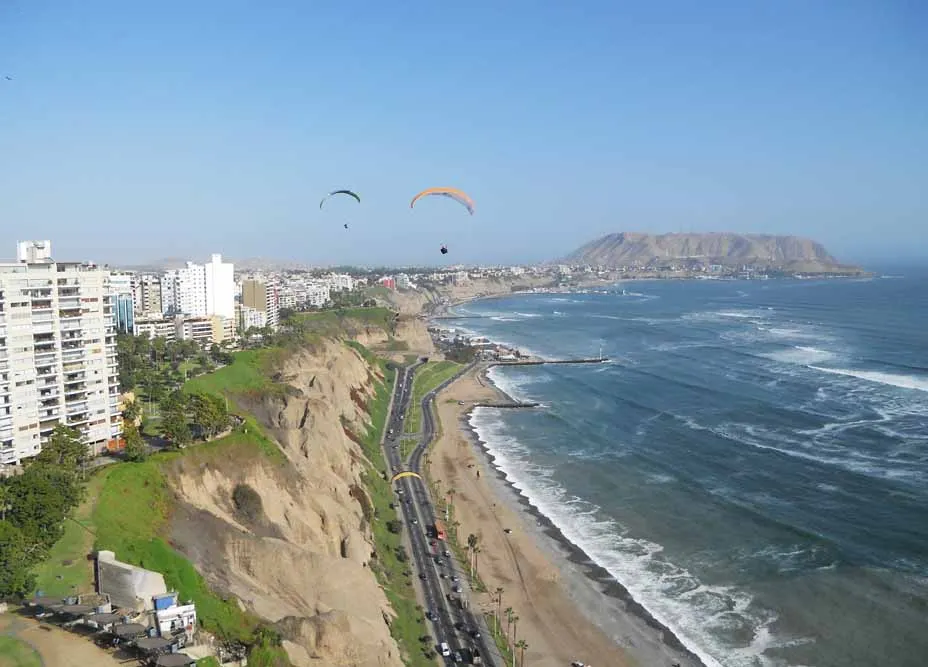
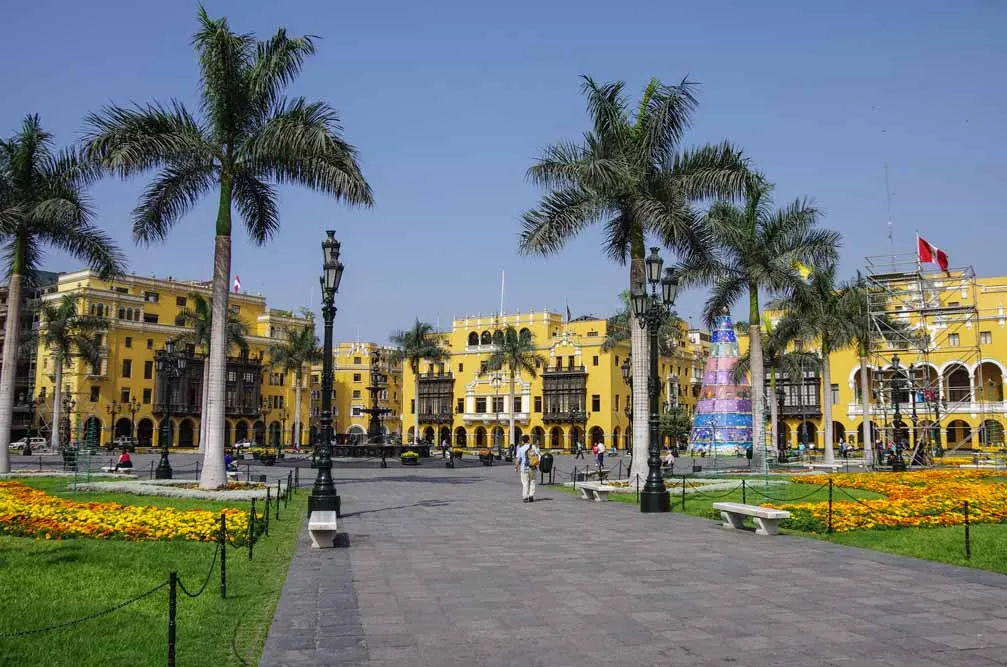
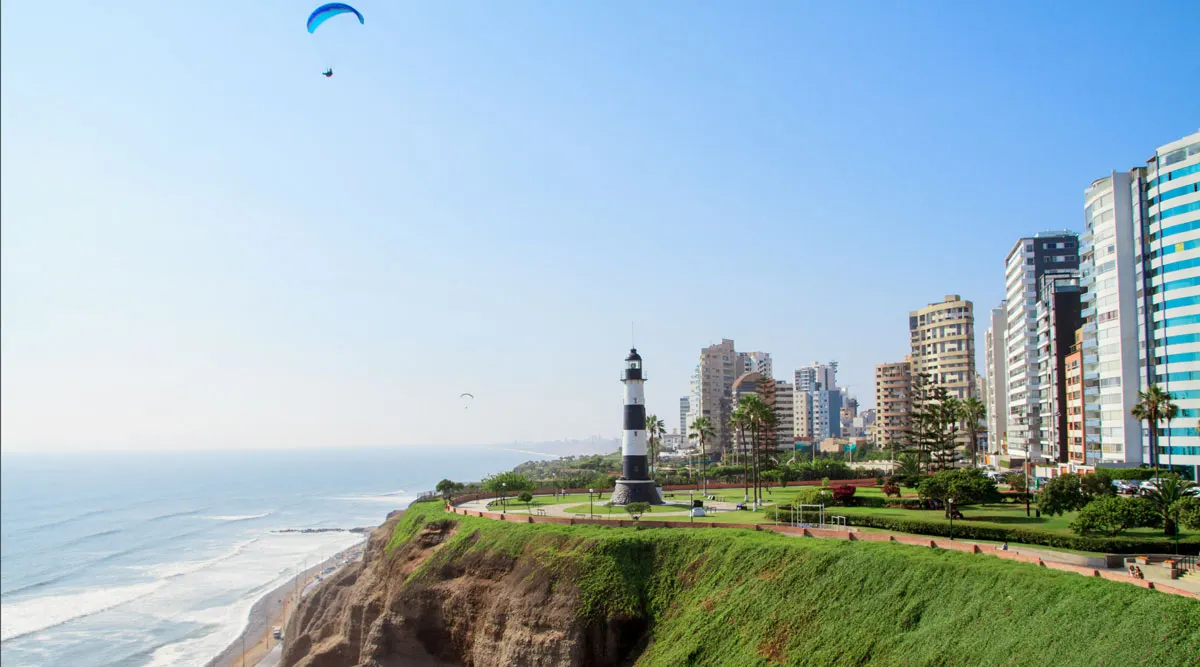
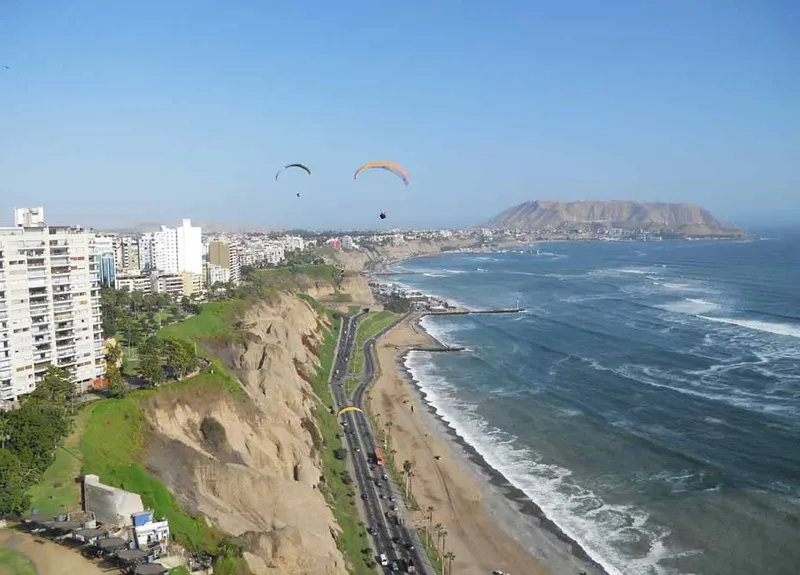
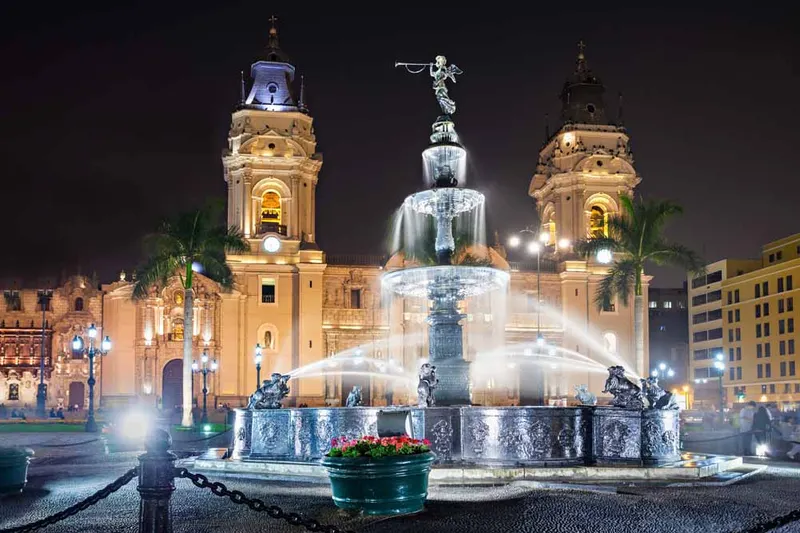
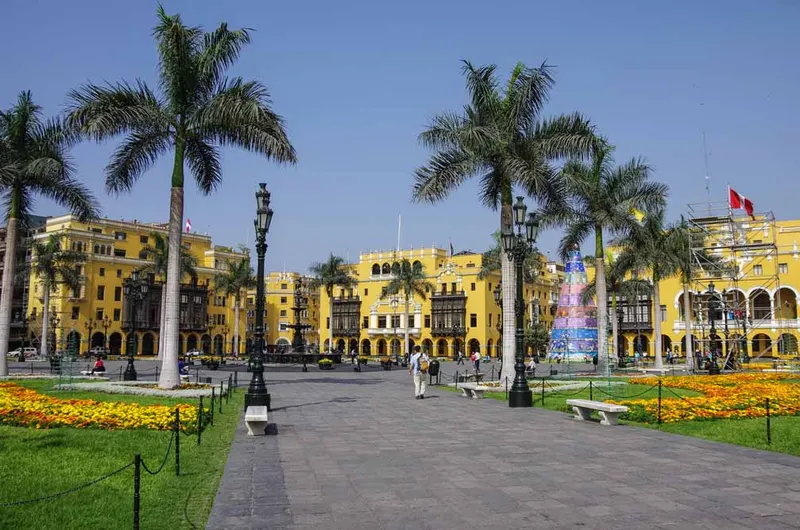
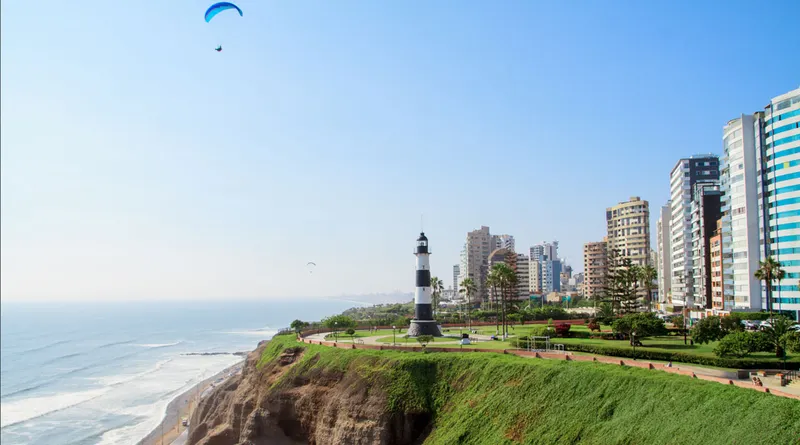
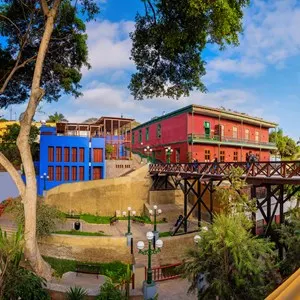
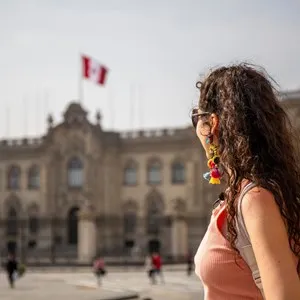
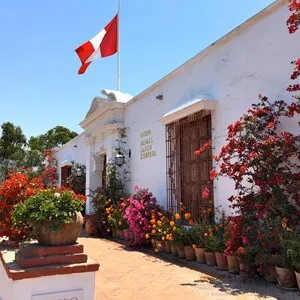
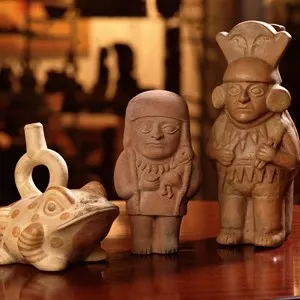
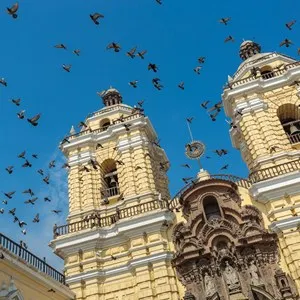
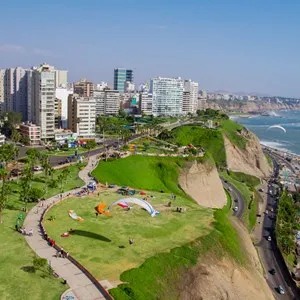
Lima, the capital of Peru, offers a mix of historical and modern attractions. Must-sees include the Plaza Mayor, the heart of the city with its colonial architecture, and the Larco Museum, which houses pre-Columbian art. Don't miss the vibrant district of Barranco, known for its bohemian atmosphere and street art, and the stunning views from the Miraflores boardwalk.
The best time to visit Lima is during the summer months from December to April when the weather is warm and dry. This is ideal for exploring the city's outdoor attractions and coastal areas. However, keep in mind that this is also the peak tourist season, so attractions may be busier.
Getting around Lima is easiest via taxis or rideshare apps like Uber, which are widely available and affordable. The city also has a public bus system called the Metropolitano, which is a rapid transit bus line that connects major districts. Walking is a great way to explore neighborhoods like Miraflores and Barranco.
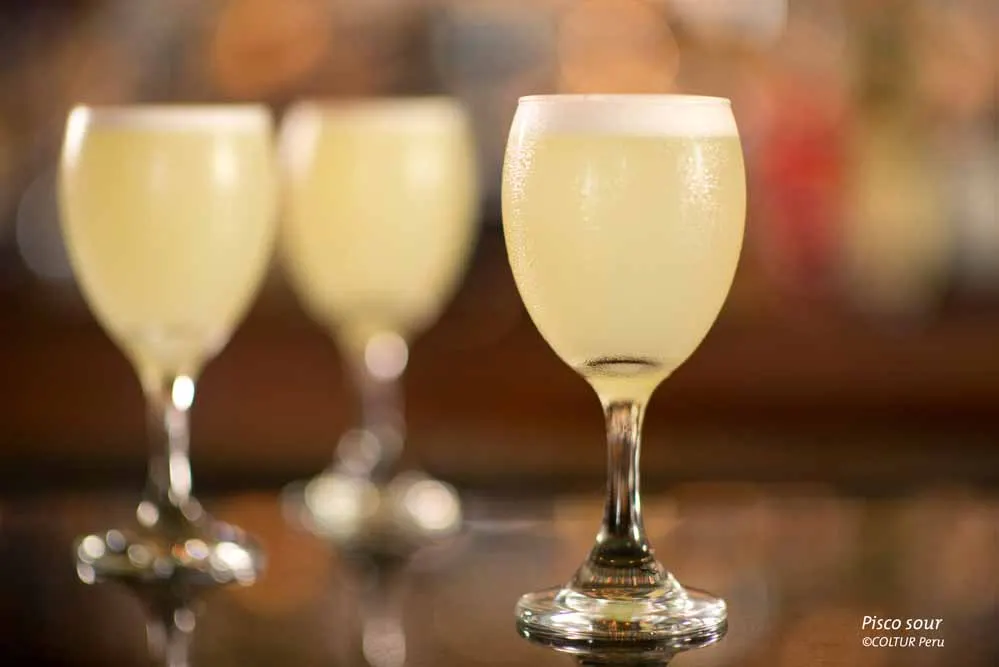
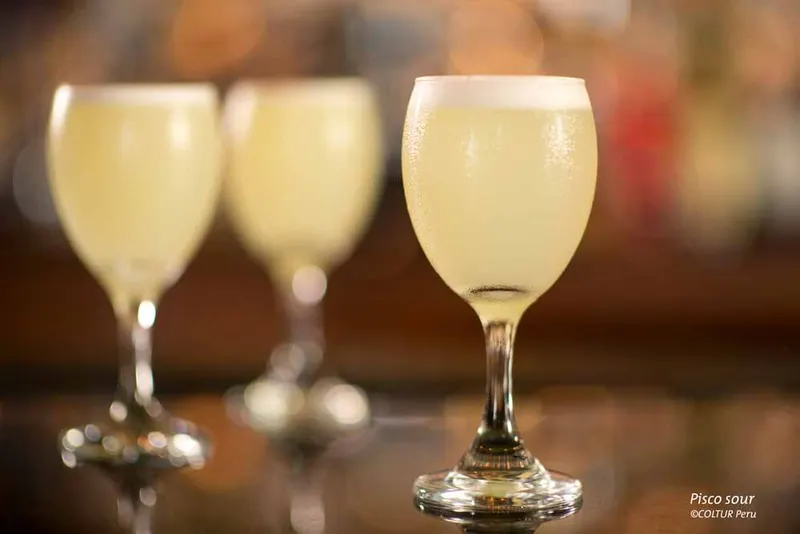
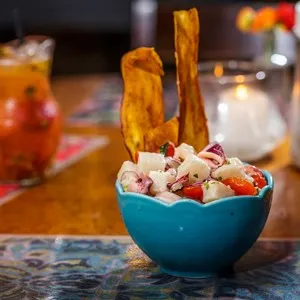
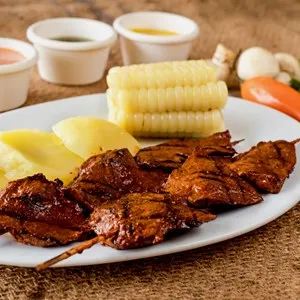
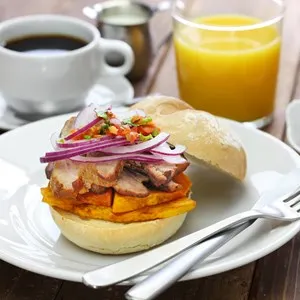
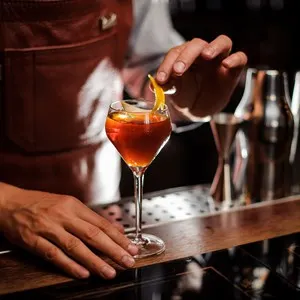
Lima is renowned for its culinary scene. Be sure to try ceviche, a dish of fresh raw fish marinated in citrus juices, and lomo saltado, a stir-fry of beef, tomatoes, and onions. For dessert, try picarones, a type of doughnut made from squash and sweet potato. Pair your meals with a Pisco Sour, the national cocktail of Peru.
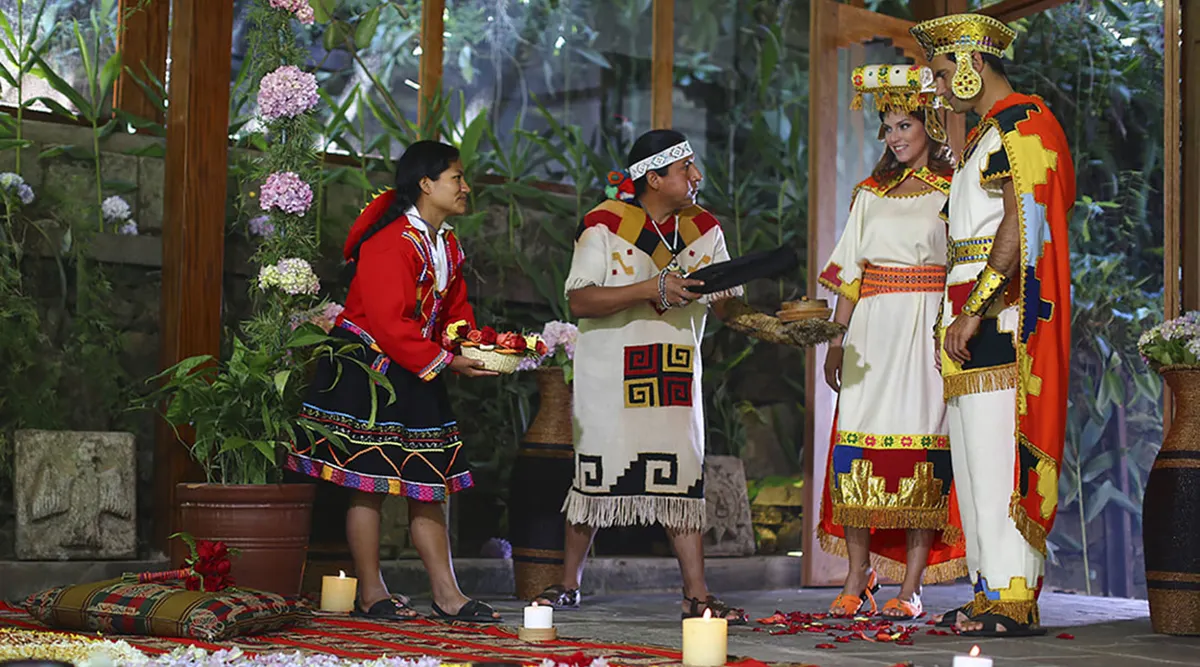
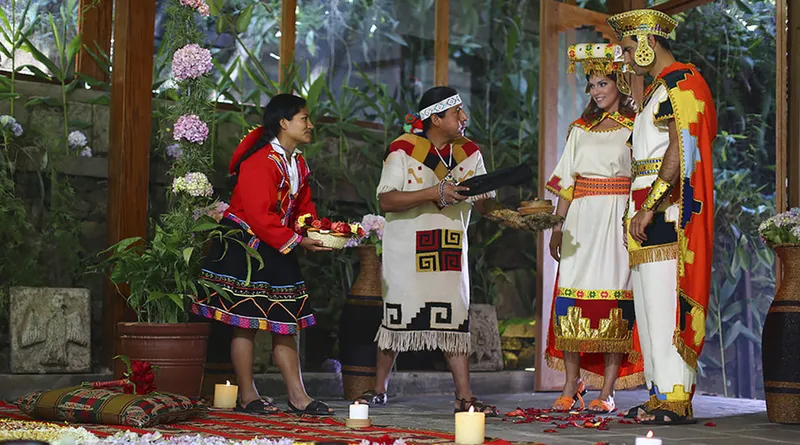
Lima hosts several vibrant festivals throughout the year. The Festival de la Vendimia in March celebrates the grape harvest with parades and wine tastings. In October, the Señor de los Milagros procession, one of the largest religious events in the world, takes place, drawing thousands of participants.
While Lima is generally safe for tourists, it's important to stay vigilant. Avoid displaying valuables and be cautious in crowded areas to prevent pickpocketing. Stick to well-lit and busy streets, especially at night, and use reputable transportation options like registered taxis or rideshare services.
A stay of three to four days in Lima is ideal to explore its main attractions, enjoy its culinary offerings, and experience its vibrant culture. This allows time to visit key sites, enjoy local cuisine, and perhaps take a day trip to nearby attractions such as the Pachacamac archaeological site.
Trips