Malta Travel & Vacation Guide
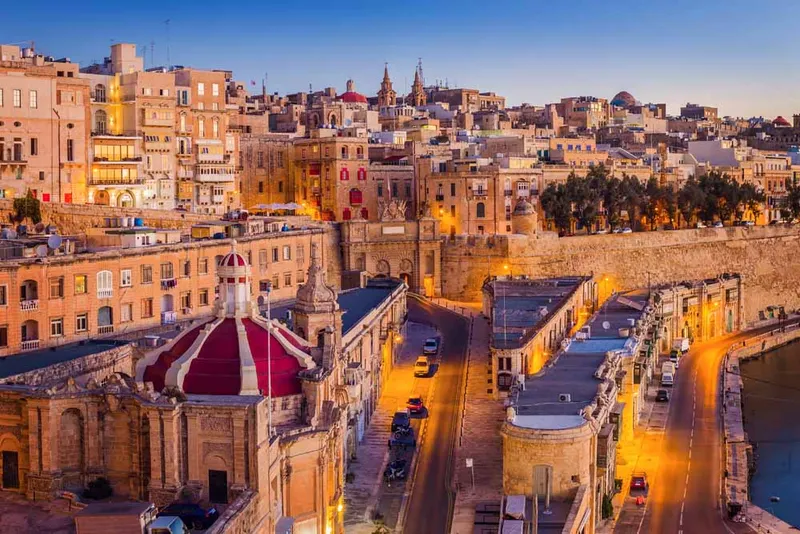
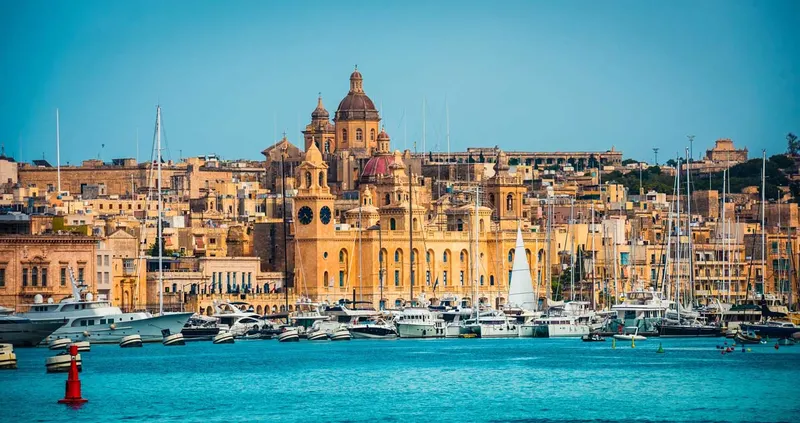
Cities & Region
Frequently Asked Questions
The best time to visit Malta is during the spring (April to June) and fall (September to October) when the weather is pleasantly warm and the tourist crowds are smaller. Summer (July to August) can be quite hot, with temperatures often exceeding 90°F, making it less comfortable for sightseeing. Additionally, visiting in spring allows you to enjoy blooming landscapes and various local festivals.
A stay of about 5 to 7 days in Malta is ideal to fully explore the islands. This duration allows you to visit the main attractions such as Valletta, Mdina, and the Blue Lagoon, as well as enjoy some leisure time on the beaches. You can also take day trips to nearby Gozo and Comino to experience their unique charm and natural beauty.
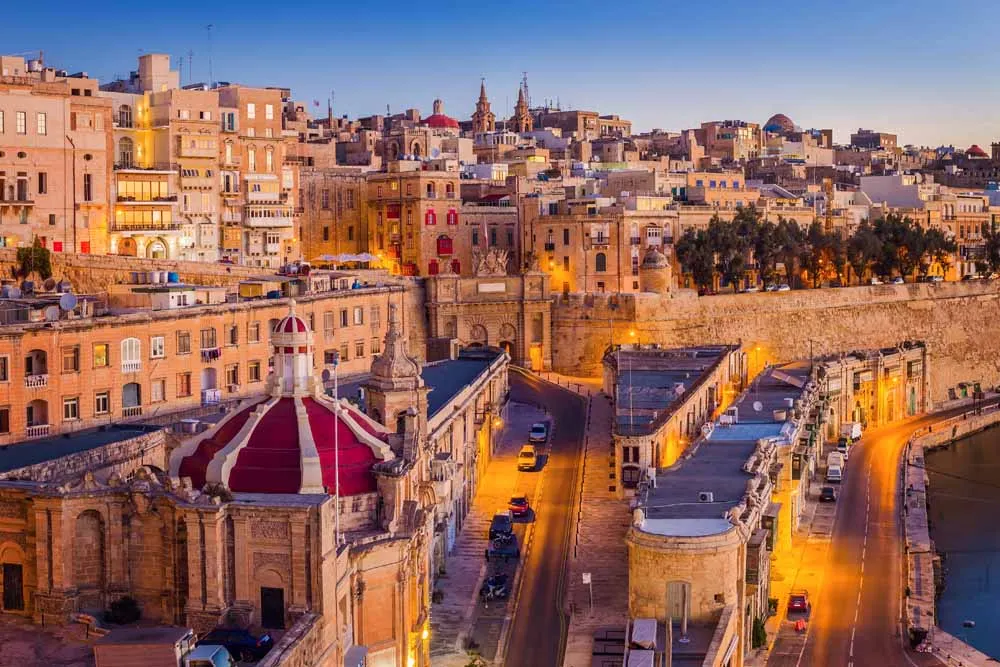
Some must-see sights in Malta include: - Valletta: The capital city, known for its historic architecture and the stunning St. John's Co-Cathedral. - Mdina: The ancient walled city, often referred to as the 'Silent City.' - The Blue Lagoon: A beautiful bay on Comino, perfect for swimming and relaxing. - The Megalithic Temples: UNESCO World Heritage Sites showcasing Malta's prehistoric culture.
The best way to get around Malta is by using public buses, which are affordable and cover most areas. Renting a car is also popular, but be aware that driving is on the left side of the road. Taxis and rideshare services are available, but can be more expensive. Additionally, ferries operate between the main islands, providing scenic transport options.
While in Malta, you should try local dishes such as: - Pastizzi: Flaky pastry filled with ricotta or peas. - Rabbit Stew (Fenkata): A traditional Maltese dish often served with pasta. - Bragioli: Beef olives stuffed with a mixture of meat and spices. - Maltese Bread: Known for its crusty exterior and soft interior, perfect for sandwiches.
Yes, Malta hosts several cultural events and festivals throughout the year. Notable ones include: - The Malta International Fireworks Festival: Held in April, featuring stunning fireworks displays. - The Feast of St. Julian's: A week-long celebration in August with processions, music, and food. - Carnival: Celebrated in February, showcasing colorful parades and costumes.
In Malta, it's customary to greet people with a handshake and maintain eye contact during conversations. Dress modestly when visiting churches and religious sites, as a sign of respect. Tipping is appreciated but not mandatory; rounding up the bill or leaving a 10% tip is common practice in restaurants. Additionally, be mindful of local traditions and festivals, as they are an integral part of Maltese culture.