Muscat Travel & Vacation Guide
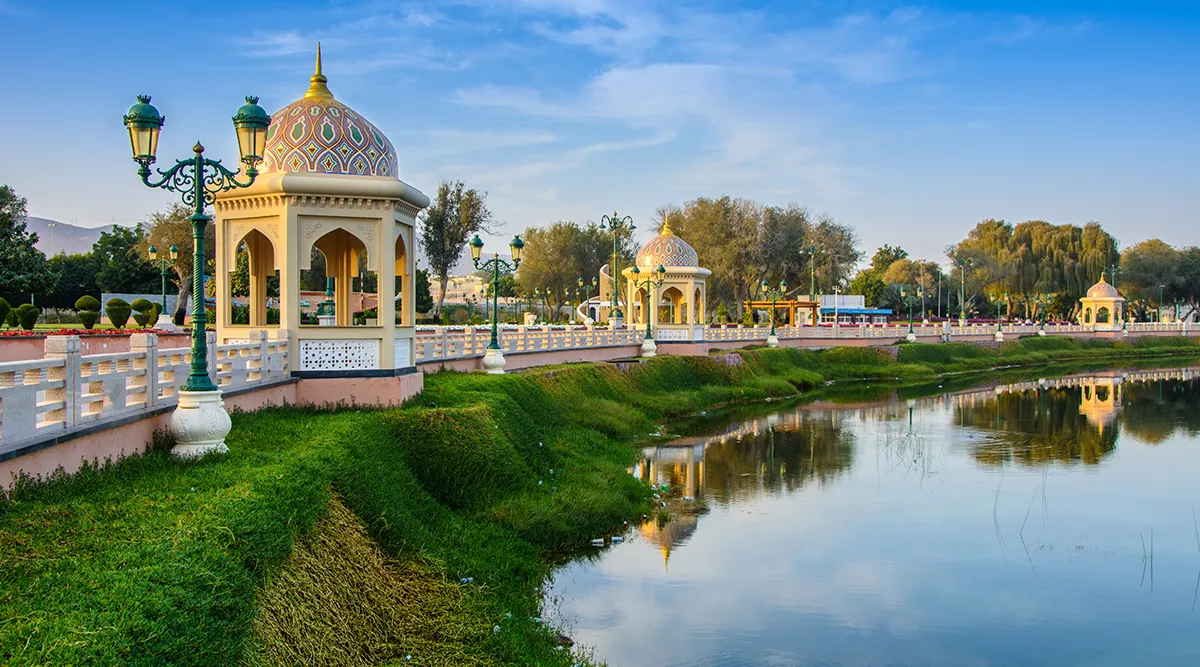

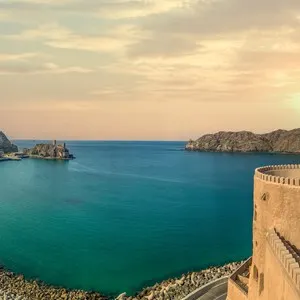
Muscat, the enchanting capital of Oman, blends tradition with modern elegance along the Arabian Sea. The Sultan Qaboos Grand Mosque, with its marble halls and dazzling chandelier, is one of the Middle East’s most stunning landmarks. Stroll through Mutrah Souk, where incense, silver jewelry, and textiles fill the air with Omani charm. The Royal Opera House showcases world-class performances, while Al Alam Palace and its forts reflect the nation’s royal heritage. Muscat’s waterfront corniche offers breathtaking views, especially at sunset, and the city’s beaches are perfect for relaxation or dolphin-watching cruises. With its welcoming hospitality, vibrant culture, and striking mix of old and new, Muscat serves as both the heart of Oman and a gateway to exploring its mountains, deserts, and coastline.
Current Weather


Description
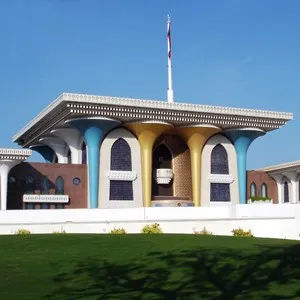
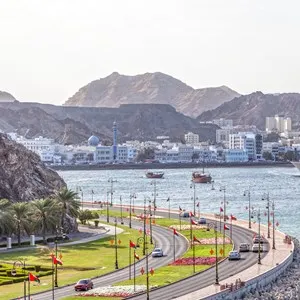
What were once three small villages of Muscat, Muttrah and Ruwi, today constitute the modern, ever-growing and very cosmopolitan Omani capital, with each of the three areas still preserving some of their individual flair. Old Muscat, the historic heart of the city, contains some of the finest Arabian architecture and cultural heritage sites. Old Portuguese forts and historic buildings breathe the charm of the foregone ages. The opulent Sultan Qaboos Grand Mosque, a rather new addition to the local architectural landscape, has grown to become the country's major religious centre. The scenic, busy port area of Muttrah is the place to be right before sundown. A promenade along its seaside Corniche lined with stylish hotels and eateries makes for a perfect kick-start to the evening, to be continued exploring the Muttrah Souq and Muscat's somewhat hushed, but very present nightlife. Neighbouring Ruwi is best explored during the day when its dynamic business district reveals its unique character. This newly developed area offers a blend of modern commerce and traditional charm, with bustling markets, diverse shops, and an array of eateries. Some distances might prove too long for walking but commuting between Muscat's historically detached areas is made easy by omnipresent minibuses and taxis, easily hailed down from any point in the city.
Useful information
1.7 million (2025)
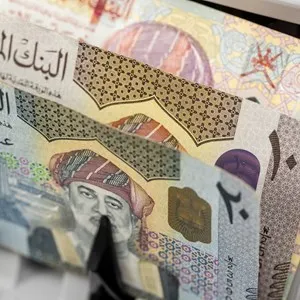
Omani Rial (OMR) = 1000 baisa
Police/Fire/Ambulance: 999
Most governmental offices and government-run facilities, including post offices and museums, open and close early: 7:30am–2:30pm. Commercial establishments and local businesses have longer working hours and often operate late into the night, but often close for mid-day break between 3pm and 6pm.
Do & See


Dining





Cafés




Bars & Nightlife



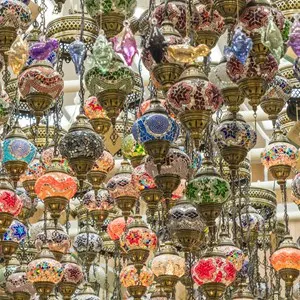
Shopping



Tourist Information






Frequently Asked Questions
The best time to visit Muscat is between October and April when the weather is pleasantly warm and dry. During these months, daytime temperatures range from the mid-70s to low 80s Fahrenheit, making it ideal for outdoor activities and sightseeing. Avoid the summer months from May to September, as temperatures can soar above 100°F, making it uncomfortable for exploration.
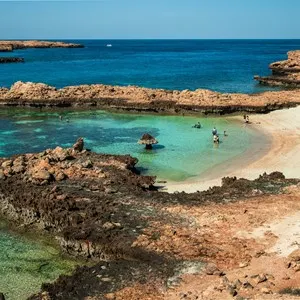
A stay of 3 to 5 days in Muscat is recommended to fully enjoy its attractions and culture. This allows time to visit key sites like the Sultan Qaboos Grand Mosque, the Royal Opera House, and the Mutrah Souq. You can also take day trips to nearby attractions such as the stunning beaches of Qurum or the historic forts in Nizwa.
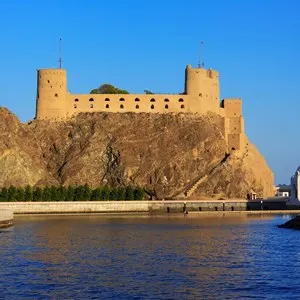
Muscat is home to several must-see landmarks, including: - Sultan Qaboos Grand Mosque: One of the largest mosques in the world, known for its stunning architecture. - Royal Opera House: A cultural hub showcasing international performances. - Mutrah Corniche: A scenic waterfront promenade ideal for strolling and enjoying views of the harbor. - Al Jalali and Al Mirani Forts: Historic forts offering insight into Oman’s past.
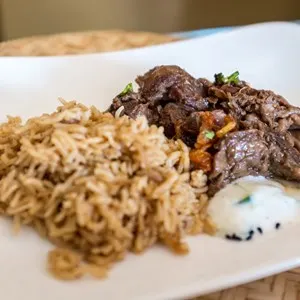
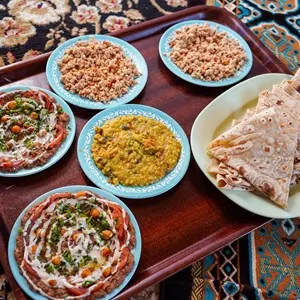
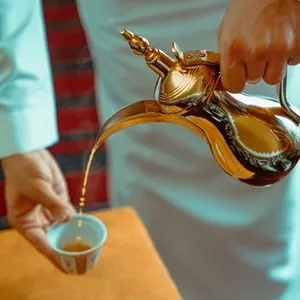
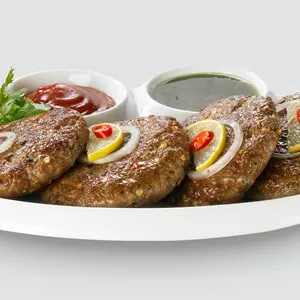
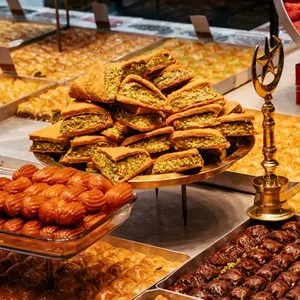
Omani cuisine is rich and flavorful, featuring dishes like Shuwa (slow-cooked lamb marinated in spices), Majboos (a spiced rice dish with meat), and Harees (a wheat and meat porridge). Don't miss trying local sweets such as Halwa, a sweet confection made with rosewater and spices. Additionally, enjoy traditional coffee (Kahwa) served with dates.
The best way to get around Muscat is by taxi or private car hire, as public transportation options are limited. Taxis are readily available and relatively affordable, but ensure to agree on a fare before starting your journey. Renting a car can also be convenient if you plan to explore areas outside the city.
Yes, when visiting Muscat, it's important to respect local customs and traditions. Dress modestly, especially in public places and religious sites; women should cover their shoulders and knees. During Ramadan, be mindful of fasting hours and avoid eating or drinking in public. Greetings are often warm, with a handshake being common, but wait for a local to extend their hand first.
Muscat hosts several cultural events and festivals throughout the year, including: - Muscat Festival: A month-long celebration in January featuring cultural performances, food stalls, and traditional crafts. - Salalah Tourism Festival: Held in the summer, showcasing the unique culture of the Dhofar region. - Eid al-Fitr and Eid al-Adha: Important Islamic holidays celebrated with various festivities, including feasting and community events.