Namibia Travel & Vacation Guide



Cities & Region
Frequently Asked Questions
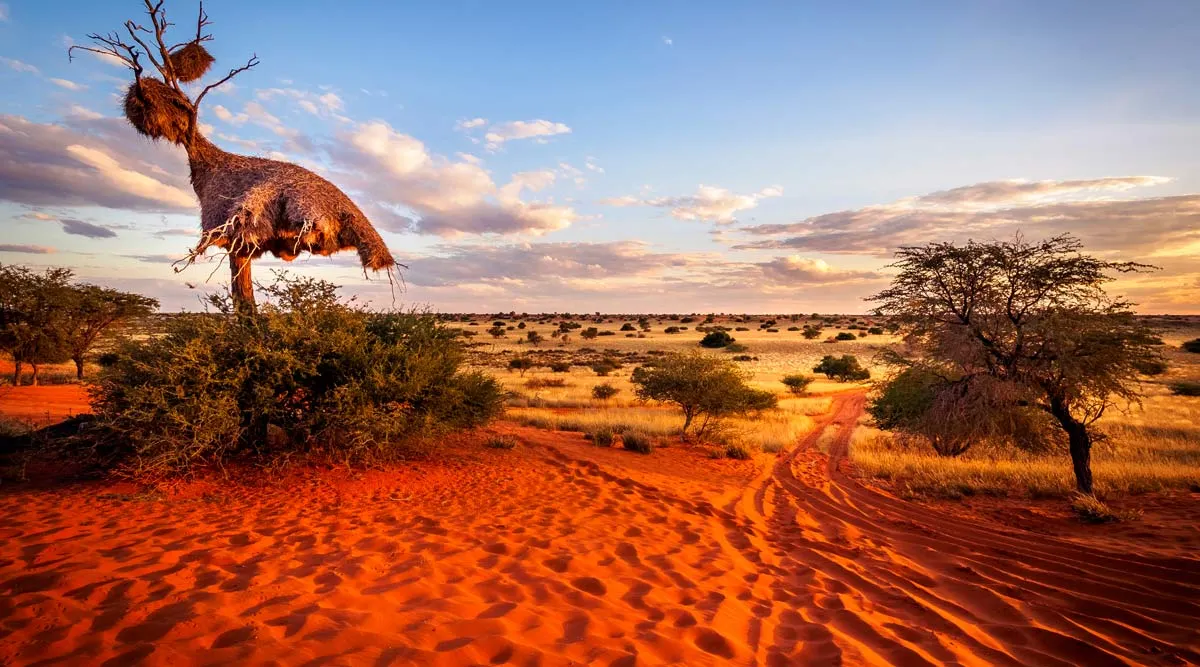
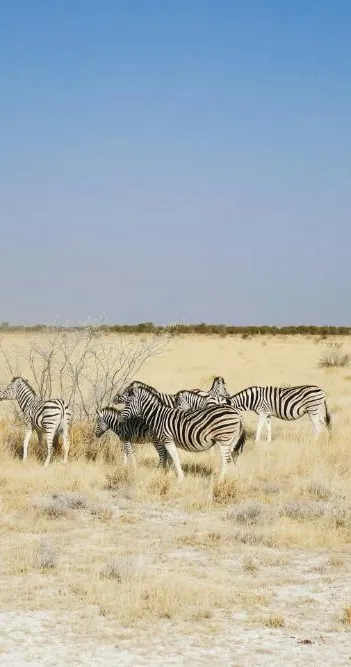
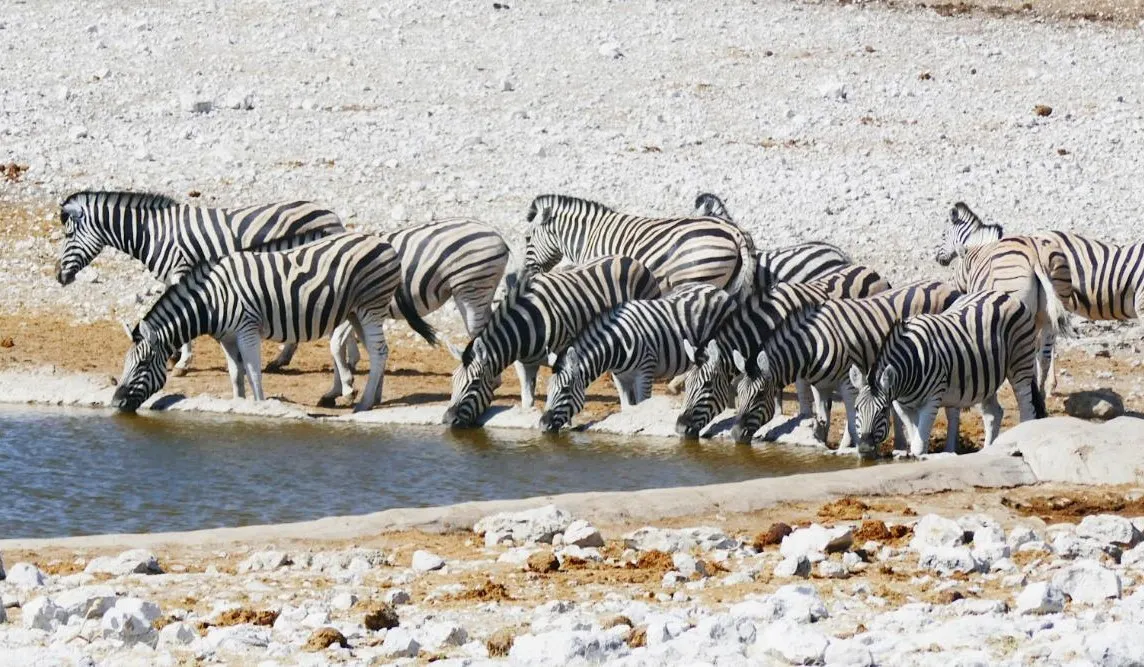
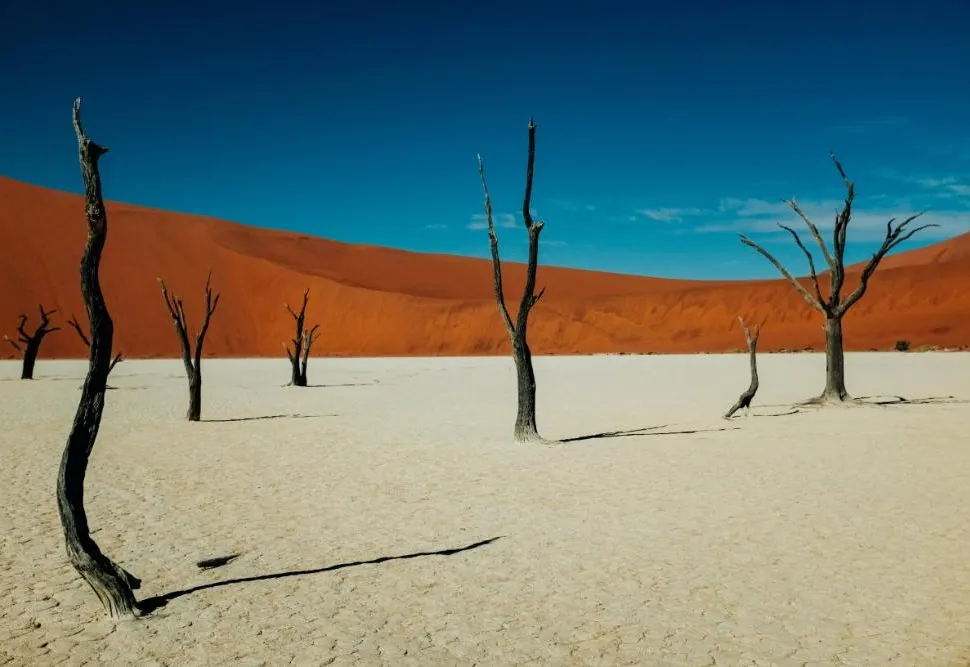
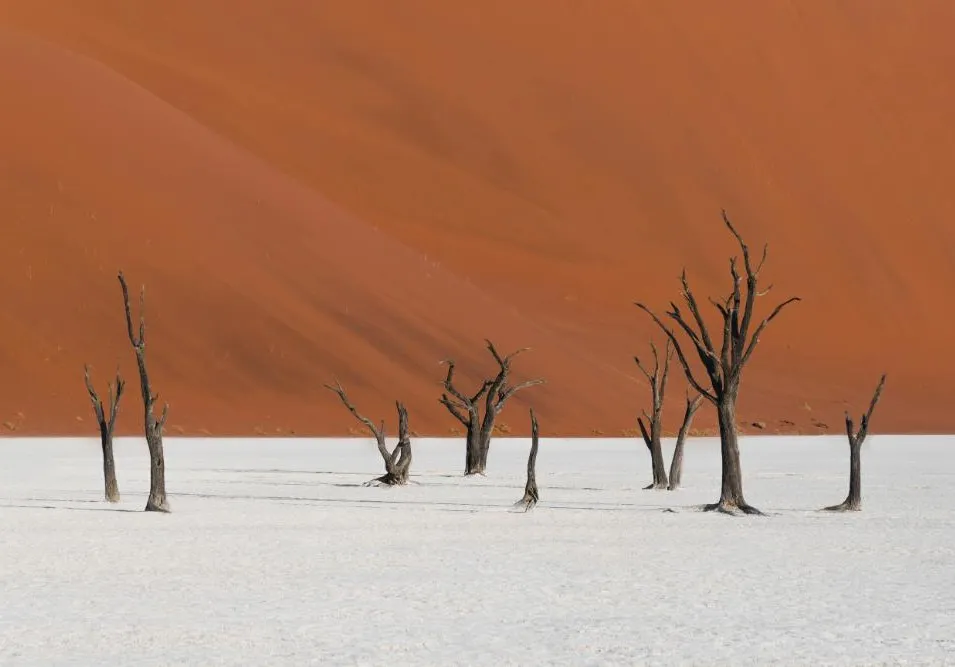
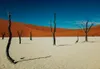
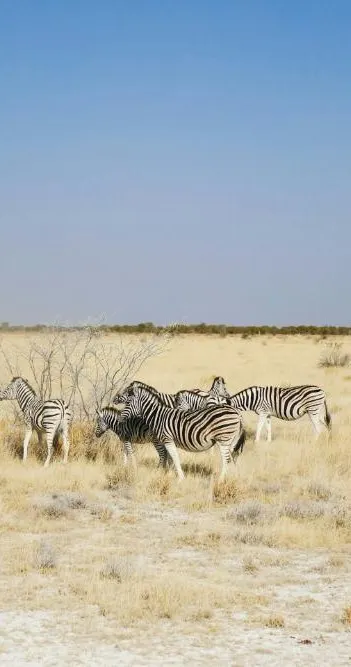
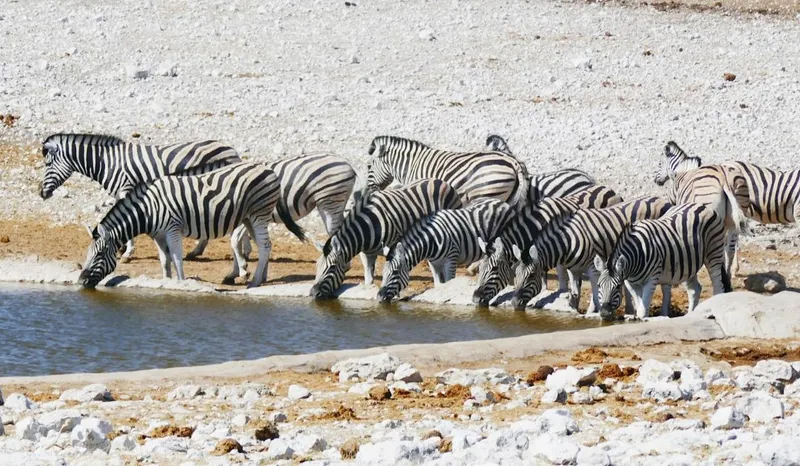
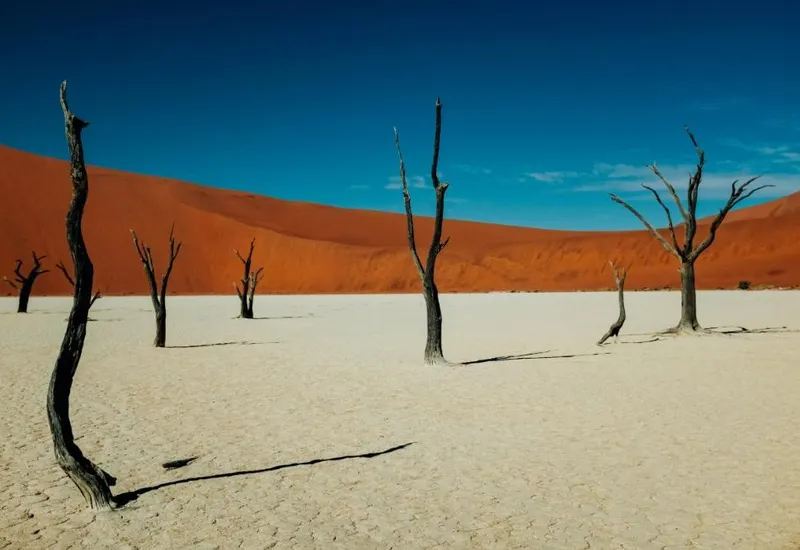
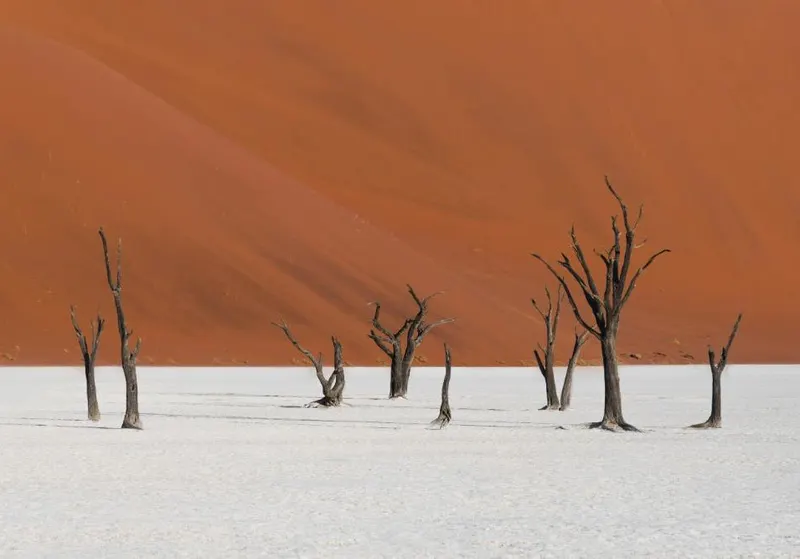
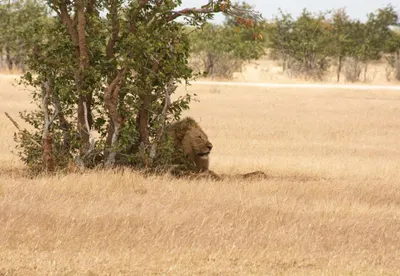
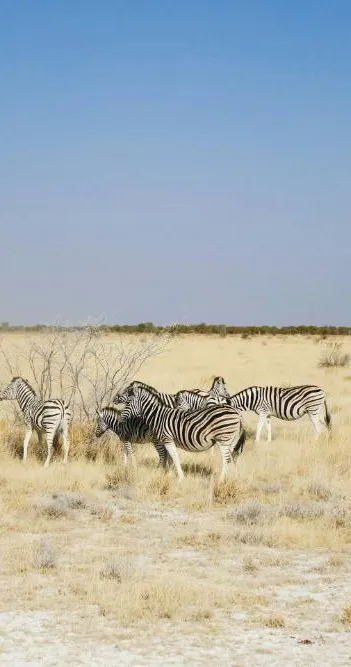
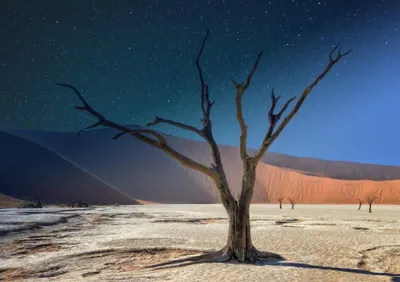
The best time to visit Namibia is during the dry season, from May to October. During this period, temperatures are cooler, and wildlife is easier to spot as animals congregate around water sources. Additionally, the clear skies and lower humidity make for excellent photography opportunities, especially in iconic locations like Sossusvlei and Etosha National Park.
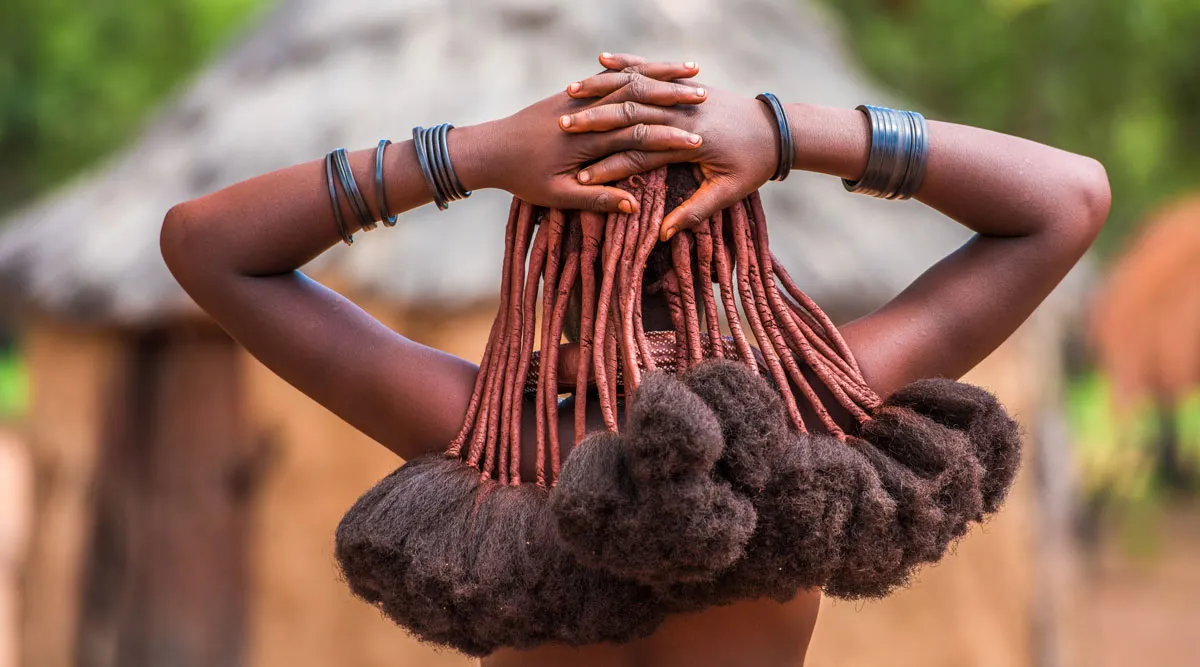
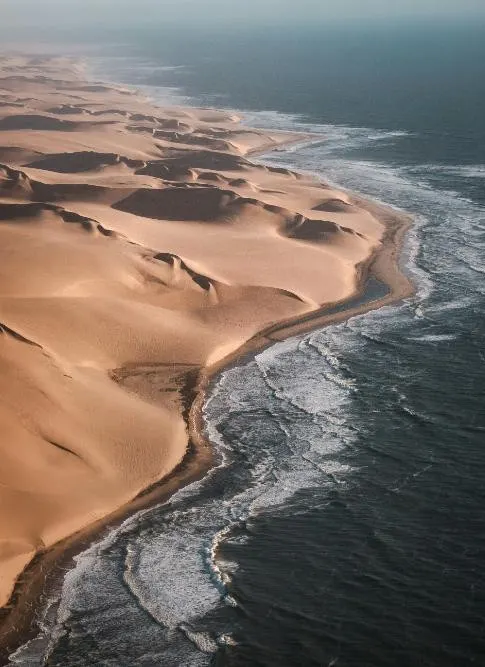
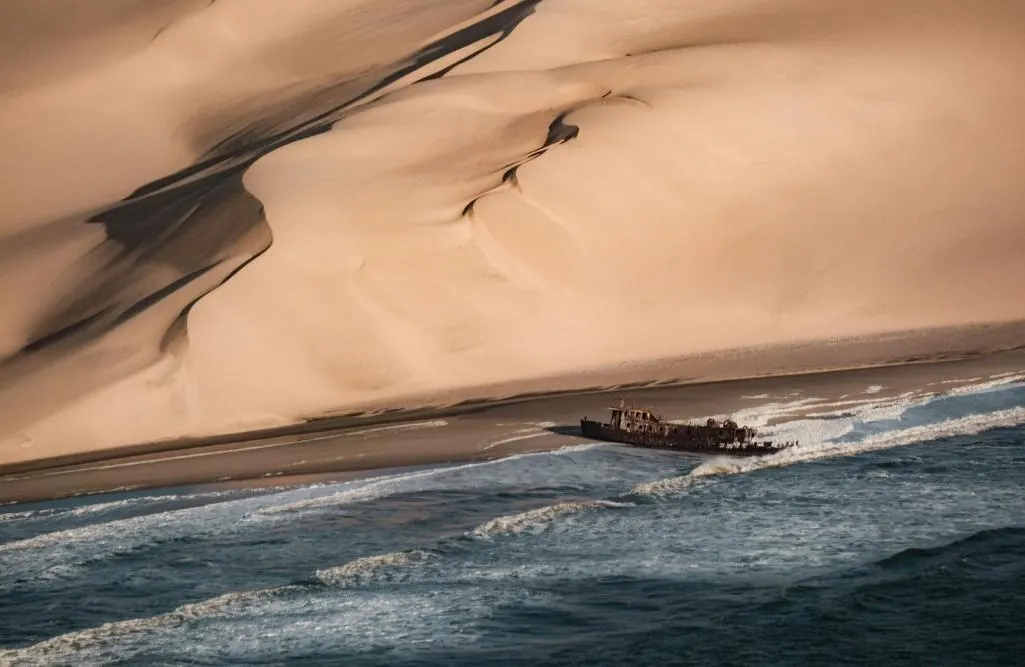
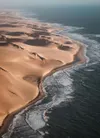
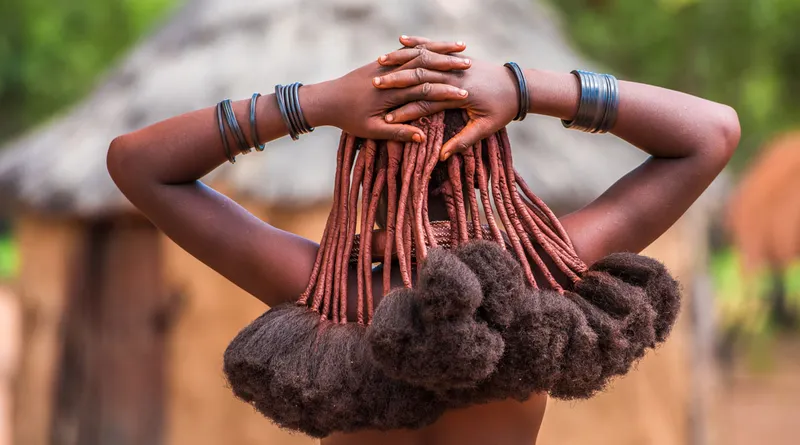
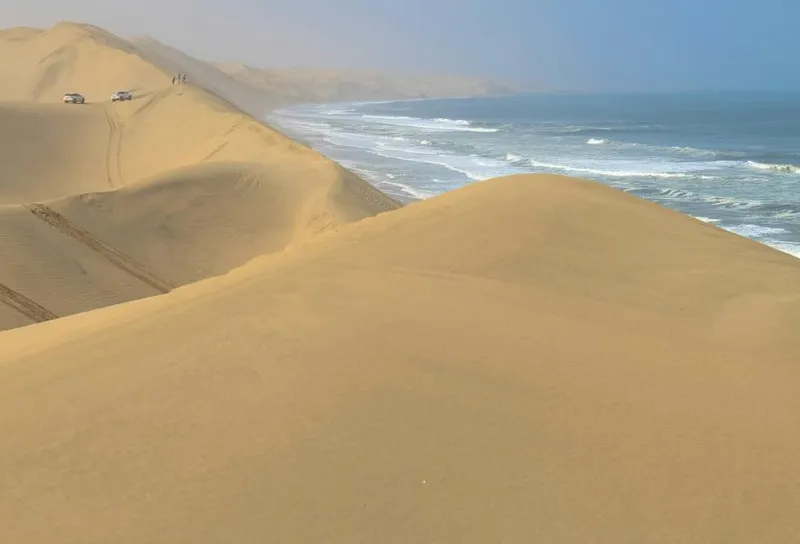
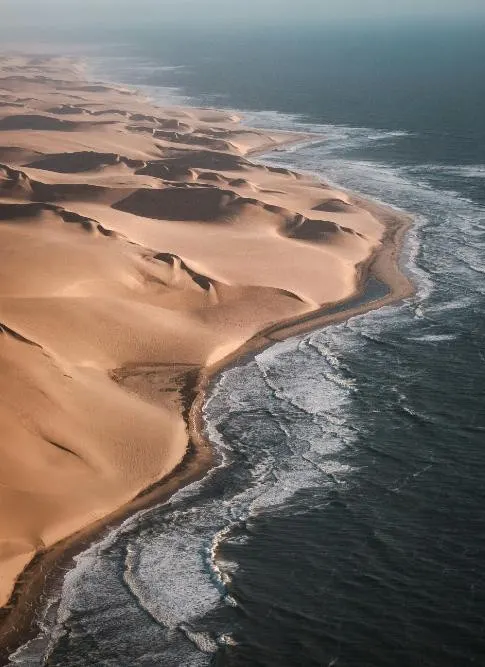
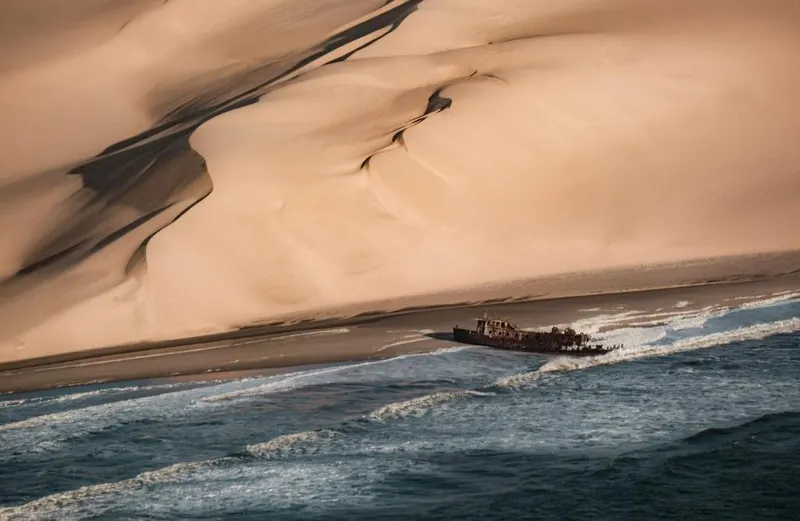
A recommended length of stay in Namibia is around 10 to 14 days. This allows you to explore key highlights such as the Namib Desert, Etosha National Park, and the Skeleton Coast, while also giving you time to experience the culture of local tribes like the Himba and San. A longer trip can include more remote areas and activities like sandboarding or hot air ballooning.
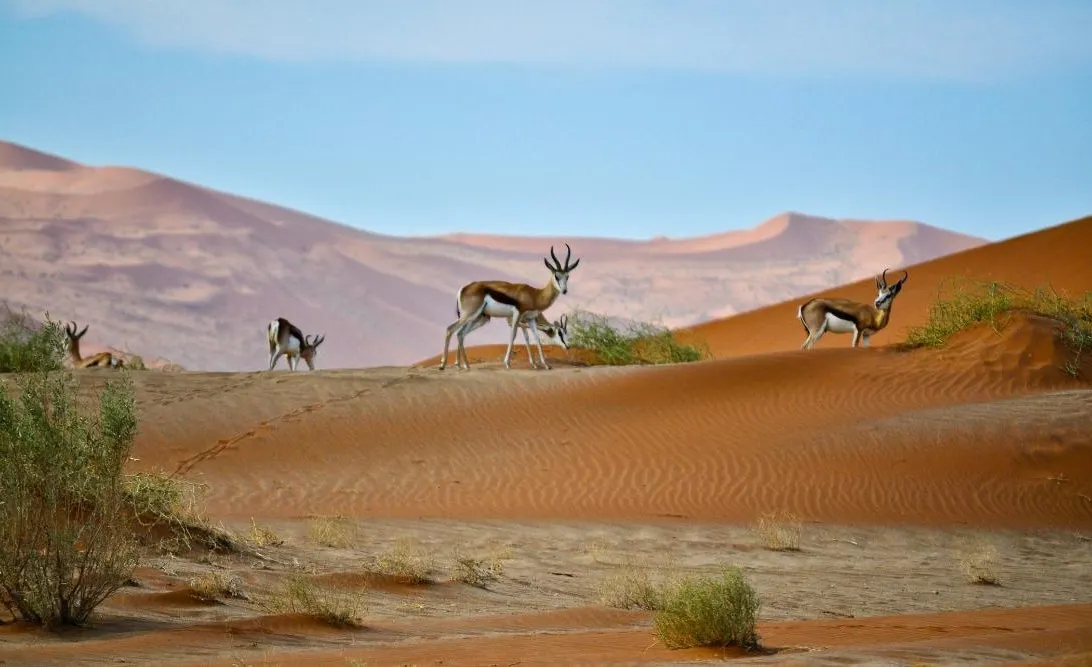
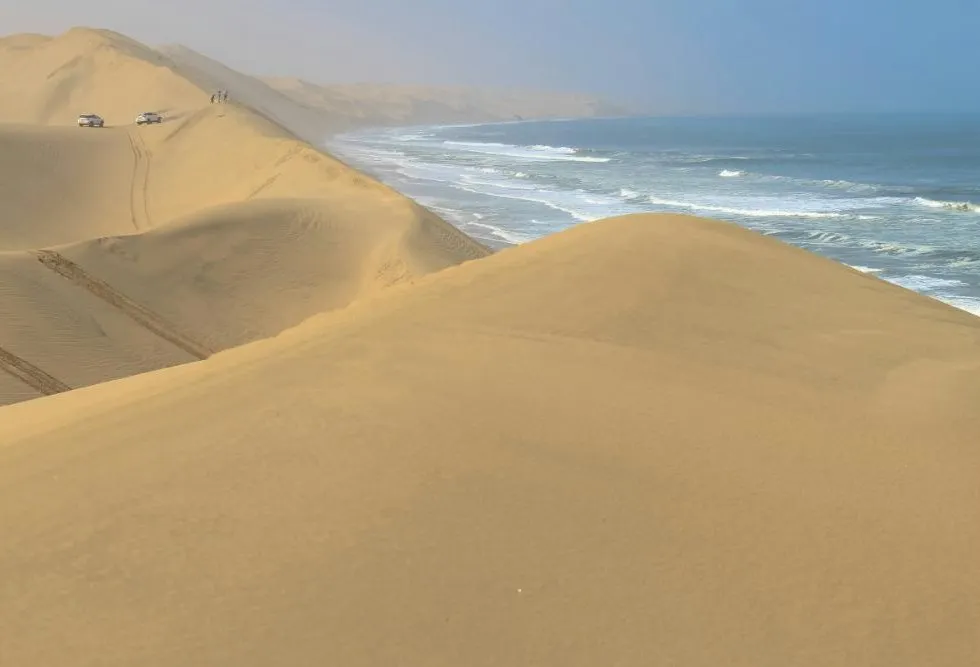
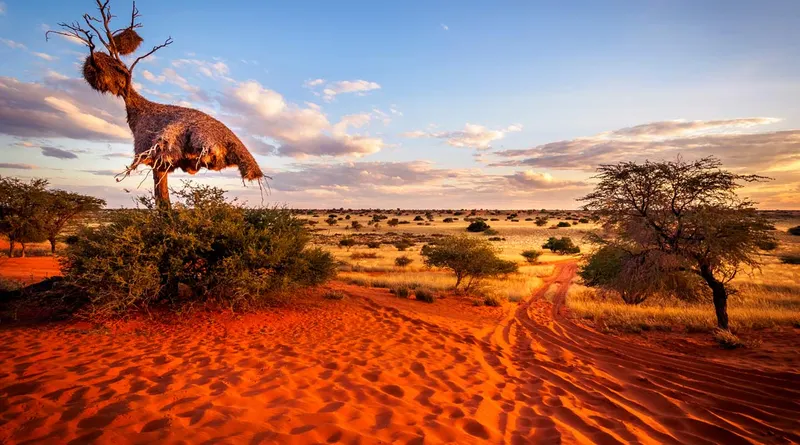
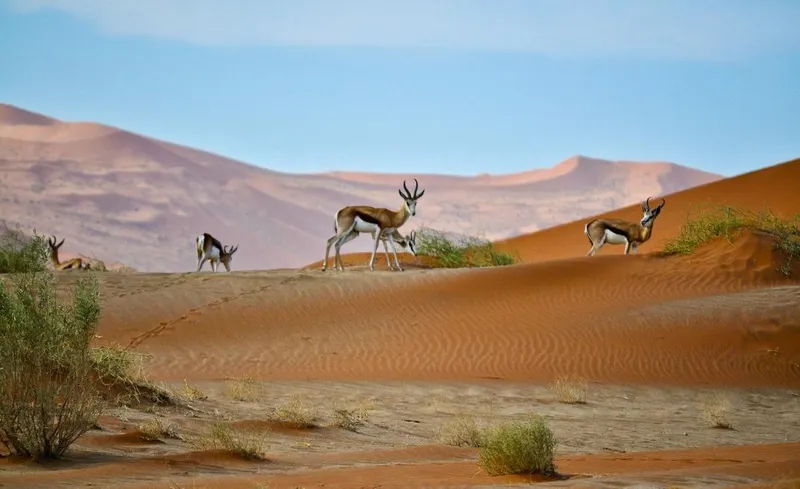
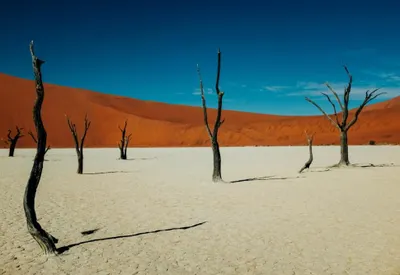
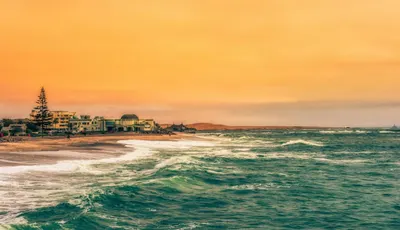
Namibia is home to several breathtaking attractions, including: - Sossusvlei: Famous for its towering red sand dunes. - Etosha National Park: Renowned for its wildlife and salt pans. - Fish River Canyon: One of the largest canyons in the world. - Swakopmund: A coastal town known for adventure sports. - Damaraland: Home to ancient rock engravings and desert-adapted elephants.
The best way to get around Namibia is by renting a 4x4 vehicle, especially if you plan to visit remote areas. The country has a well-maintained road network, and self-driving allows for flexibility in your itinerary. Alternatively, guided tours are available, which can provide insights into the culture and geography of the region.
While in Namibia, be sure to try traditional foods such as: - Biltong: Dried, cured meat that is a popular snack. - Potjiekos: A slow-cooked stew made with meat and vegetables. - Kapana: Grilled meat sold by street vendors, often enjoyed with a spicy sauce. - Mahangu: A type of millet used in porridge or flatbreads. - Omajova: Edible mushrooms that are a local delicacy.
Namibia hosts several cultural events and festivals throughout the year, including: - The Windhoek Carnival: A vibrant celebration of music and dance held in March. - The Ovambo Cultural Festival: Showcasing traditional Ovambo culture, typically held in August. - The Namibian Independence Day: Celebrated on March 21, it features parades and festivities across the country. These events offer a great opportunity to experience local traditions and community spirit.
When visiting Namibia, it's advisable to take certain health precautions, such as: - Vaccinations: Ensure you are up to date on routine vaccines and consider vaccines for hepatitis A, typhoid, and rabies, especially if you plan to visit rural areas. - Malaria: Take preventive measures if traveling to northern regions during the rainy season. - Water: Drink bottled or purified water to avoid waterborne illnesses. Always consult with a healthcare provider before your trip for personalized advice.