Nara Travel & Vacation Guide

Current Weather

Frequently Asked Questions
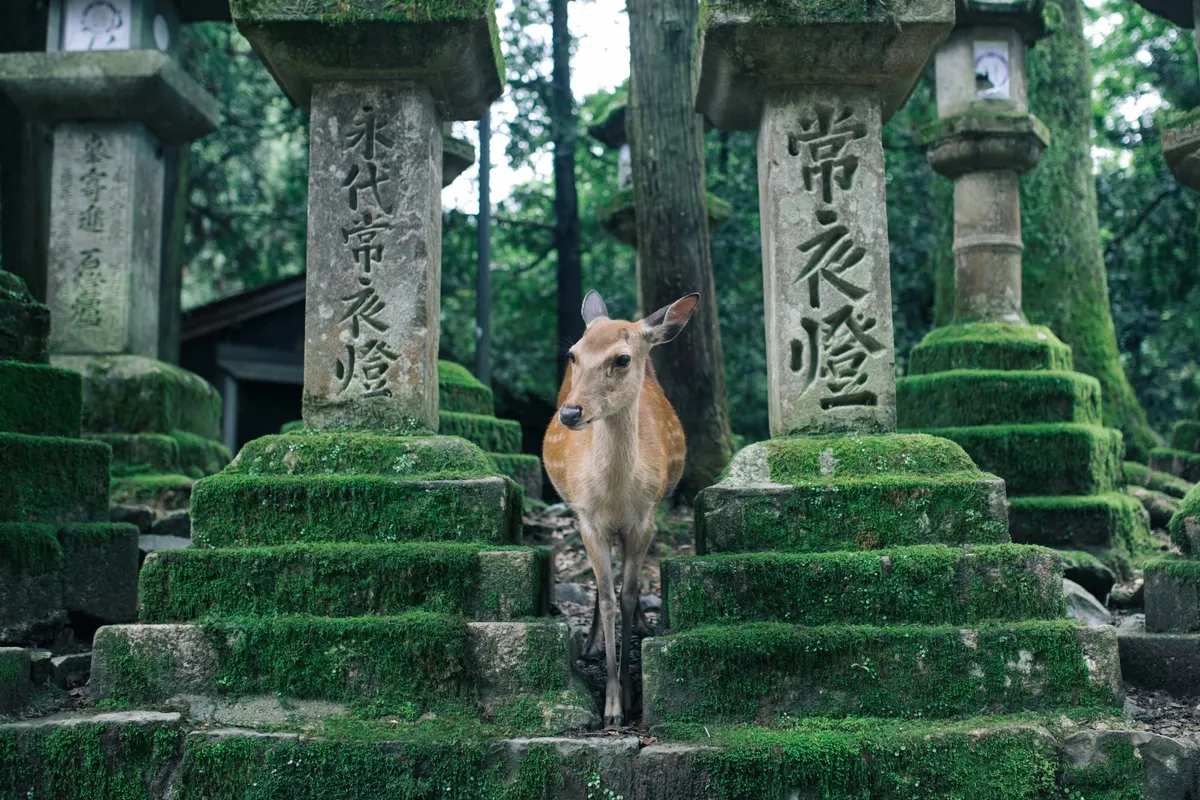
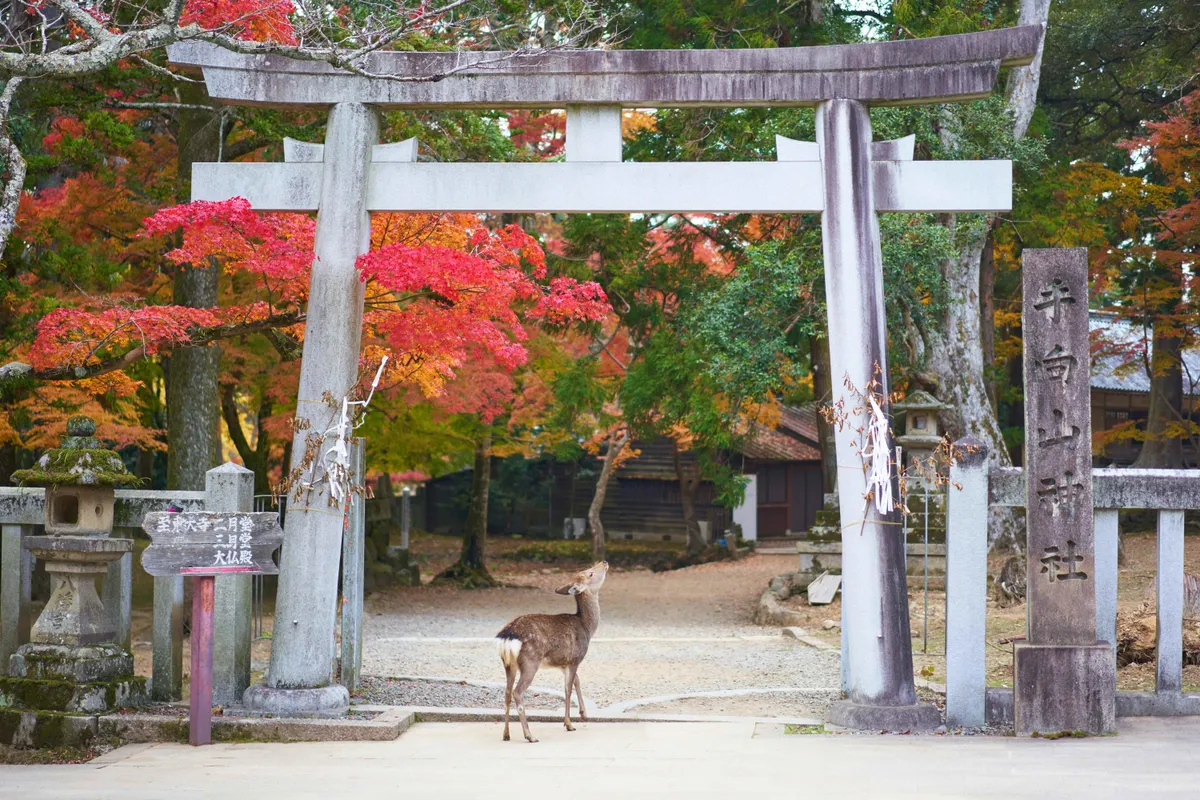
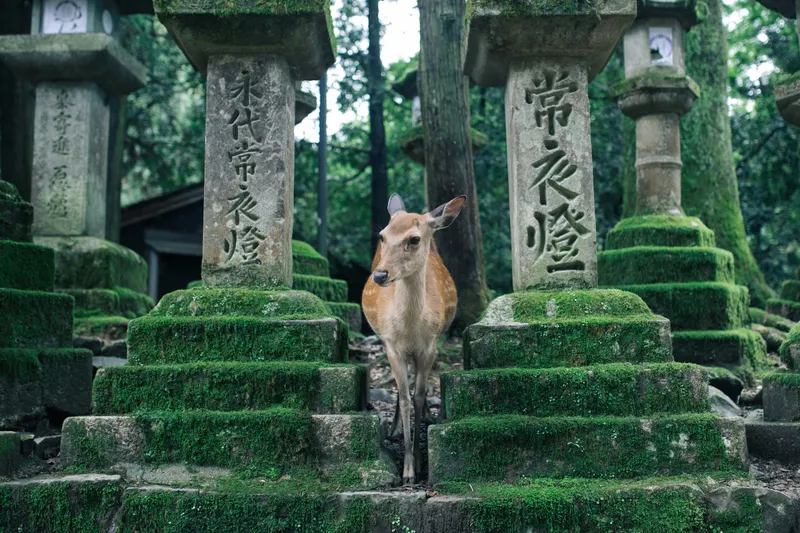
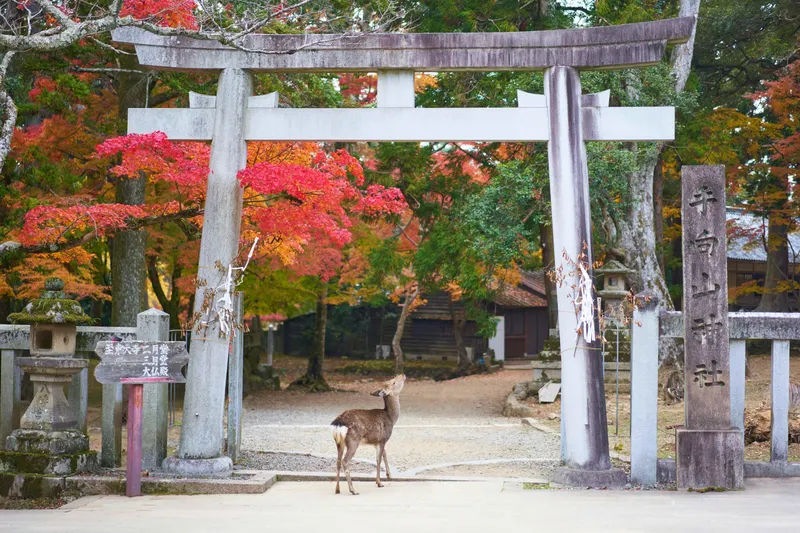
Nara is renowned for its historical sites and natural beauty. Must-see attractions include Todai-ji Temple, home to a giant bronze Buddha statue; Nara Park, famous for its free-roaming deer; and Kasuga-taisha Shrine, known for its bronze lanterns. Additionally, visit the Nara National Museum to explore traditional Japanese art.
A two-day visit to Nara is ideal to fully experience its main attractions and enjoy a leisurely pace. This allows time to explore the historic sites, stroll through Nara Park, and visit nearby temples and shrines without feeling rushed.
Nara is easily accessible from both Kyoto and Osaka by train. From Kyoto, take the JR Nara Line, which takes about 45 minutes. From Osaka, the Kintetsu Nara Line offers a convenient 40-minute journey. Both options provide frequent services and are an efficient way to reach Nara.
Nara offers unique culinary delights, including kakinoha-zushi, sushi wrapped in persimmon leaves, and narazuke, vegetables pickled in sake lees. For a sweet treat, try yomogi mochi, a rice cake flavored with mugwort. These dishes reflect the region's rich cultural heritage.
Yes, Nara hosts several vibrant festivals. The Omizutori festival in March is a highlight, featuring spectacular torch-lit ceremonies at Todai-ji Temple. In August, the Nara Tokae Festival illuminates the city with thousands of lanterns, creating a magical atmosphere.
The best time to visit Nara is during spring (March to May) and autumn (September to November). These seasons offer mild weather and beautiful scenery, with cherry blossoms in spring and vibrant autumn foliage providing stunning backdrops to the historic sites.
From Nara, consider day trips to nearby destinations such as Uji, known for its tea culture and the Byodo-in Temple, or Yoshino, famous for its cherry blossoms. Both offer unique experiences and are easily accessible by train.