Osa Peninsula Travel & Vacation Guide


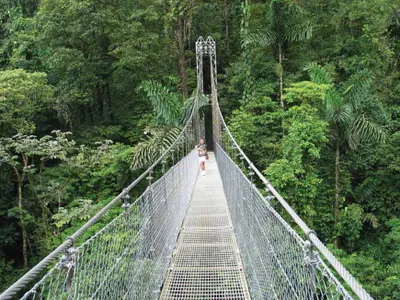
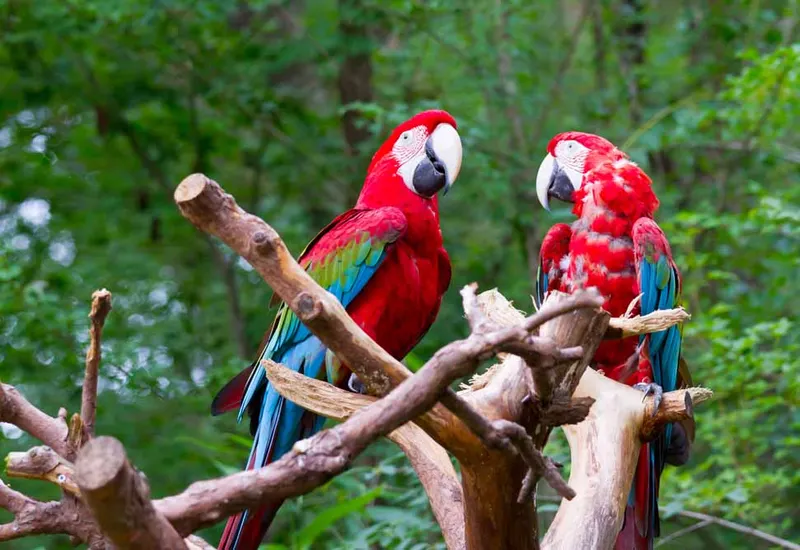
Nestled on Costa Rica's southwestern tip, the Osa Peninsula stands as a pristine haven, celebrated for its unparalleled biodiversity and untouched natural beauty. Home to the renowned Corcovado National Park, this ecological gem hosts a staggering array of wildlife, from jaguars to scarlet macaws. The peninsula's remote allure is complemented by the tranquil shores of Drake Bay and the rich marine life of Golfo Dulce. Lush rainforests beckon with hidden waterfalls and hiking trails, offering a rare opportunity to immerse oneself in nature. With a commitment to sustainable tourism, the Osa Peninsula provides an authentic and awe-inspiring experience for those seeking a deeper connection with Costa Rica's vibrant ecosystems.
Current Weather

Frequently Asked Questions
The best time to visit the Osa Peninsula is during the dry season, which runs from December to April. This period offers sunny weather and lower humidity, making it ideal for outdoor activities like hiking and wildlife watching. However, visiting during the green season from May to November can also be rewarding, as the landscape is lush and vibrant, and there are fewer tourists.
A stay of 4 to 7 days in the Osa Peninsula is recommended to fully experience its natural beauty and activities. This allows time for exploring Corcovado National Park, visiting the beaches, and engaging in activities such as zip-lining, kayaking, and wildlife tours. Longer stays can provide opportunities for day trips to nearby attractions like the Golfo Dulce.
Key attractions in the Osa Peninsula include: - Corcovado National Park: A biodiversity hotspot with hiking trails and wildlife. - Drake Bay: A picturesque bay ideal for snorkeling and diving. - Puerto Jiménez: A charming town with access to various eco-tours. - Playa Matapalo: A beautiful beach perfect for relaxation and surfing.
The best way to get around the Osa Peninsula is by renting a 4x4 vehicle, as many roads are unpaved and can be challenging. Alternatively, you can use local buses for budget travel or arrange for guided tours that include transportation. For exploring specific areas, hiring a taxi or using a local shuttle service can also be convenient.
While in the Osa Peninsula, be sure to try these local dishes: - Casado: A traditional meal featuring rice, beans, plantains, salad, and your choice of protein. - Ceviche: Fresh fish marinated in lime juice, often served with tortilla chips. - Gallo Pinto: A popular breakfast dish made with rice and beans, typically served with eggs. - Patacones: Fried green plantains that are crispy and delicious.
Yes, the Osa Peninsula hosts several cultural events and festivals throughout the year. One notable event is the Festival de la Cosecha in Puerto Jiménez, celebrating the harvest season with music, dance, and local food. Additionally, various community events often take place, showcasing local traditions and crafts, especially during the dry season.
While the Osa Peninsula is generally safe for travelers, it's important to take standard precautions. Be aware of your surroundings, especially in remote areas, and avoid displaying valuables. Health-wise, consider vaccinations for diseases like hepatitis A and typhoid, and ensure you have travel insurance. It's also advisable to drink bottled water and use insect repellent to prevent mosquito bites.