Philadelphia Travel & Vacation Guide

Current Weather

Description
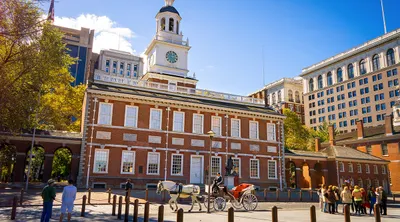
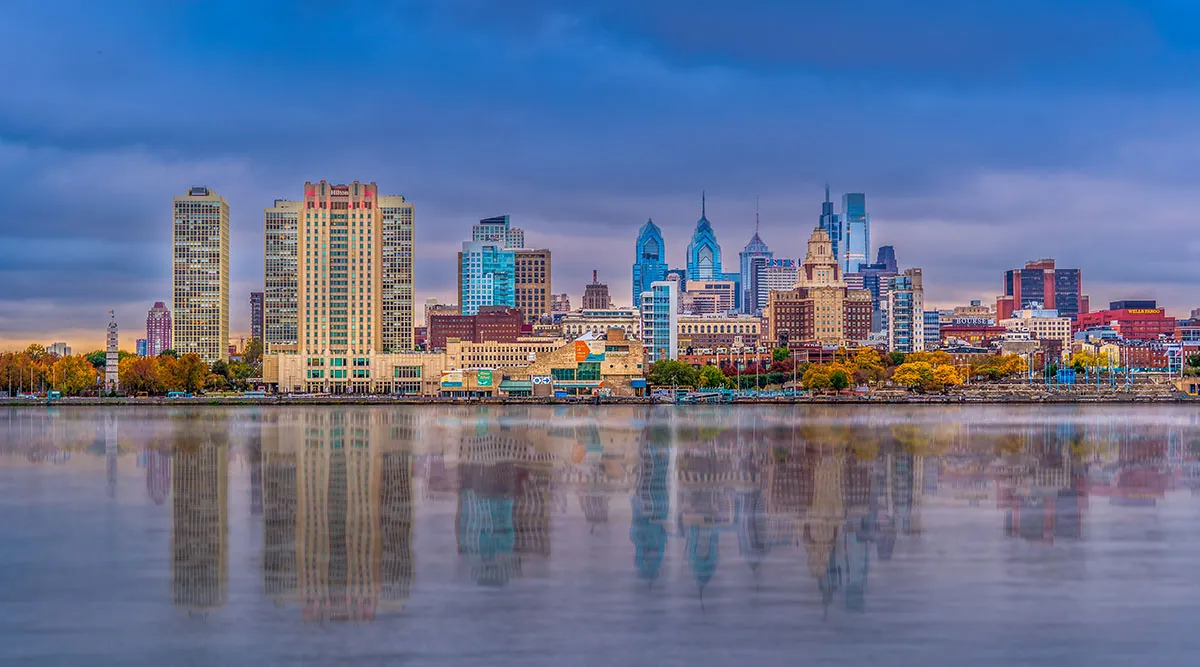
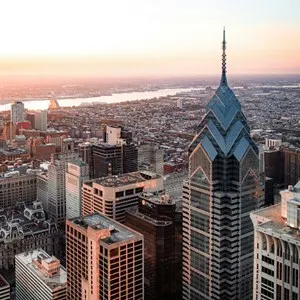
The beginning of American history passes through Philadelphia, Pennsylvania. If Washington D.C. embodies modern America, then Philadelphia represents the foundation upon which the nation was built—the burgeoning identity of a young nation was crafted in the halls of Philadelphia’s buildings and fought for in its streets. With Philadelphia’s emergence as America’s first industrial city, it swiftly became a beacon of hope for an amalgam of cultures seeking reprieve from their respective situations. In the late 19th century, immigrants from Italy, Russia, and Eastern Europe arrived in droves, while Irish newcomers fled the Great Famine of the 1840s. The Great Migration further transformed the city as Southern Black Americans sought better opportunities and escape from racial oppression. The expansion of transportation networks in the city, including railroads and canals, did more than just connect distant places. They carried with them new cultures, skills, and traditions, thus, transforming Philadelphia into a thriving crossroads of diversity and history. Today, Philadelphia is in a dynamic state of development, particularly in University City and Center City, its bustling business district Transitioning from its industrial roots, the city has blossomed into a vital center for education, healthcare, and technology. Philly, as it is commonly known, offers a wealth of historical significance while continuing to evolve as a substantial tourist destination.
Useful information
City: 1.5 million (2024) Metro area: 5.8 million (2024)
US Dollar (USD)
911
Do & See




Dining




Cafés


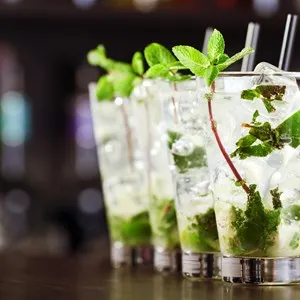
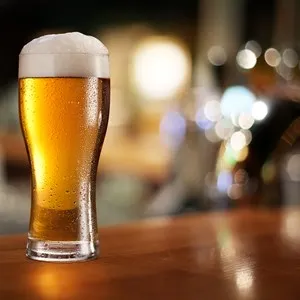
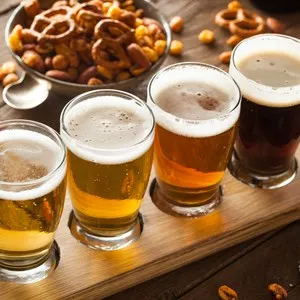
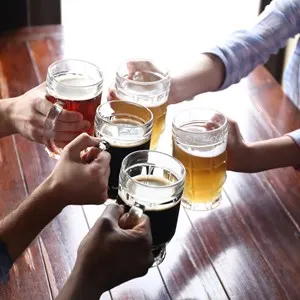
Bars & Nightlife



Shopping




Tourist Information



Frequently Asked Questions
Philadelphia is rich in history and culture, making it a must-visit for history buffs and art lovers alike. Key attractions include the Liberty Bell, Independence Hall, and the Philadelphia Museum of Art. Don't miss the 'Rocky Steps' outside the museum for an iconic photo opportunity. For a taste of local culture, visit Reading Terminal Market and explore the historic neighborhoods of Old City and Society Hill.
The best time to visit Philadelphia is during the spring (March to May) and fall (September to November) when the weather is mild and the city hosts numerous festivals. Spring brings cherry blossoms and outdoor events, while fall offers vibrant foliage and cultural festivals like the Philadelphia Film Festival.
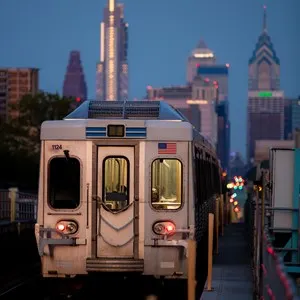
Philadelphia has a well-connected public transportation system, including buses, trolleys, and the SEPTA subway. Walking is also a great way to explore the city, especially in the historic district. For longer distances, consider using rideshare services or renting a bike through the city's Indego bike-share program.
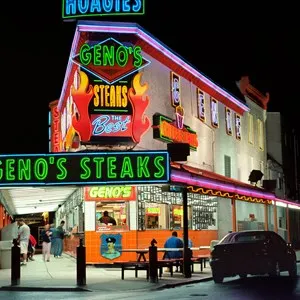
Philadelphia is famous for its cheesesteaks, with iconic spots like Pat's King of Steaks and Geno's Steaks leading the way. Other must-try foods include soft pretzels, hoagies, and scrapple, a breakfast meat. For dessert, don't miss out on a classic Tastykake or a scoop of Bassetts Ice Cream.
Philadelphia hosts a variety of cultural events throughout the year. The Mummers Parade on New Year's Day is a colorful tradition, while the Philadelphia Flower Show in March is the largest indoor flower show in the world. In the summer, the Wawa Welcome America festival celebrates Independence Day with concerts and fireworks.
Philadelphia's location makes it ideal for day trips. Consider visiting Valley Forge National Historical Park for a glimpse into Revolutionary War history, or head to Longwood Gardens for stunning horticultural displays. The charming towns of New Hope and Lambertville offer quaint shops and dining along the Delaware River.
For a local experience, explore Philadelphia's diverse neighborhoods. Fishtown is known for its vibrant arts scene and trendy eateries, while South Street offers eclectic shops and music venues. The Italian Market in South Philadelphia is perfect for food lovers, and Northern Liberties is a hip area with a lively nightlife.