Pisa Travel & Vacation Guide
Current Weather

Description
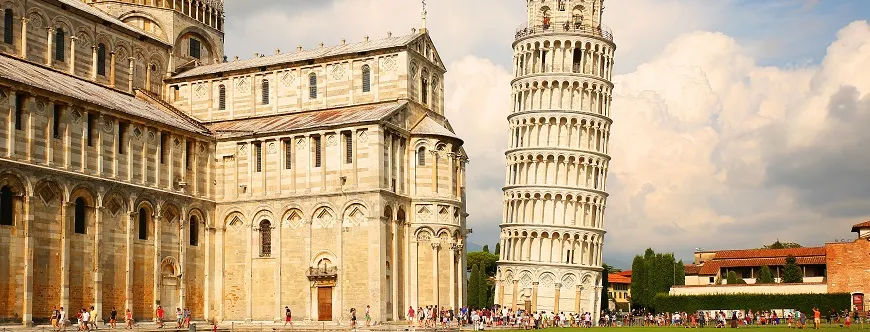
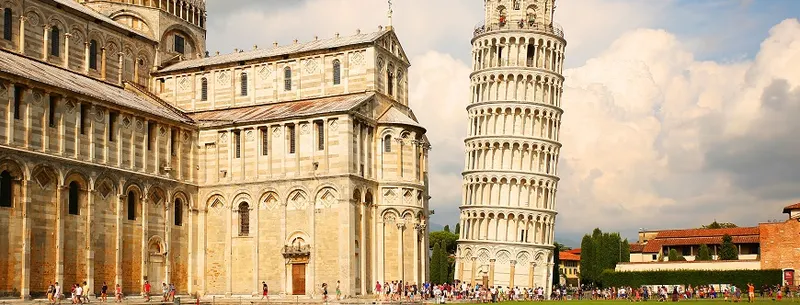
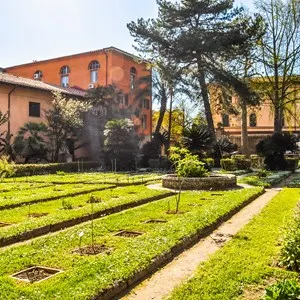
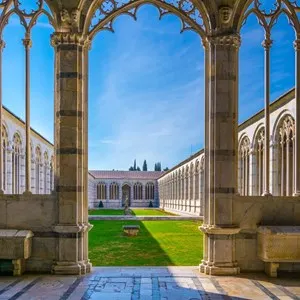
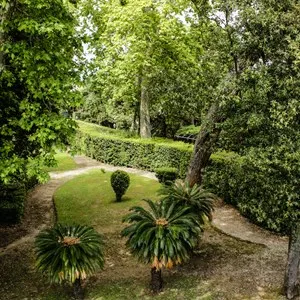
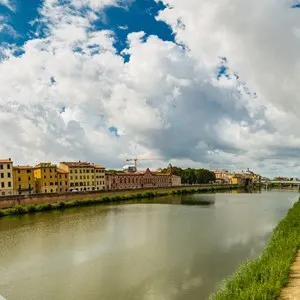
Say Pisa — and you immediately think of the Leaning Tower, one of the most famous monuments in the world. Pisa; however, is much more than just its tower. It is also home to the extraordinary complex of buildings known as the Piazza dei Miracoli, Square of Miracles, with its magnificent cathedral and baptistery. Step away from the tower and you’ll discover the old town with Renaissance palaces, medieval tower-houses, churches in Romanesque and Gothic style, the Botanic Gardens, one of the oldest in Europe, and the River Arno, which you can admire by walking through old streets called Lungarni. Pisa was the birthplace of Galileo Galilei and is home to the important University of Pisa, founded in 1338, and the Scuola Normale Superiore, opened in 1813. As an Etruscan settlement and a Roman town, Pisa formed part of the Longobardo Kingdom, and then of the Carolingian Empire before becoming part of Italy after 1861. The medieval period coincided with the peak of Pisa’s economic and political power. Pisa was one of the four Italian coastal republics until it was annexed by the Republic of Florence in 1406. Pisa is the starting point to discover the province, with its unspoilt and well-preserved landscape. Do not miss a visit to San Miniato, 50 kilometres away, Volterra, 65 kilometres, San Gimignano, 80 kilometres, and Florence, 105 kilometres.
Useful information
93,436 (2024)
1 Euro = 100 cents
Carabinieri and medical emergencies: 112
Police: 113
Fire brigade: 115
Shops in Pisa are usually open from 9am to 12:30pm and, after a lunch break, from 3:30pm until 7:30pm. Almost all shops are closed on Sunday.
Do & See


Dining


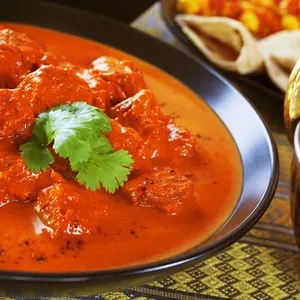

Cafes




Bars & Nightlife






Shopping





Tourist Information
Frequently Asked Questions
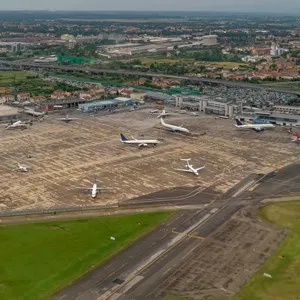
Pisa is well-connected by train, making it easy to reach from major Italian cities like Florence, Rome, and Milan. The Pisa Centrale train station is a central hub and offers frequent services. Additionally, Pisa International Airport (Galileo Galilei) is just a short distance from the city center, providing convenient access for those flying in.
A stay of one to two days is sufficient to explore Pisa's main attractions. This allows you to visit the iconic Leaning Tower of Pisa, the Piazza dei Miracoli, and the Cathedral of Santa Maria Assunta. You can also take time to wander through the historic streets and enjoy the local cuisine.
Beyond the Leaning Tower, Pisa offers several noteworthy sites: - Piazza dei Miracoli, home to the Cathedral and Baptistery. - Museo dell'Opera del Duomo, showcasing religious art. - The Camposanto Monumentale, a historic cemetery with beautiful frescoes. - Borgo Stretto, a charming street lined with shops and cafes.
While in Pisa, be sure to try some local Tuscan specialties. Cacciucco, a hearty seafood stew, is a must-try. Other local favorites include Pappa al Pomodoro, a tomato and bread soup, and Torta co' Bischeri, a traditional sweet pie filled with chocolate and rice.
Yes, Pisa is an excellent base for exploring Tuscany. Its central location and strong transport links make it easy to take day trips to nearby cities like Florence, Lucca, and Siena. You can also explore the picturesque Tuscan countryside and visit local vineyards.
The best time to visit Pisa is during the spring (April to June) and early autumn (September to October). During these months, the weather is pleasant, and the tourist crowds are smaller compared to the peak summer season. This allows for a more enjoyable experience when exploring the city's attractions.
Pisa hosts several vibrant festivals throughout the year. The Luminara di San Ranieri in June is a highlight, where the city is illuminated by thousands of candles along the Arno River. The Regatta of San Ranieri, a historic boat race, follows the Luminara. Additionally, the Pisa Book Festival in November is a significant cultural event for literary enthusiasts.