Quito Travel & Vacation Guide











Current Weather







Frequently Asked Questions
The best time to visit Quito is during its dry season, from June to September. During these months, you can expect pleasant weather with less rainfall, making it ideal for exploring the city's historic sites and nearby attractions. However, Quito's high altitude means temperatures can be cool year-round, so it's wise to pack layers.
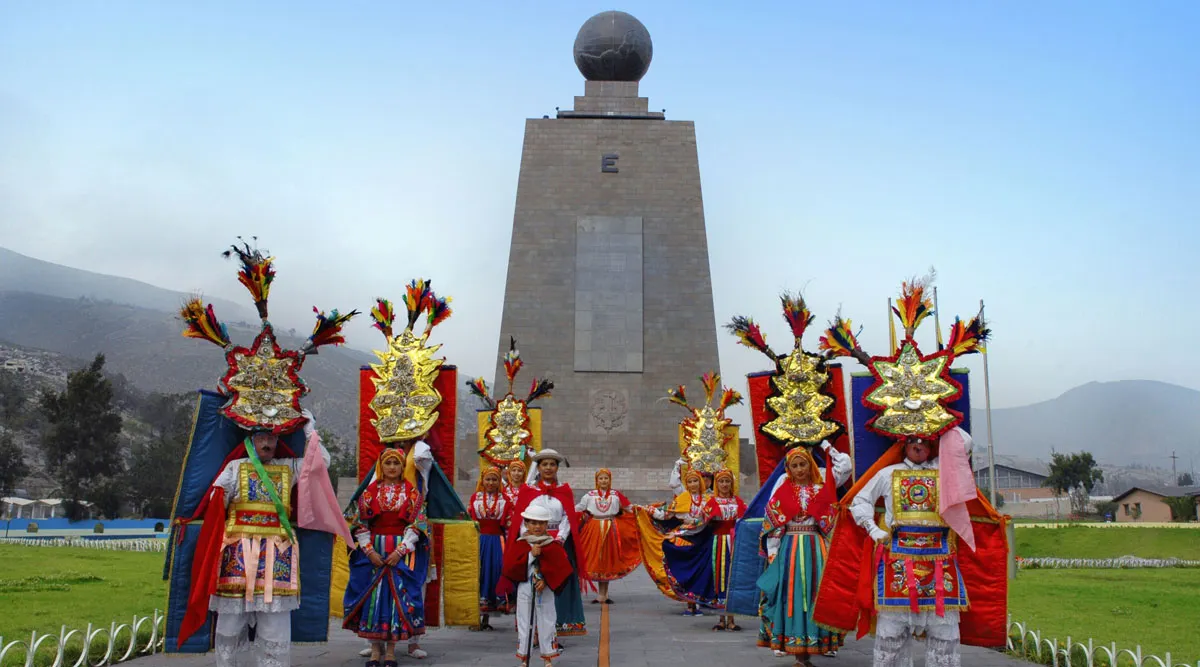
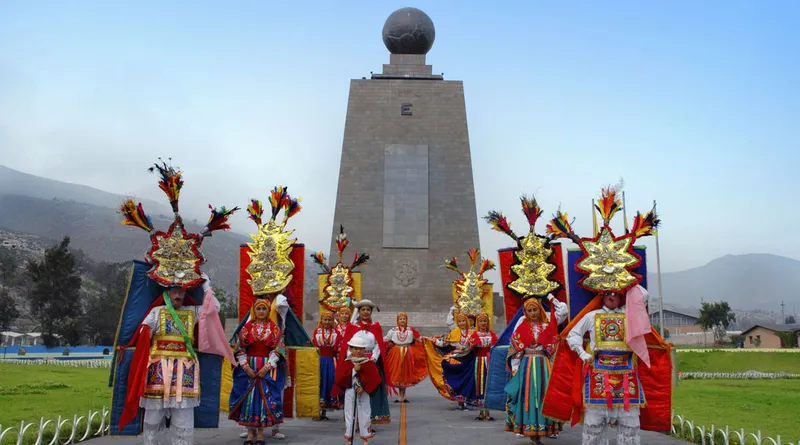
A stay of 3 to 4 days in Quito is recommended to fully experience the city's rich cultural and historical offerings. This allows time to explore the UNESCO-listed historic center, visit the Middle of the World monument, and take day trips to nearby attractions like the Otavalo Market or Cotopaxi National Park.
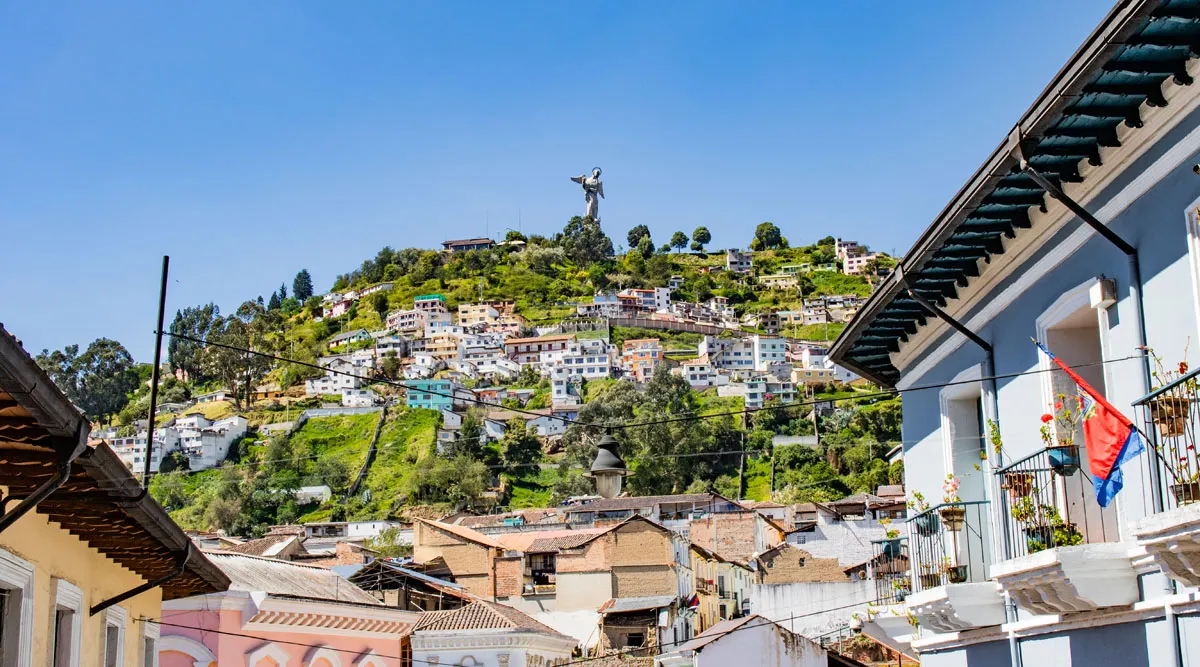
Quito boasts several must-see attractions, including its historic center with sites like Plaza Grande, the Basilica del Voto Nacional, and the Church of the Society of Jesus. Don't miss the Middle of the World monument and the panoramic views from El Panecillo. The Teleférico cable car offers stunning vistas of the city and surrounding mountains.
The best way to get around Quito is by using a combination of public transportation and taxis. The city's bus system, known as the Trolebús, is efficient and affordable for traveling along major routes. Taxis are widely available and relatively inexpensive, but ensure they use a meter or agree on a fare before starting your journey.
In Quito, be sure to try local dishes like locro de papa, a hearty potato soup often served with cheese and avocado. Another popular dish is llapingachos, which are potato pancakes filled with cheese. For a sweet treat, try helado de paila, a traditional ice cream made in large copper pans.
Quito hosts several vibrant cultural events throughout the year. The Fiestas de Quito, celebrated in early December, commemorate the city's founding with parades, music, and dancing. Another notable event is Semana Santa (Holy Week), featuring religious processions and ceremonies that showcase Quito's rich cultural heritage.
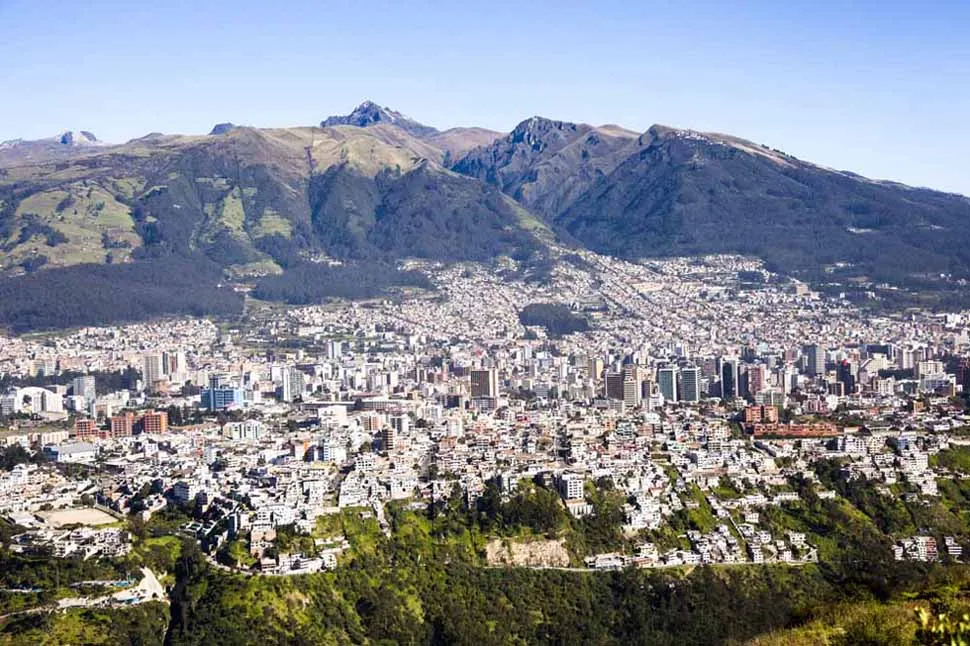
Quito is situated at an altitude of about 9,350 feet (2,850 meters) above sea level, which can affect visitors not accustomed to high elevations. It's important to acclimatize gradually, stay hydrated, and avoid strenuous activities during your first few days. Symptoms of altitude sickness can include headaches and dizziness, so take it easy and consult a doctor if needed.
Trips