Rio De Janeiro Travel & Vacation Guide








Current Weather





Description
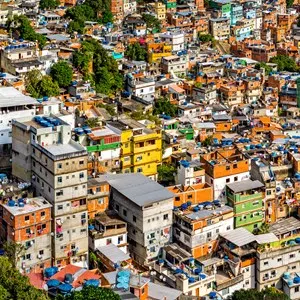
Rio de Janeiro, which translates to "river of January", sits on the Atlantic coast of Brazil and is the country's second-largest city just behind São Paulo. For over two centuries, it was the bustling capital of Brazil, and it is still, to this day, one of the most important commercial and political centres in the country. Cariocas' sense of fun is matched only by the spectacular natural environment Rio boasts. The city is surrounded by green hills, nature trails, and large urban forests like Floresta da Tijuca. Its beaches are among the most beautiful in the world, and its crystal-clear waters are home to an abundance of marine life. Besides the famous beaches of Copacabana and Ipanema, located in the heart of the city, other idyllic corners of the coast can be found in the nearby Barra da Tijuca, Prainha, and Urca. Rio de Janeiro has famous landmarks too. Alongside the endless beaches and the massive statue of Christ the Redeemer, the city features The Sugar Loaf Mountain and the iconic favelas. In addition to its many natural wonders, Rio is renowned for its fascinating and joyful culture, to be admired in its many museums and in its vibrant streets, always flooded with music, dances, and celebrations. Football is obviously an integral part of the local culture. Head to the Maracanã Stadium, home of the two main teams of the city, Flamengo and Fluminense, to enjoy football as only the Cariocas do.
Useful information
Metro area: 13.5 million (2021)
Brazilian Real R$ = 100 centavos
Firefighters: 193
Ambulance: 192
Police: 190
Hospital de Ipanema: +55 21 3111 2334
Hospital Copa D'Or: +55 21 2545 3600
Most shops and offices are generally open from 9am to 6pm during weekdays and from 9am to 1pm on Saturdays. Some of the main shopping centres stay open until 10pm during the week and from 1pm to 9pm on Sundays: BarraShopping is one of them. Tourist areas are home to many small shops which often stay open longer. In case of late-night hunger, corner shops are scattered everywhere in Rio and open 24/7. Banks are open from 10am to 6pm on weekdays.
Do & See






Dining








Cafés








Bars & Nightlife








Shopping








Tourist Information








Frequently Asked Questions
The best time to visit Rio de Janeiro is during the dry season, which runs from May to October. This period offers pleasant temperatures and lower humidity, making it ideal for outdoor activities and exploring the city's famous beaches like Copacabana and Ipanema. If you're interested in experiencing the vibrant Carnival festival, plan your visit for February or early March, but be prepared for larger crowds and higher prices.
A visit to Rio de Janeiro typically deserves about 4 to 5 days. This allows you to explore key attractions such as the Christ the Redeemer statue, Sugarloaf Mountain, and the historic Santa Teresa neighborhood. You can also enjoy the beaches, visit the Botanical Garden, and experience the nightlife in Lapa. If you wish to take day trips to nearby attractions like Petrópolis or the Tijuca National Park, consider extending your stay.
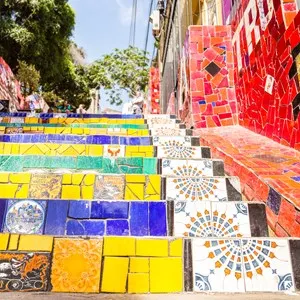
Rio de Janeiro is home to several iconic landmarks that should not be missed: - Christ the Redeemer: This world-famous statue offers stunning views of the city. - Sugarloaf Mountain: Take a cable car ride to the summit for breathtaking panoramas. - Copacabana and Ipanema Beaches: Relax on these world-renowned beaches. - Maracanã Stadium: A must for sports fans, it's one of the largest football stadiums in the world. - Selarón Steps: A colorful mosaic staircase that showcases local art.
When in Rio de Janeiro, be sure to sample the local cuisine, which includes: - Feijoada: A hearty black bean stew with pork, traditionally served with rice and orange slices. - Pão de Queijo: Delicious cheese bread rolls that are a popular snack. - Açaí Bowl: A refreshing frozen treat made from açaí berries, often topped with granola and fruits. - Moqueca: A flavorful fish stew made with coconut milk, tomatoes, and peppers. - Caipirinha: Brazil's national cocktail made with cachaça, sugar, and lime.
Getting around Rio de Janeiro is convenient thanks to its public transportation options. You can use: - Metro: The subway system is efficient and connects major areas of the city. - Buses: A comprehensive network covers the city, but be cautious of safety and pickpocketing. - Taxis and Rideshares: Services like Uber are widely available and safe for tourists. - Walking: Many neighborhoods, especially in the South Zone, are pedestrian-friendly and great for exploring.
While Rio de Janeiro is a vibrant city, safety should be a priority. Here are some tips: - Stay in well-known neighborhoods like Copacabana, Ipanema, and Leblon. - Avoid displaying valuables in public and be cautious in crowded areas. - Use reputable transportation options and avoid walking alone at night. - Stay informed about local news and follow any travel advisories from the U.S. State Department.
Rio de Janeiro is famous for its lively cultural events, particularly: - Carnival: Held annually before Lent, this festival features parades, samba music, and vibrant costumes. - Festa Junina: A traditional June festival with food, music, and dance celebrating rural life. - New Year's Eve (Réveillon): Copacabana Beach hosts one of the world's largest New Year's celebrations, complete with fireworks and live music.
Trips