Sabadeco Travel & Vacation Guide


Current Weather


Description
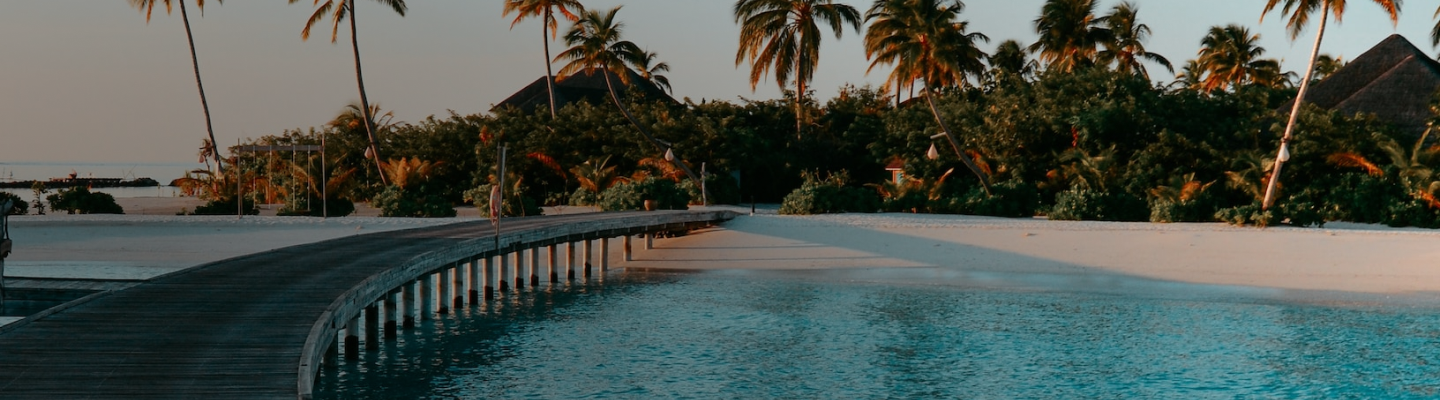
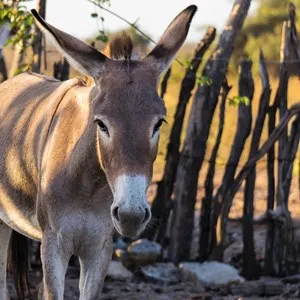
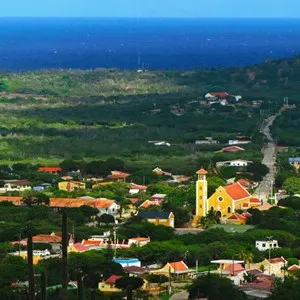
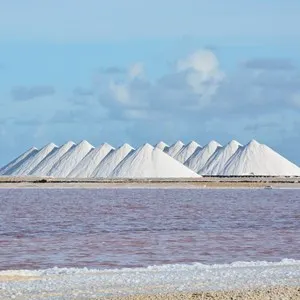
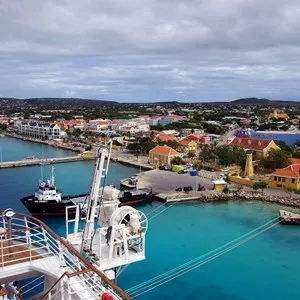
Bonaire is a Dutch Caribbean island of 288 square kilometres, which together with Aruba and Curaçao forms the ABC islands in the Leeward Antilles. The first European visitors to the island were the Spanish in the 16th century, seeking shelter among the hills that today surround the town of Rincón. They introduced several species of domesticated animals to the island, including cattle and donkeys. Today's capital, Kralendijk, is the only other settlement on Bonaire. Its significance expanded alongside the establishment of the Dutch West India Company, exemplified by the iconic Fort Oranje, built to protect the city's harbour. Besides plantation, the Dutch relied on the island for salt production, which also meant that Bonaire was not untouched by slavery, either. Bonaire has been a special municipality since 2010, similar to Sint Eustatius and Saba. Over the last decades, nature conservation has gained steady ground on the island: whether it's safeguarding endangered species, securing nesting sites, or becoming carbon neutral, there are numerous initiatives at work to protect nature's treasures, both on land and in the sea, for future generations.
Useful information
22,573 (Bonaire, 2022)
US Dollar, $1 = 100 cents
Police, Ambulance, Fire: 911
Shops are generally open from 9am to 6pm seven days a week, but exceptions do occur with shortened opening hours on weekends.
Do & See
Restaurants

Shopping


Tourist Information

Frequently Asked Questions
The best time to visit Sabadeco in Bonaire is during the dry season, which runs from mid-December to mid-April. This period offers pleasant temperatures, less humidity, and minimal rainfall, making it ideal for outdoor activities like snorkeling and diving. However, if you're looking for lower prices and fewer crowds, consider visiting during the shoulder months of November and May.
A stay of about 5 to 7 days in Sabadeco is recommended to fully enjoy the area’s attractions and activities. This duration allows ample time for diving, snorkeling, exploring the local beaches, and experiencing the island's natural beauty without feeling rushed.
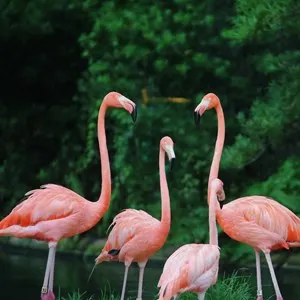
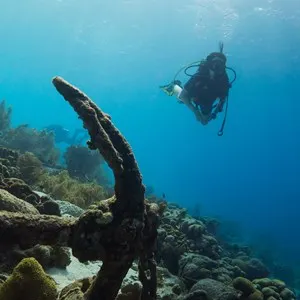
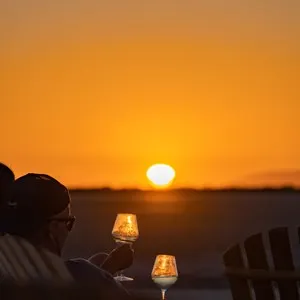
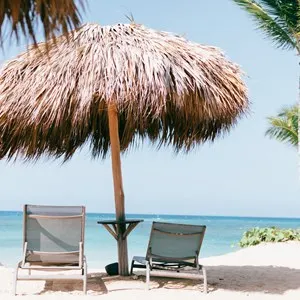
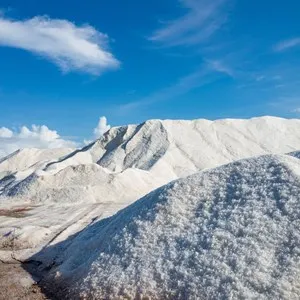
In and around Sabadeco, you should not miss: - The stunning beaches like Playa Forti and Playa Kralendijk. - The Bonaire National Marine Park for exceptional snorkeling and diving. - The famous salt flats and the pink flamingos at the Pekelmeer. - The scenic views from the cliffs of Sabadeco, perfect for sunset watching.
The best way to get around Sabadeco is by renting a car or scooter, as public transportation is limited. Having your own vehicle allows you to explore the island at your own pace and visit remote beaches and attractions. Biking is also a popular option for shorter distances.
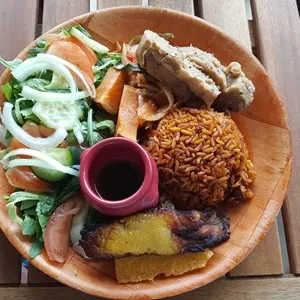
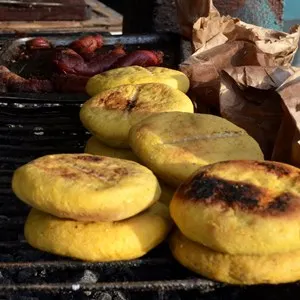
While in Sabadeco, be sure to try local dishes such as: - Keshi Yena: A traditional dish made with cheese and stuffed with meat and vegetables. - Sopi di Piska: A flavorful fish soup that highlights the island's fresh seafood. - Funchi: A cornmeal dish often served as a side. - Freshly caught fish, grilled or fried, is a must-try at local restaurants.
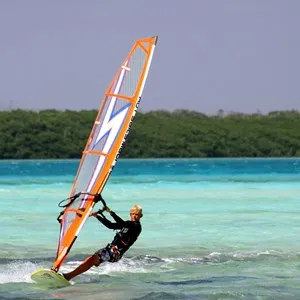
Sabadeco itself may not host large festivals, but Bonaire celebrates several cultural events throughout the year. Notable events include: - Carnival in February, featuring vibrant parades and music. - Bonaire Day in September, celebrating local culture with food, music, and dance. - The Bonaire Regatta in July, showcasing sailing and water sports.
When visiting Sabadeco, it's important to respect local customs and etiquette. - Greet locals with a friendly 'Bon bini' (welcome) or 'Bon dia' (good day). - Dress modestly when visiting churches or local communities. - Tipping is appreciated, typically around 10-15% in restaurants, but check if a service charge is included.