Samburu National Reserve Travel & Vacation Guide
Current Weather

Frequently Asked Questions
The best time to visit Samburu National Reserve is during the dry season, which runs from June to October. During these months, wildlife congregates around water sources, making it easier to spot animals such as elephants, lions, and the unique Grevy's zebra. The weather is generally sunny and pleasant, although temperatures can be warm during the day. If you prefer to see the landscape lush and vibrant, consider visiting during the short rainy season from November to December.
A stay of 3 to 4 days in Samburu National Reserve is ideal for experiencing the diverse wildlife and stunning landscapes. This duration allows you to enjoy multiple game drives, explore the reserve's unique ecosystems, and participate in cultural visits to nearby Samburu villages. If you plan to combine your visit with other parks in Kenya, you might consider a longer itinerary.
Samburu National Reserve offers several unique experiences, including: - Game drives to spot the 'Samburu Special Five': the Grevy's zebra, Somali ostrich, reticulated giraffe, Gerenuk, and the Beisa oryx. - Guided bush walks for a closer look at the flora and fauna. - Visiting the local Samburu communities to learn about their culture and traditions. - Night game drives, which provide a different perspective on the wildlife.
The best way to reach Samburu National Reserve is by flying into the nearest airstrip, which is Samburu Airstrip, from Nairobi. Several airlines operate daily flights that take about 1.5 hours. Alternatively, you can drive from Nairobi, which takes approximately 6 to 8 hours, depending on road conditions. Once in the reserve, most lodges and camps offer transportation for game drives.
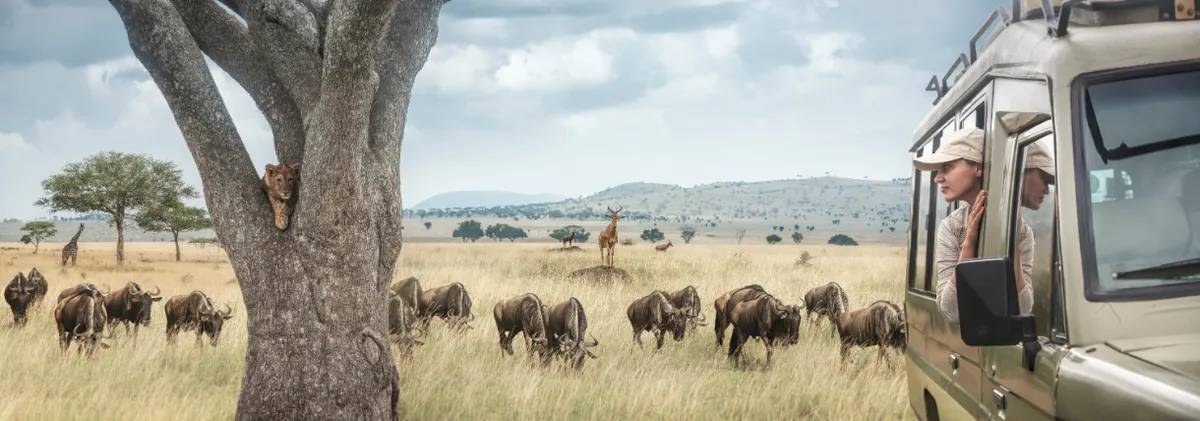
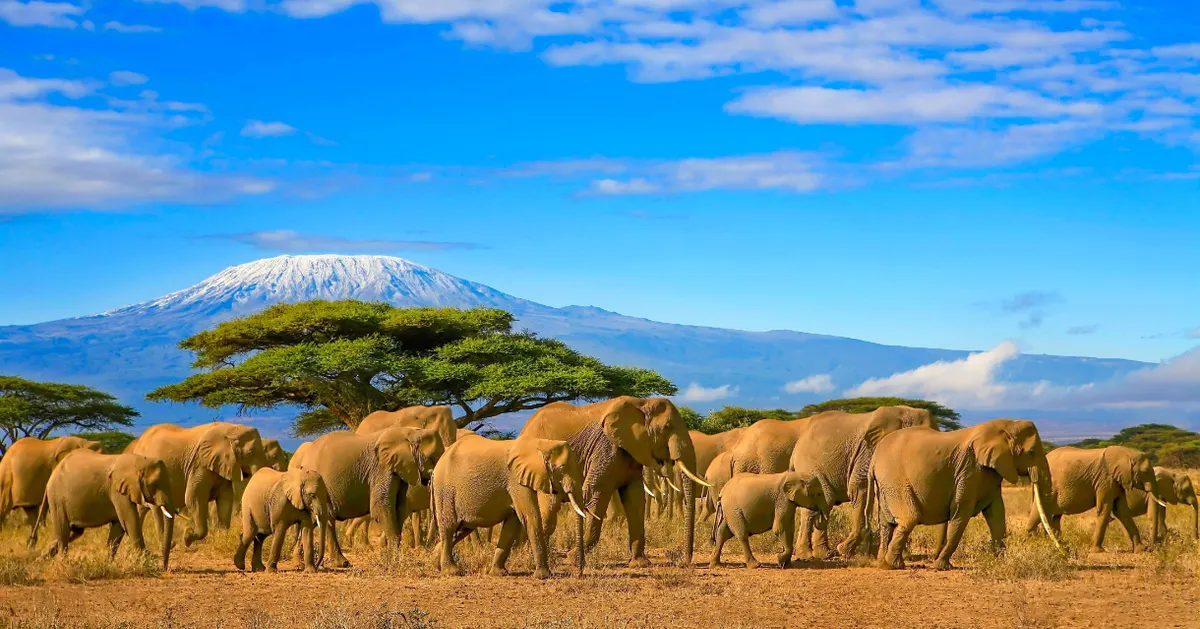
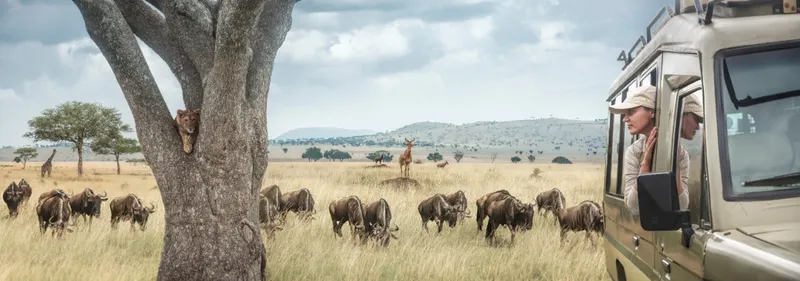
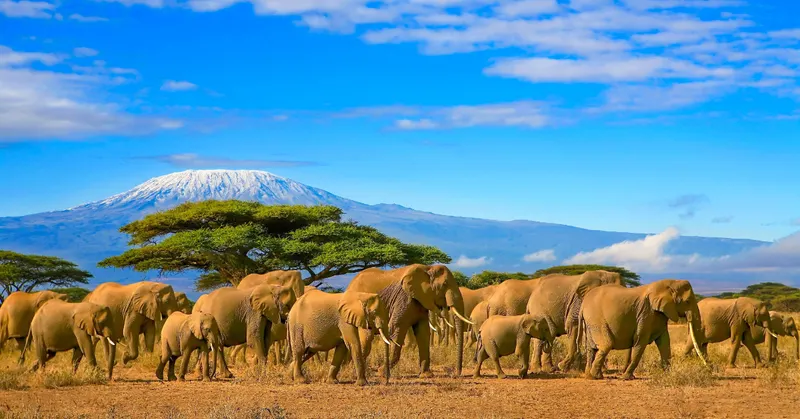
Samburu National Reserve is home to a wide variety of wildlife, including: - Big cats like lions, leopards, and cheetahs. - Large herds of elephants and buffalo. - Unique species such as the Grevy's zebra, reticulated giraffe, and Gerenuk. - Numerous bird species, with over 350 recorded, including the vibrant Somali ostrich and various raptors. This rich biodiversity makes it a prime destination for wildlife enthusiasts.
Yes, when visiting Samburu National Reserve, it's important to take health precautions. Travelers are advised to get vaccinations for diseases such as yellow fever and to take malaria prophylaxis, as malaria is present in the region. Additionally, it's wise to drink bottled or purified water and practice good hygiene to avoid gastrointestinal issues. Always consult a healthcare provider for personalized advice before your trip.
While in Samburu National Reserve, you can experience traditional Samburu cuisine, which often includes: - Nyama Choma: Grilled meat, usually goat or beef, served with ugali (a maize porridge). - Sukuma Wiki: Sautéed kale or other greens, often served as a side dish. - Irio: A mashed mixture of potatoes, peas, and corn. - Fresh fish from local rivers, depending on the season. These dishes provide a taste of the local culture and are often prepared using traditional methods.