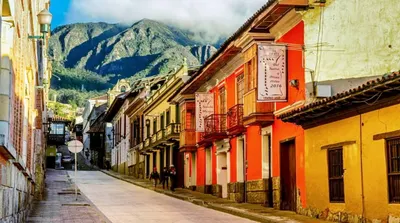
Santa Marta Travel & Vacation Guide
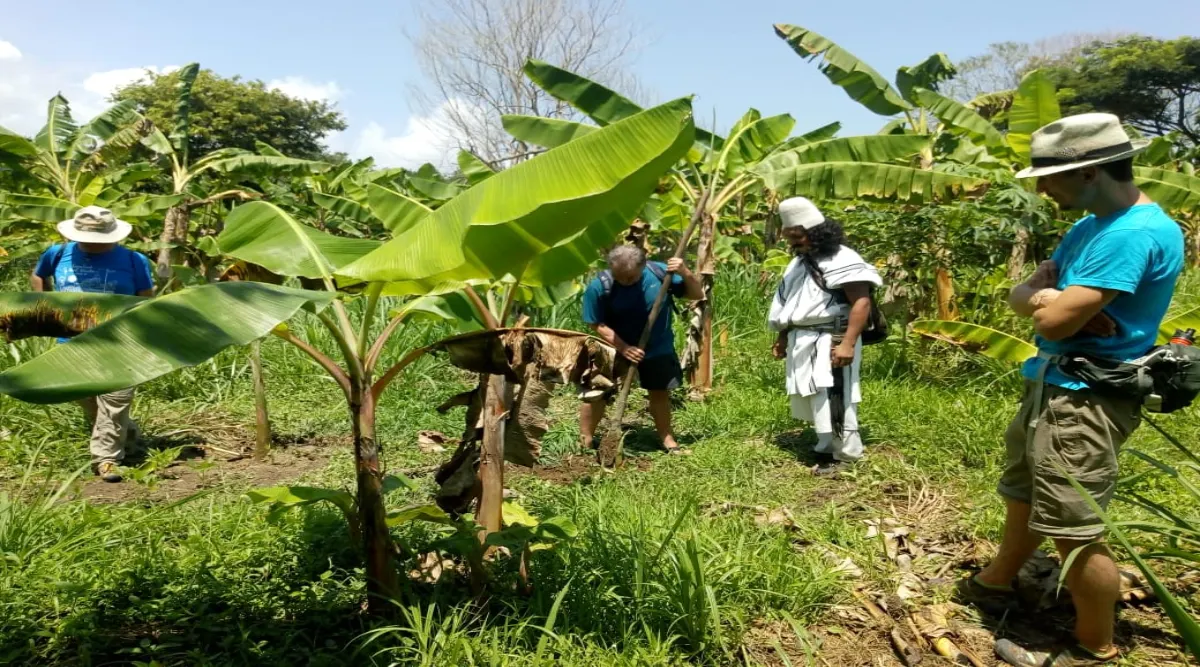
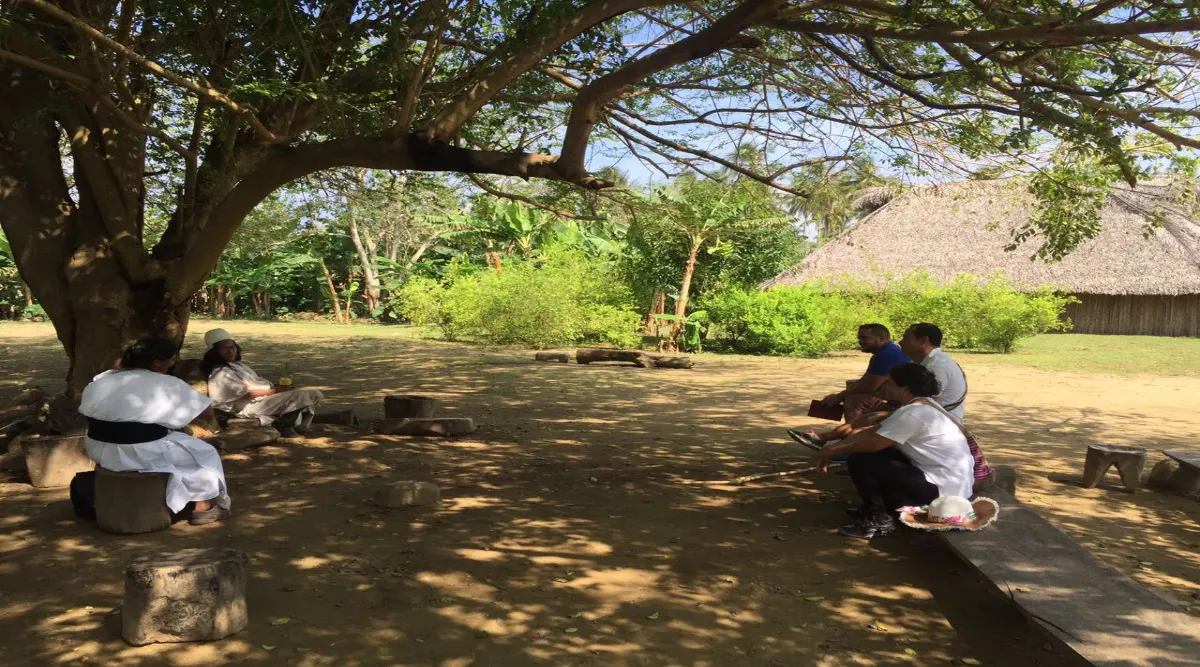
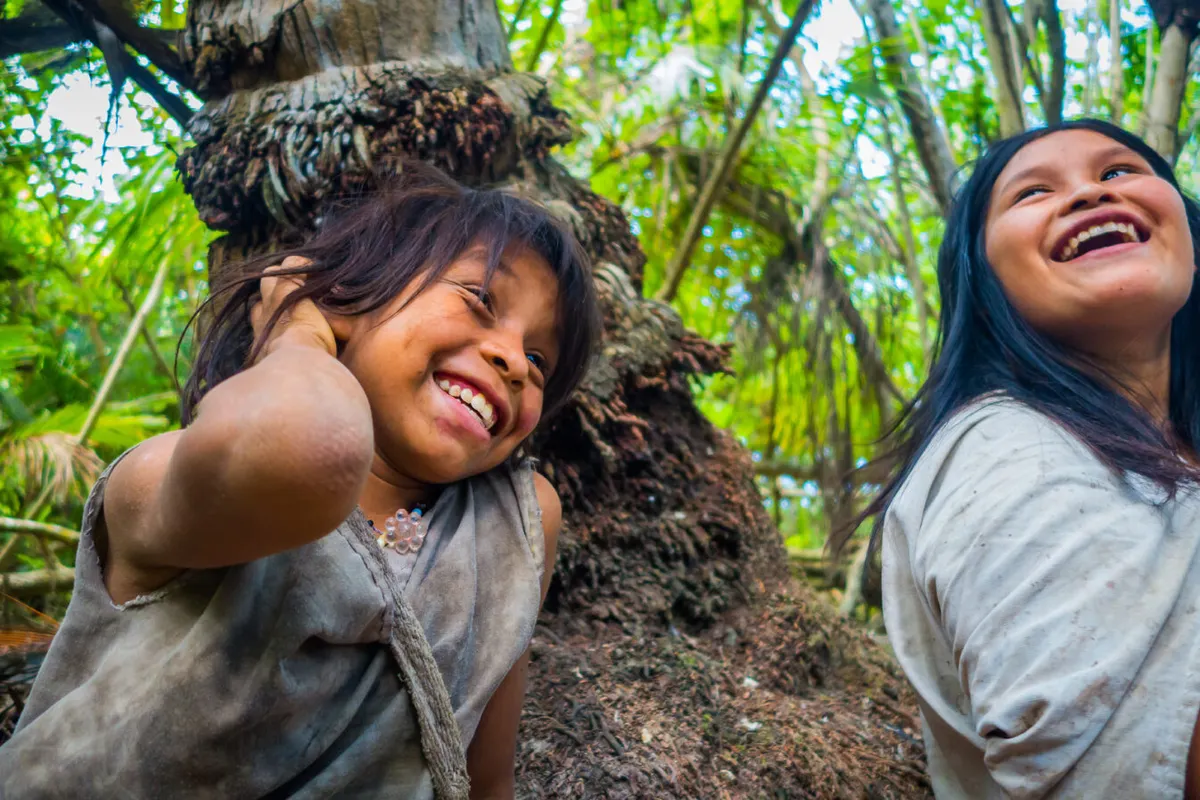
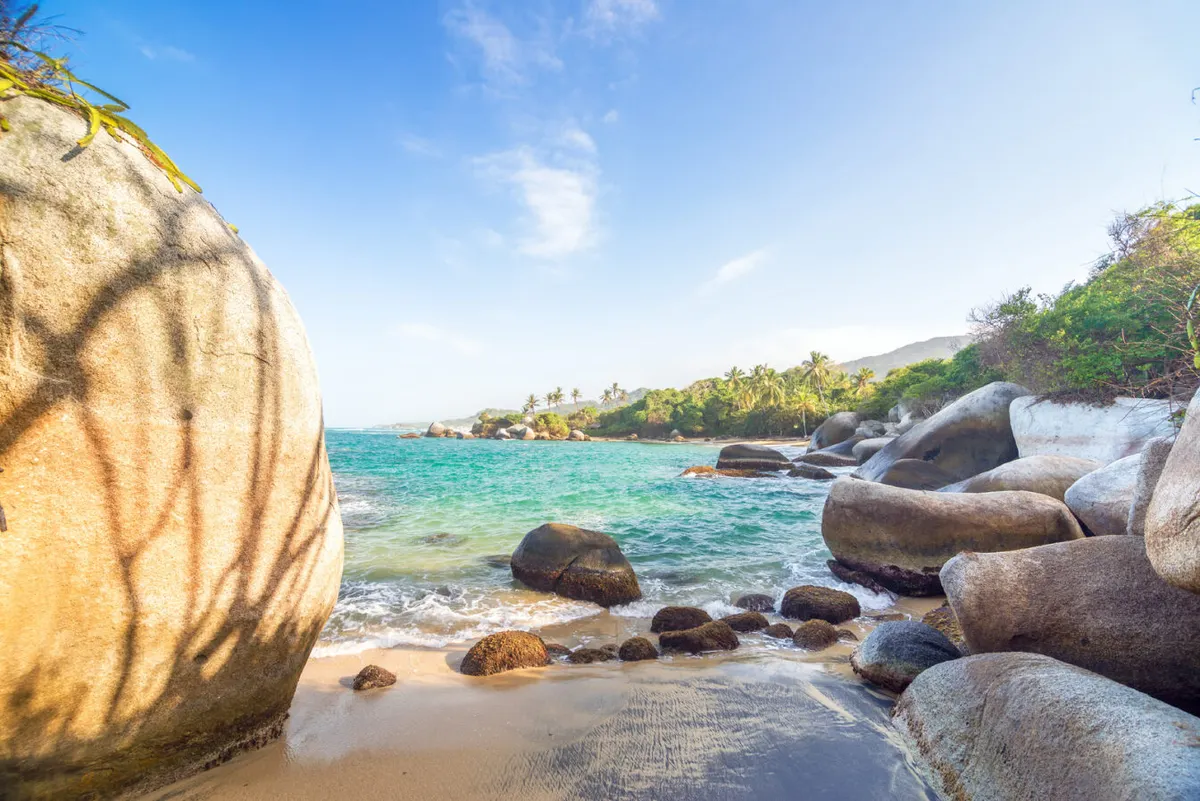
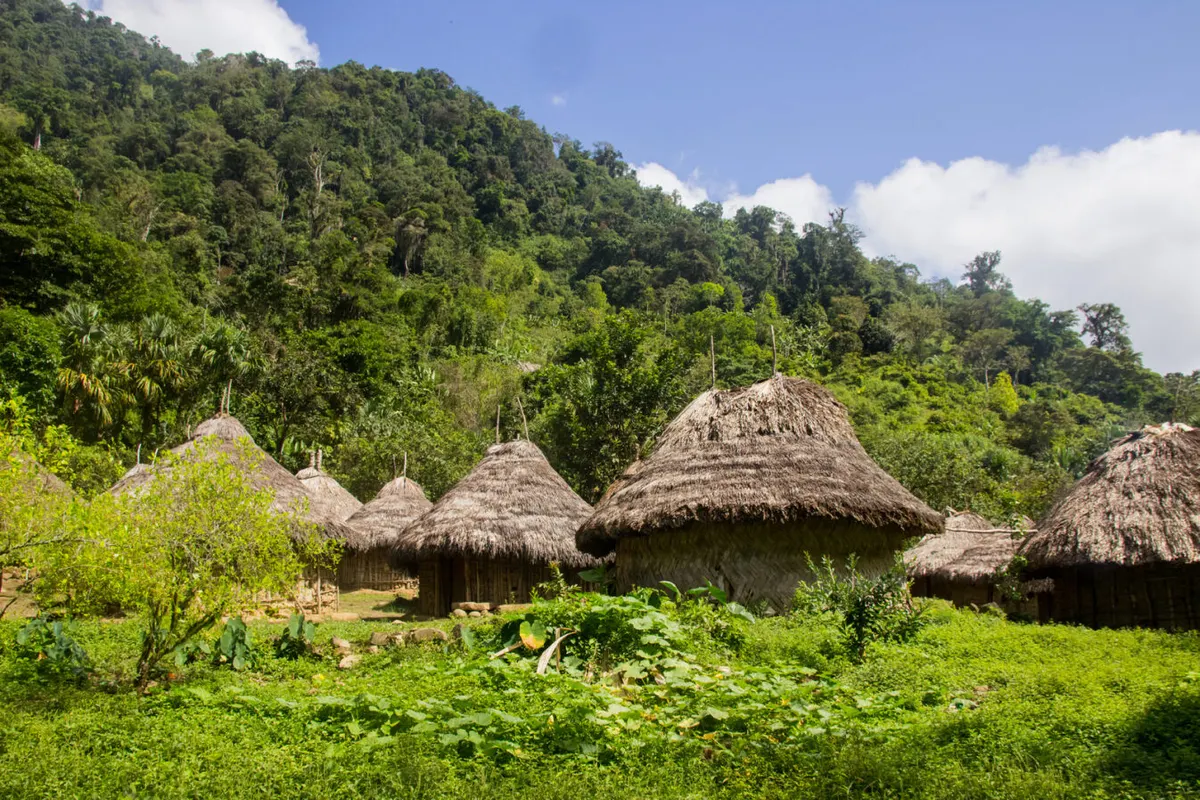
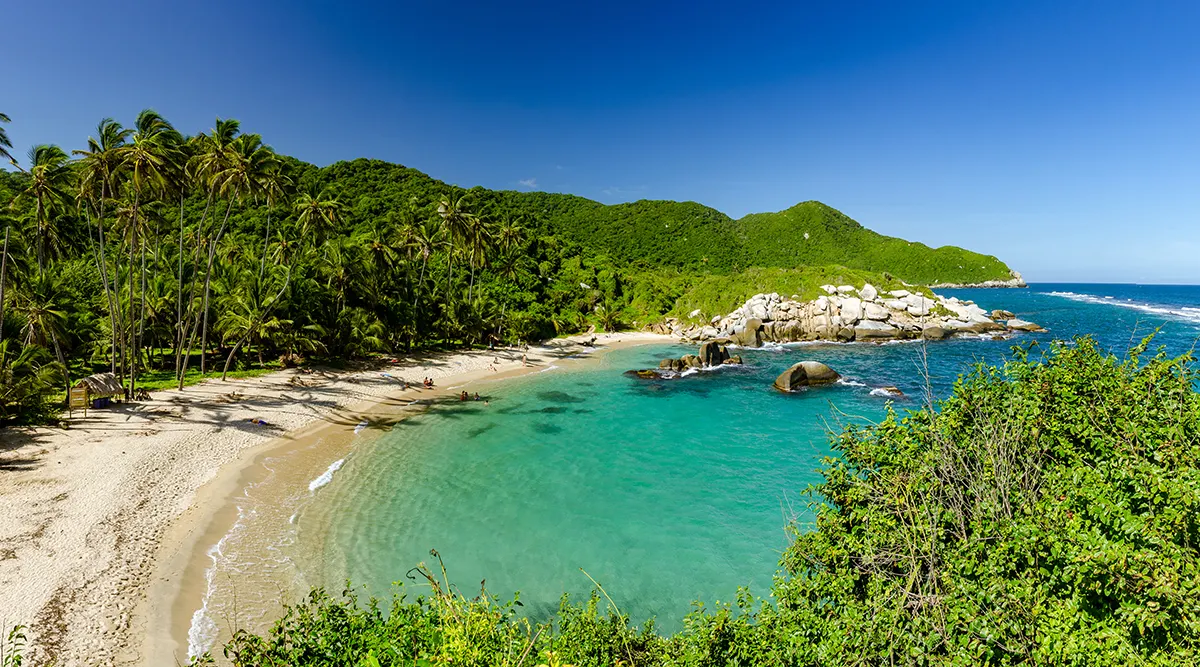
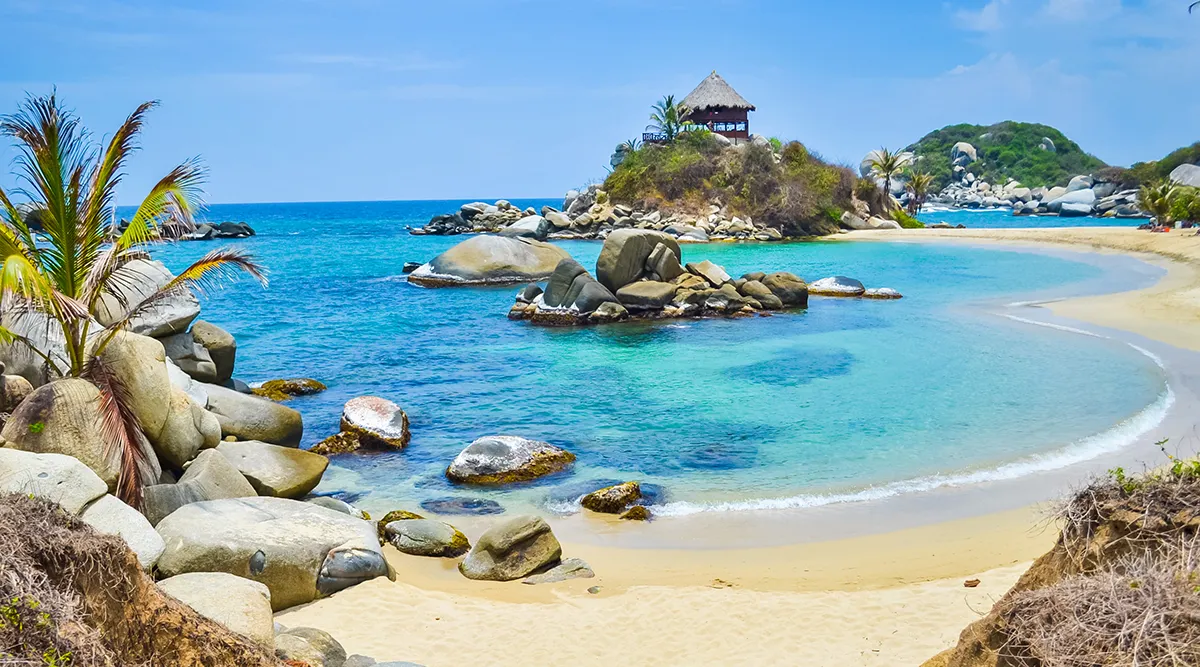








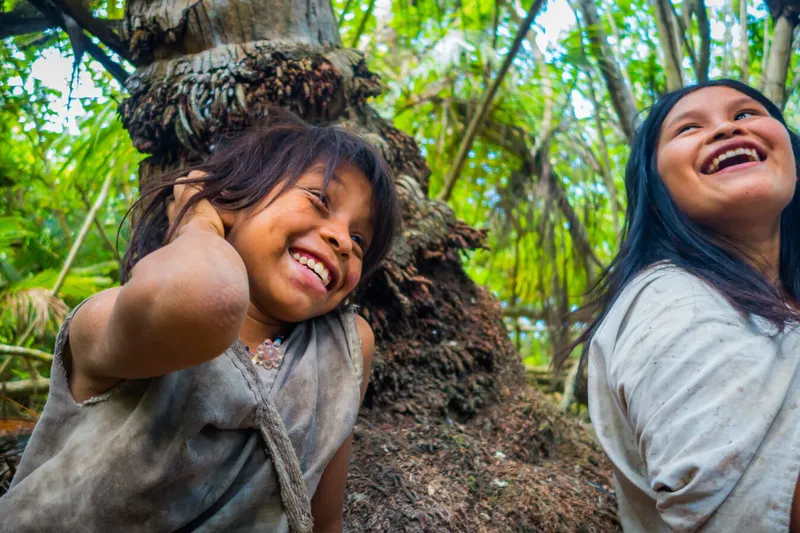
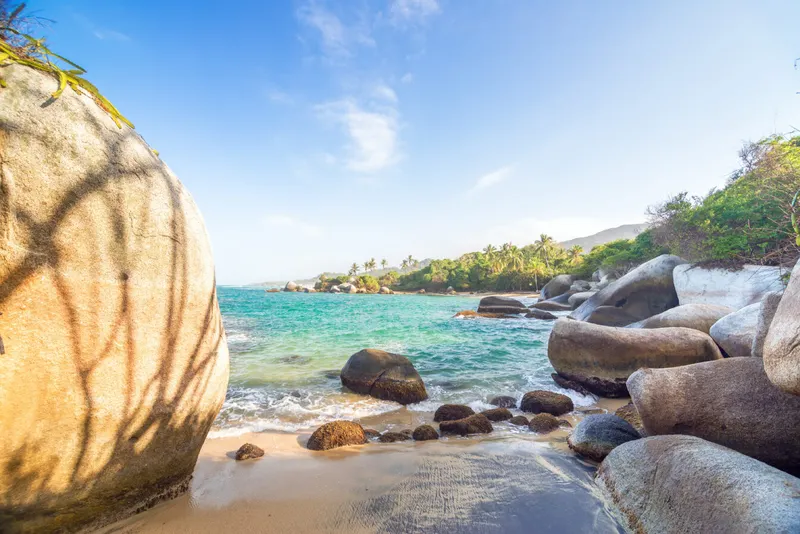
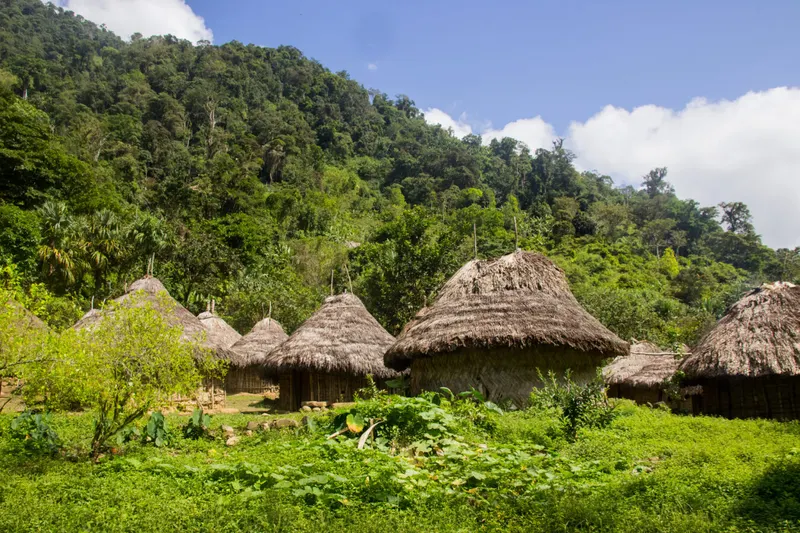
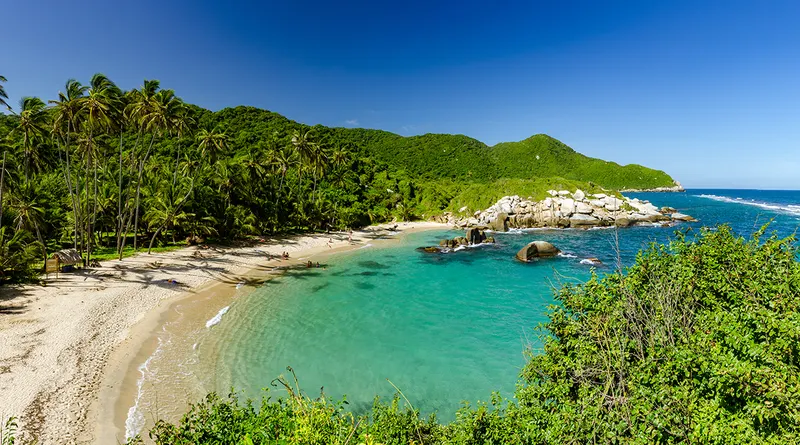
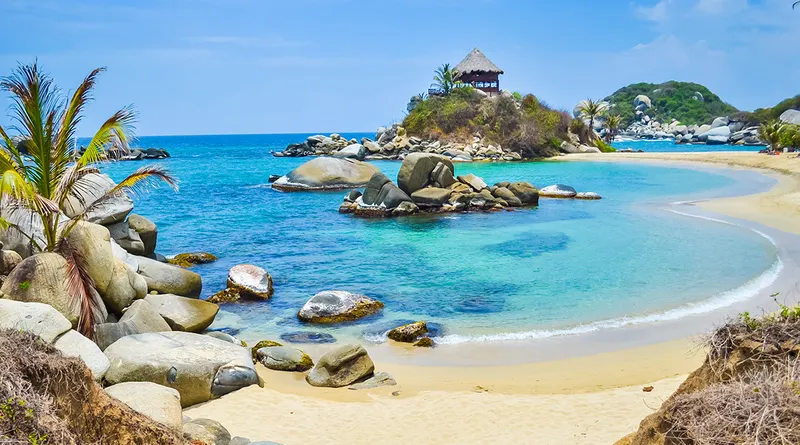
Santa Marta holds the distinction of being the oldest surviving European city in South America, founded in 1525 on Colombia's Caribbean coast. Today it is one of the country's most visited destinations, serving as the base for exploring the extraordinary Tayrona National Park — where jungle-draped mountains plunge into pristine Caribbean beaches — and for embarking on the iconic multi-day trek to the Ciudad Perdida, the Lost City of the Teyuna people, hidden deep in the Sierra Nevada jungle. The Sierra Nevada de Santa Marta rises dramatically from sea level to snow-capped peaks over 5,700 metres, making it the world's highest coastal mountain range.
Current Weather

Frequently Asked Questions
The best time to visit Santa Marta is during the dry season, from December to March. During these months, you can enjoy sunny weather and pleasant temperatures, ideal for exploring the beaches and nearby attractions. However, if you prefer fewer crowds, consider visiting in April or November when the weather is still relatively dry, but there are fewer tourists.
A 3 to 4-day stay in Santa Marta is ideal to explore the city and its surroundings. This allows time to visit the historic center, relax on the beaches, and take day trips to nearby attractions like Tayrona National Park and the Sierra Nevada mountains. If you're interested in diving or exploring further afield, consider extending your stay to a week.
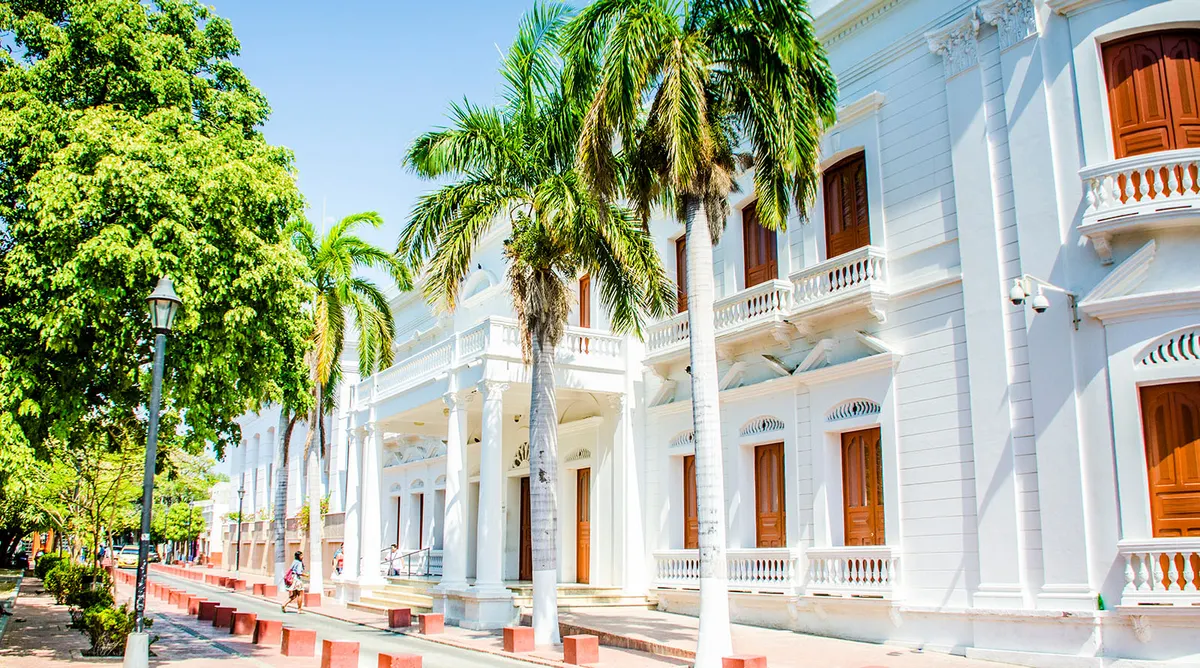
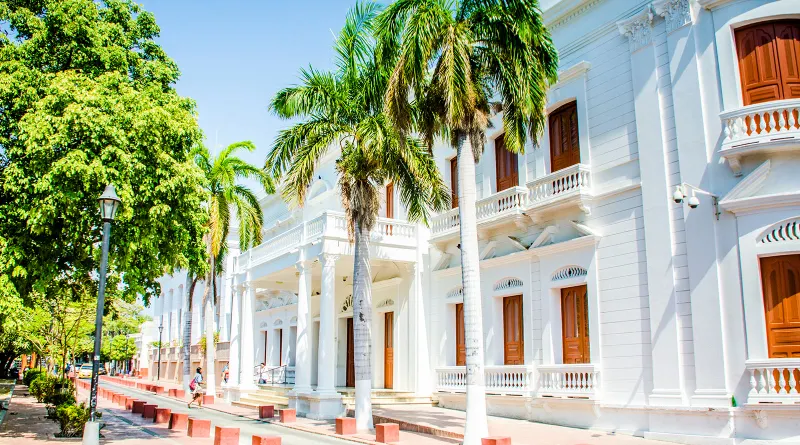
Santa Marta offers a range of attractions, including: - Tayrona National Park: Known for its stunning beaches and diverse wildlife. - Quinta de San Pedro Alejandrino: The historic estate where Simón Bolívar spent his last days. - The historic center: Featuring colonial architecture and vibrant street life. - Taganga: A small fishing village popular for diving and snorkeling. - Minca: A mountain village known for its coffee farms and waterfalls.
In Santa Marta, taxis and buses are the most common forms of transportation. Taxis are affordable and convenient for getting around the city. For exploring nearby attractions, consider renting a car or booking a guided tour. Local buses are available for budget travelers, but they can be crowded and less reliable.
Santa Marta offers a variety of local dishes that reflect its coastal culture. Be sure to try: - Cazuela de Mariscos: A seafood stew made with coconut milk. - Arepas de Huevo: Fried corn cakes filled with egg. - Arroz con Coco: Coconut rice, often served with fish. - Patacones: Fried plantain slices, a popular side dish. - Fresh tropical fruits like mango and papaya.
Santa Marta hosts several cultural events and festivals throughout the year. The Fiesta del Mar, held in July, celebrates the city's maritime heritage with parades, music, and water sports competitions. Another notable event is the Festival de la Cumbia in August, which showcases traditional Colombian music and dance. These festivals offer a unique opportunity to experience local culture and traditions.
Santa Marta is an excellent base for day trips to explore the region. Recommended excursions include: - Tayrona National Park: For hiking and beach relaxation. - Minca: To enjoy the cool mountain climate and visit coffee farms. - Ciudad Perdida: An archaeological site of an ancient city, accessible via a multi-day trek. - Palomino: A laid-back beach town perfect for tubing down the Palomino River. These trips offer diverse experiences, from nature to history and adventure.