Sharm El Sheikh Travel & Vacation Guide






Current Weather



Description
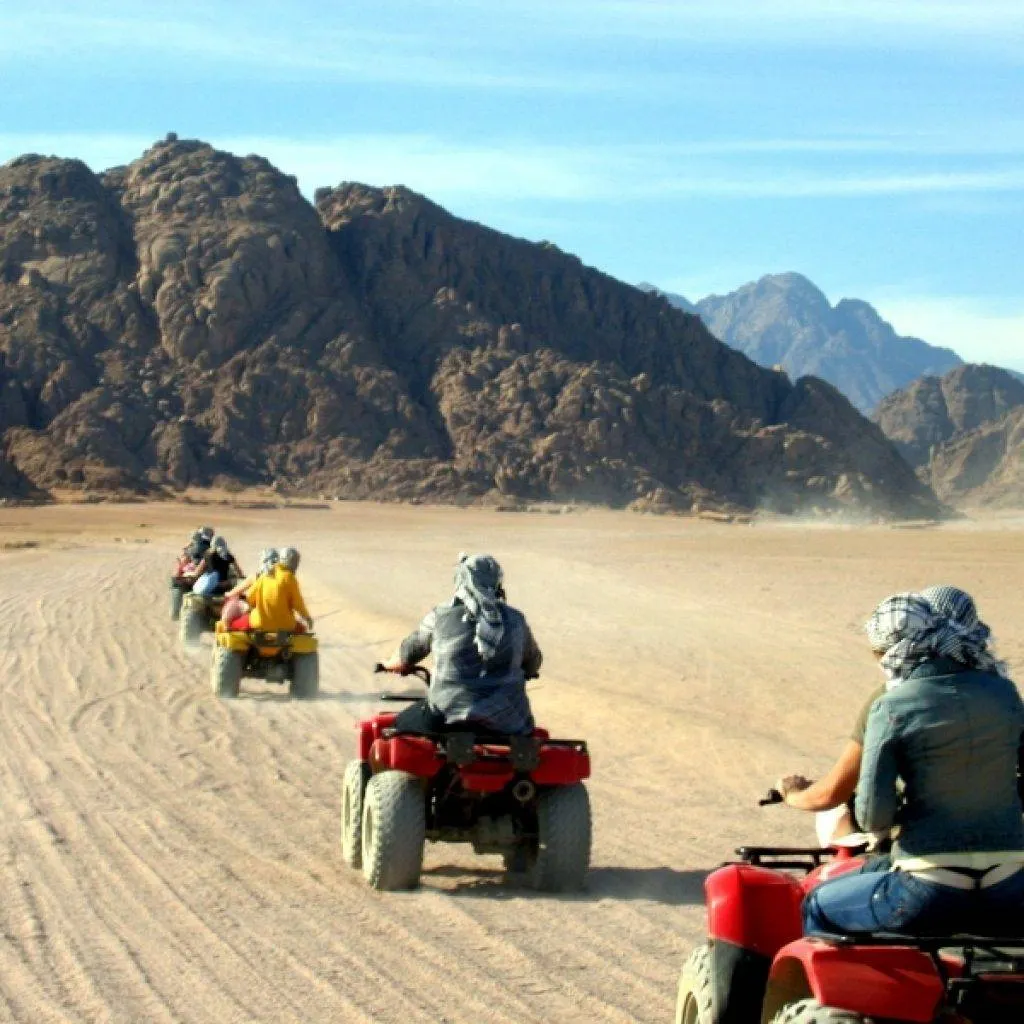
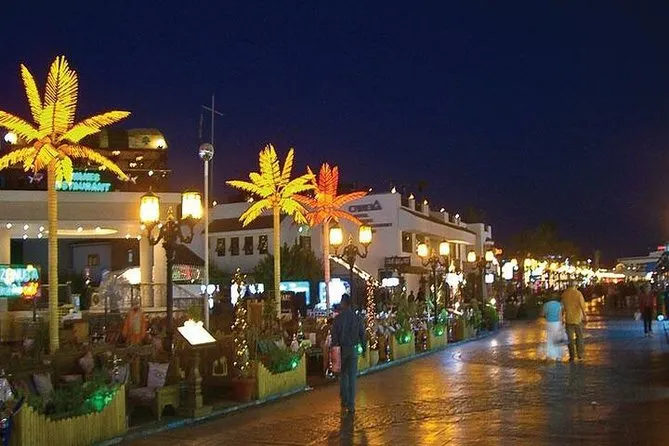
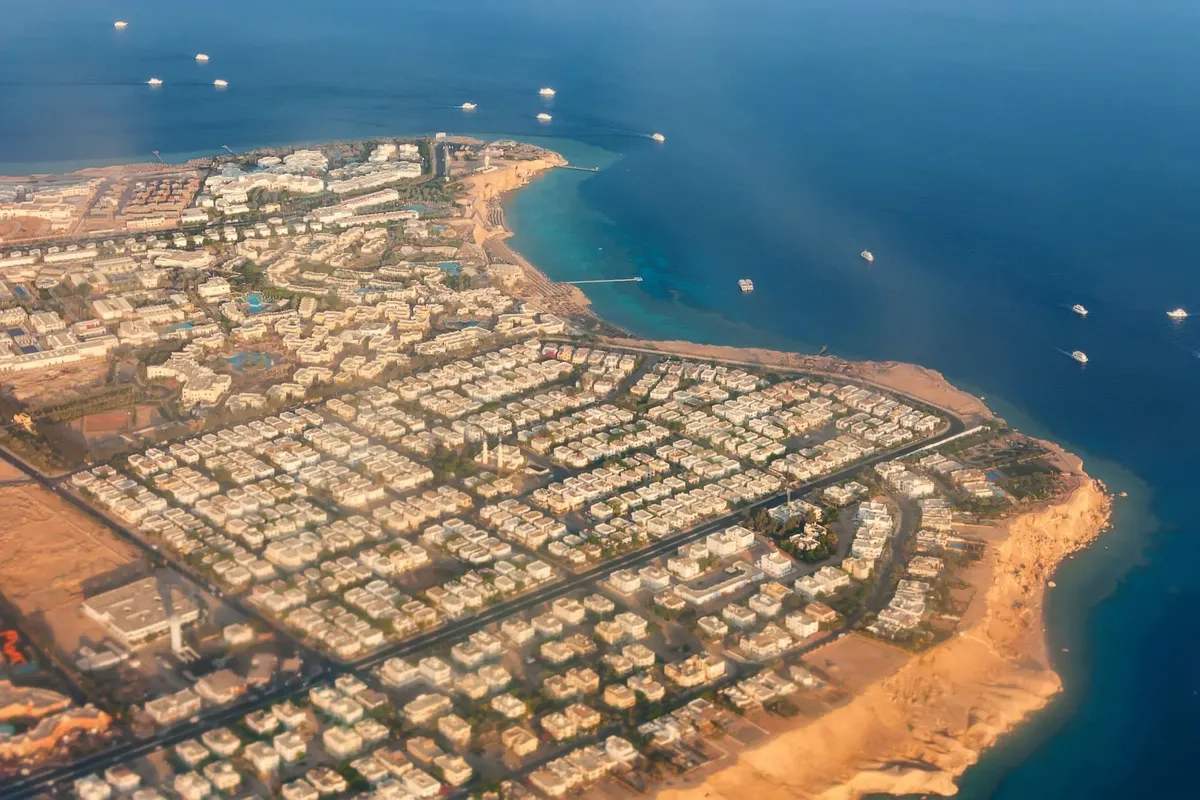
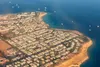
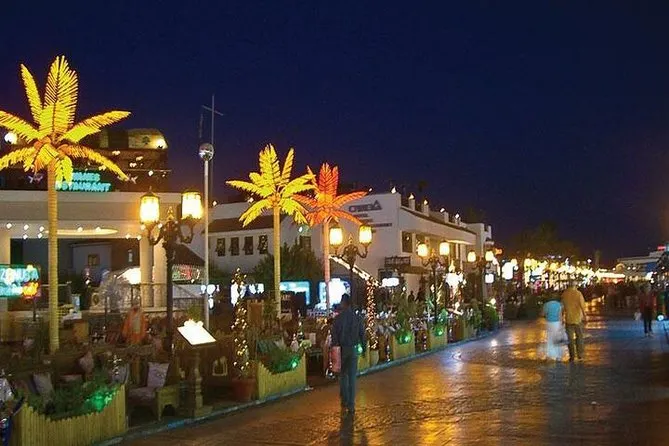
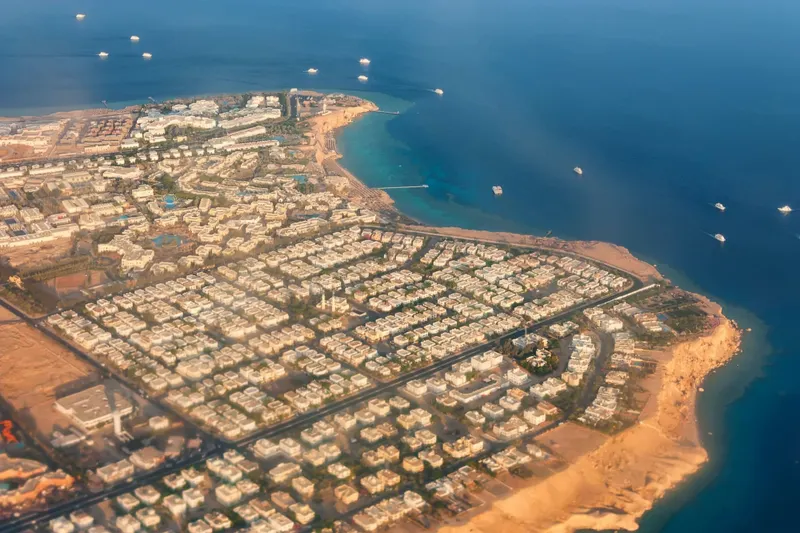
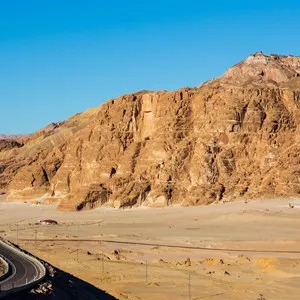
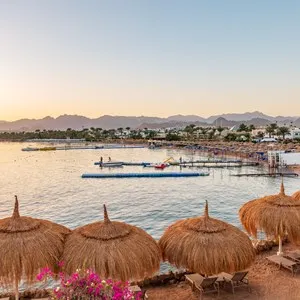
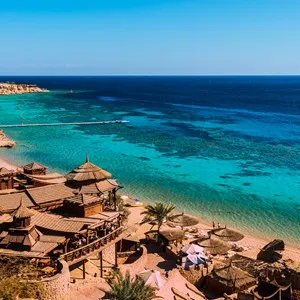
Sharm el-Sheikh — or just 'Sharm' — sits on the southern tip of the Sinai Peninsula, and its story is surprisingly recent. Until the late 20th century, it was little more than a fishing village, but its strategic position at the mouth of the Gulf of Aqaba meant it played a role in several regional conflicts, especially during the Suez Crisis and the Arab-Israeli wars. After the Sinai was returned to Egypt in the early 1980s, Sharm began to shift gears — from military outpost to peaceful resort town. It even hosted international peace talks, earning the nickname 'City of Peace'. Since then, tourism has boomed. Sharm is now one of Egypt’s top Red Sea destinations, known for its diving, year-round sun, and wide range of resorts. The city stretches along 30 km of coastline, with Naama Bay at its centre and other pockets like Sharks Bay and Nabq growing fast. With around 35,000 residents, it blends tourism infrastructure with glimpses of everyday Egyptian life. It’s modern, safe, and easy to navigate, but the dramatic desert and mountain backdrop reminds you you’re still in the Sinai.
Useful information
12,000 (2025)
Egyptian Pound (EGP, LE, and E£)
Police: 122
Tourist Police: 126
Ambulance: 123
Fire Brigade: 180
Do & See
Dining


Cafés




Bars & Nightlife





Shopping




Tourist Information




Frequently Asked Questions
The best time to visit Sharm El Sheikh is during the cooler months from October to April. During this period, temperatures are more comfortable, ranging from 70°F to 80°F (21°C to 27°C), making it ideal for outdoor activities and beach relaxation. The summer months can be extremely hot, with temperatures often exceeding 100°F (38°C).
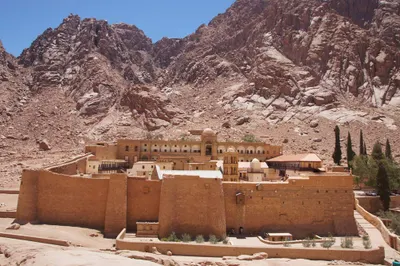
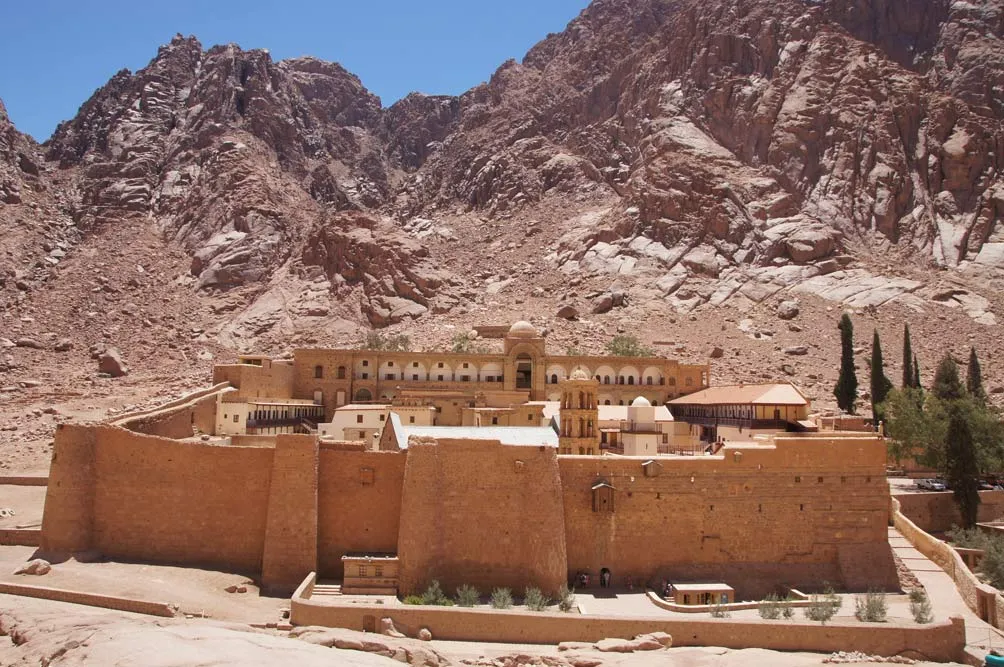
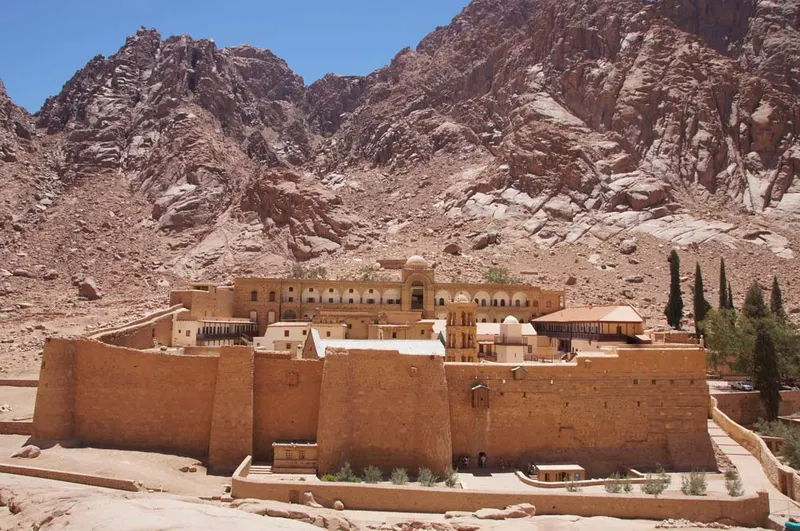
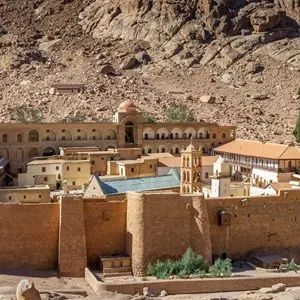
A stay of 5 to 7 days in Sharm El Sheikh is recommended to fully enjoy the area's attractions. This allows time to relax on the beautiful beaches, explore the vibrant coral reefs through snorkeling or diving, and take day trips to nearby attractions such as Mount Sinai and St. Catherine's Monastery.
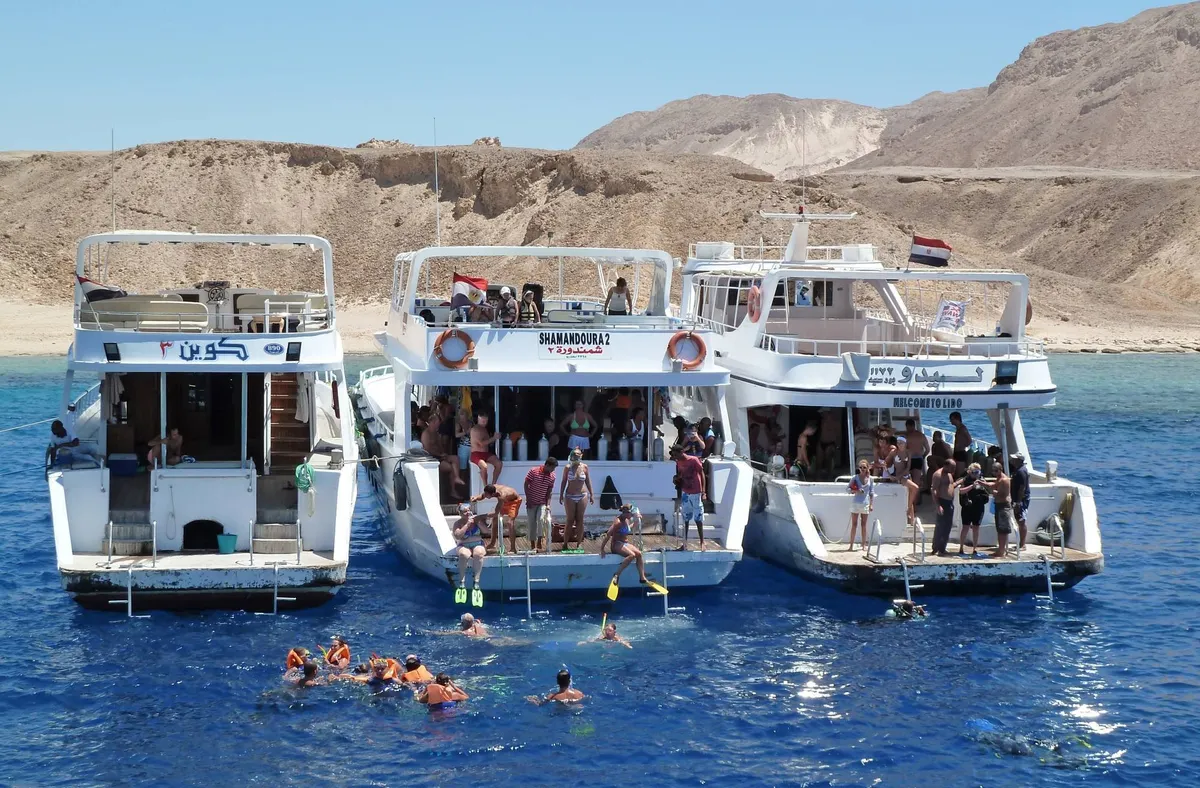
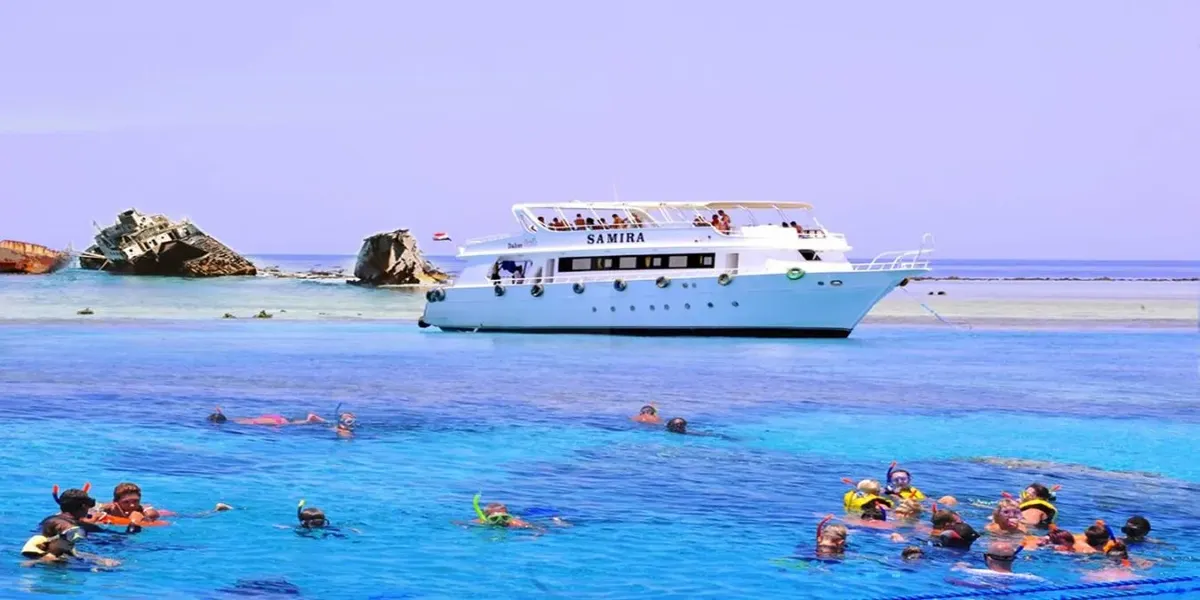
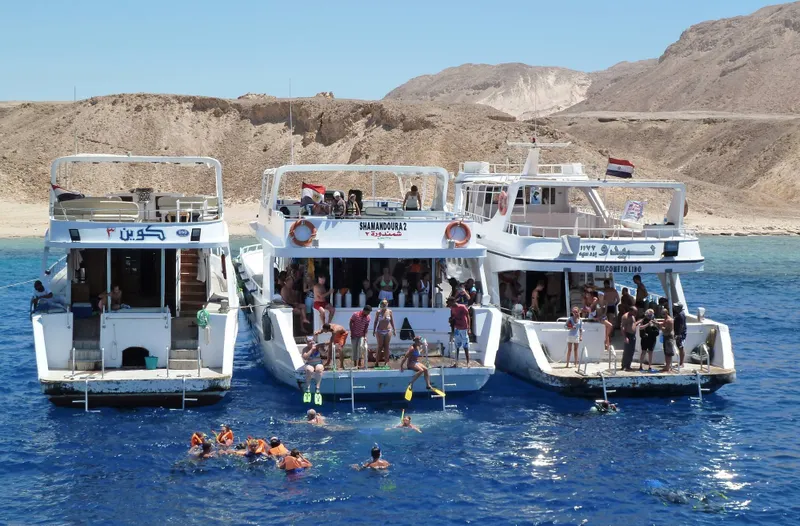
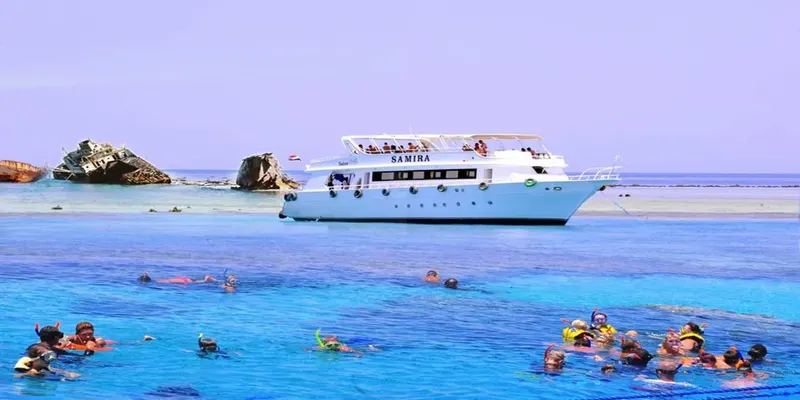
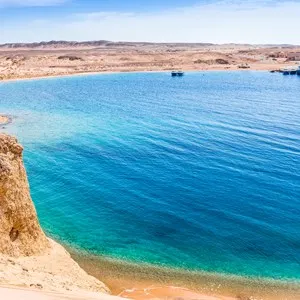
Sharm El Sheikh offers numerous attractions, including: - Naama Bay: A bustling area with shops, restaurants, and nightlife. - Ras Mohammed National Park: Renowned for its stunning marine life and coral reefs. - Tiran Island: A popular spot for diving and snorkeling excursions. - Mount Sinai: A sacred site where Moses is said to have received the Ten Commandments.
Getting around Sharm El Sheikh is relatively easy. Options include: - Taxis: Widely available and affordable; agree on a fare before starting your journey. - Rental Cars: A good option for those who want to explore at their own pace. - Hotel Shuttles: Many resorts offer shuttle services to popular destinations.
When in Sharm El Sheikh, be sure to try local Egyptian dishes such as: - Koshari: A hearty mix of rice, lentils, pasta, and tomato sauce. - Fattah: A traditional dish made with rice, bread, and meat, often served during celebrations. - Fresh seafood: Enjoy grilled fish and shrimp caught from the Red Sea.
Yes, it's important to respect local customs in Sharm El Sheikh. Dress modestly when visiting religious sites, covering shoulders and knees. During Ramadan, be mindful of eating and drinking in public during daylight hours. Additionally, greeting locals with a smile and using polite phrases like "shukran" (thank you) can enhance your experience.
While Sharm El Sheikh is generally safe for tourists, it's wise to take standard precautions. Drink bottled water to avoid stomach issues, use sunscreen to protect against the strong sun, and be cautious when swimming in unfamiliar areas. Additionally, stay informed about any travel advisories from the U.S. State Department before your trip.