Thessaloniki Travel & Vacation Guide

Current Weather

Description
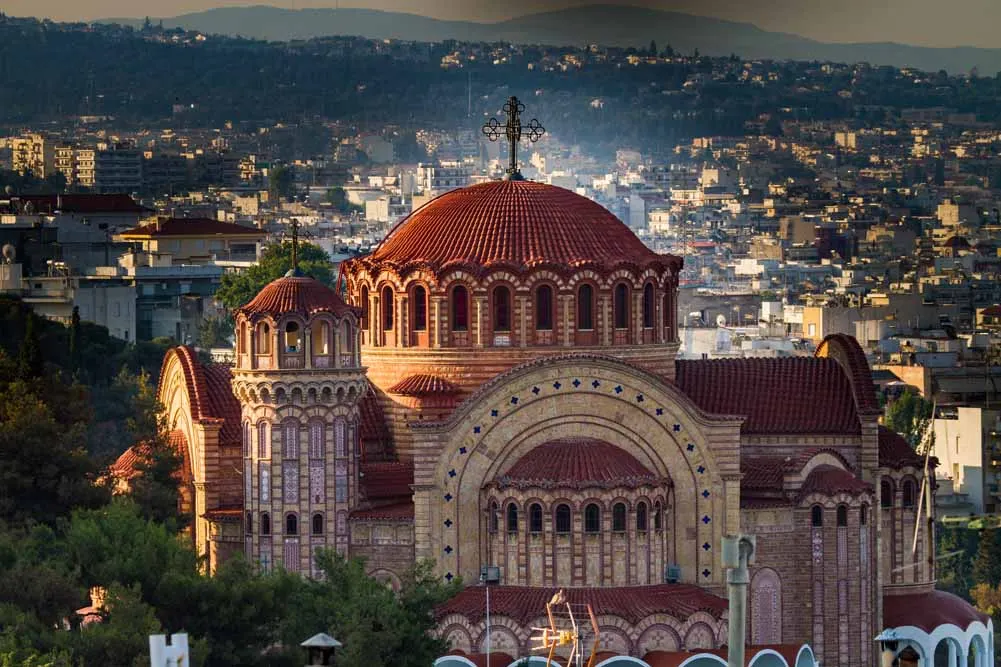
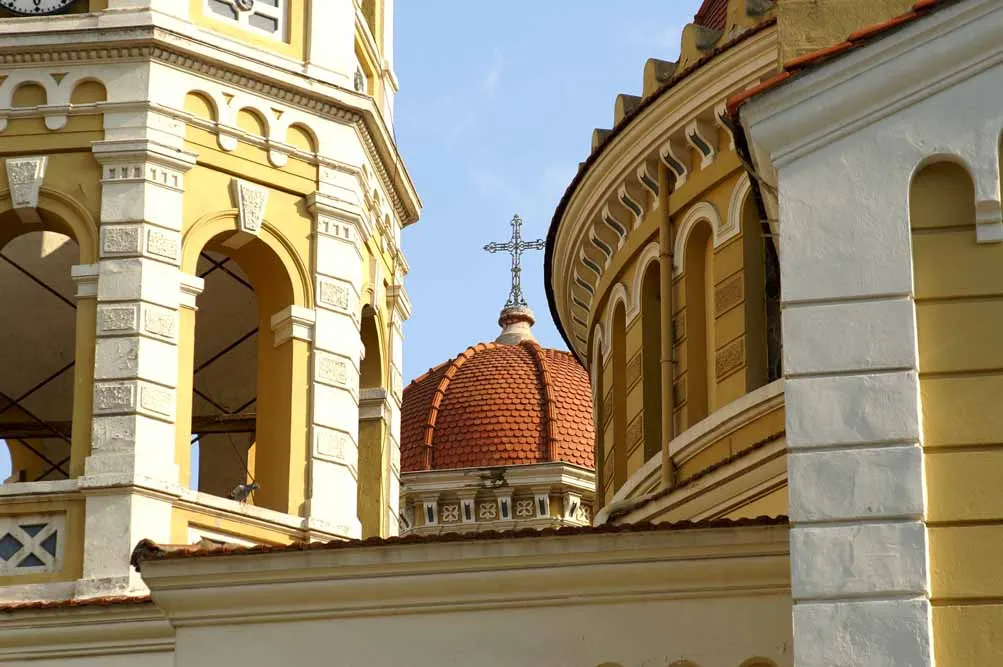
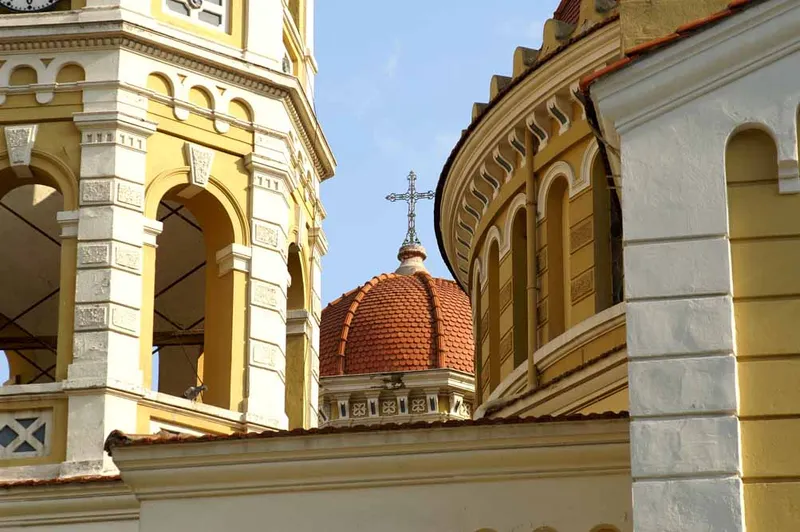
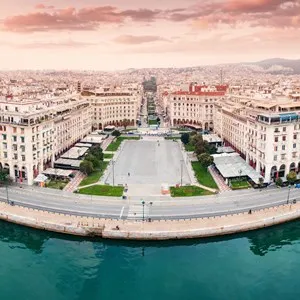
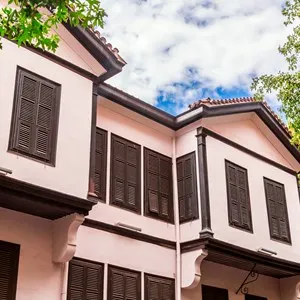
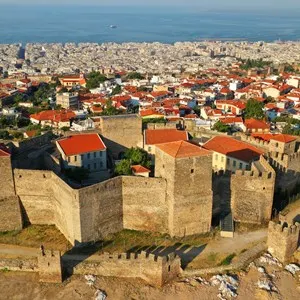
The city was established in 316 BC by King Cassander of Macedonia and named after his wife, Thessalonike, half-sister of Alexander the Great. Thessaloniki, in Greek, actually means the "victory of the Thessalians". It was the second most important city of the Byzantine Empire, next to Constantinople. The city has lived through the rise and fall of the Roman, Byzantine and Ottoman empires, occupations and earthquakes, and has continuously rebuilt itself adding new layers to its complex structure. These days, Thessaloniki is the capital of the region Central Macedonia and is home to both ancient history and an exciting present. The city centre, as well as local centres of a few districts, is bustling with life and movement. Yet walk a few blocks away from the main streets, and you'll find yourself in the quietest and narrowest streets where you can walk uninterruptedly for hours, stumbling upon old churches, ruins and quirky features of vernacular architecture. Large avenues, parks and squares provide nice green spaces, and trees line the commercial streets. There are old houses and Neoclassical buildings that stand side by side with modern constructions. The people of Thessaloniki are known for their friendliness and hospitality throughout Greece and English is spoken by most.
Useful information
1.1 million (2024)
€1 = 100 cents
Alongside 112, the following emergency numbers are available:
Police: 100
Fire Brigade: 199
Emergency Medical Service: 166
Tourist Police: 171
Stores in the centre are open 9am–9pm. Most supermarkets will be closed on Sundays. In the suburbs, expect the stores to be open in shifts: Tuesday, Thursday and Friday 9am–2:30pm and 5:30pm–8:30pm; Monday, Wednesday and Saturday 9am–3pm. On Sundays, most large shopping malls and a few shops in tourist areas are open until 2pm. Mini-markets and kiosks will stay open all day long, every day.
Do & See
Dining





Cafes






Bars & Nightlife






Shopping







Tourist Information







Frequently Asked Questions
The best time to visit Thessaloniki is during the spring (April to June) and fall (September to October) when the weather is mild and pleasant. These seasons offer comfortable temperatures for exploring the city's historic sites and enjoying outdoor cafes without the summer crowds.
A stay of 2 to 3 days in Thessaloniki is ideal to explore its main attractions, such as the White Tower, Rotunda, and the Archaeological Museum. This timeframe also allows for leisurely strolls along the waterfront and sampling the city's vibrant culinary scene.
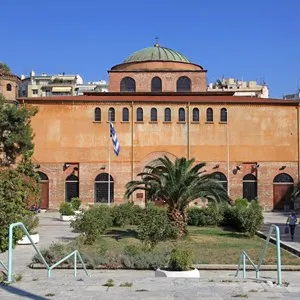
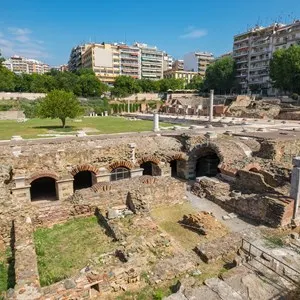
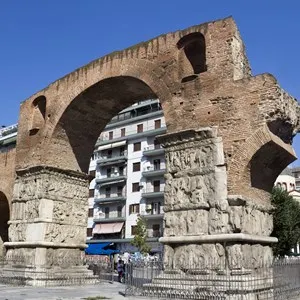
Thessaloniki boasts several must-see attractions, including: - The White Tower, a symbol of the city - The Rotunda, a massive round building with stunning mosaics - The Arch of Galerius, an ancient Roman monument - The Archaeological Museum, showcasing Macedonia's rich history - Ano Poli, the old town with traditional architecture and panoramic views.
The best way to get around Thessaloniki is by walking, as many of the city's attractions are within a compact area. For longer distances, the city has an efficient bus network. Taxis are also readily available and relatively inexpensive for getting around the city.
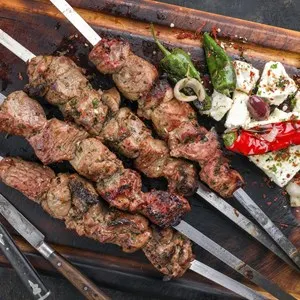
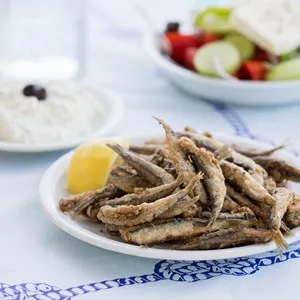
In Thessaloniki, be sure to try local specialties such as bougatsa (a pastry filled with cream or cheese), souvlaki (grilled meat skewers), and gyros (meat cooked on a vertical rotisserie). The city is also known for its seafood, with dishes like grilled octopus and fresh fish being popular choices.
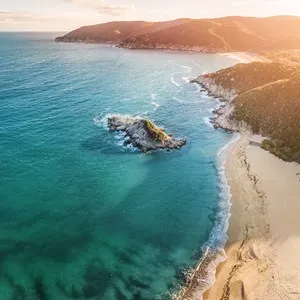
Yes, there are several great day trips from Thessaloniki. Consider visiting: - Mount Olympus, the mythical home of the Greek gods - The archaeological site of Vergina, a UNESCO World Heritage site - The beautiful beaches of Halkidiki - The traditional village of Edessa, known for its stunning waterfalls.
Thessaloniki hosts several cultural events and festivals throughout the year. The Thessaloniki International Film Festival in November is a major event, showcasing films from around the world. The Dimitria Festival, held in the fall, features a variety of cultural performances, including music, theater, and art exhibitions.