Tucson Travel & Vacation Guide
Current Weather

Description
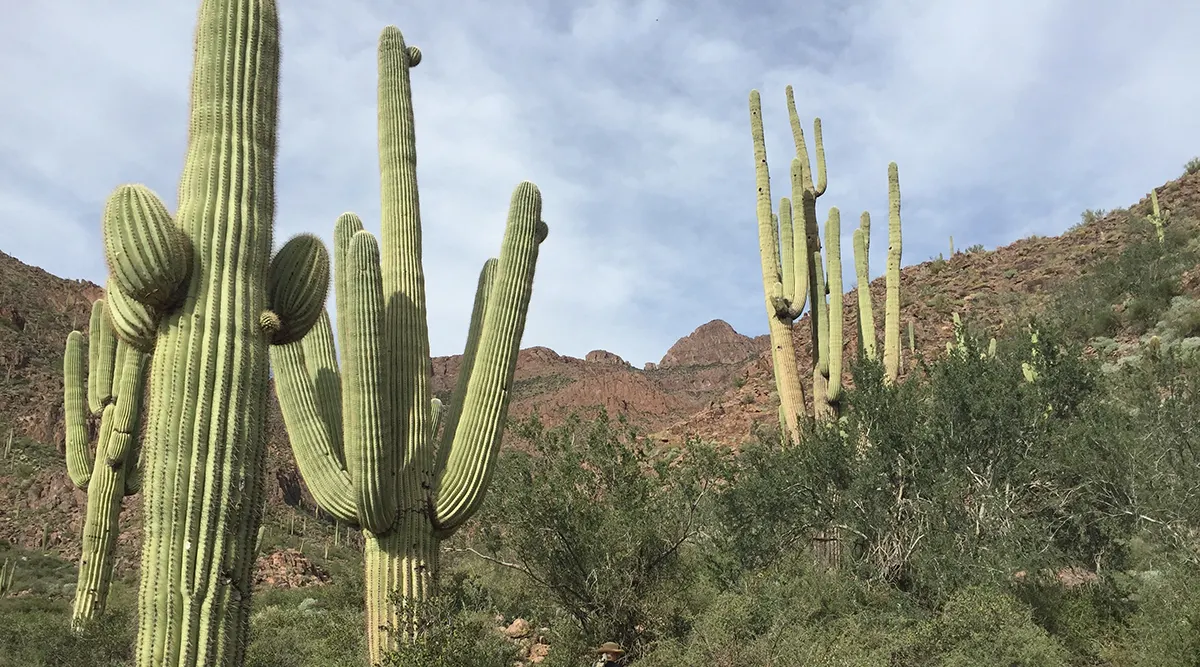
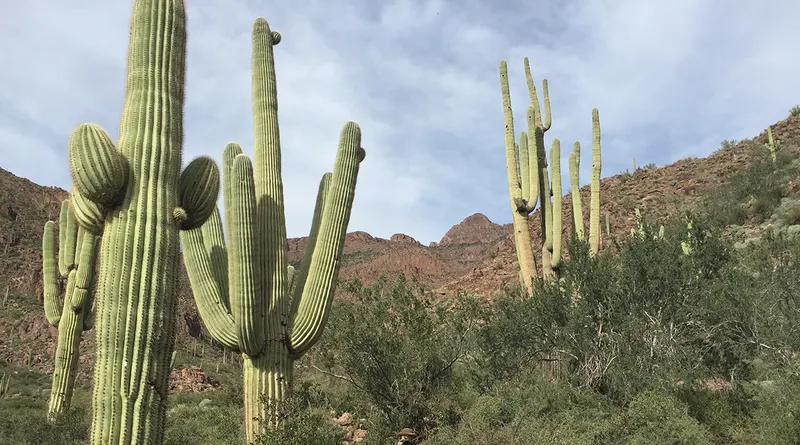
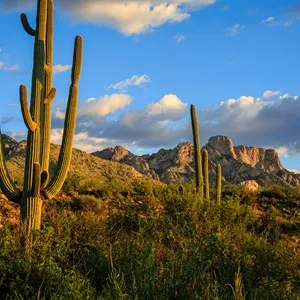
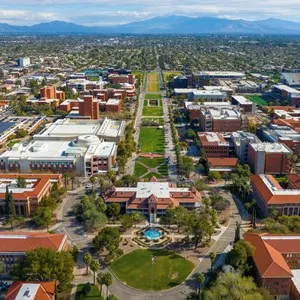
Tucson is the county seat of Pima County and is home to roughly half of the county's population, which is extremely diverse as a result of its American Indian, Spanish, European and Mexican heritage. Like many areas of the American Southwest, the territory that includes Tucson changed hands between the countries of Mexico and the United States until officially becoming part of the United States as part of the Gadsden Purchase in 1853. The natural geography of Tucson and its surrounding areas is as diverse as its cultural heritage. It includes five minor mountain ranges, the Sonoran desert, the Coronado National Forest, and the Santa Cruz River, which still flows during the rainy season but is dry the rest of the year. The city itself is home to five regions, each possessing unique notoriety. The Downtown and Central Tucson areas are full of historic neighborhoods and buildings, such as the Hotel Congress and the Fox Theater. This is also the home of the University of Arizona. Southern Tucson has a strong Mexican-American influence, Western Tucson is recognized for its natural attributes, and Northern and Eastern Tucson are rapidly developing areas with plenty of upscale shopping and dining.
Useful information
542,629
U.S. dollar = 100 cents
Dial 911 for emergencies
Do & See



Dining








Cafes








Bars & Nightlife








Shopping







Tourist Information







Frequently Asked Questions
The best time to visit Tucson, Arizona, is during the fall (October to November) and spring (March to May) when the weather is mild and pleasant. During these months, temperatures range from the mid-60s to mid-80s Fahrenheit, making it ideal for outdoor activities and exploring the city's natural beauty.
A 3 to 4-day trip to Tucson is ideal to explore its main attractions, including Saguaro National Park, the Arizona-Sonora Desert Museum, and historic downtown. This timeframe allows you to enjoy both the natural landscapes and cultural experiences without feeling rushed.
Must-see attractions in Tucson include: - Saguaro National Park for its iconic cacti and hiking trails - The Arizona-Sonora Desert Museum, which combines a zoo, botanical garden, and natural history museum - Mission San Xavier del Bac, a stunning example of Spanish colonial architecture - The Pima Air & Space Museum, one of the largest aviation museums in the world
The best way to get around Tucson is by car, as it allows you to easily access attractions spread across the city and surrounding areas. Tucson also offers a Sun Link streetcar system that connects downtown with the University of Arizona and other key areas, providing a convenient option for exploring the city center.
Tucson is known for its vibrant culinary scene, particularly its Mexican and Southwestern cuisine. Be sure to try local specialties like Sonoran hot dogs, carne seca (dried beef), and prickly pear cactus dishes. The city is also home to several award-winning restaurants and food festivals showcasing its diverse flavors.
Tucson offers a wealth of outdoor activities thanks to its stunning desert landscapes. Popular activities include hiking in the Santa Catalina Mountains, exploring the trails of Sabino Canyon, and mountain biking in the Tucson Mountain Park. Birdwatching is also popular, with many species found in the region's diverse habitats.
Tucson hosts several cultural events and festivals throughout the year. The Tucson Gem and Mineral Show in February is one of the largest of its kind in the world. The All Souls Procession in November is a unique community event inspired by Dia de los Muertos, featuring a parade and performances celebrating life and remembrance.