Umbria Travel & Vacation Guide
Current Weather

Description
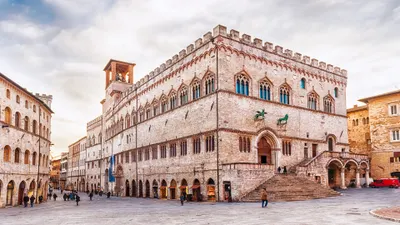
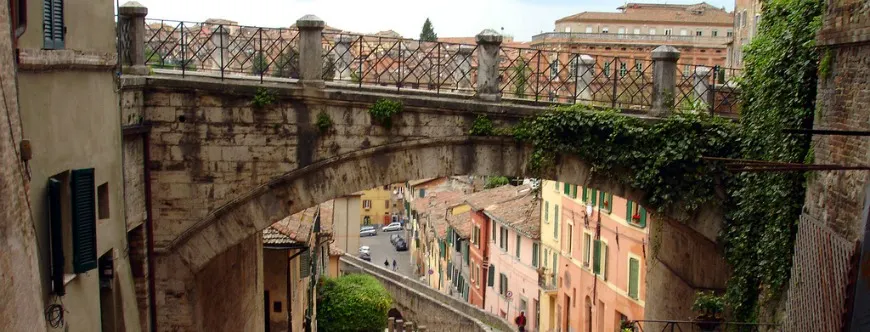
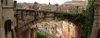
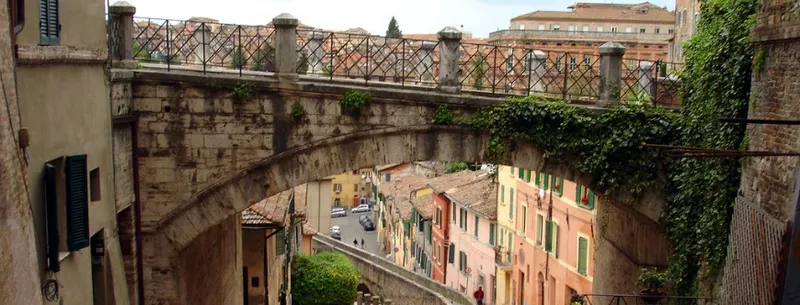
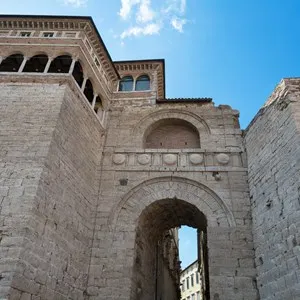
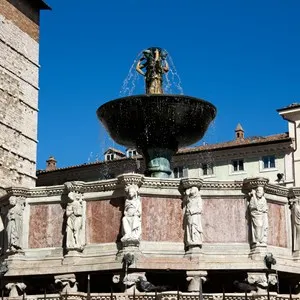
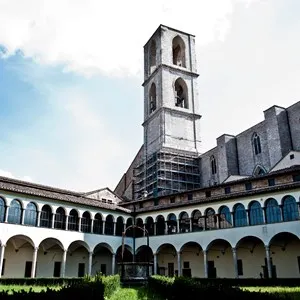
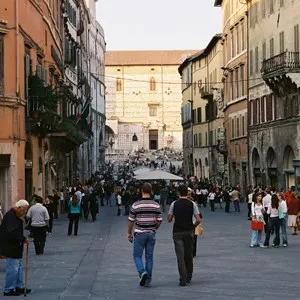
Perugia was an Etruscan settlement between 6th-1st century BC, falling to the Romans in 40 BC. The quantity and quality of remains from these periods is impressive, particularly the ancient walls and gates to the city, many of which remain intact. Another of its charms is its size: the historic centre is small enough to walk around in half a day – though, add in all the galleries and museums of note, and you have enough to keep you busy for a long weekend. Ask at the tourist office for a leaflet detailing walking itineraries around the city.
Useful information
161,228 (2023)
1 Euro (€) = 100 cents
112 Emergency
118 Ambulance
113 Police
115 Fire
Shops open 9am-1pm and 3:30pm - 7:30pm. Bigger stores tend not to close for lunch. Many banks open Mon-Fri 8:30am - 4:30pm.
Do & See
Dining
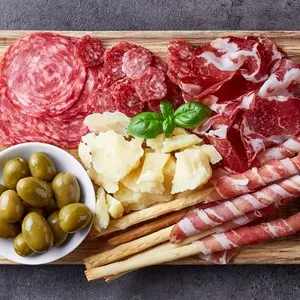
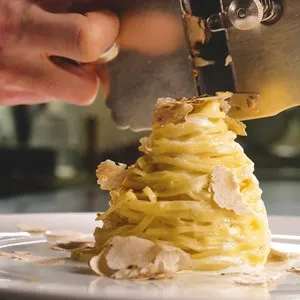
Cafes
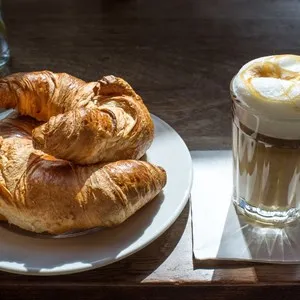


Bars & Nightlife

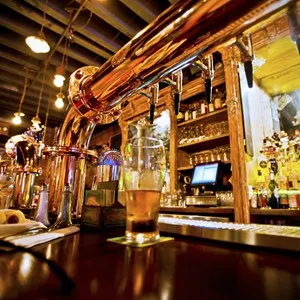


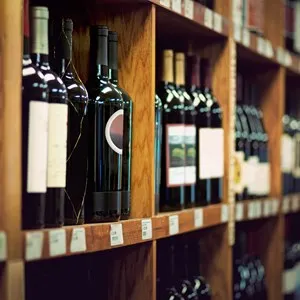
Shopping


Tourist Information








Frequently Asked Questions
The best time to visit Umbria is during the spring (April to June) and fall (September to October) when the weather is mild and the countryside is lush and vibrant. These seasons also coincide with local festivals and harvests, providing a rich cultural experience.
A stay of 4 to 5 days in Umbria allows you to explore its charming towns, such as Assisi and Perugia, and enjoy the region's natural beauty and culinary delights. This timeframe provides a good balance between sightseeing and relaxation.
Umbria is known for its beautiful landscapes and historic sites. Must-see attractions include the Basilica of Saint Francis in Assisi, the medieval town of Gubbio, and the stunning Marmore Falls. Don't miss the chance to explore Lake Trasimeno and the hilltop town of Orvieto.
Renting a car is the most convenient way to explore Umbria, as it allows you to visit remote villages and scenic countryside at your own pace. Alternatively, regional trains and buses connect major towns like Perugia, Assisi, and Spoleto.
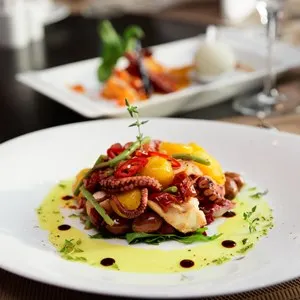
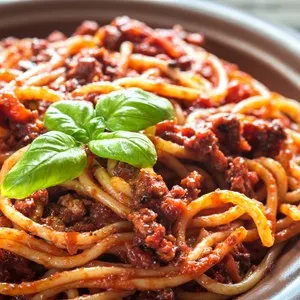
Umbria is famous for its hearty cuisine. Be sure to try 'porchetta' (roast pork), 'torta al testo' (a traditional flatbread), and 'umbricelli' pasta. The region is also known for its truffles, which are often featured in pasta and risotto dishes.
Umbria hosts several unique festivals, such as the Umbria Jazz Festival in Perugia every July, and the Festival dei Due Mondi in Spoleto, which celebrates music, theater, and dance. The Calendimaggio in Assisi is a medieval festival held in May, featuring parades and historical reenactments.
From Umbria, you can easily take day trips to nearby regions. Visit the Tuscan towns of Siena and Arezzo, or explore the picturesque landscapes of the Val d'Orcia. The city of Florence is also accessible by train for a day of art and culture.