Xi'an Travel & Vacation Guide

Current Weather

Description
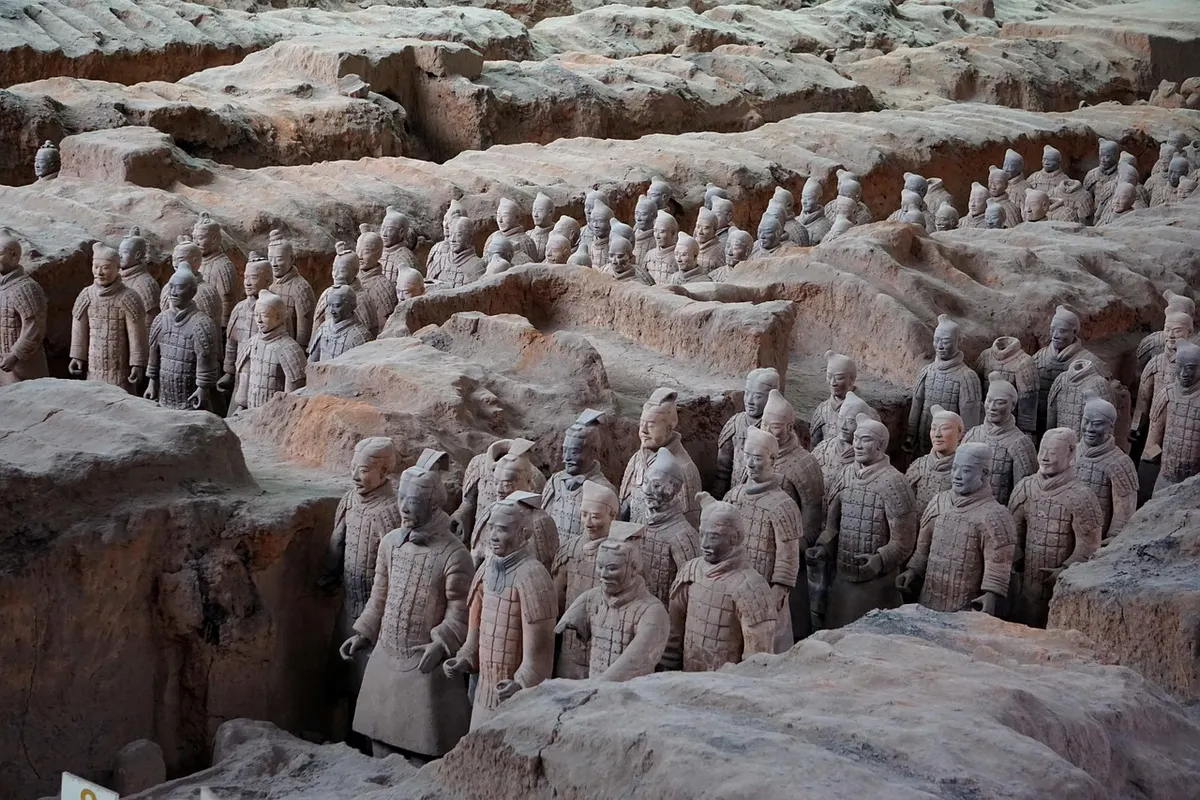
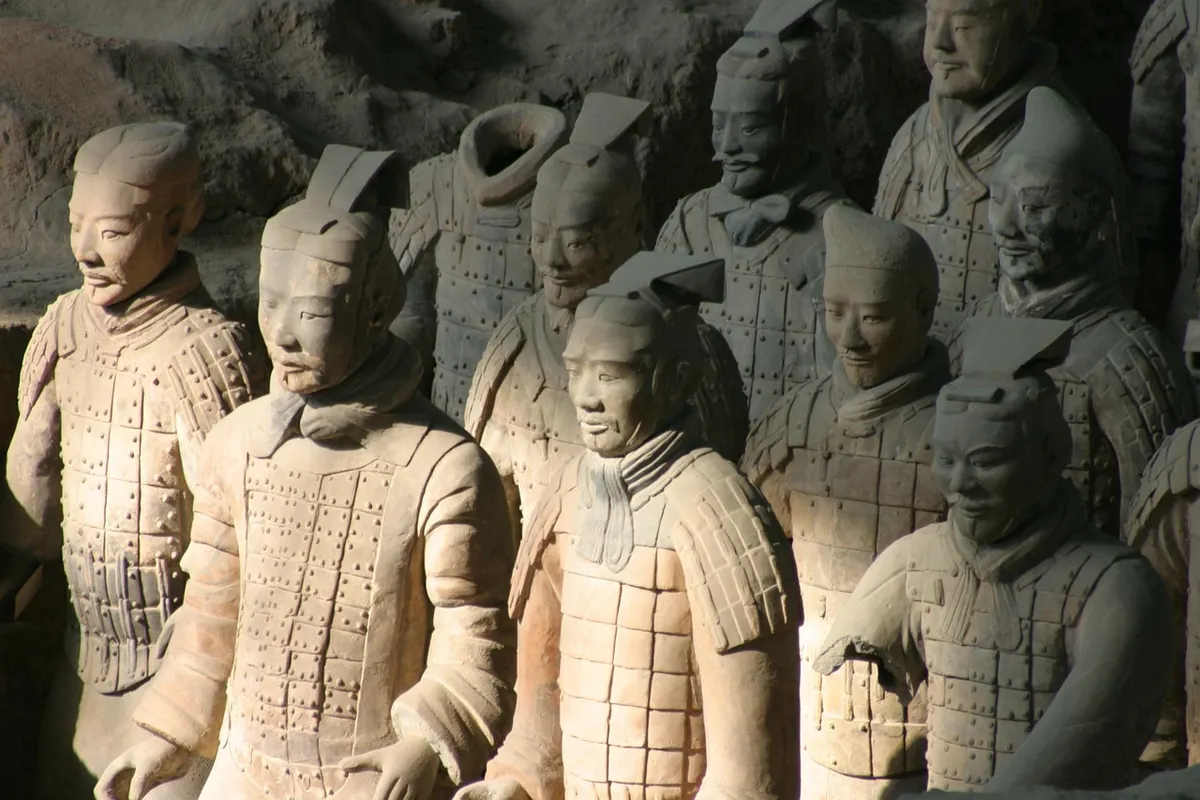
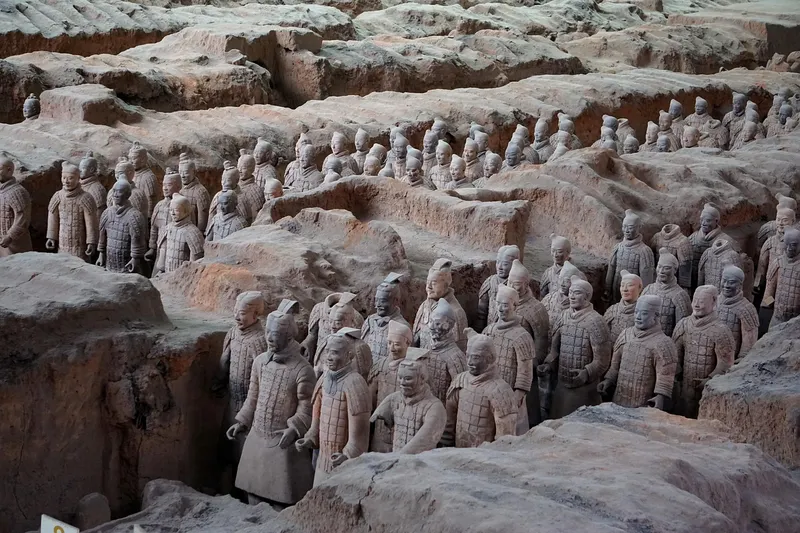
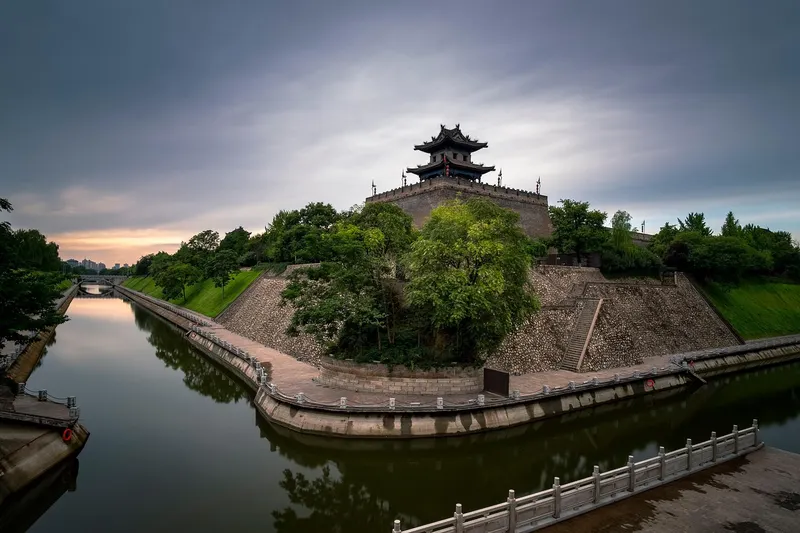
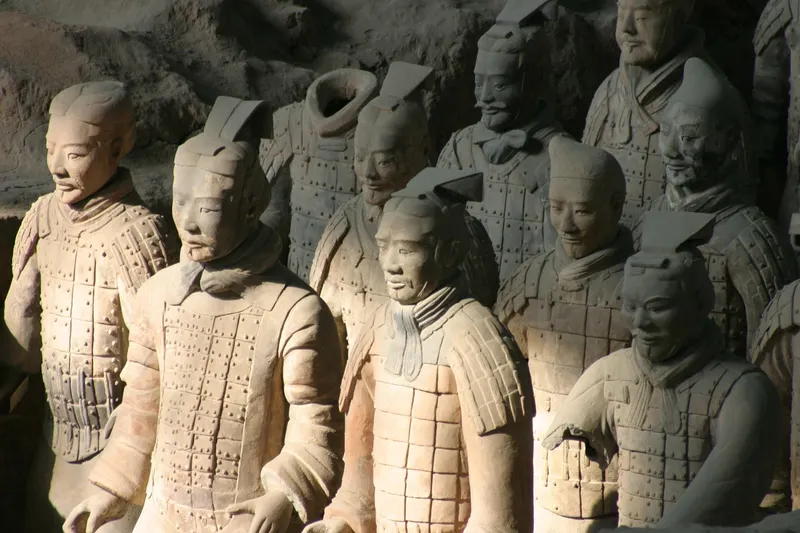
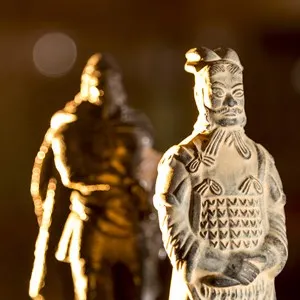
Xi'an, the capital of Shaanxi province, is one of China's most historically significant cities. Known as Chang'an in ancient times, it was the starting point of the Silk Road and served as the heart of the Chinese empire for over a millennium. The city was the capital for several powerful dynasties, including the Qin, Han, and Tang, and it is steeped in the legacies of these periods. Today, visitors walk the same streets once trodden by emperors and merchants, with relics from these eras still visible in the city’s architecture and attractions. Xi'an's most famous landmark is the Terracotta Army, a vast collection of life-sized clay soldiers guarding the tomb of China's first emperor, Qin Shi Huang. Discovered in 1974, this awe-inspiring find is just one of many archaeological treasures that reveal the city's ancient splendour.
Useful information
Metro area: 9.6 million (2024)
Chinese Yuan (CNY), also known as the Renminbi (RMB)
Police: 110
Ambulance: 120
Fire: 119
Do & See




Dining


Cafés


Bars & Nightlife





Shopping
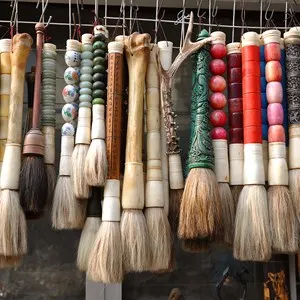
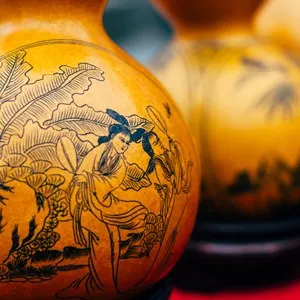


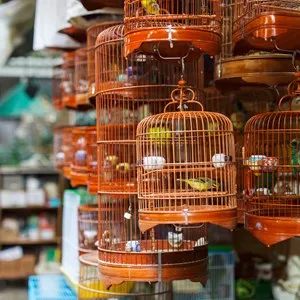
Tourist Information
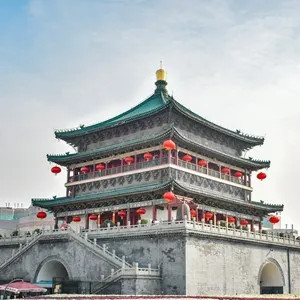





Frequently Asked Questions
The best time to visit Xi'an is during the spring (April to June) and autumn (September to November) months. During these seasons, the weather is mild and pleasant, making it ideal for sightseeing. Summer can be hot and humid, while winter can be quite cold, so plan accordingly.
A stay of 3 to 4 days in Xi'an is recommended to fully experience its rich history and culture. This allows time to visit major attractions like the Terracotta Army, the ancient city wall, and the Muslim Quarter, as well as enjoy local cuisine and take day trips to nearby sites.
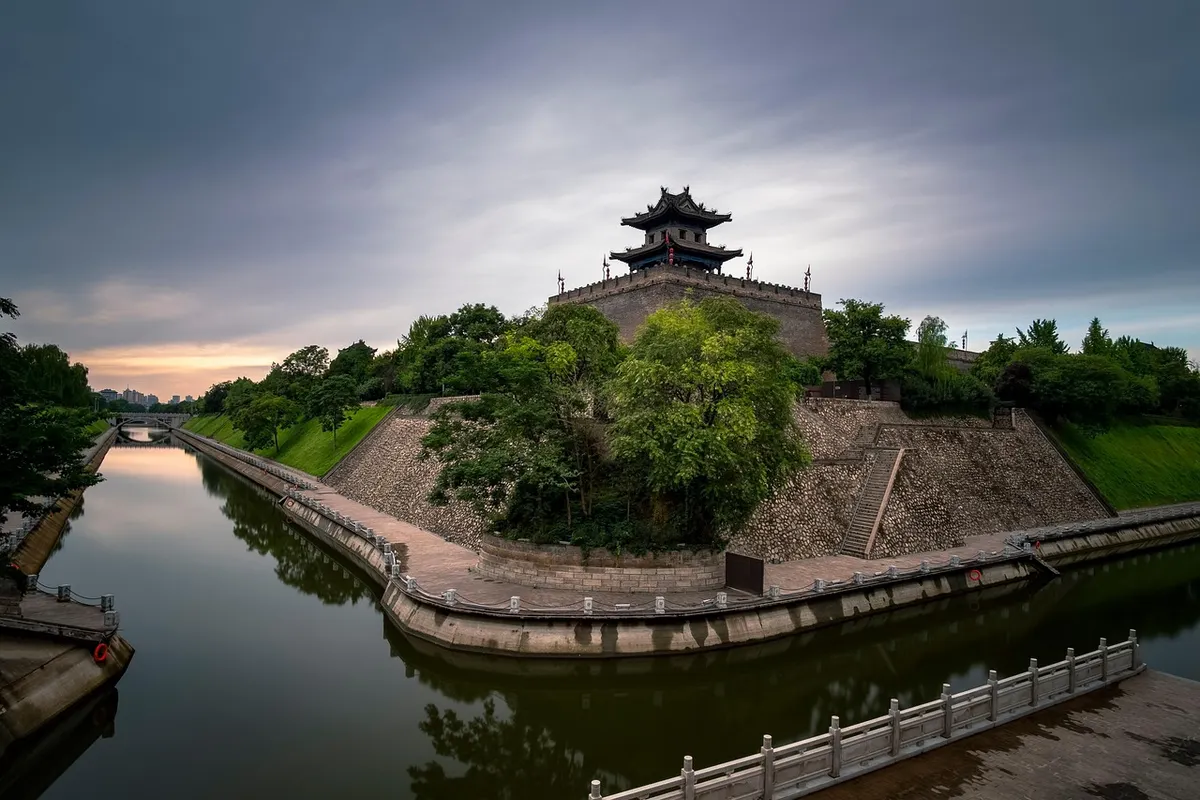
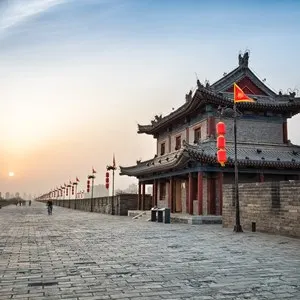
Xi'an is home to several must-see attractions, including: - The Terracotta Army, a UNESCO World Heritage site featuring thousands of life-sized sculptures. - The Ancient City Wall, one of the best-preserved city walls in China, offering stunning views. - The Big Wild Goose Pagoda, an iconic Buddhist pagoda with significant historical importance. - The Muslim Quarter, known for its vibrant street food scene and unique architecture.
The best way to get around Xi'an is by using a combination of public transportation and walking. The city has a reliable metro system that connects major attractions. Buses are also available, but can be crowded. Taxis and ride-hailing apps are convenient options for longer distances or late-night travel.
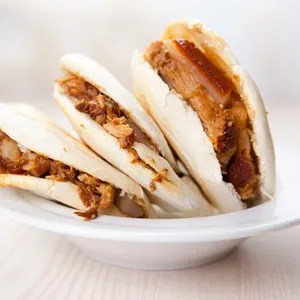
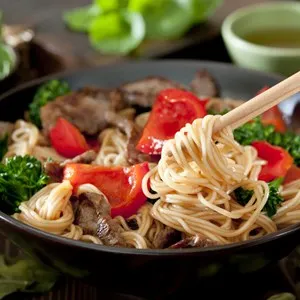
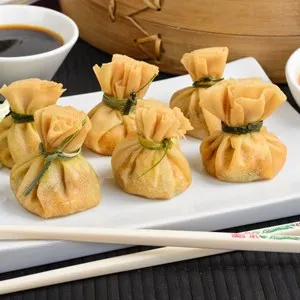
When in Xi'an, be sure to try these traditional dishes: - Biangbiang noodles, known for their wide and chewy texture. - Roujiamo, a Chinese-style hamburger filled with braised meat. - Yangrou Paomo, a lamb soup served with crumbled bread. - Various street foods in the Muslim Quarter, such as grilled skewers and dumplings.
Yes, when visiting Xi'an, it's important to be respectful of local customs: - Dress modestly, especially when visiting religious sites. - It's polite to greet locals with a smile and a nod. - Avoid discussing sensitive political topics. - When dining, wait for the host to start the meal before you begin eating.
Xi'an hosts several cultural events and festivals throughout the year, including: - The Xi'an International Muslim Food Festival, celebrating the city's diverse culinary heritage. - The Lantern Festival, featuring beautiful lantern displays and traditional performances. - The Xi'an Silk Road International Arts Festival, showcasing art and cultural exchanges from countries along the ancient Silk Road.