Dominica Travel & Vacation Guide
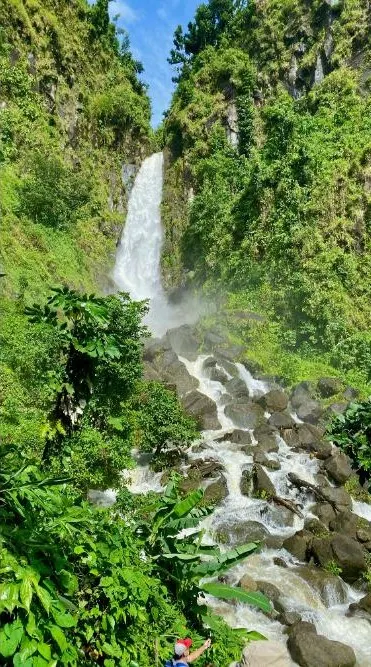
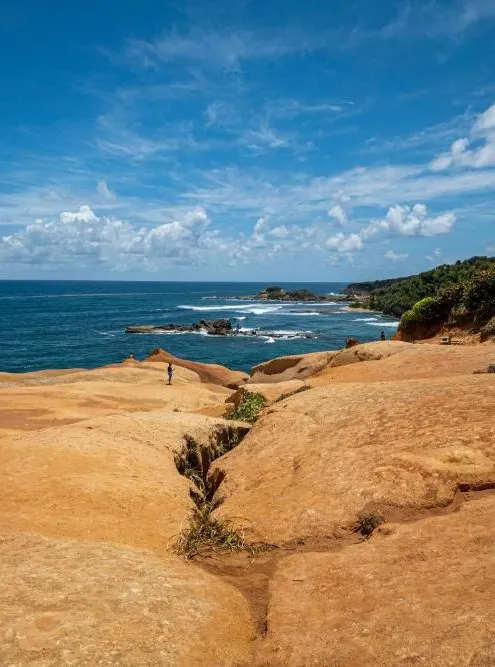
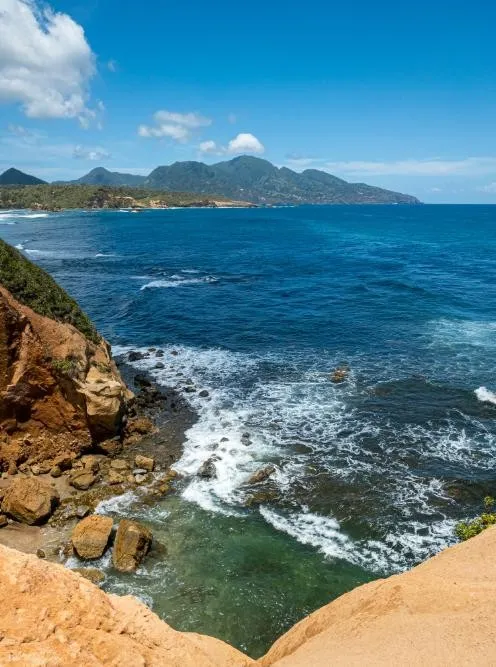
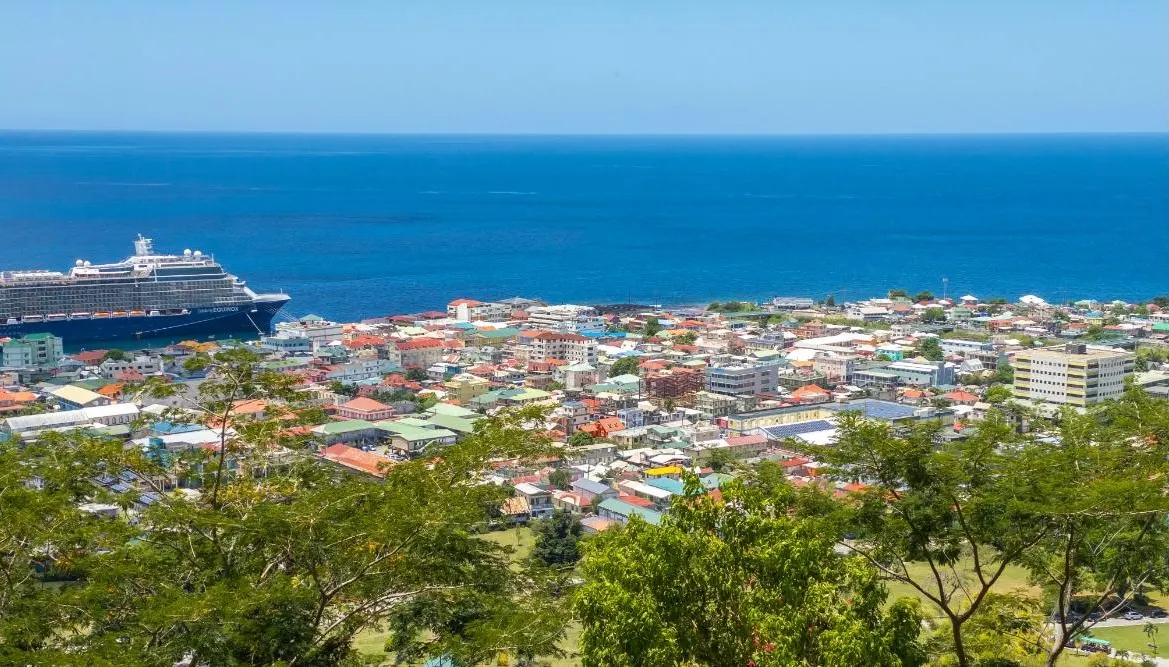



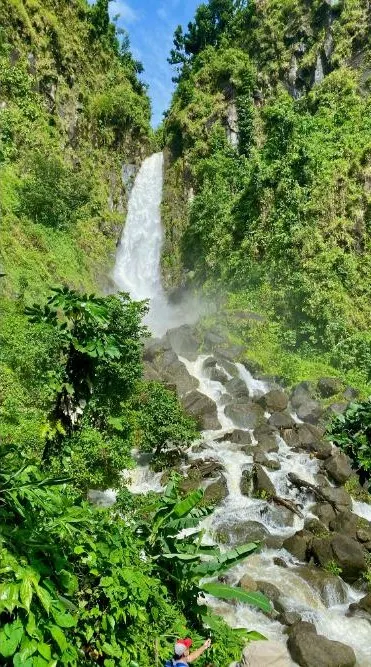
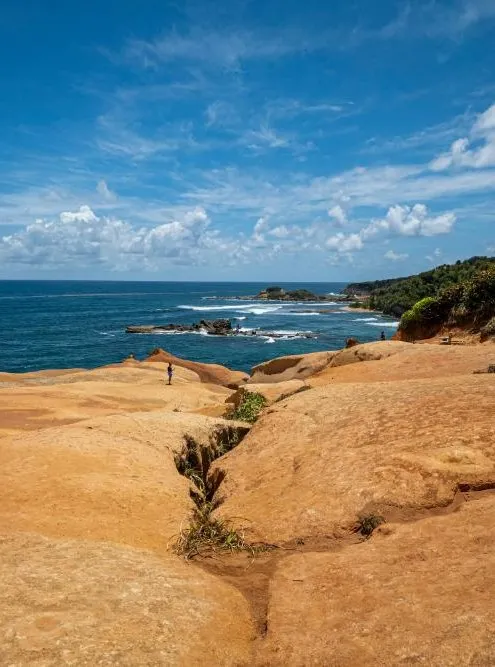
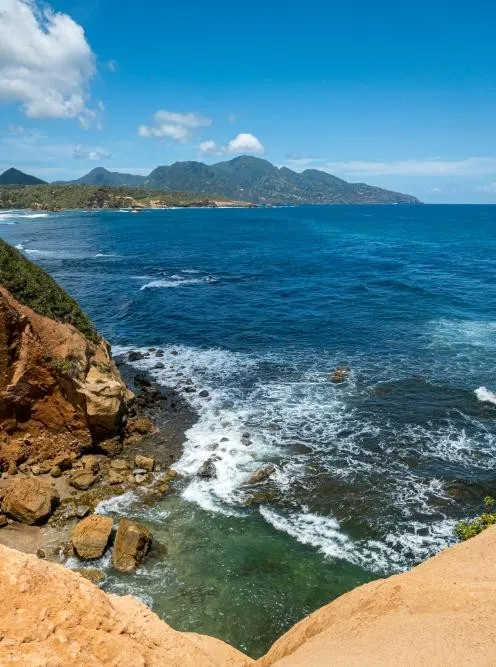
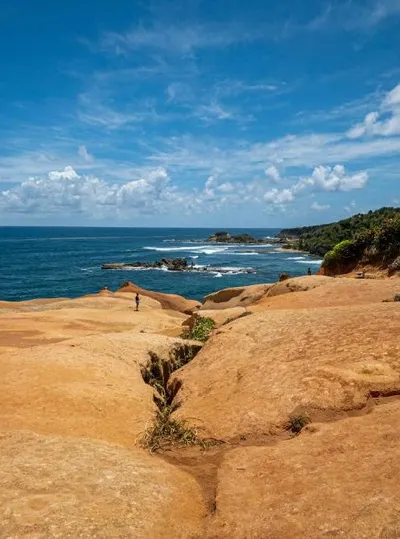
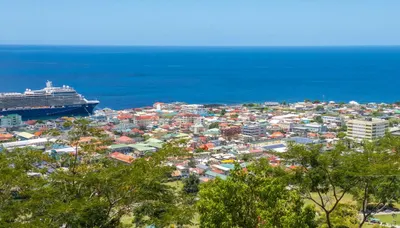
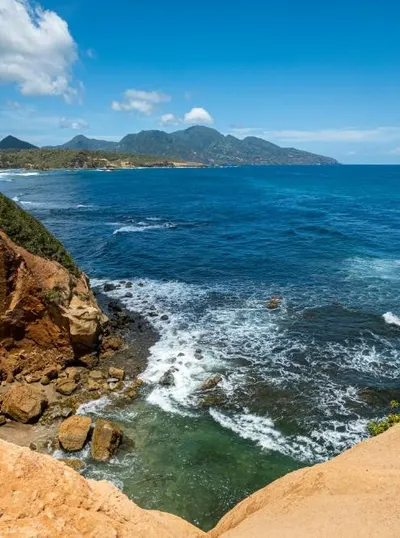
Dominica, known as “The Nature Island of the Caribbean,” is a lush, volcanic paradise brimming with rainforests, waterfalls, hot springs, and unspoiled beaches. Nestled between Guadeloupe and Martinique in the eastern Caribbean, this eco-adventure haven is perfect for hikers, divers, and nature lovers. Trek through Morne Trois Pitons National Park, a UNESCO World Heritage Site, home to Boiling Lake, Trafalgar Falls, and dense jungle trails. Explore vibrant coral reefs, bubbling underwater springs, and black sand beaches. Unlike its resort-heavy neighbors, Dominica remains untouched and authentic, offering a peaceful retreat with rich Creole culture, friendly locals, and raw island beauty. Whether you're diving, hiking, or soaking in a hot spring, Dominica is where adventure and serenity meet.
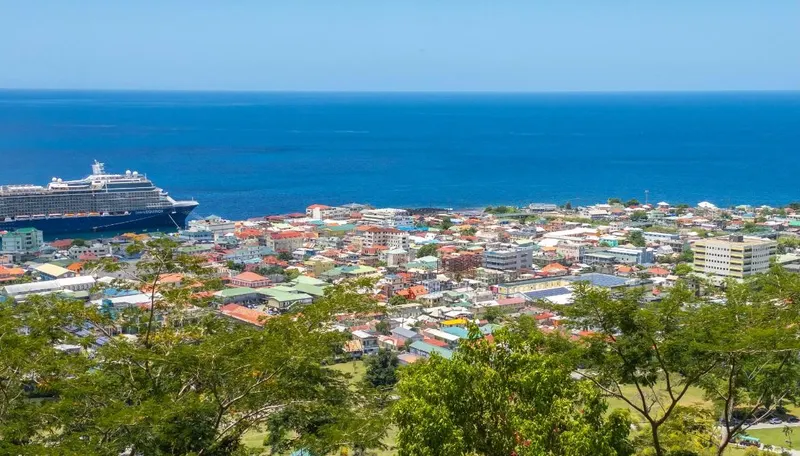
Cities & Region

Frequently Asked Questions
The best time to visit Dominica is between mid-December and mid-April, during the dry season. This period offers pleasant weather with lower humidity and minimal rainfall, making it ideal for outdoor activities and exploring the island's natural beauty. However, if you're looking for fewer crowds and lower prices, consider visiting during the shoulder months of November or late April.
A stay of 5 to 7 days in Dominica is recommended to fully experience the island's diverse attractions. This allows you to explore the stunning natural landscapes, including the Boiling Lake and Trafalgar Falls, enjoy hiking in the Morne Trois Pitons National Park, and relax on the beautiful beaches. Additionally, you can take part in local cultural experiences and savor the island's unique cuisine.
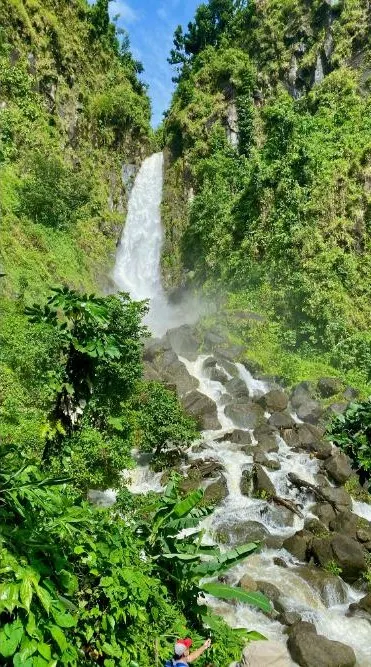
Dominica is known for its breathtaking natural attractions. Key highlights include: - Boiling Lake: A geothermal lake surrounded by lush rainforest. - Trafalgar Falls: Twin waterfalls that are easily accessible and perfect for photos. - Morne Trois Pitons National Park: A UNESCO World Heritage site with hiking trails and diverse flora and fauna. - Emerald Pool: A serene swimming spot in the rainforest. - Portsmouth: A charming town with historical sites and vibrant local culture.
When visiting Dominica, be sure to try some local dishes that reflect the island's culinary heritage. Popular options include: - Callaloo Soup: A hearty soup made from the callaloo plant, often with added vegetables and spices. - Souse: A pickled meat dish typically made with chicken or pork, served cold. - Fish and Fungi: A traditional dish featuring fish served with a cornmeal-based side called fungi. - Plantains: Often fried or boiled, these are a staple side dish. - Fresh fruit: Enjoy local varieties like guava, mango, and passion fruit.
Getting around Dominica can be done via several options: - Rental Cars: Renting a car provides flexibility to explore the island at your own pace. - Taxis: Taxis are available and can be hired for specific trips or tours. - Buses: Public minibuses operate on set routes and are an affordable way to travel between towns. - Guided Tours: Consider booking guided tours for a hassle-free experience, especially to popular attractions.
Dominica hosts several vibrant cultural events and festivals throughout the year. Notable ones include: - Carnival: Celebrated in February, this lively festival features parades, music, and dancing. - World Creole Music Festival: Held in October, it showcases local and international Creole music artists. - Independence Day: Celebrated on November 3rd, this day includes various cultural activities and events reflecting the island's heritage.
In Dominica, it's important to respect local customs and etiquette. Here are a few tips: - Greetings: A friendly handshake is common; use titles like Mr. or Mrs. when addressing someone. - Dress Code: Casual beachwear is fine, but dress modestly when visiting religious sites. - Tipping: While service charges may be included, a tip of around 10-15% is appreciated for good service in restaurants.