Roseau Travel & Vacation Guide
Current Weather

Description
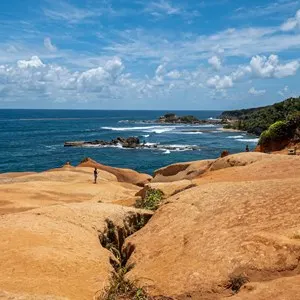
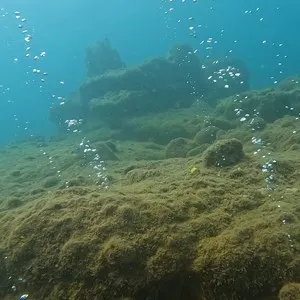
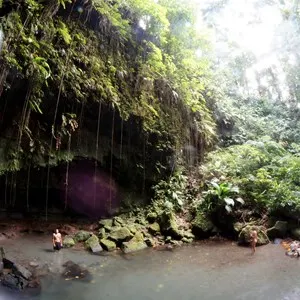
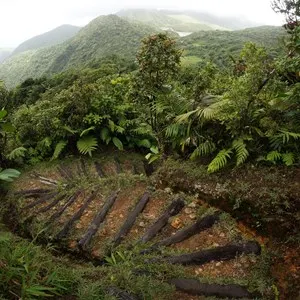
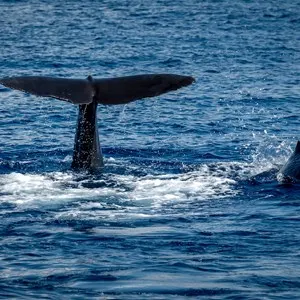
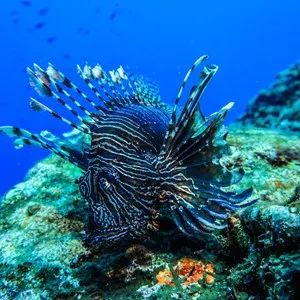
Dominica is an island in the Lesser Antilles nestled between Guadeloupe and Martinique. Home first to the Arawak and then to the Kalinago people, who are still present today with a decisive impact on culture, the island had a long history of rule by Europeans, particularly the French and the English, before it gained independence in 1978. The island of 750 square kilometres is covered in clouds of mist and lush greenery. Volcanic activity is to this day omnipresent here, creating natural curiosities such as the world's second largest hot spring — the Boiling Lake — and its underwater sister — the bubbly Champagne Reef. Mighty mountains like Morne Diablotins rise above a vibrant world of flora and fauna, with plenty of endemic and otherwise rare species. As a showpiece of sustainable tourism, Dominica is committed to keeping the island's nature pristine. The Caribbean's first long-distance hiking trail weaves its way across the island, reflecting the widespread appreciation for nature. This love for the outdoors is so evident that even tourists arriving in urban areas like Roseau can easily get a taste of the Nature Isle.
Useful information
72,737 (Dominica, 2022)
Eastern Caribbean dollar (EC$)
Police, ambulance and fire department: 999
Banks and businesses are generally open from 8 am to 5 pm on weekdays. Some shops stay open on weekends with shortened hours.
Do & See
Restaurants

Shopping

Tourist Information
Frequently Asked Questions
The best time to visit Roseau, Dominica, is from December to April, during the dry season. This period offers pleasant temperatures and lower humidity, making it ideal for outdoor activities. However, if you prefer fewer crowds and lower prices, consider visiting during the shoulder months of May and November, but be aware that rain is more likely.
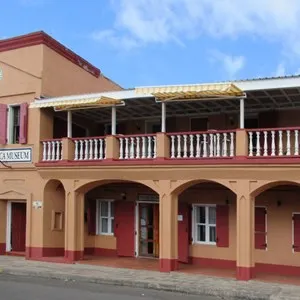
A stay of 3 to 5 days in Roseau is recommended to fully experience the city and its surrounding natural beauty. This allows time to explore local attractions, such as the Botanical Gardens and the Dominica Museum, as well as take day trips to nearby natural wonders like Trafalgar Falls and Morne Trois Pitons National Park.
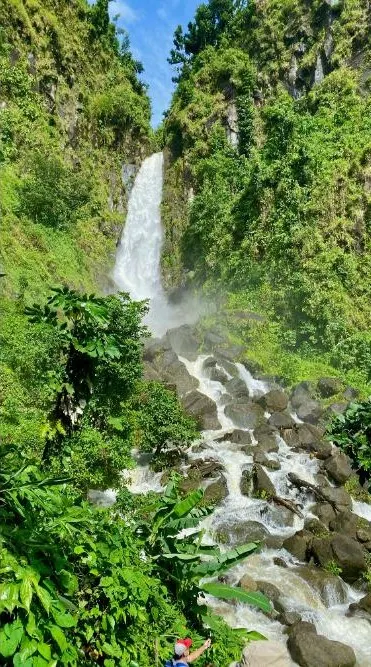
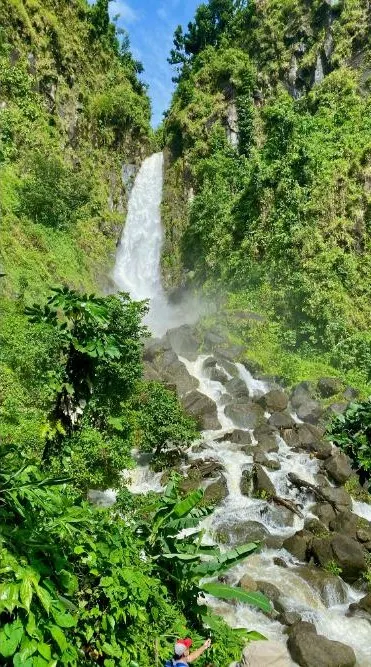
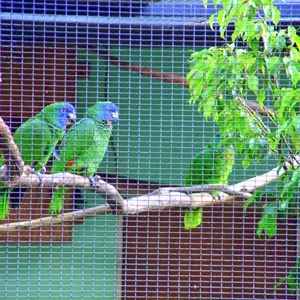
In Roseau, be sure to visit: - The Botanical Gardens, showcasing native flora and the famous Sisserou Parrot. - The Dominica Museum, which provides insights into the island's history and culture. - The vibrant Old Market, perfect for local crafts and souvenirs. - The nearby Trafalgar Falls, a stunning natural site just a short drive away.
The best way to get around Roseau is by using local minibuses, which are affordable and connect various parts of the city. Taxis are also available and can be hired for more direct routes or day trips. If you prefer a more scenic experience, consider renting a car to explore the island at your own pace.
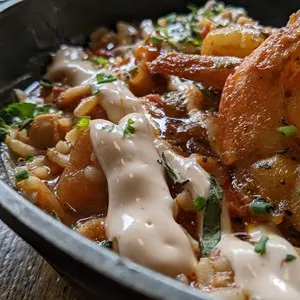
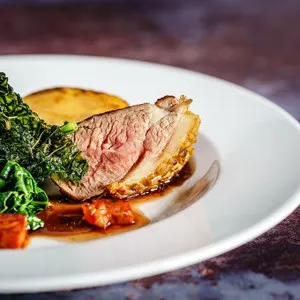
While in Roseau, be sure to try local dishes such as: - Callaloo soup, made from leafy greens and often served with crab. - Souse, a traditional dish made with pickled meat, typically chicken or pork. - Fresh seafood, including grilled fish and lobster, available at many local restaurants. - The island's famous bush rum, which is often infused with local herbs.
Roseau hosts several cultural events and festivals throughout the year. Notable ones include: - Carnival, celebrated in February, featuring vibrant parades, music, and dancing. - The World Creole Music Festival, held in October, showcasing local and international artists. - The Independence Day celebrations in November, highlighting Dominica's rich heritage.
When visiting Roseau, it's important to respect local customs and etiquette. - Greet locals with a friendly 'hello' or 'good day.' - Dress modestly when visiting religious sites. - Tipping is appreciated, typically around 10-15% in restaurants. - Engaging in conversations about local culture and traditions is welcomed and encouraged.