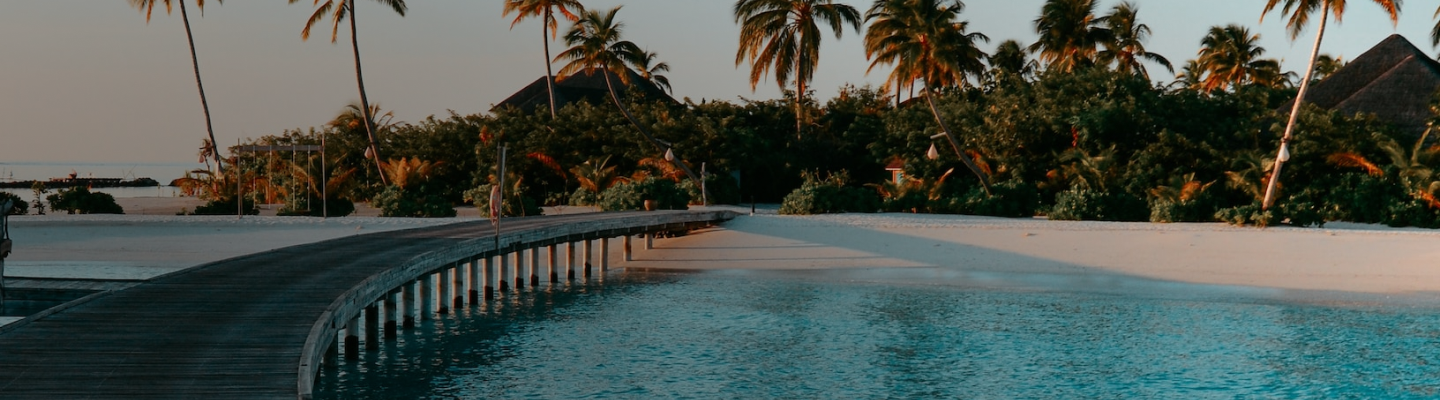
Jeju Island Travel & Vacation Guide
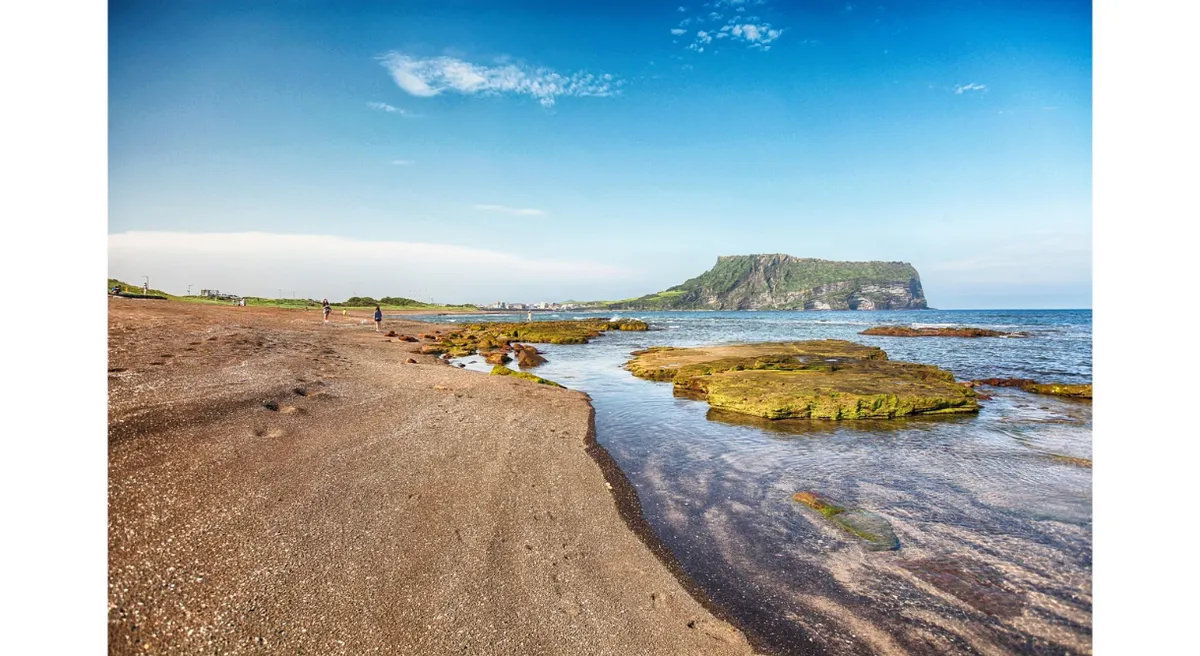
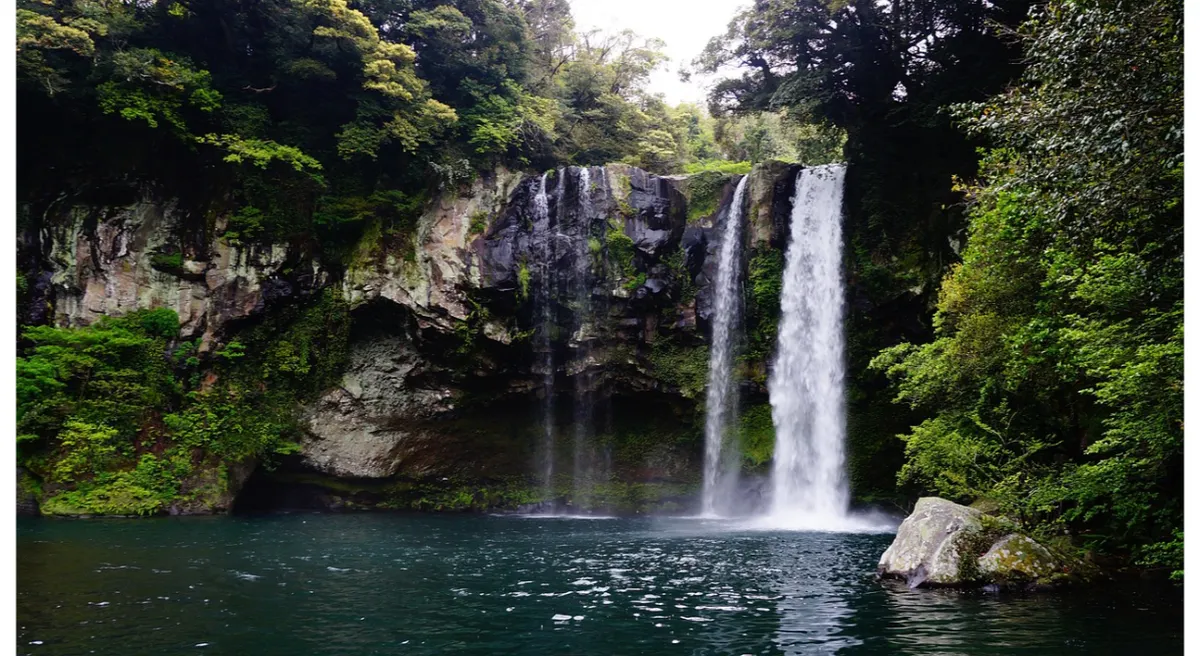
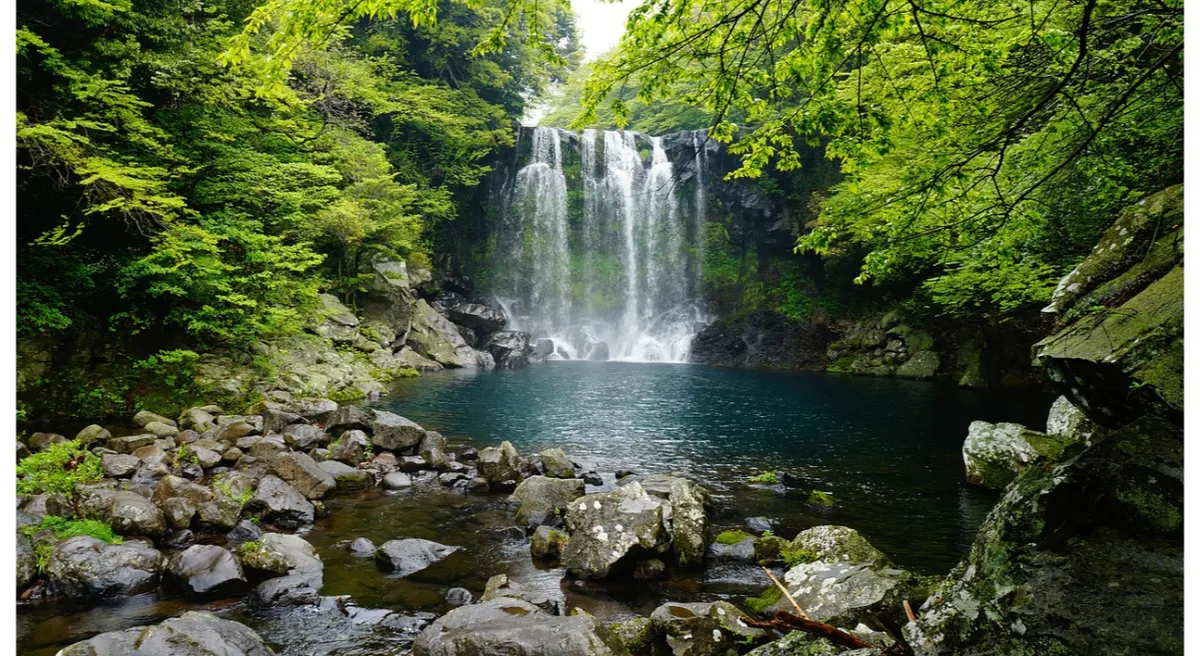
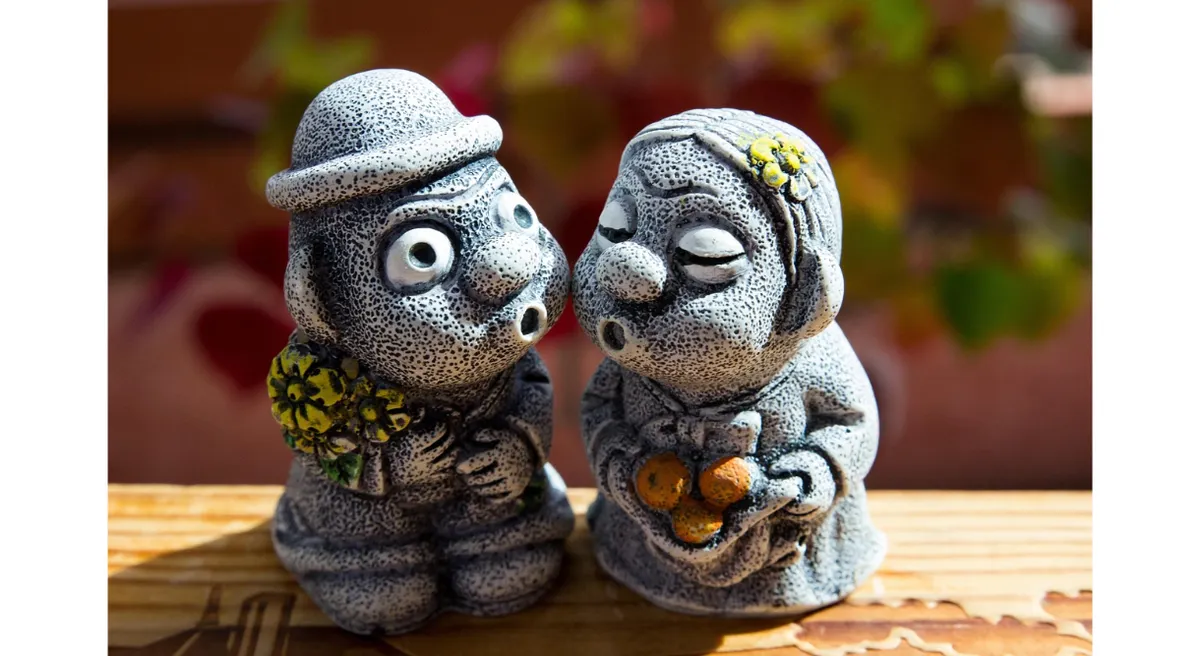
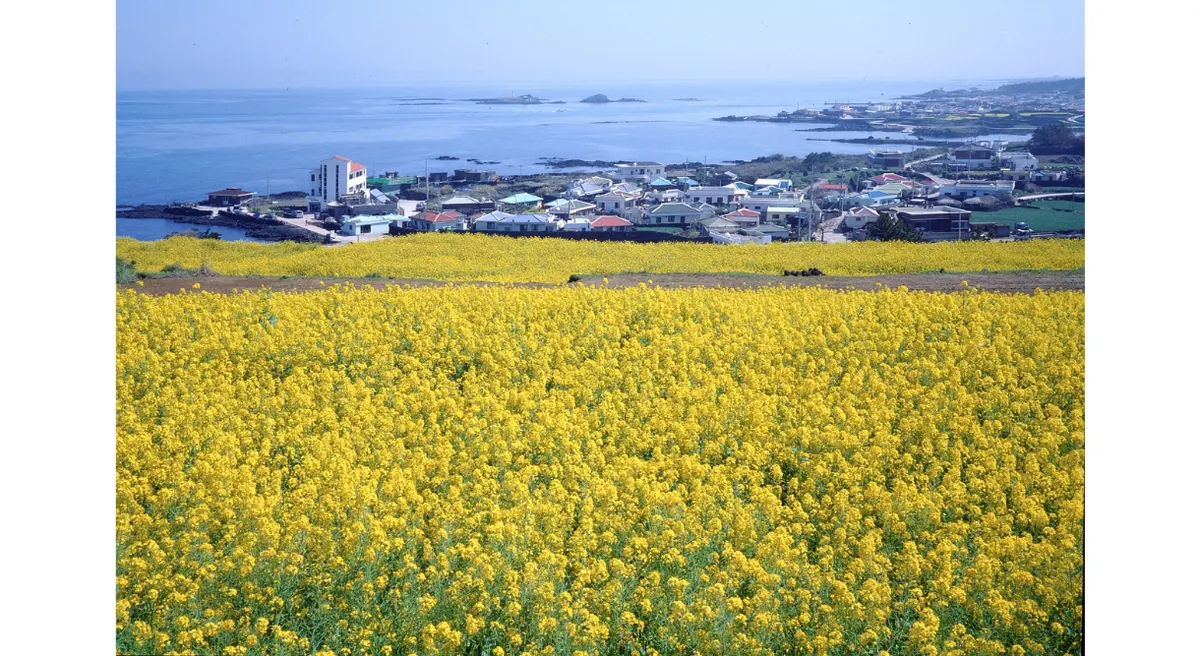
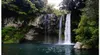
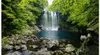


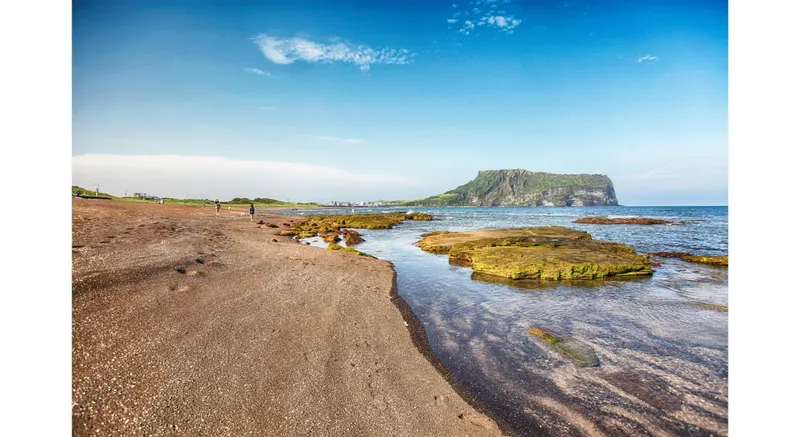
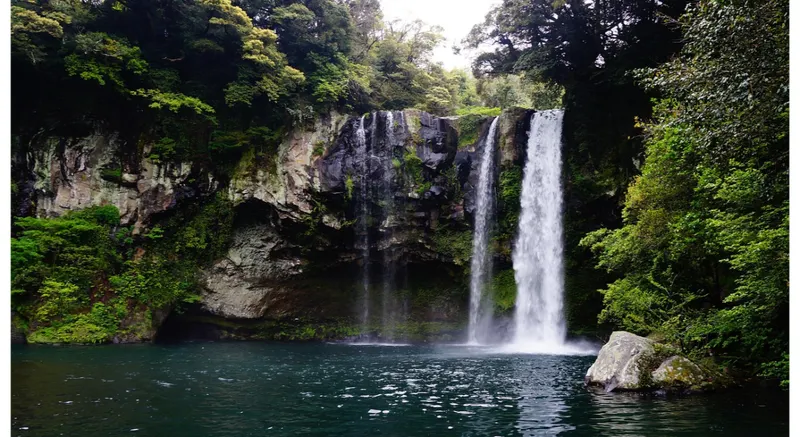
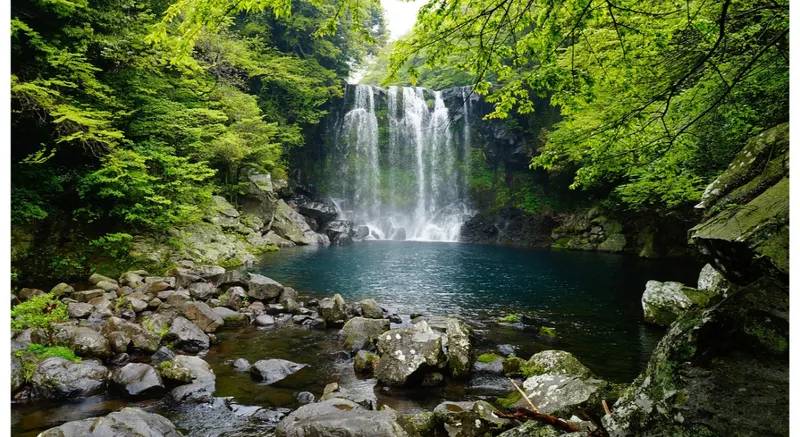
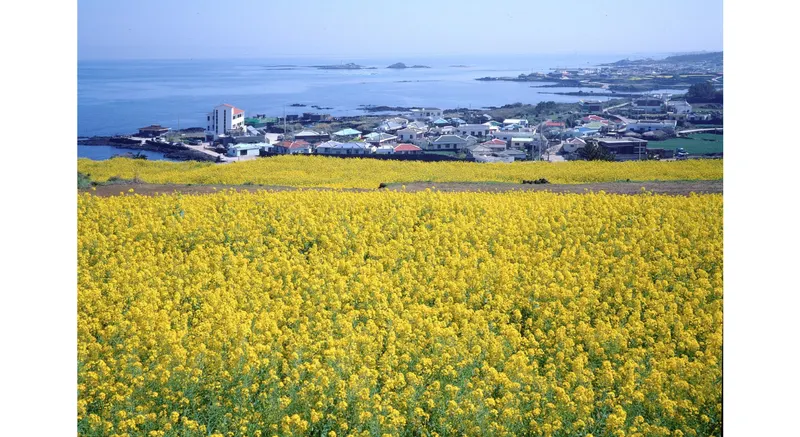
Jeju Island, often called the “Hawaii of South Korea,” is a breathtaking natural wonder filled with dramatic volcanic landscapes, lush greenery, and serene beaches. Hike to the summit of Hallasan, South Korea’s tallest mountain, or catch the sunrise at Seongsan Ilchulbong, a UNESCO-listed volcanic crater. Wander through the mysterious Manjanggul Lava Tube, take in the stunning cliffs of Jusangjeolli, and relax on the golden sands of Hyeopjae Beach.
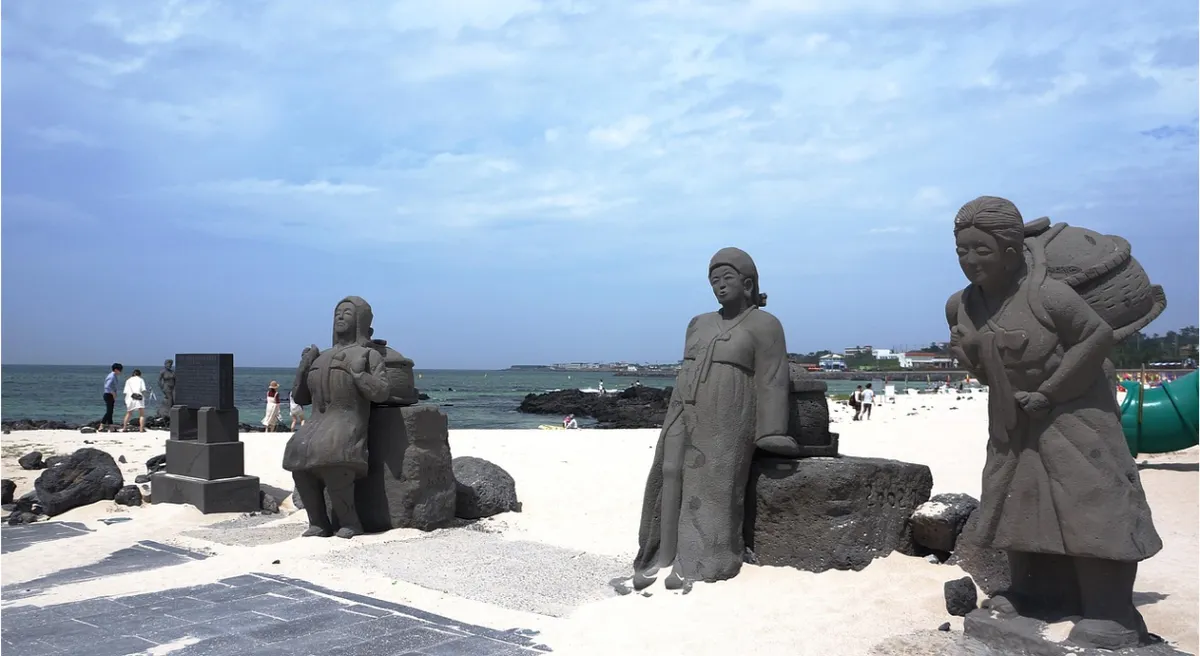
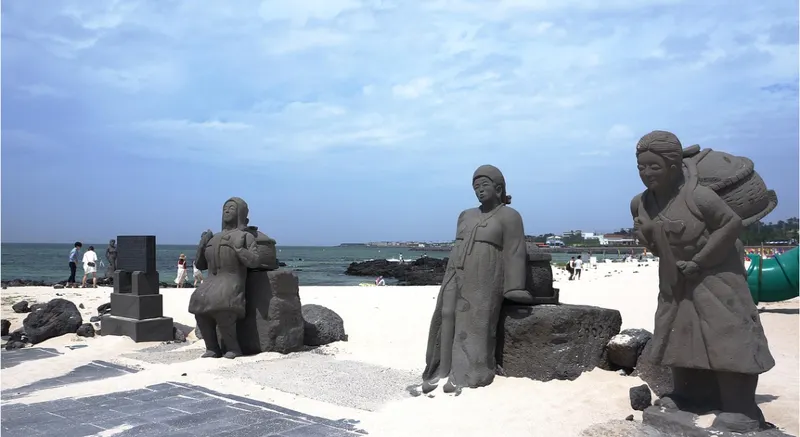
Indulge in Jeju’s famous cuisine, from fresh black pork BBQ to locally harvested abalone porridge. Explore the island’s unique culture with visits to Jeju Folk Village, the whimsical Loveland, and the charming Camellia Hill Garden. For an unforgettable experience, witness the legendary Haenyeo divers, Jeju’s iconic female free-divers who harvest seafood using ancient techniques.
Whether you seek adventure, relaxation, or cultural discovery, Jeju Island’s stunning landscapes and rich traditions make it a must-visit destination in South Korea.
Current Weather

Frequently Asked Questions
The best time to visit Jeju Island is during the spring (April to June) and fall (September to November) months. During these seasons, the weather is mild and pleasant, making it ideal for outdoor activities and sightseeing. Spring showcases beautiful cherry blossoms, while fall offers stunning autumn foliage. Summer can be hot and humid, with occasional typhoons, while winter is cold but less crowded.
A recommended length of stay on Jeju Island is about 4 to 5 days. This allows you to explore the island's diverse attractions, including Hallasan National Park, Seongsan Ilchulbong (Sunrise Peak), and the beautiful beaches. You can also take time to enjoy local cuisine and visit cultural sites like the Jeju Folk Village.
Some must-see attractions on Jeju Island include: - Hallasan National Park, home to South Korea's highest mountain and stunning hiking trails. - Seongsan Ilchulbong (Sunrise Peak), a UNESCO World Heritage site known for its breathtaking sunrise views. - Manjanggul Cave, one of the longest lava tubes in the world. - The beautiful beaches like Hyeopjae and Jungmun. - Jeju Folk Village, which showcases traditional Korean culture.
The best way to get around Jeju Island is by renting a car, as public transportation can be limited and less convenient for reaching remote attractions. Major car rental companies are available at the airport and in the city. Alternatively, you can use taxis or join guided tours, which often include transportation to key sites.
When visiting Jeju Island, be sure to try these local specialties: - Jeju black pork, known for its rich flavor and tenderness. - Fresh seafood, including sashimi and grilled fish, due to the island's coastal location. - Hallabong, a sweet and juicy citrus fruit unique to Jeju. - Abalone porridge, a nutritious dish often enjoyed for breakfast.
Yes, Jeju Island hosts several cultural events and festivals throughout the year. Notable ones include: - The Jeju Fire Festival in March, celebrating the island's agricultural traditions with fire shows and performances. - The Jeju Cherry Blossom Festival in early April, showcasing the island's beautiful cherry blossoms. - The Jeju Olle Walking Festival in October, promoting the island's scenic walking trails.
When visiting Jeju Island, it's important to be respectful of local customs and etiquette. Here are a few tips: - Greet locals with a polite bow or a handshake. - When dining, wait for the eldest person to start eating before you begin. - Remove your shoes when entering someone's home or certain traditional accommodations. - Be mindful of noise levels in public places, as Koreans value a peaceful environment.