South Korea Travel & Vacation Guide


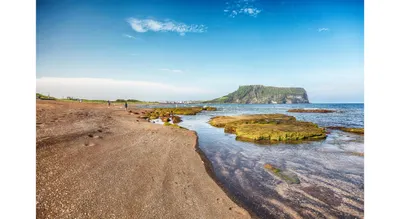
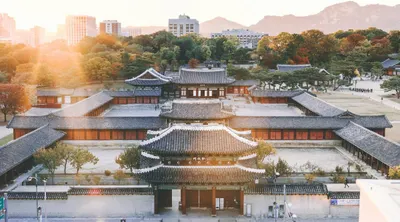
South Korea is a land where the past and future blend seamlessly, offering travelers an unforgettable journey through time and technology. In Seoul, the grandeur of Gyeongbokgung Palace and the charm of traditional hanok villages stand in contrast to the dazzling lights of Gangnam and the high-tech innovation of Dongdaemun Design Plaza. Wander through the cherry blossom-lined streets of Busan, hike the breathtaking trails of Seoraksan National Park, or unwind on the pristine beaches of Jeju Island.
Food lovers will delight in the rich flavors of Korean BBQ, sizzling bulgogi, and comforting bibimbap, while street food enthusiasts can savor spicy tteokbokki, crispy hotteok, and mouthwatering Korean fried chicken. Immerse yourself in the K-pop phenomenon, experience the healing relaxation of a jjimjilbang spa, or explore the poignant history of the DMZ.
Whether you're chasing city lights, cultural wonders, or scenic landscapes, South Korea promises an adventure that is as dynamic and diverse as its people.


Cities & Region





Frequently Asked Questions
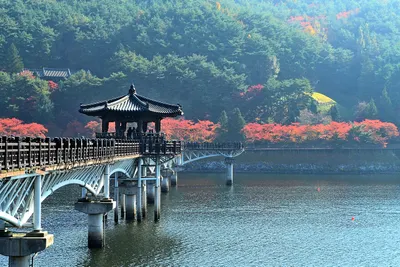
The best time to visit South Korea is during the spring (April to June) and autumn (September to November) months. During these seasons, the weather is mild and pleasant, with blooming cherry blossoms in spring and vibrant fall foliage in autumn. Summer can be hot and humid, while winter can be quite cold, especially in the northern regions.
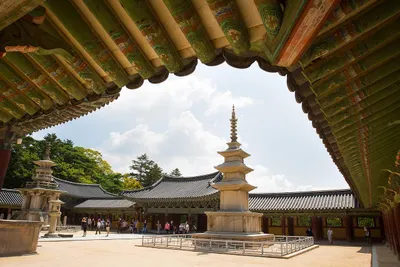
A recommended length of stay in South Korea is about 7 to 10 days. This allows you to explore major cities like Seoul and Busan, visit historical sites such as Gyeongbokgung Palace, and experience cultural activities. If you wish to venture to Jeju Island or explore the countryside, consider extending your trip to two weeks.
Some must-see landmarks in South Korea include: - Gyeongbokgung Palace in Seoul, a stunning example of traditional architecture. - Bukchon Hanok Village, where you can see traditional Korean houses. - Jeju Island, known for its natural beauty and volcanic landscapes. - The DMZ (Demilitarized Zone), offering a glimpse into North Korea. - Busan's Haeundae Beach and Jagalchi Fish Market for a taste of coastal life.
When in South Korea, you must try: - Kimchi, a fermented vegetable dish, often served with every meal. - Bibimbap, a mixed rice dish with vegetables and meat. - Korean BBQ, where you grill your own meat at the table. - Tteokbokki, spicy rice cakes, a popular street food. - Banchan, small side dishes served with meals, showcasing various flavors.
Getting around South Korea is convenient thanks to its efficient transportation system. You can use: - The extensive subway system in cities like Seoul and Busan, which is affordable and easy to navigate. - High-speed trains (KTX) for traveling between major cities quickly. - Buses for regional travel, often more economical. - Taxis, which are widely available but can be more expensive.
Yes, South Korea has several cultural customs to keep in mind: - Bowing is a common greeting and shows respect. - It is polite to use both hands when giving or receiving something. - Remove your shoes when entering someone's home. - Dining etiquette includes waiting for the eldest to start eating before you do.
The currency used in South Korea is the South Korean Won (KRW). Credit cards are widely accepted in urban areas, hotels, and restaurants, but it's advisable to carry some cash for smaller shops, markets, and rural areas. ATMs are available throughout the country, and most accept international cards.