Seoul Travel & Vacation Guide


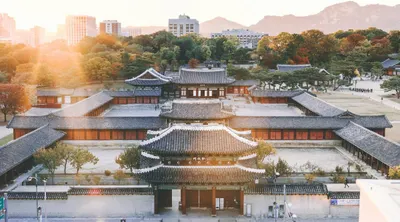
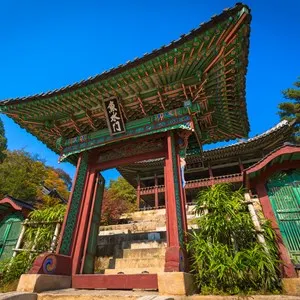
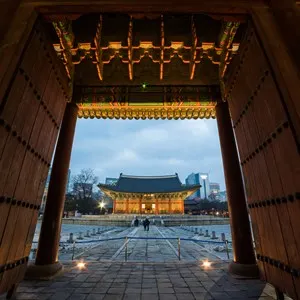
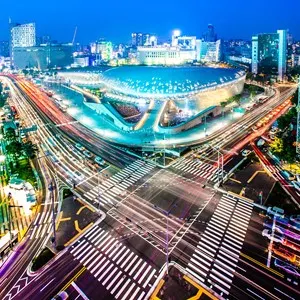
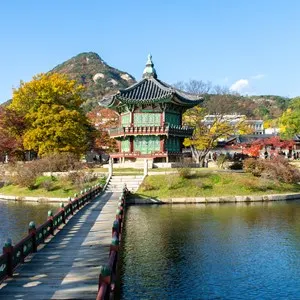
Seoul, the heart of South Korea, is a city where centuries-old palaces meet futuristic skyscrapers, and vibrant street markets thrive alongside luxury boutiques. Step back in time at Gyeongbokgung Palace, stroll through the charming Bukchon Hanok Village, and experience the serenity of Jogyesa Temple. Then, dive into the electric energy of Myeongdong’s shopping streets, the neon-lit nightlife of Hongdae, and the cutting-edge innovation of Dongdaemun Design Plaza.
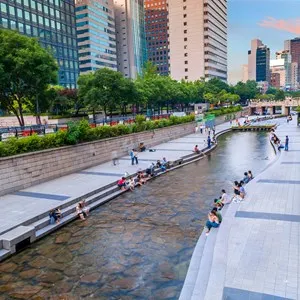
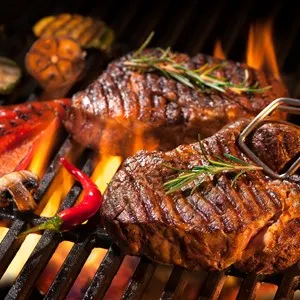
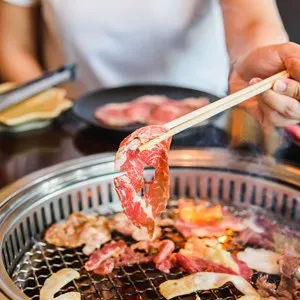
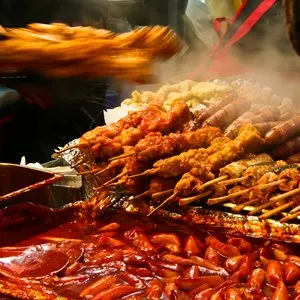
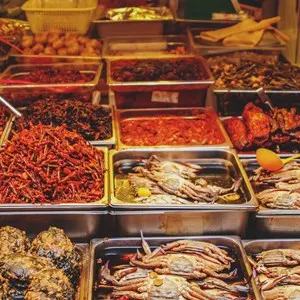
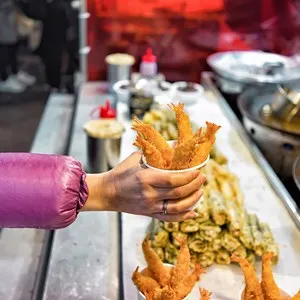
Food lovers can savor sizzling Korean BBQ, flavorful bibimbap, and must-try street eats like tteokbokki and hotteok. For breathtaking views, head to the top of N Seoul Tower, or take a scenic walk along the Cheonggyecheon Stream. Whether you're indulging in a rejuvenating jjimjilbang spa, exploring the world of K-pop in Gangnam, or visiting the historic DMZ, Seoul is a city that never stops inspiring.
A perfect blend of past, present, and future, Seoul is a destination that captivates, excites, and invites you to explore its endless wonders.
Current Weather



Description
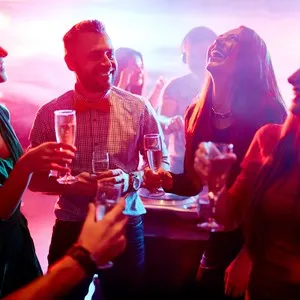
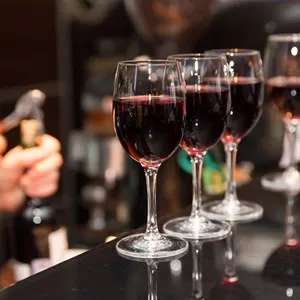
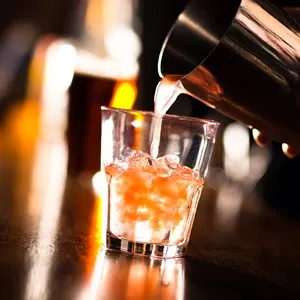
The Jongno-gu area of Seoul is one of the city's most fascinating districts, symbolising the duality of Seoul as both ancient and modern. Here, the historic palaces and the old quarter of Insadong sit aside Daehakno and University St, the centre for alternative art brimming with galleries, theatres, restaurants, and bars. This dichotomy between the ancient and the modern is also seen in the district of Gangnam, where skyscrapers tower above the delicate architecture of Gyeongbukgung Palace. The city’s commercial centre, Gangnam, is more workmanlike than other areas of the city. However, like Myeongdong, the city’s financial district, Gangnam is also becoming known for its restaurants and bars. Missing home? Then head for Itaewon - the international hub of Seoul, where expatriates, tourists and locals gather. It is known for its legendary nightlife where Western-style pubs and nightclubs proliferate. Failing that, a spot of retail therapy in the Namdaemun and Dongdaemun areas should certainly scratch that particular proverbial itch.
Useful information
The City: 10 million (2024) Metropolitan Area: 26 million (2024)
South Korean Won (KRW)
Police: 112
Fire or Ambulance: 119
Red Cross: 1339
Convenience stores are open 24/7; departments are open 9am to 8pm while small retail shops are open 10am to 8pm. Restaurant chains are open 24/7 while independent dining rooms are open until 10pm. Banks are open Monday to Friday from 9am to 5pm.
Do & See

Dining
Cafés
Bars & Nightlife



Shopping





Tourist Information


Frequently Asked Questions
The best time to visit Seoul is during the spring (April to June) and fall (September to November) months. During these seasons, the weather is mild and pleasant, with blooming cherry blossoms in spring and vibrant autumn foliage. Summer can be hot and humid, while winter can be quite cold, with temperatures often dropping below freezing.
A recommended length of stay in Seoul is about 4 to 5 days. This allows you to explore key attractions such as Gyeongbokgung Palace, Bukchon Hanok Village, and Myeongdong shopping district, as well as take day trips to nearby sites like the DMZ or Nami Island.
Some must-see attractions in Seoul include: - Gyeongbokgung Palace: A stunning royal palace with beautiful gardens. - N Seoul Tower: Offers panoramic views of the city. - Bukchon Hanok Village: A traditional village showcasing hanok (Korean houses). - Dongdaemun Design Plaza: A modern architectural marvel with shops and exhibitions.
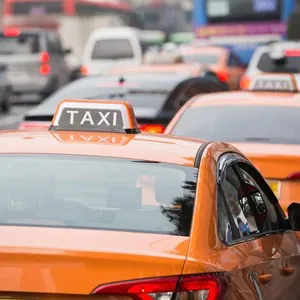
The best way to get around Seoul is by using the extensive and efficient subway system, which is user-friendly and connects most major attractions. Buses are also available and can be a good option for reaching areas not served by the subway. Taxis are widely available, but be sure to have your destination written in Korean to avoid any confusion.
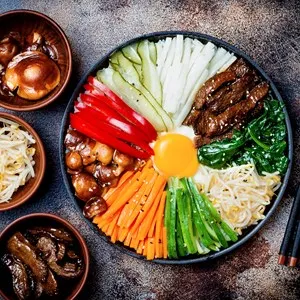
When in Seoul, you must try traditional dishes such as: - Kimchi: Fermented vegetables, often served with every meal. - Bibimbap: A mixed rice dish topped with vegetables, meat, and a fried egg. - Korean BBQ: Grilled meats, typically cooked at the table. - Tteokbokki: Spicy rice cakes, a popular street food.
Yes, there are several cultural customs to keep in mind while in Seoul: - Bowing is a common greeting and shows respect. - Remove your shoes when entering someone’s home or certain traditional accommodations. - Use both hands when giving or receiving items, especially business cards. - Be mindful of noise levels in public places.
Seoul hosts several vibrant festivals throughout the year, including: - Seoul Lantern Festival (November): A beautiful display of lanterns along the Cheonggyecheon Stream. - Cherry Blossom Festival (April): Celebrated in various parks, including Yeouido Park, with stunning cherry blossoms. - Seoul Kimchi Making & Sharing Festival (November): A unique cultural event where you can learn to make kimchi and share it with others.