Sri Lanka Travel & Vacation Guide
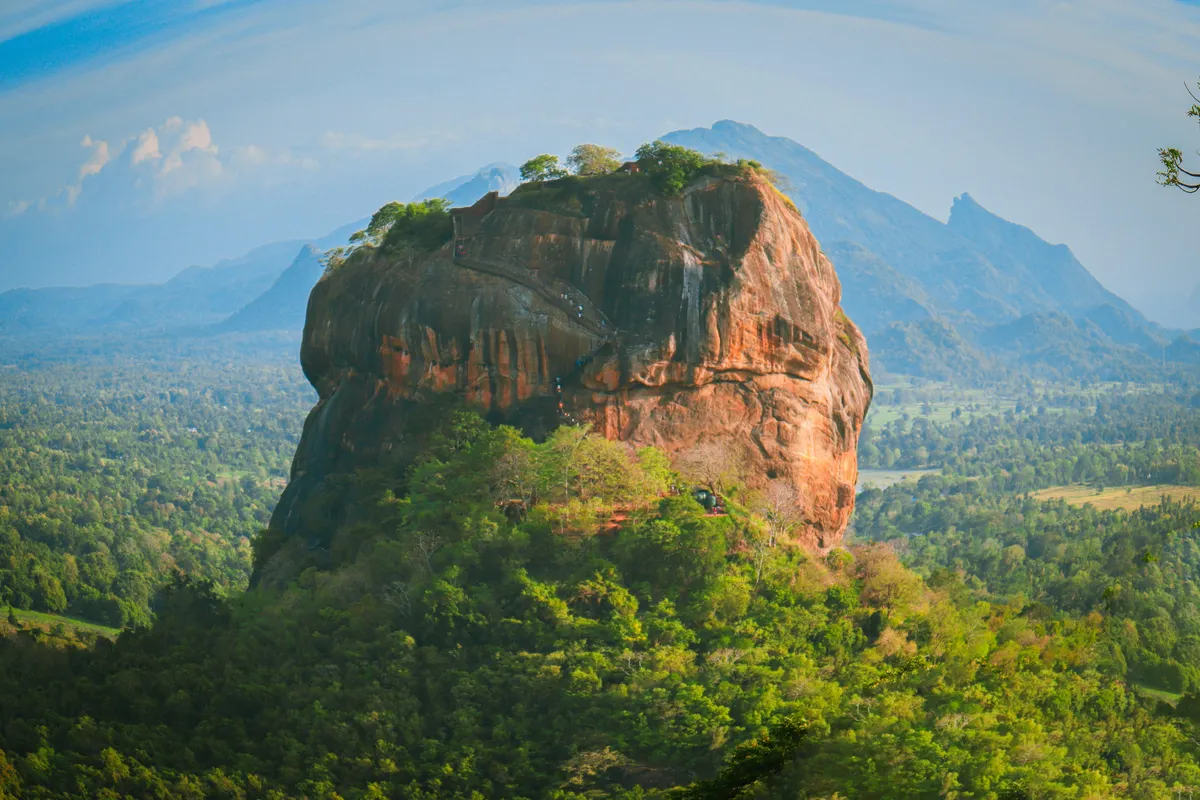

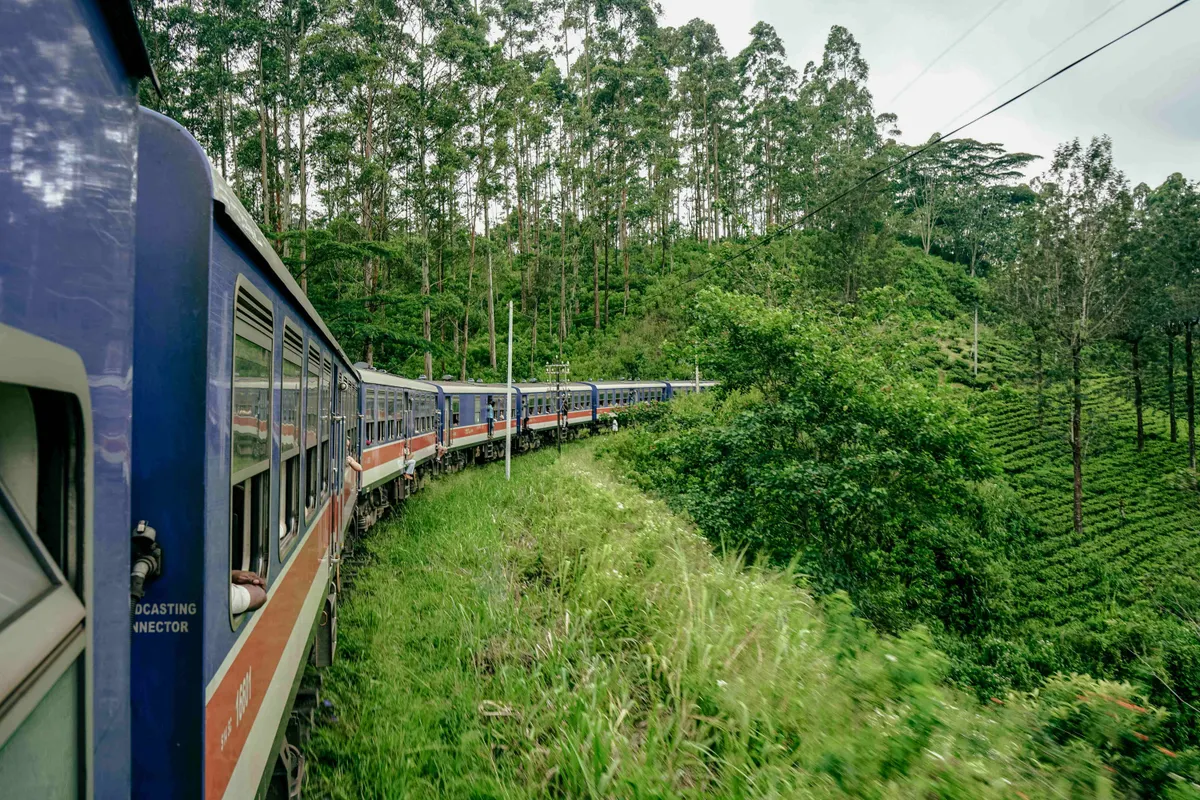

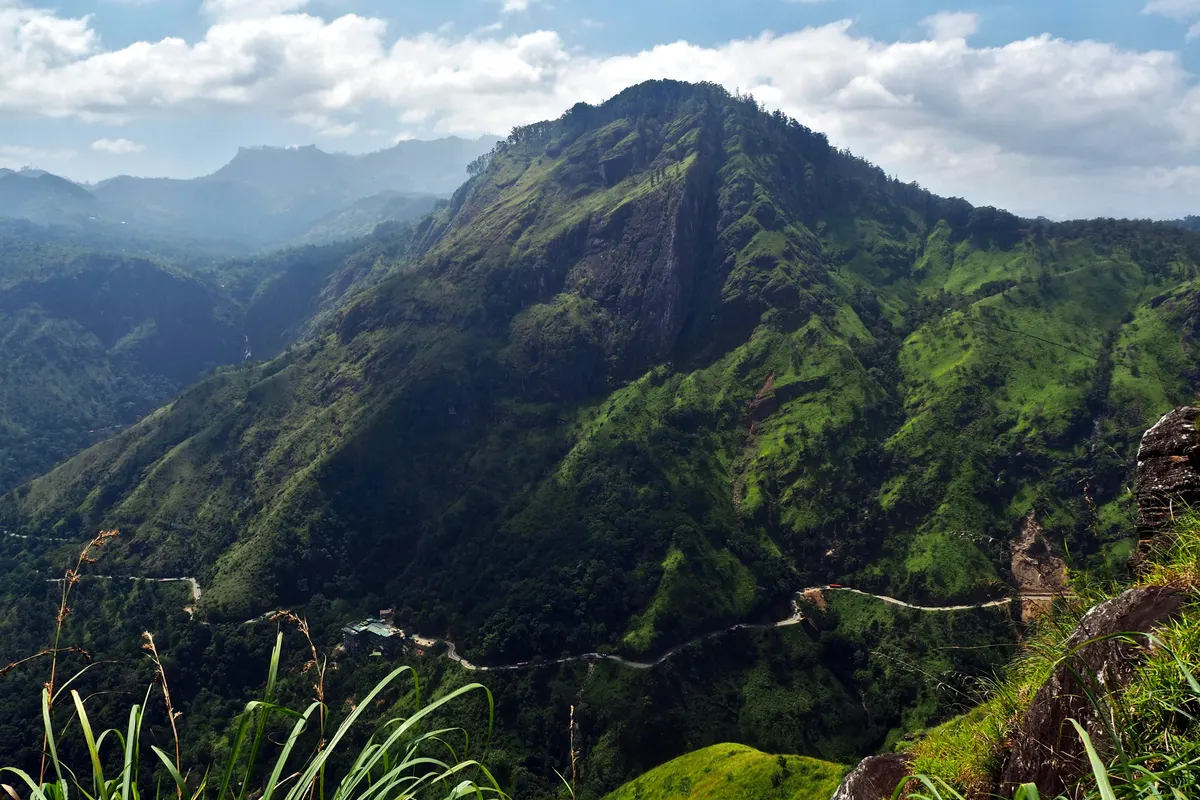
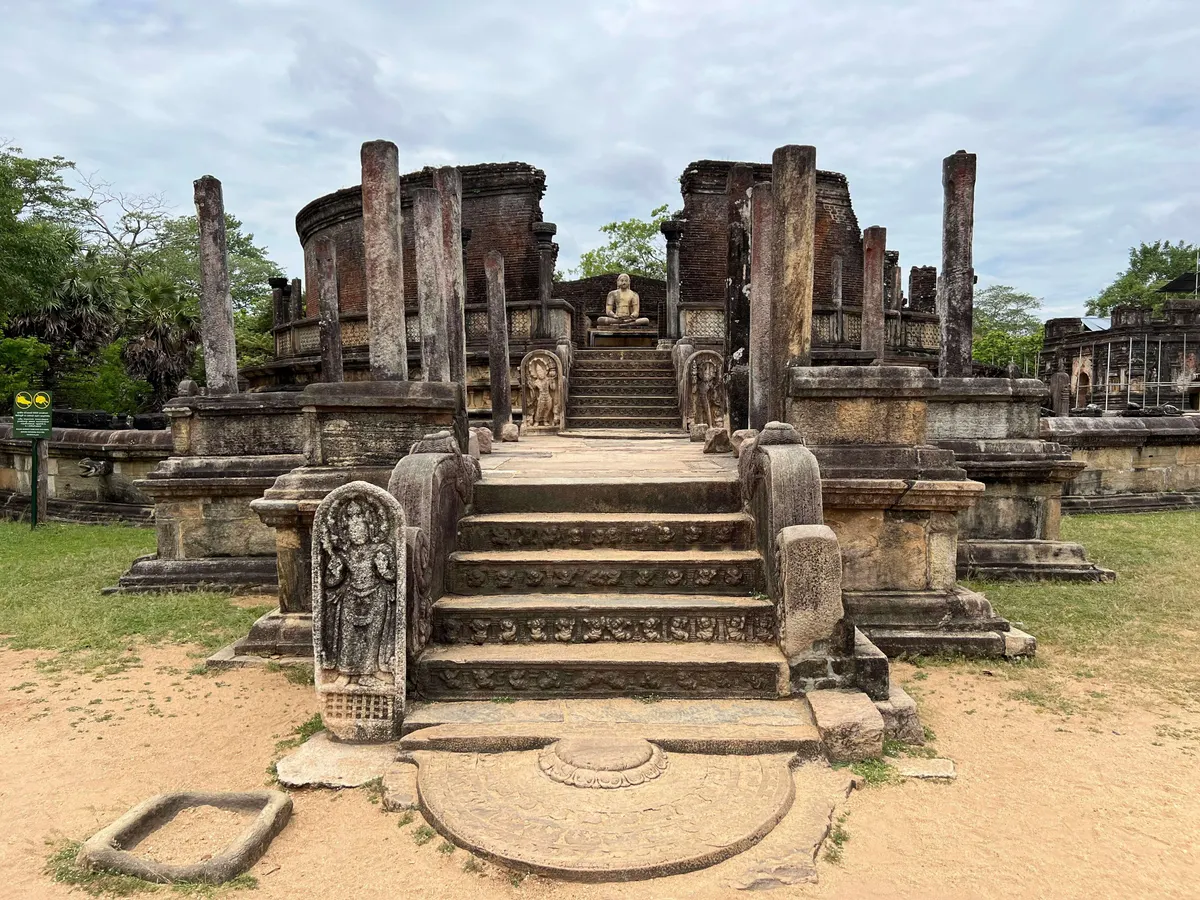













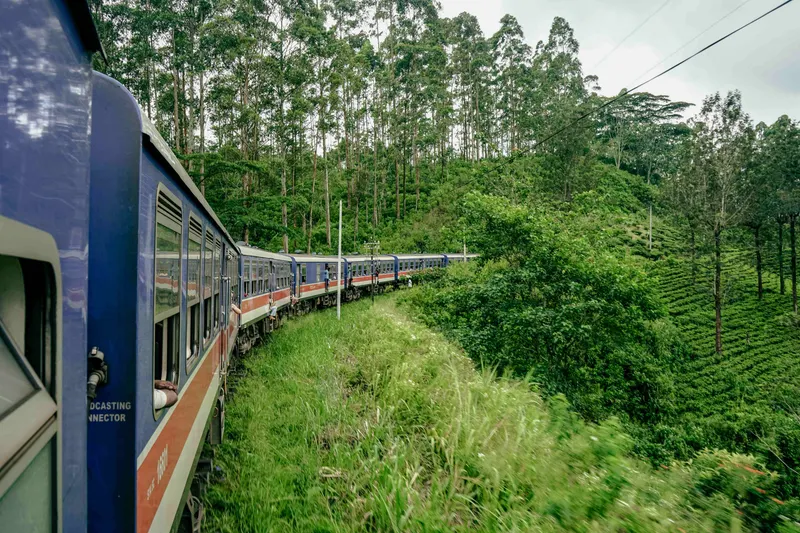
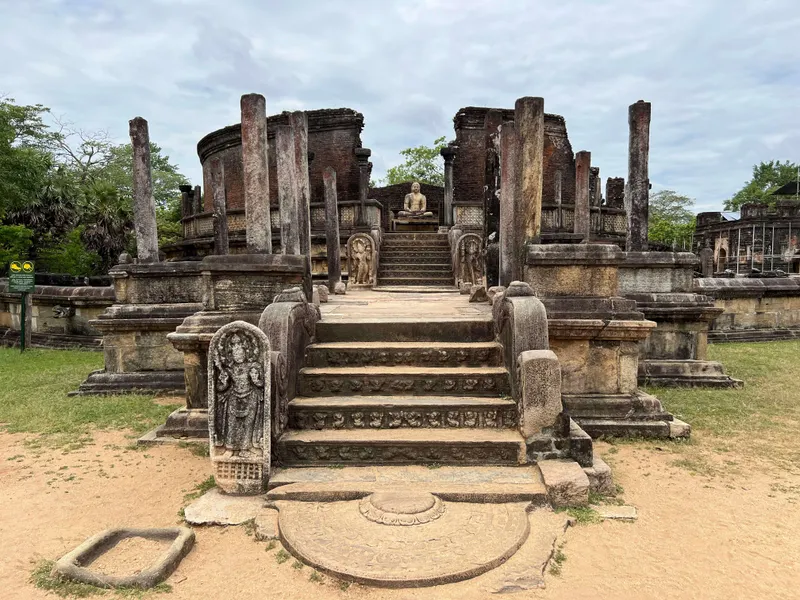
Sri Lanka, the Pearl of the Indian Ocean, is a land where ancient history, diverse landscapes, and a vibrant cultural tapestry intertwine to create an unforgettable travel experience. Imagine exploring the time-worn ruins of ancient cities like Anuradhapura and Polonnaruwa, where centuries-old stupas and statues whisper tales of a glorious past. Venture into the cool, mist-covered highlands of Nuwara Eliya, where rolling tea plantations stretch as far as the eye can see, offering a tranquil escape and a chance to savor the world’s finest Ceylon tea.
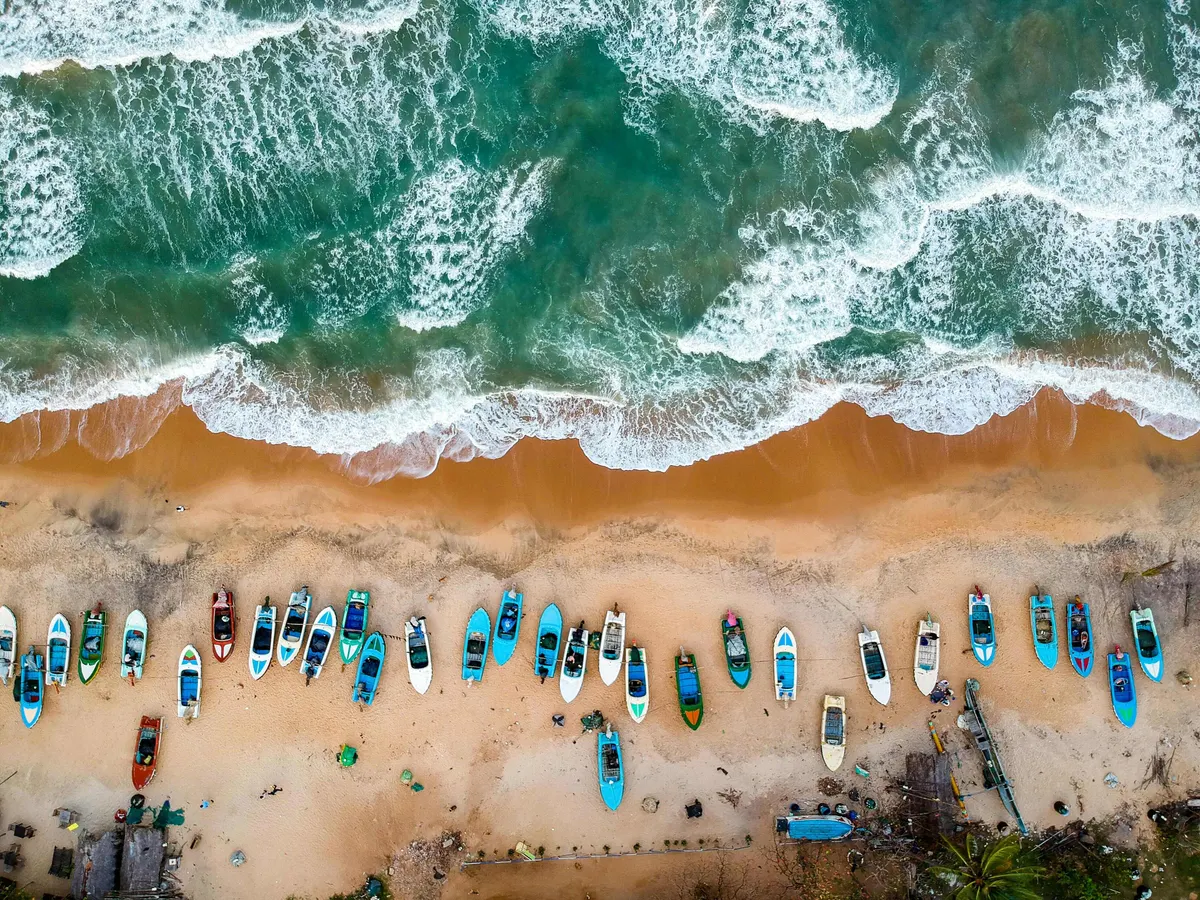
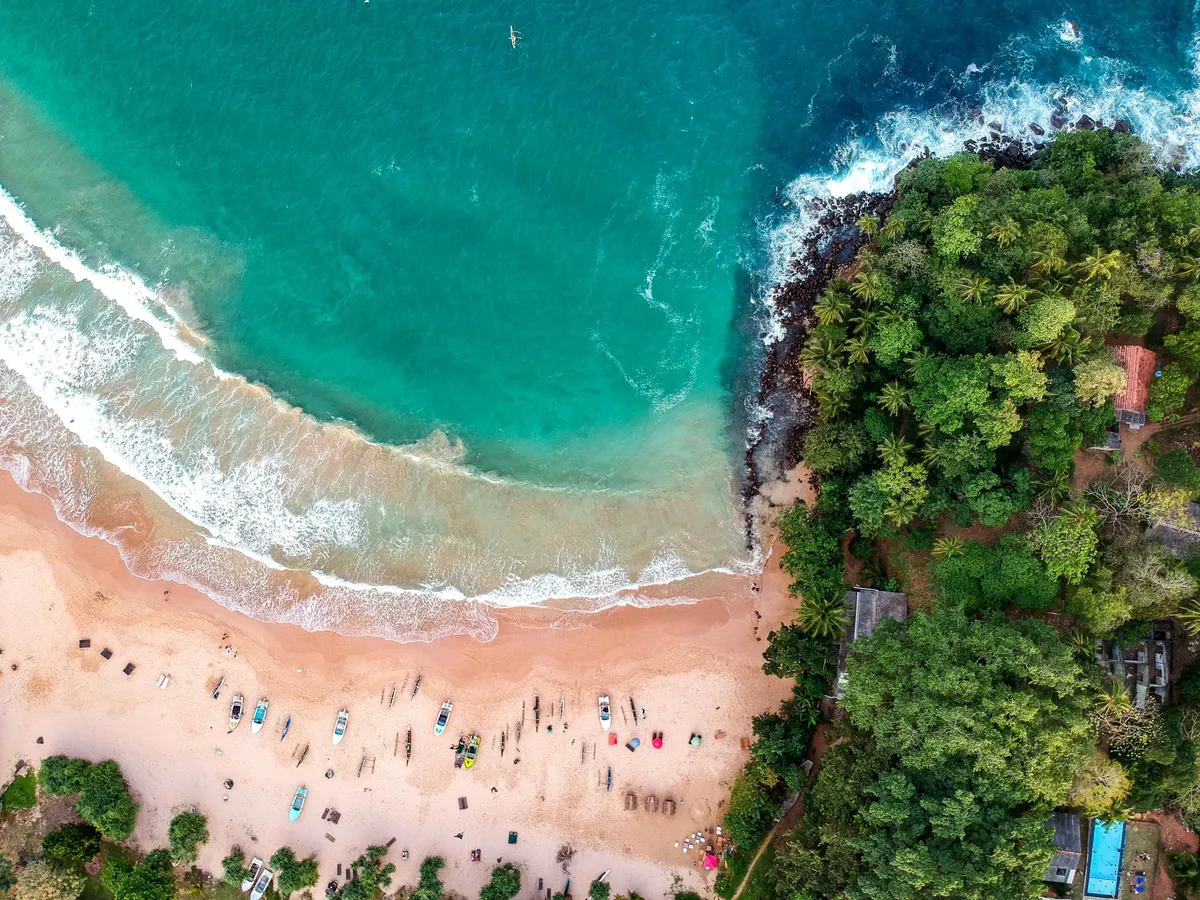
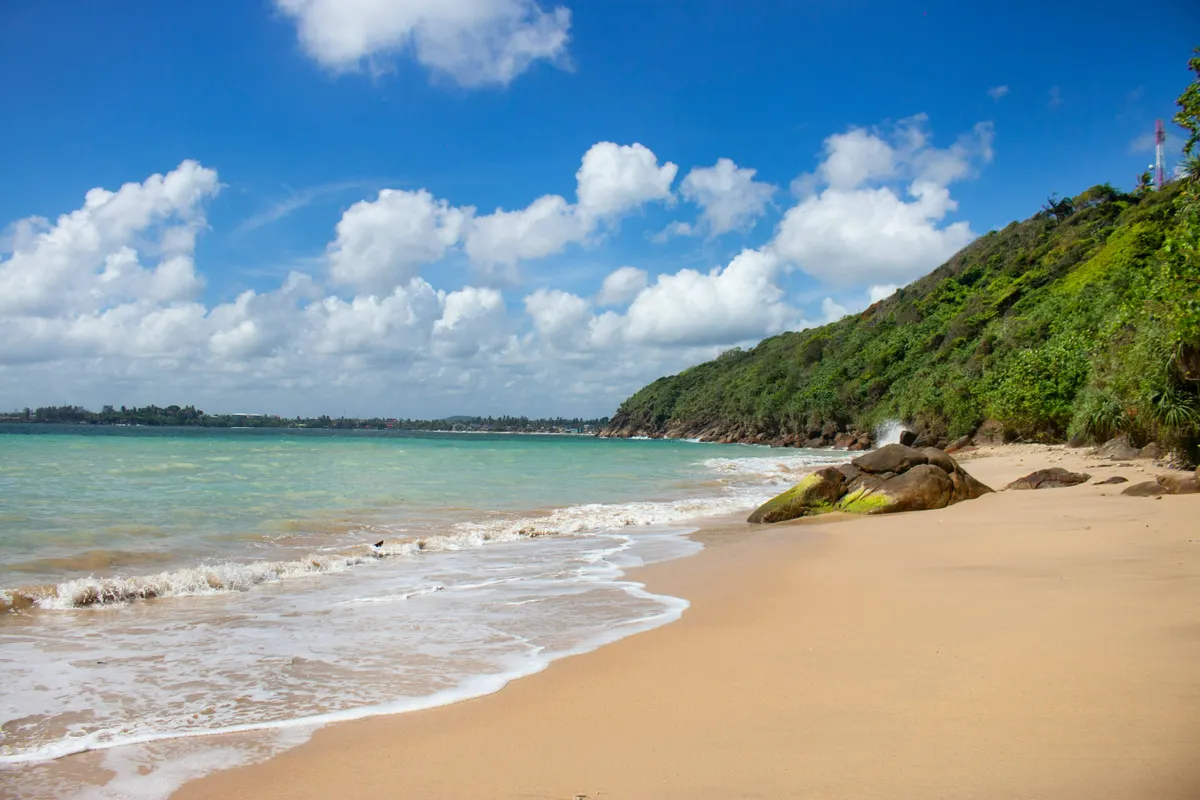
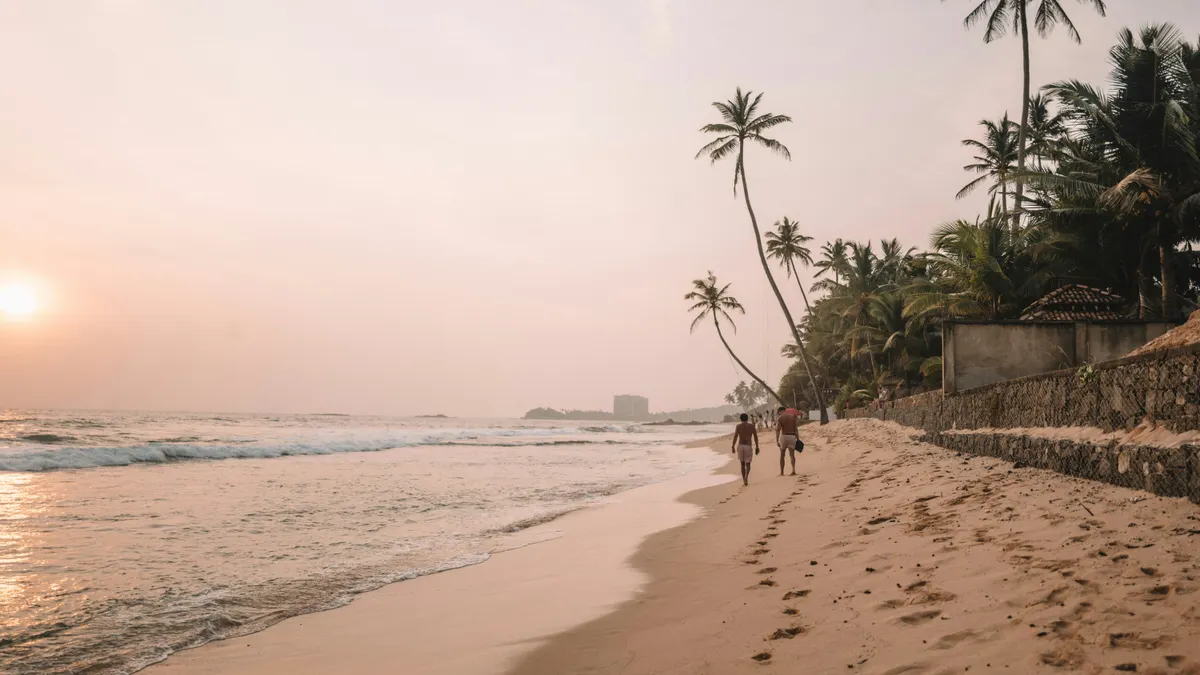
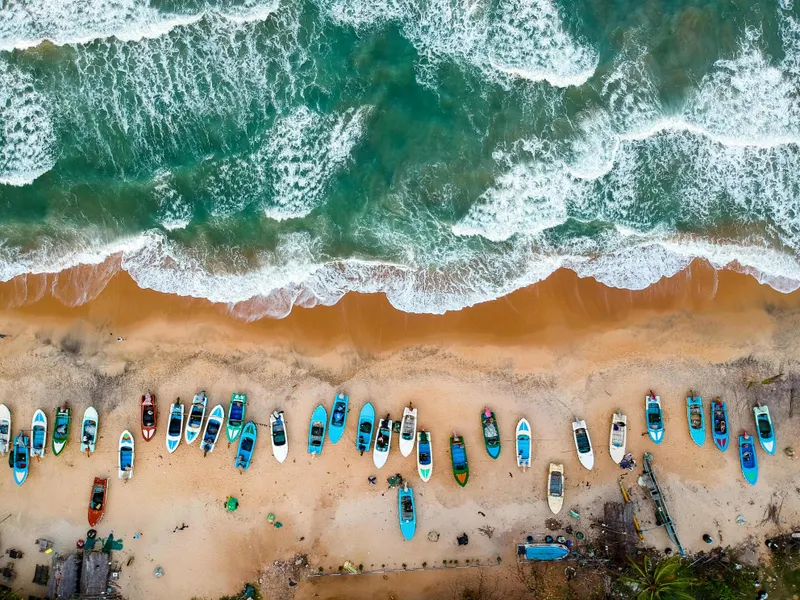
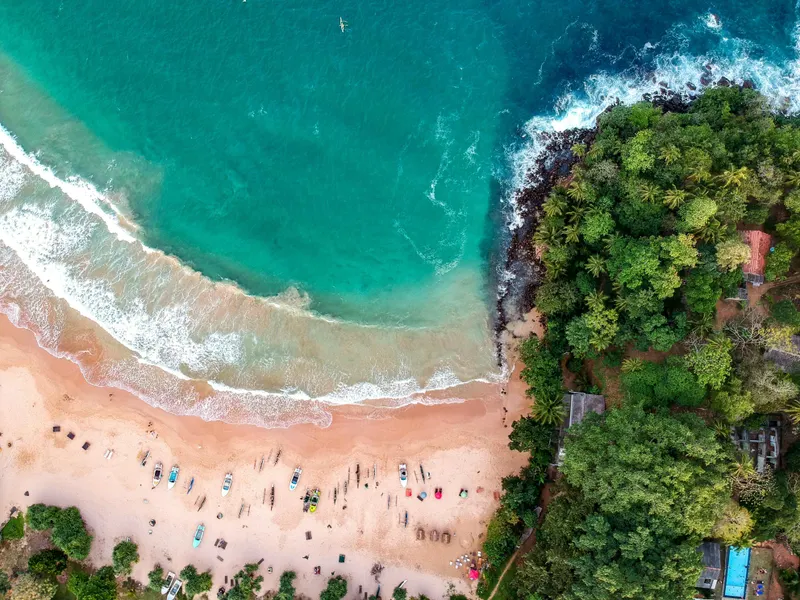
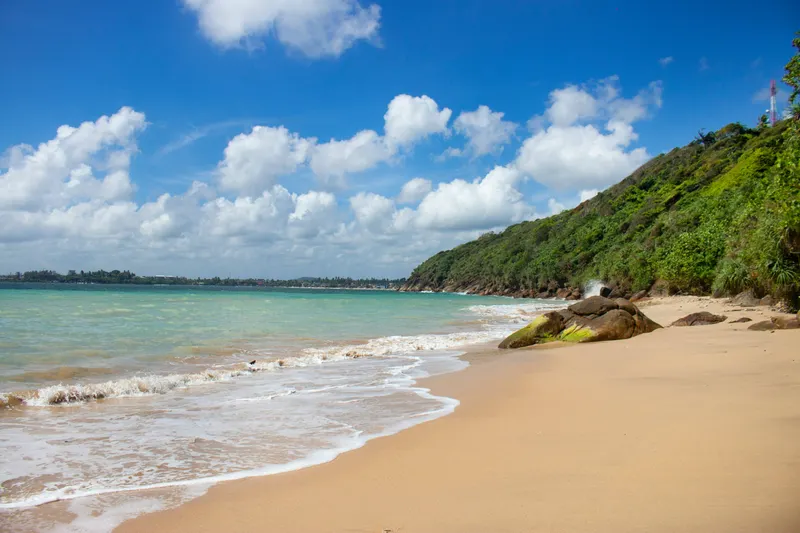
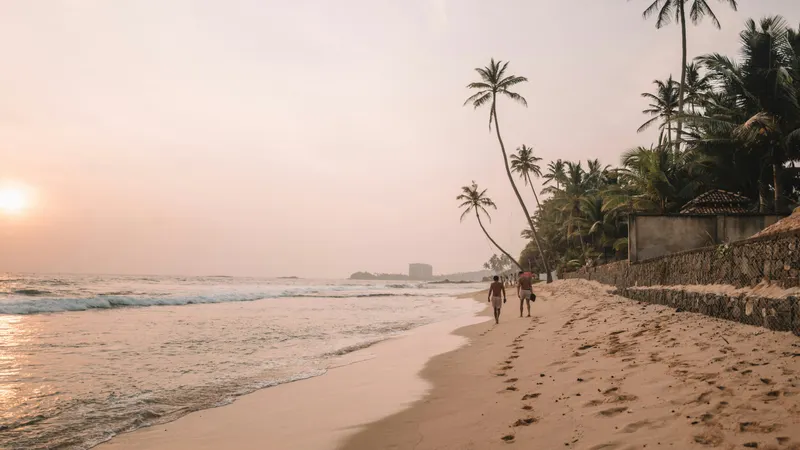
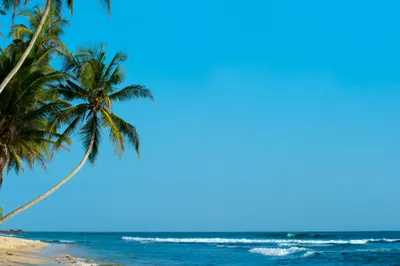
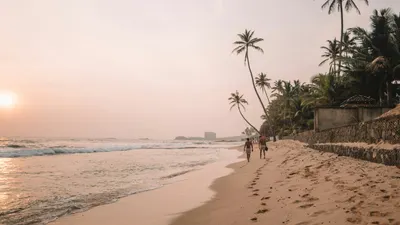
The coastal towns of Galle and Mirissa beckon with their sun-drenched beaches, colonial architecture, and a sense of laid-back charm. Picture strolling through the narrow, cobblestone streets of Galle Fort, a UNESCO World Heritage site, as the waves crash against the ancient walls, or embarking on a whale-watching expedition in Mirissa, where the deep blue ocean reveals its majestic secrets.
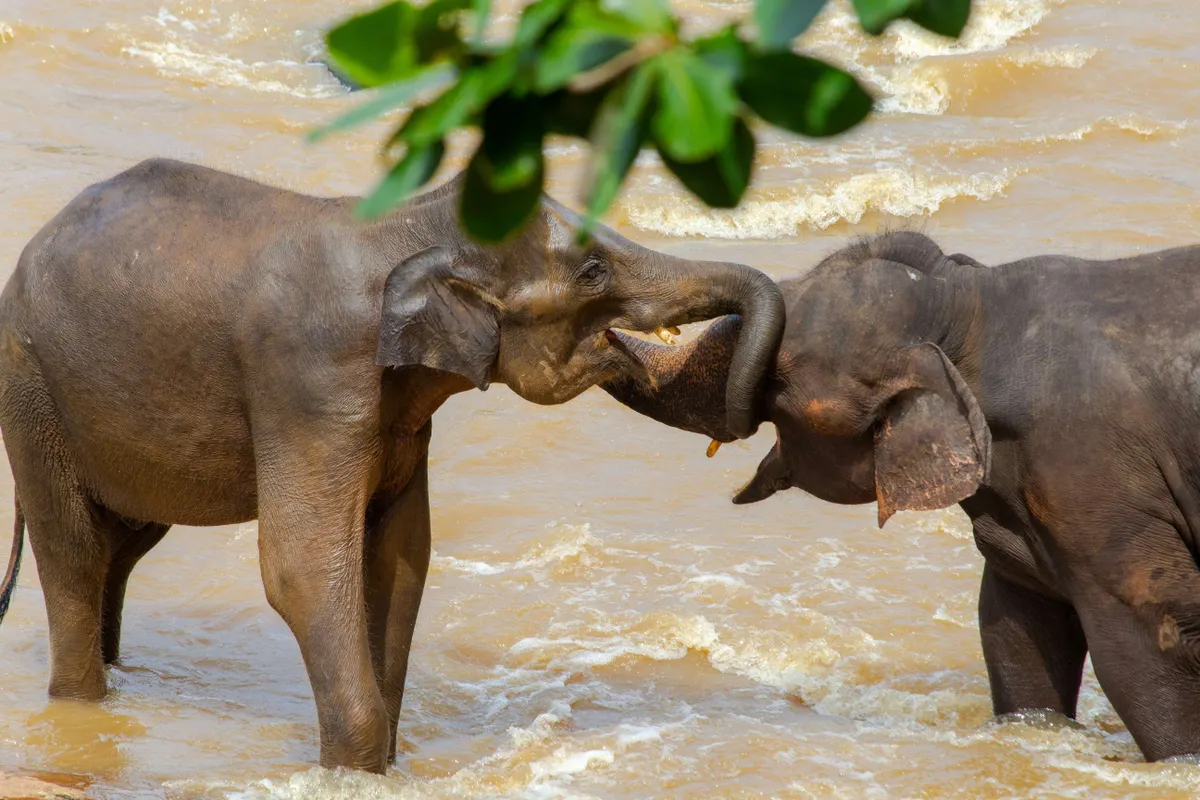
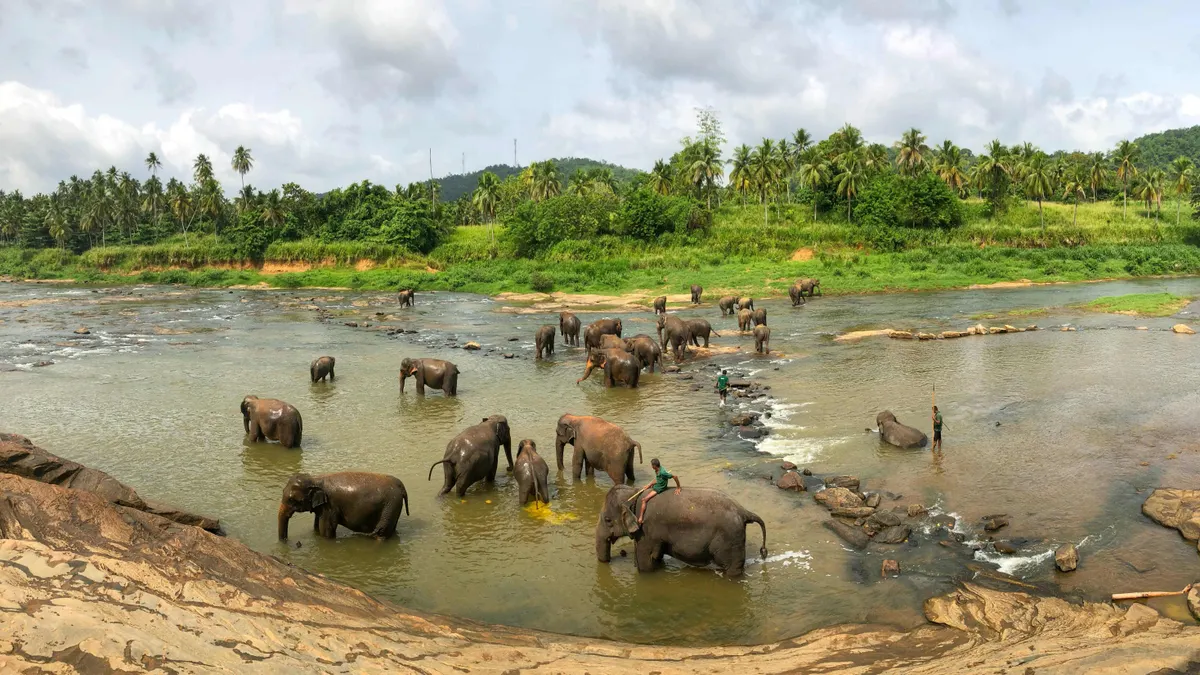
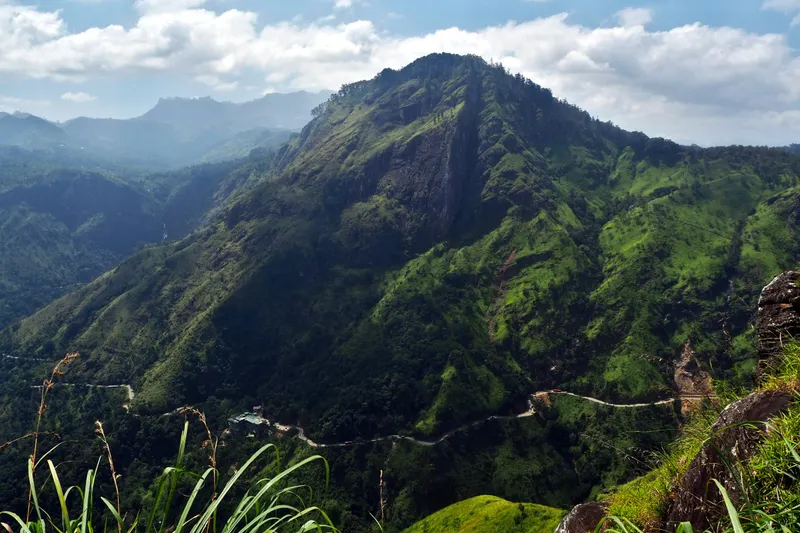
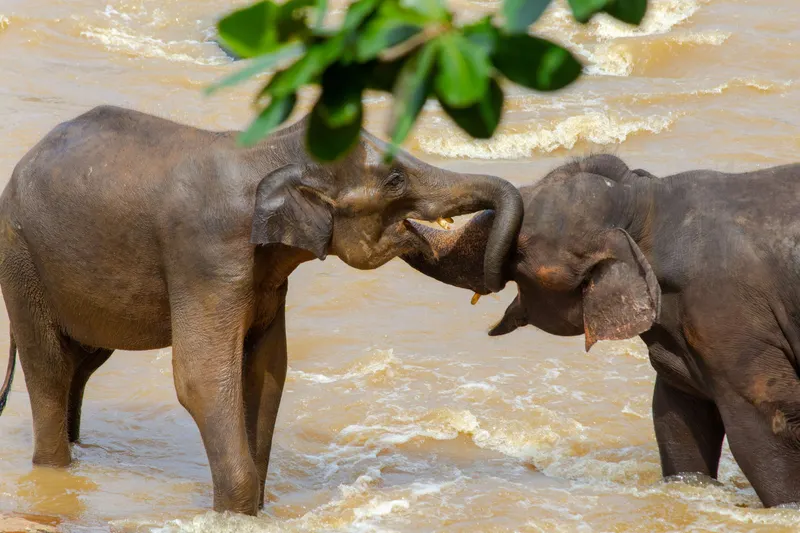
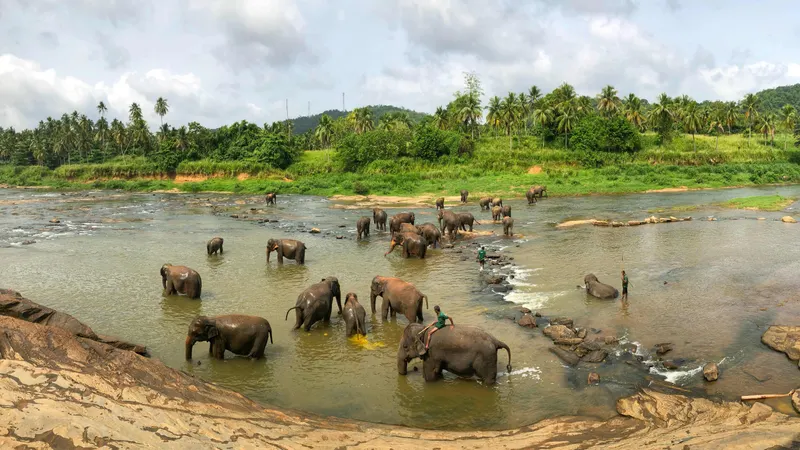
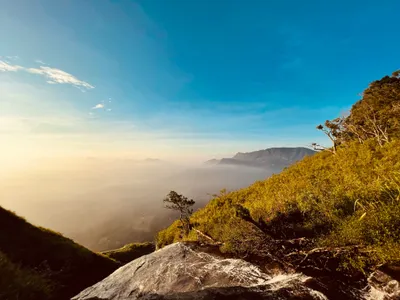
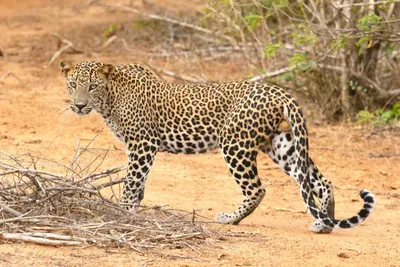
In the heart of the island, the sacred mountain of Adam’s Peak stands tall, a beacon for pilgrims and adventurers alike. The predawn trek to its summit is rewarded with a breathtaking sunrise that bathes the landscape in golden light, a spiritual experience that transcends borders and beliefs. Meanwhile, the wilds of Yala National Park promise encounters with Sri Lanka’s rich wildlife, from elusive leopards to herds of elephants, all set against the backdrop of verdant forests and open plains.
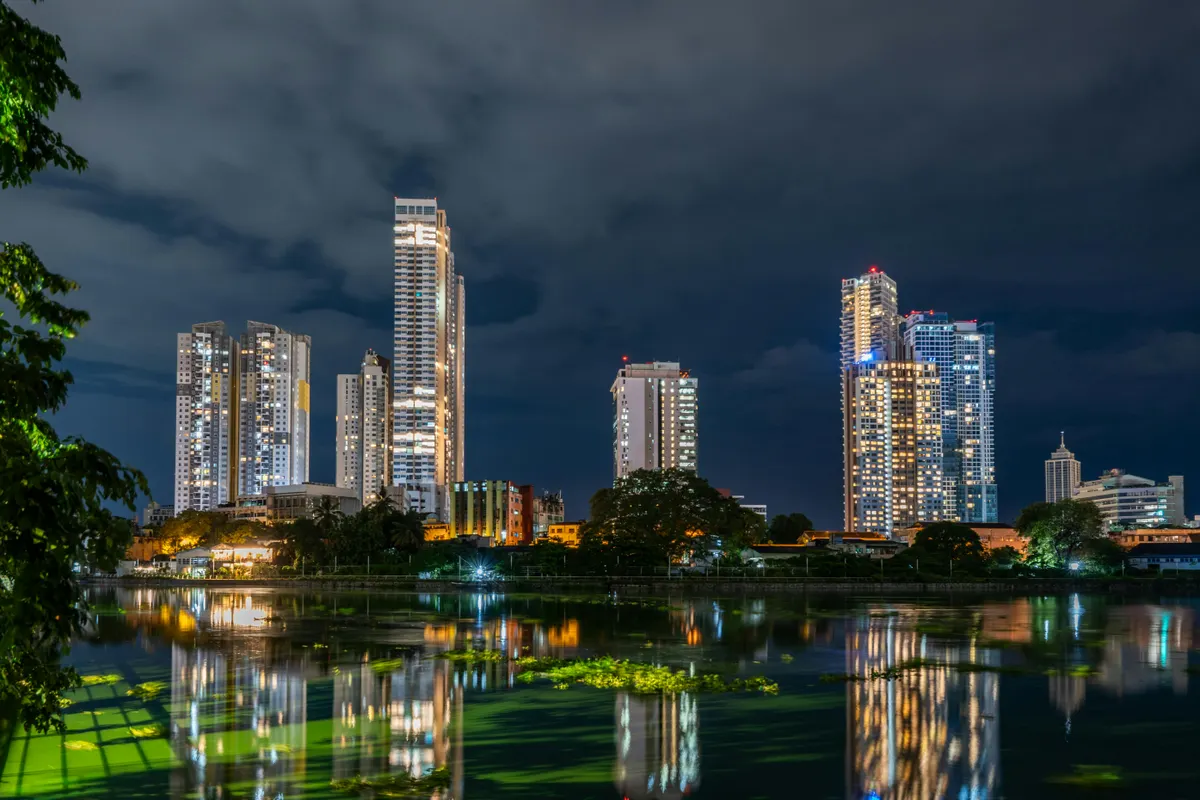
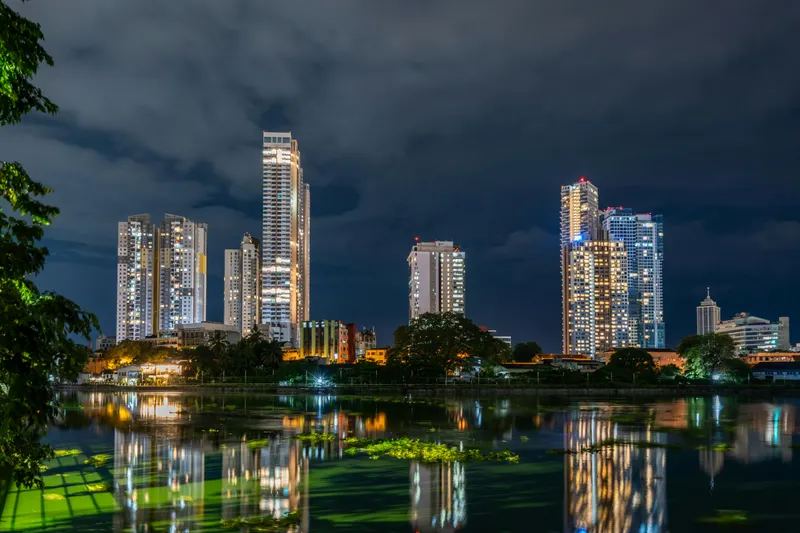
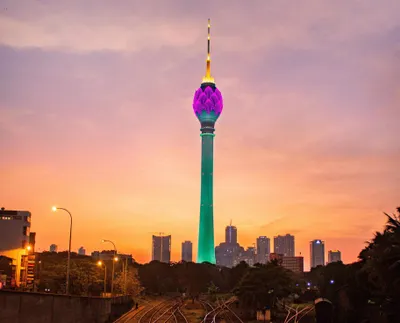
As you travel through this island paradise, you’ll discover that Sri Lanka is more than just a destination; it’s a journey through time, nature, and the warmth of its people. From the bustling markets of Colombo to the serene beaches of the East Coast, every corner of Sri Lanka offers something unique, something magical, waiting to be explored.


Cities & Region



Frequently Asked Questions
The best time to visit Sri Lanka depends on the region you plan to explore. Generally, the dry season in the west and south coasts, including popular areas like Colombo and Galle, runs from December to March. For the cultural heartland, including Kandy and Sigiriya, the ideal time is from April to September. If you’re interested in the east coast, visit between May and September when it experiences dry weather.
A recommended length of stay in Sri Lanka is around 10 to 14 days, allowing you to explore diverse attractions. This timeframe lets you visit major cities like Colombo and Kandy, experience the cultural sites of Anuradhapura and Polonnaruwa, relax on the beaches of Mirissa or Unawatuna, and even take a safari in Yala National Park. Each destination offers unique experiences that can enrich your journey.
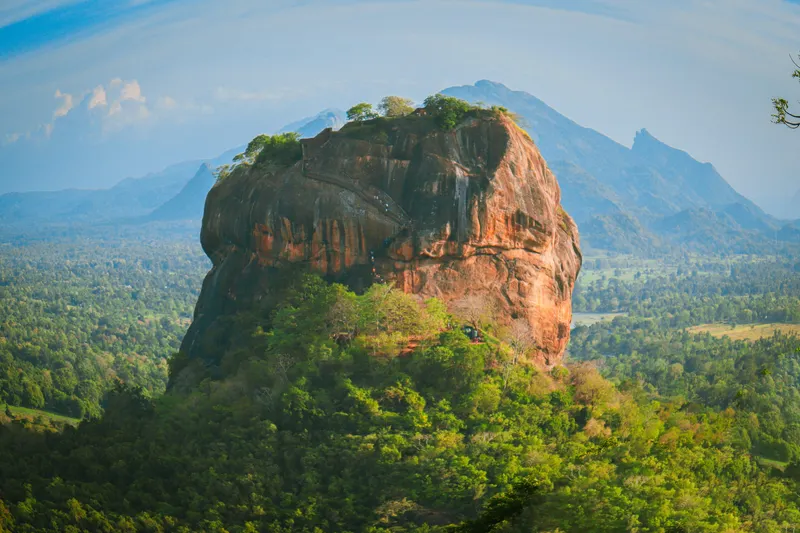
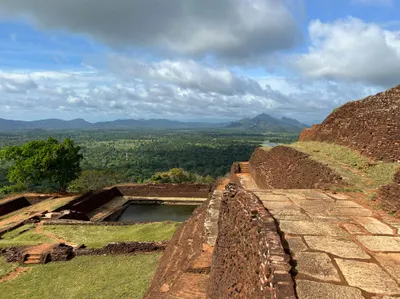
Sri Lanka is rich in cultural and natural landmarks. Key sites include: - Sigiriya Rock Fortress: An ancient rock fortress with stunning frescoes and gardens. - Temple of the Tooth in Kandy: A sacred Buddhist site housing a relic of the Buddha. - Galle Fort: A UNESCO World Heritage site with colonial architecture and beautiful coastal views. - Yala National Park: Known for its diverse wildlife, including leopards and elephants.
Sri Lankan cuisine is flavorful and diverse, with several must-try dishes: - Rice and Curry: A staple meal featuring rice served with various curries, often including lentils, vegetables, and meat. - Hoppers: A bowl-shaped pancake made from fermented rice flour, often served with egg or sweet fillings. - Kottu Roti: A stir-fried dish made from chopped roti, vegetables, and meat, seasoned with spices. - Pol Sambol: A spicy coconut relish that complements many meals.
Getting around Sri Lanka can be done via various modes of transportation. - Trains: Scenic train rides, especially from Kandy to Ella, are popular and affordable. - Buses: A comprehensive bus network connects major cities and towns, though they can be crowded. - Tuk-tuks: These three-wheeled vehicles are a fun way to navigate cities and short distances. - Private drivers: Hiring a car with a driver is a comfortable option for exploring at your own pace.
Yes, Sri Lanka has several cultural customs to keep in mind: - Dress modestly when visiting religious sites; shoulders and knees should be covered. - Remove your shoes and hats before entering temples. - Use your right hand for giving and receiving items, as the left hand is considered impolite. - Respect local traditions and customs, especially during festivals and ceremonies.
Before traveling to Sri Lanka, it's advisable to check for any recommended vaccinations, such as Hepatitis A and Typhoid. Additionally, consider taking precautions against mosquito bites, as dengue fever can be a concern. It's also wise to drink bottled water and be cautious with street food to avoid stomach issues. Always consult with a healthcare professional for the latest health advice specific to your travel plans.