Suwon Travel & Vacation Guide
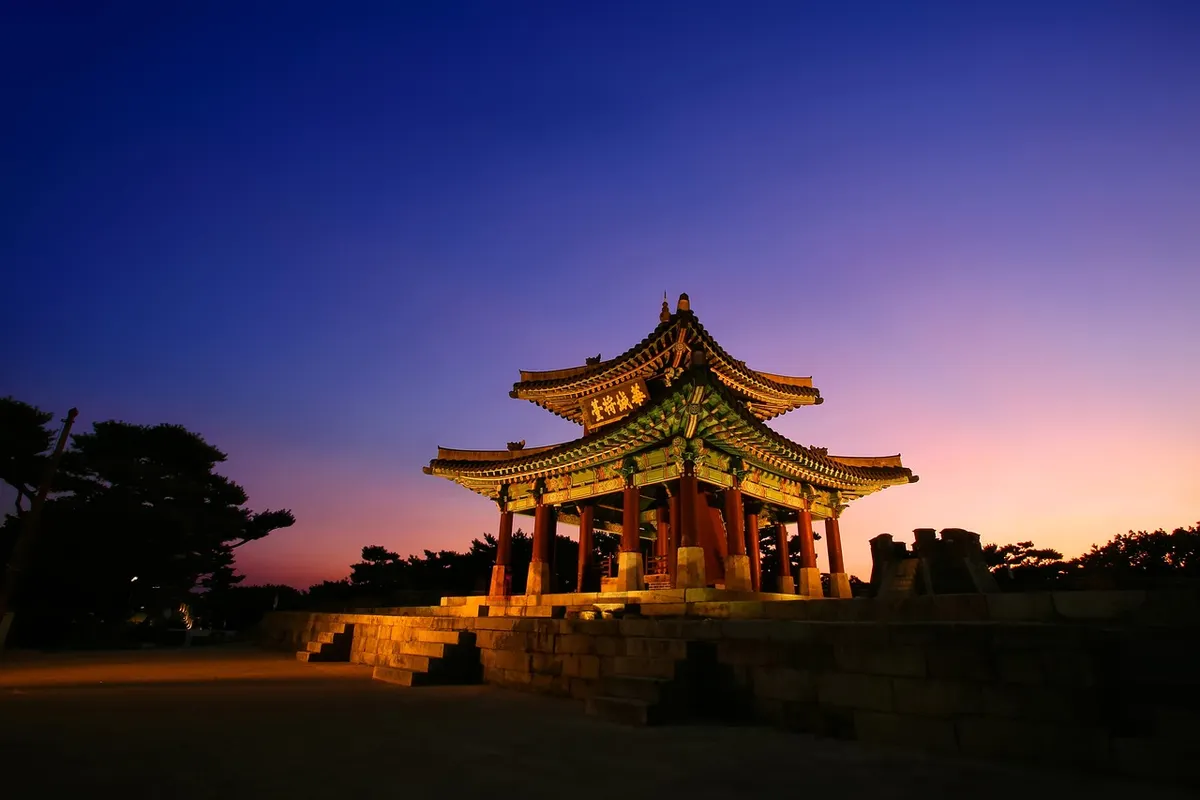
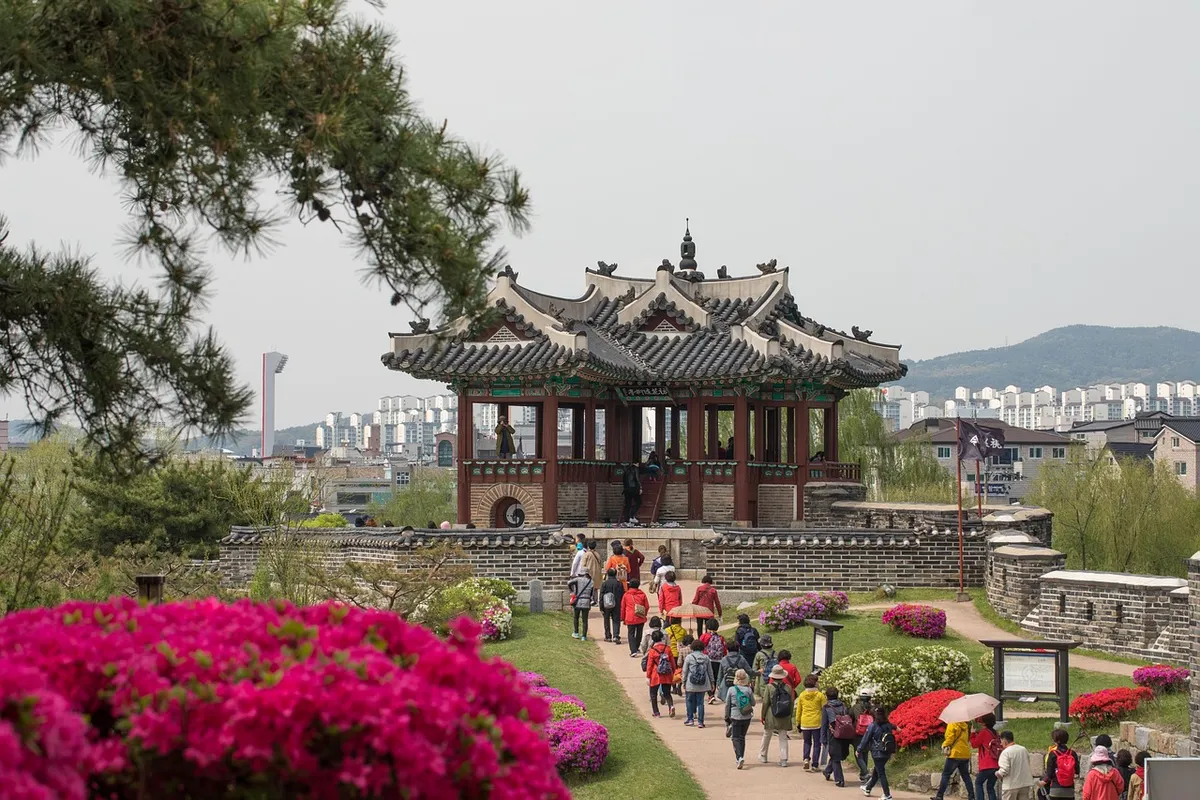
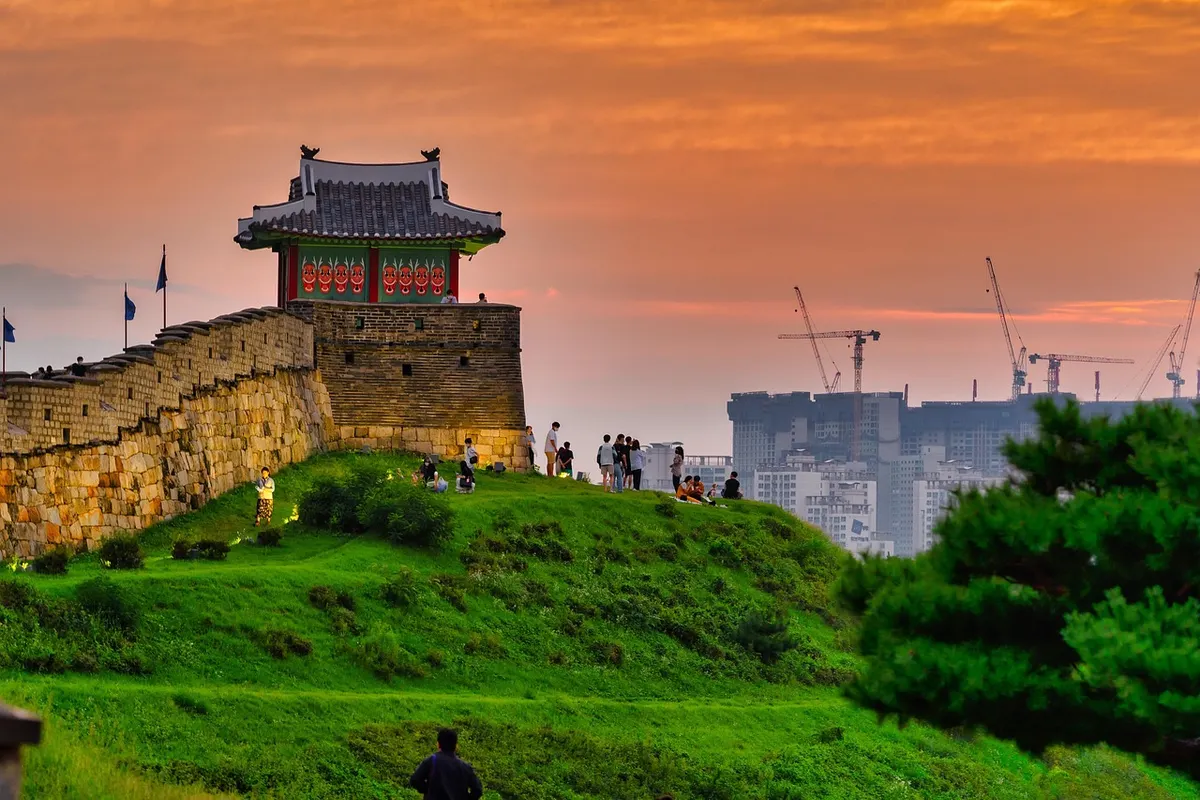
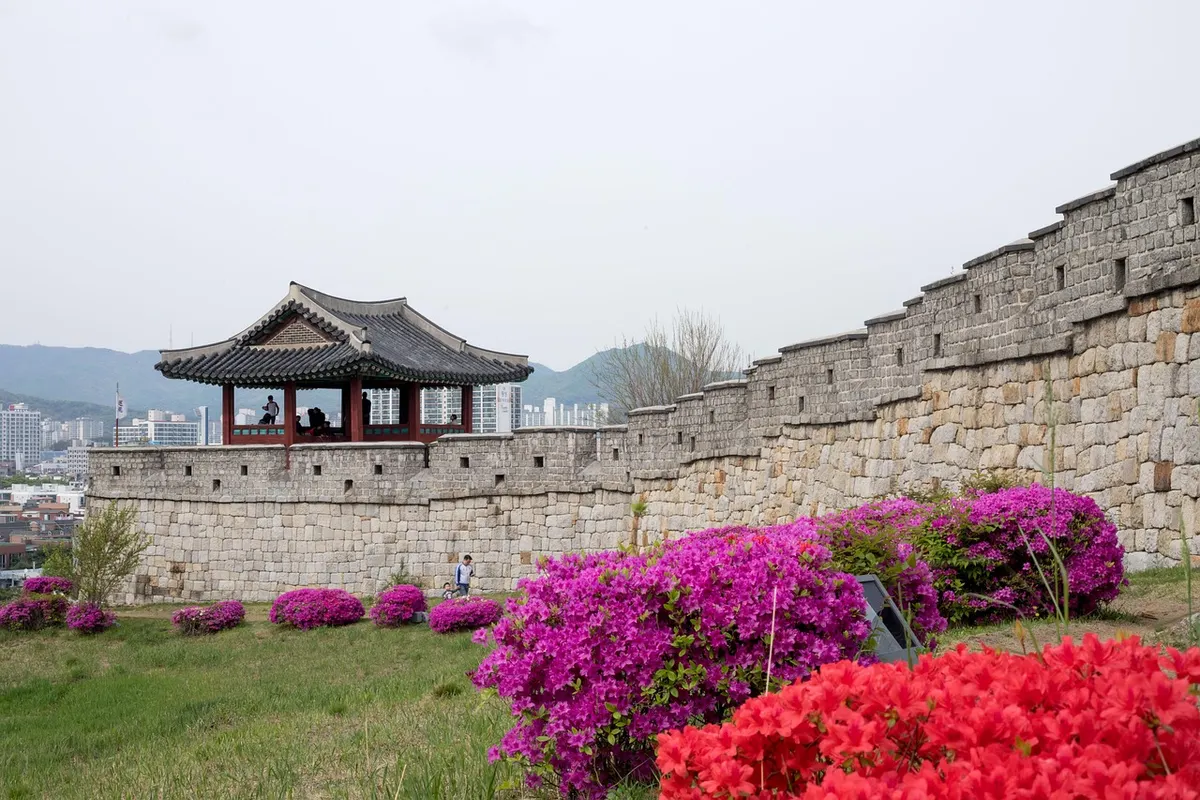


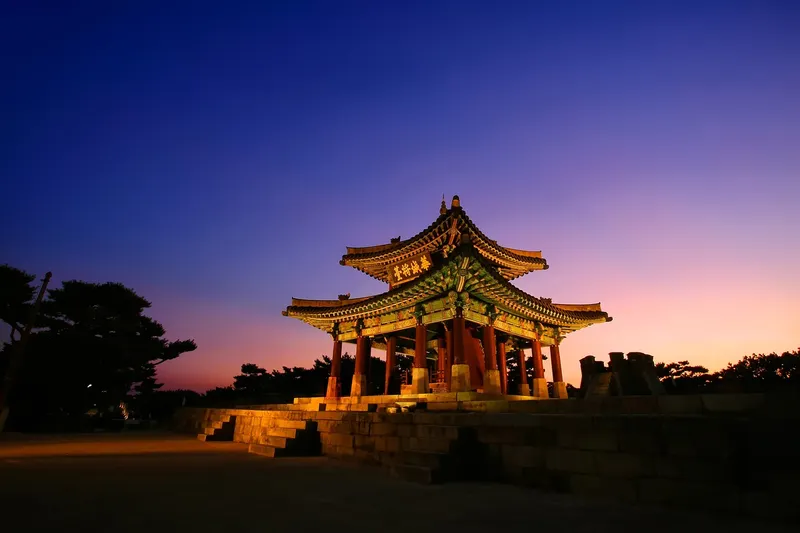
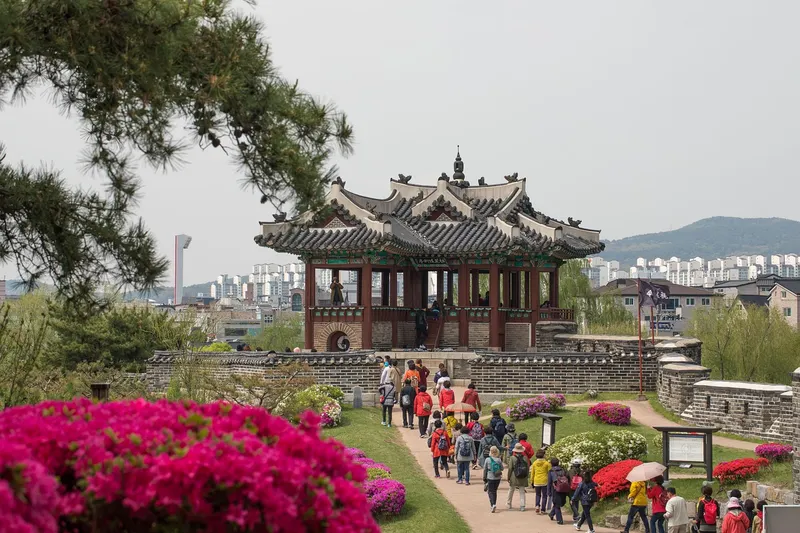
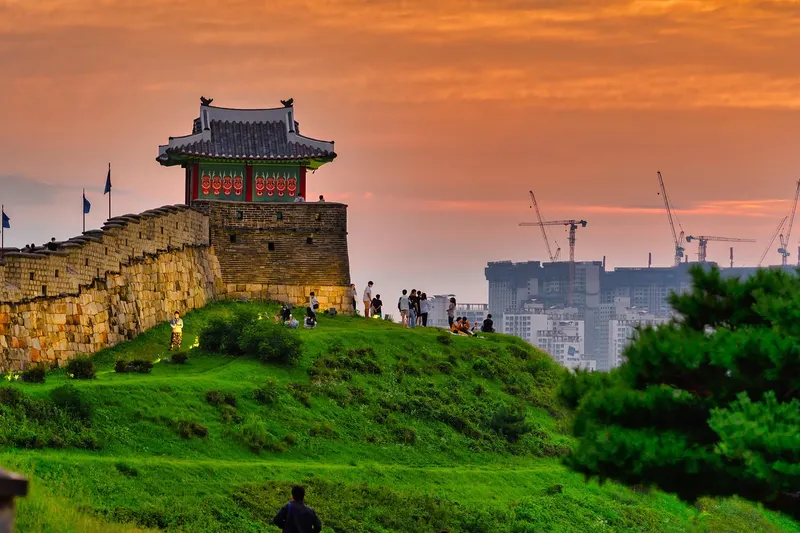
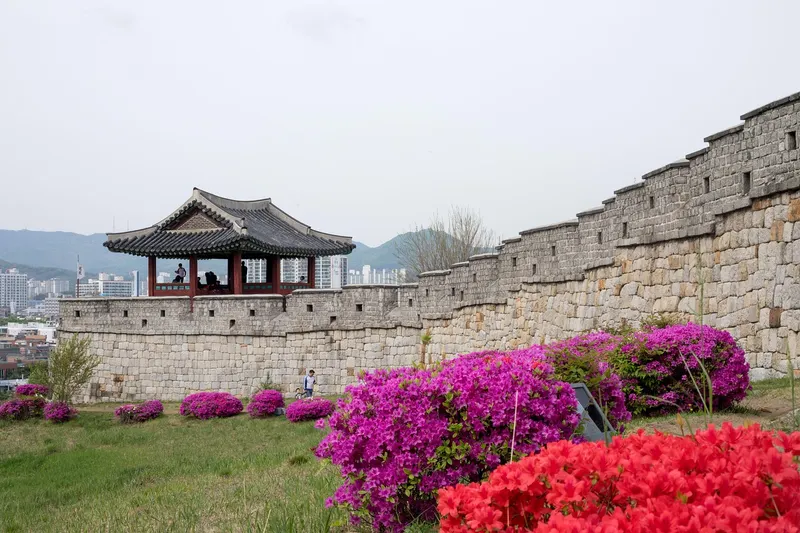
Suwon, the capital of Gyeonggi Province, is a fascinating blend of Korea’s rich history and modern urban energy. Home to the UNESCO-listed Hwaseong Fortress, this walled city offers a glimpse into the Joseon Dynasty with its beautifully preserved gates, secret passageways, and scenic walking trails. Climb to Paldalsan Mountain for stunning panoramic views, or witness a traditional archery demonstration at the fortress.
Beyond its historical charm, Suwon is also famous for its culinary scene, particularly Suwon galbi, a legendary Korean BBQ dish that attracts food lovers from across the country. Dive into the city’s vibrant shopping and nightlife at Ingye-dong, explore the Samsung Innovation Museum for a glimpse into Korea’s tech evolution, or relax at the scenic Gwanggyo Lake Park.
Easily accessible from Seoul, Suwon is a must-visit for history buffs, food lovers, and those looking to experience both the old and new sides of Korea in one dynamic city.
Current Weather

Frequently Asked Questions
Suwon is famous for its UNESCO World Heritage Site, Hwaseong Fortress, which offers stunning views and historical insights. Other must-see attractions include the Korean Folk Village, where you can experience traditional Korean culture, and the Suwon World Cup Stadium, known for its unique architecture. Don't miss the vibrant Suwon Market for local delicacies and shopping.
A stay of 2 to 3 days in Suwon is ideal to explore its key attractions without feeling rushed. This allows you to visit Hwaseong Fortress, enjoy the Korean Folk Village, and sample local cuisine, such as Suwon's famous galbi (grilled ribs). You can also take a day trip to nearby cities like Seoul or Incheon if time permits.
Suwon is renowned for its galbi (marinated beef ribs), which are grilled to perfection and often served with a variety of side dishes. Other local specialties include sundae (Korean blood sausage) and various types of kimchi. Be sure to visit local restaurants or street food stalls to fully experience Suwon's culinary offerings.
Getting around Suwon is convenient due to its efficient public transportation system, including buses and the subway. The Suwon subway line connects to Seoul, making it easy to explore both cities. Taxis are also readily available and reasonably priced. For a more local experience, consider renting a bicycle to navigate the city.
Suwon hosts several cultural events and festivals throughout the year. The Suwon Hwaseong Cultural Festival, typically held in October, celebrates the city's history with traditional performances, parades, and food stalls. Additionally, the Korean Folk Village often features seasonal festivals that highlight traditional customs and crafts.
Suwon experiences four distinct seasons. Summers (June to August) are hot and humid, with temperatures often exceeding 30°C (86°F). Winters (December to February) can be cold, with temperatures dropping below freezing. Spring (March to May) and autumn (September to November) are mild and pleasant, making these seasons ideal for visiting.
When visiting Suwon, it's important to respect local customs. Bowing is a common greeting, and it's polite to remove your shoes when entering someone's home or certain traditional accommodations. Additionally, when dining, wait for the eldest person to start eating before you do, and avoid sticking chopsticks upright in rice, as this resembles a funeral ritual.