China Travel & Vacation Guide








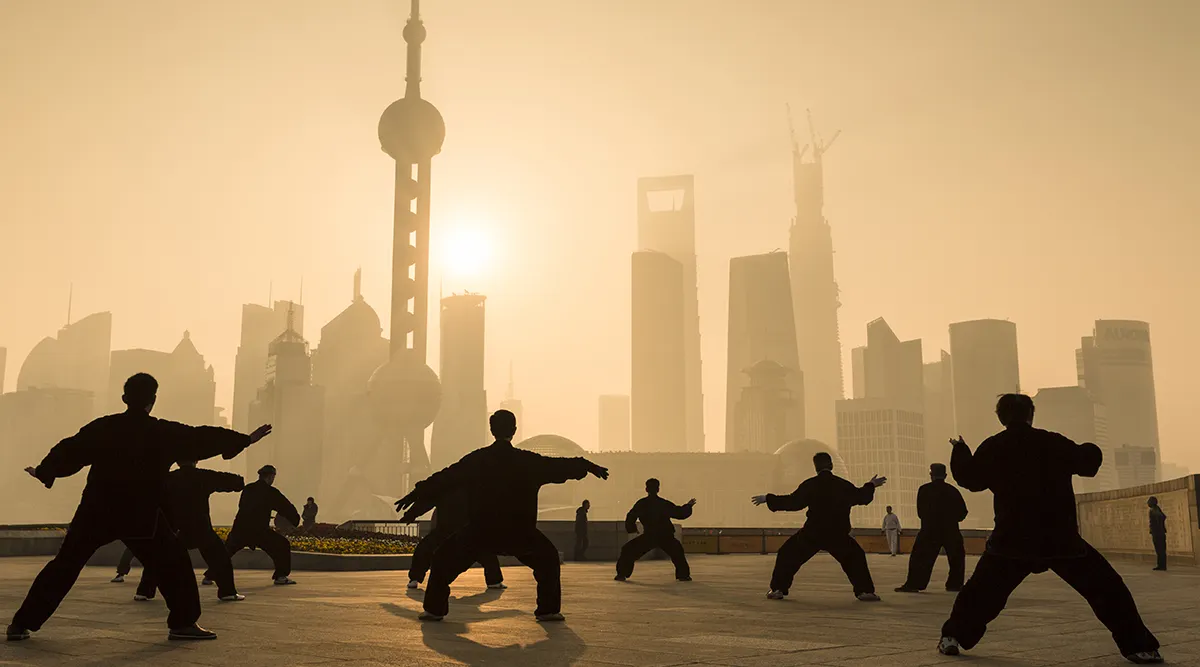











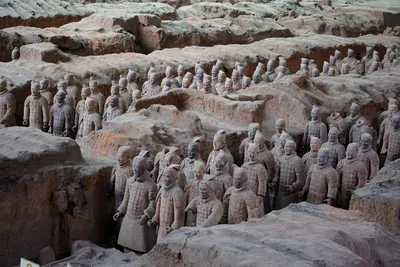
China, a land where ancient wonders meet modern marvels, invites travelers to immerse themselves in its rich history, breathtaking landscapes, and vibrant culture. Walk along the legendary Great Wall, marvel at the imperial grandeur of the Forbidden City, and stand in awe before the Terracotta Army in Xi’an. Experience the dynamic energy of Shanghai’s futuristic skyline, cruise through the ethereal karst landscapes of Guilin, and wander the mist-shrouded peaks of Zhangjiajie, said to inspire Avatar’s floating mountains.
Discover the soul of China through its diverse regions—sip fragrant tea in Suzhou’s classical gardens, savor authentic Peking duck in Beijing, and navigate the lively street markets brimming with flavors and traditions. From sacred temples and ancient water towns to cutting-edge cities and scenic retreats, China is a journey through time, tradition, and transformation, offering an experience as vast and varied as the nation itself.










Cities & Region









Frequently Asked Questions
The best time to visit China is during the spring (April to June) and autumn (September to October) months when the weather is mild and pleasant. These seasons offer comfortable temperatures and less rainfall, making it ideal for sightseeing. However, if you plan to visit during the summer, be prepared for hot and humid conditions, especially in southern regions. Winter can be quite cold, particularly in northern areas like Beijing, but it’s also a great time to experience fewer crowds.
For a first-time visit to China, a stay of at least 10 to 14 days is recommended. This duration allows you to explore several key cities and attractions, such as Beijing, Shanghai, Xi'an, and the Great Wall. If you have more time, consider adding destinations like Chengdu for the pandas or Guilin for its stunning karst landscapes. A well-planned itinerary can help you make the most of your visit.
China is home to numerous iconic attractions. Some must-see sites include: - The Great Wall of China: A UNESCO World Heritage site offering breathtaking views. - The Forbidden City in Beijing: A historic imperial palace with stunning architecture. - Terracotta Army in Xi'an: Thousands of life-sized statues buried with China’s first emperor. - The Bund in Shanghai: A famous waterfront area showcasing colonial architecture. - Zhangjiajie National Forest Park: Known for its unique pillar-like mountains.
Getting around China is convenient due to its extensive transportation network. The best options include: - High-speed trains: Efficient and comfortable, connecting major cities like Beijing, Shanghai, and Guangzhou. - Domestic flights: Ideal for long distances, especially to remote areas. - Subways and buses: Available in major cities, providing an affordable way to navigate urban areas. - Taxis and ride-sharing apps: Easily accessible, but ensure to have your destination written in Chinese.
China boasts a rich culinary heritage, with diverse regional dishes to explore. Some traditional foods to try include: - Peking Duck: A famous Beijing dish known for its crispy skin and succulent meat. - Dim Sum: A variety of bite-sized dishes, popular in Cantonese cuisine, often enjoyed with tea. - Hot Pot: A communal dining experience where diners cook ingredients in a simmering pot of broth. - Mapo Tofu: A spicy Sichuan dish made with tofu and minced meat. - Dumplings: A staple food, available in various fillings and cooking styles.
Yes, understanding local customs can enhance your experience in China. Some important cultural practices include: - Greetings: A nod or slight bow is common; handshakes are also acceptable. - Gift giving: It is customary to bring a small gift when visiting someone’s home, but avoid giving clocks or umbrellas, as they symbolize bad luck. - Dining etiquette: Wait for the host to start eating before you begin. Use chopsticks properly and avoid sticking them upright in rice, as it resembles funeral rituals.
U.S. travelers must obtain a visa to enter China, which can be done through the Chinese embassy or consulate. The most common visa is the tourist visa (L visa), which typically allows for stays of up to 30 days. Ensure your passport is valid for at least six months beyond your planned departure date. It's advisable to check the latest visa requirements and application procedures before your trip, as they can change.